
 Eva Lovia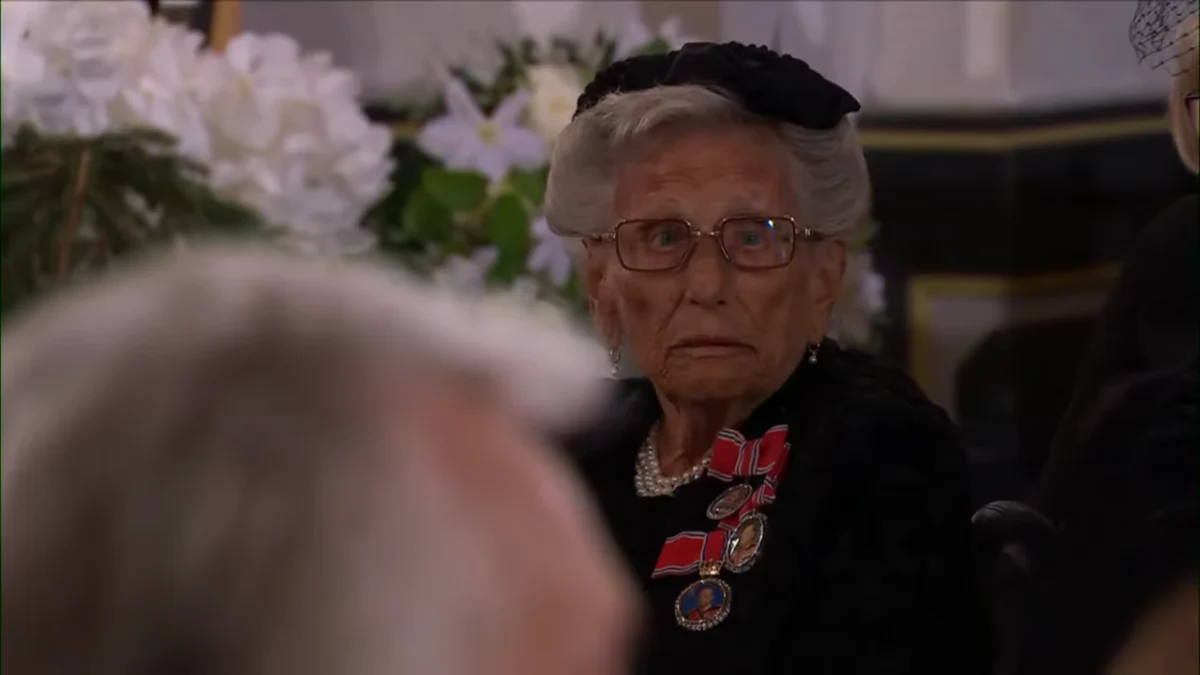
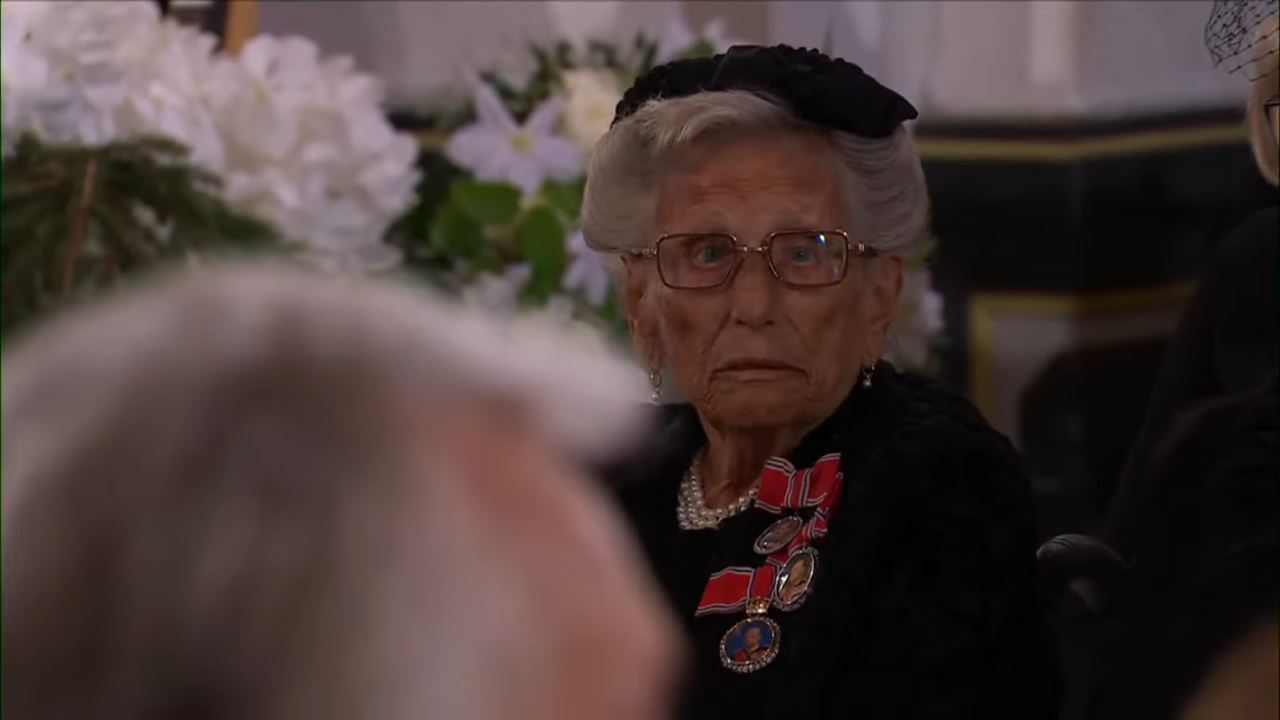
Oslo, Norway – Members of the Norwegian Royal Family, united in sorrow, gathered at Ris Church in Oslo on [Insert Date, e.g., September 15, 2026] to bid a final farewell to Her Highness Princess Astrid, Mrs. Ferner, who passed away earlier this month at the age of 94. The funeral service marked the end of a long and distinguished life of royal service, held during a period of profound mourning for the nation and its monarchy, following the recent death of her younger brother, King Harald.
The solemn occasion saw King Haakon VIII leading the mourners, a significant role for the monarch who also took on a deeply personal duty as one of the seven pallbearers entrusted with carrying his aunt’s coffin from the church. His presence underscored the close familial bonds within the House of Glücksburg, a dynasty that has shaped Norway’s modern history.
Among the attendees were Queen Mette-Marit, King Haakon’s mother Queen Sonja, and his daughter, Crown Princess Ingrid Alexandra. The presence of the three generations of female royals highlighted the continuity of the monarchy. Princess Märtha Louise, accompanied by her husband Durek Verrett and her three daughters, also paid their respects, a testament to the enduring family ties despite varying public profiles.
While the Princess Royal of Great Britain, Anne, was unable to attend the funeral in person, a poignant symbol of her connection to the Norwegian Royal Family was evident. A wreath of white roses, bearing a deeply personal message from Anne, was placed among the numerous floral tributes. The handwritten note, signed simply "Anne," read, "With love and happy memories." This gesture served as a tangible reminder of the long-standing relationship between the British and Norwegian royal houses, a connection historically rooted in shared lineage and mutual respect. Princess Anne, who is King Haakon’s godmother, had previously attended King Harald’s state funeral, accompanied by Prince William, further emphasizing these ties.
A Royal Family Navigating Consecutive Losses
The funeral of Princess Astrid came at an exceptionally challenging time for the Norwegian Royal Family. Just weeks prior, on August 28, [Year of King Harald’s death, e.g., 2026], King Harald V passed away at the age of [King Harald’s age at death]. His state funeral, a grand and solemn affair, was held on September 9, [Year]. Princess Astrid herself made a courageous appearance at her brother’s funeral, just two days before her own passing. This marked her final public engagement, a testament to her unwavering dedication and strength in the face of personal loss and declining health. Her attendance, though brief, was a powerful symbol of solidarity and familial duty.
Princess Astrid’s passing at the age of 94 marked the end of an era for Norway. Born Princess Astrid Maud Ingeborg of Denmark on February 12, 1932, she was the second child and eldest daughter of Crown Prince Olav and Crown Princess Märtha of Sweden. Her life spanned a period of immense change for Norway, from the pre-war years, through the Second World War and the subsequent rebuilding, to the modern era of prosperity and international engagement. She was the younger sister of King Harald V and the elder sister of Princess Ragnhild.
Personal Tributes and Familial Bonds
The funeral service at Ris Church was imbued with personal touches, reflecting Princess Astrid’s deep connections to her family. Her five children – Cathrine, Benedikte, Alexander, Elisabeth, and Carl-Christian Ferner – played a significant role, joining King Haakon as pallbearers. The presence of her grandchildren and great-grandchildren, who placed red roses on her coffin during the proceedings, underscored the continuation of her legacy through the generations.
Crown Princess Ingrid Alexandra, the future Queen of Norway, was observed holding hands with her mother, Queen Mette-Marit, as they departed the church. Her choice of jewelry was also noteworthy: a ruby and diamond heart pendant, a christening gift from her grandmother Queen Sonja in 2004, which she had also worn at King Harald’s funeral. This detail highlighted the symbolic continuity and the passing down of cherished family heirlooms, linking past and future generations of the monarchy.
International Royal Presence
Beyond the immediate family, the funeral drew representatives from other European royal houses, underscoring Princess Astrid’s wider standing within the continental monarchical community. Among the international dignitaries were Crown Princess Victoria of Sweden, Princess Astrid of Belgium, and Prince Lorenz. These attendances affirmed the enduring diplomatic and familial relationships that bind European royalty.
A Life of Service and Dedication
King Haakon VIII, in his remembrance of his aunt, characterized Princess Astrid as a figure who "served the Norwegian Royal Family with warmth and dedication." He further stated, "Throughout her long life, Princess Astrid represented the Royal House in a warm and dutiful manner." This sentiment was echoed by many who knew her, highlighting her unwavering commitment to her royal duties and her role as a supportive figure within the House of Glücksburg.
Princess Astrid’s life was marked by her commitment to public service. She served as a patron of numerous organizations and was actively involved in charitable work. Her advocacy for various causes, particularly those related to children and healthcare, left a lasting impact. She was known for her genuine warmth and approachability, a quality that endeared her to the Norwegian public.
The Historical Context of the Norwegian Monarchy
The reign of King Harald V, and now King Haakon VIII, represents a significant chapter in the history of the Norwegian monarchy. Established in 1905 with the election of Prince Carl of Denmark as King Haakon VII, the House of Glücksburg has navigated Norway through periods of immense national transformation. Princess Astrid, as the elder sister of the late King, played an integral role as a senior member of the royal family, witnessing and contributing to these historical shifts. Her life, spanning over nine decades, provided a living link to Norway’s past, from its early 20th-century independence to its contemporary status as a modern European nation.
The recent succession, with King Haakon VIII ascending the throne following his father’s death, marks a new phase for the Norwegian monarchy. The consecutive funerals within such a short timeframe undoubtedly present a period of adjustment and reflection for the royal family and the nation. The strength and unity displayed during these somber events will be crucial as the monarchy moves forward under its new leadership.
Concluding Remarks on a Legacy of Service
Princess Astrid’s funeral was not merely a ceremony of mourning but a celebration of a life dedicated to duty, family, and country. Her enduring legacy will be remembered not only through her contributions to royal service and her philanthropic endeavors but also through the profound love and respect she commanded from her family and the Norwegian people. As the nation continues to mourn King Harald and now Princess Astrid, the resilience and continuity of the Norwegian Royal Family are underscored, with the younger generation, led by King Haakon VIII and Crown Princess Ingrid Alexandra, poised to carry forward the traditions and responsibilities of the crown. The white roses from Princess Anne serve as a quiet yet powerful reminder of the enduring bonds of kinship that transcend national borders, even in times of profound national sorrow.




 Yuyun Lusiyani
 Joko Widodo
 Pevita Pearce
 admin
admin
 Lina Irawan