
 Eva Lovia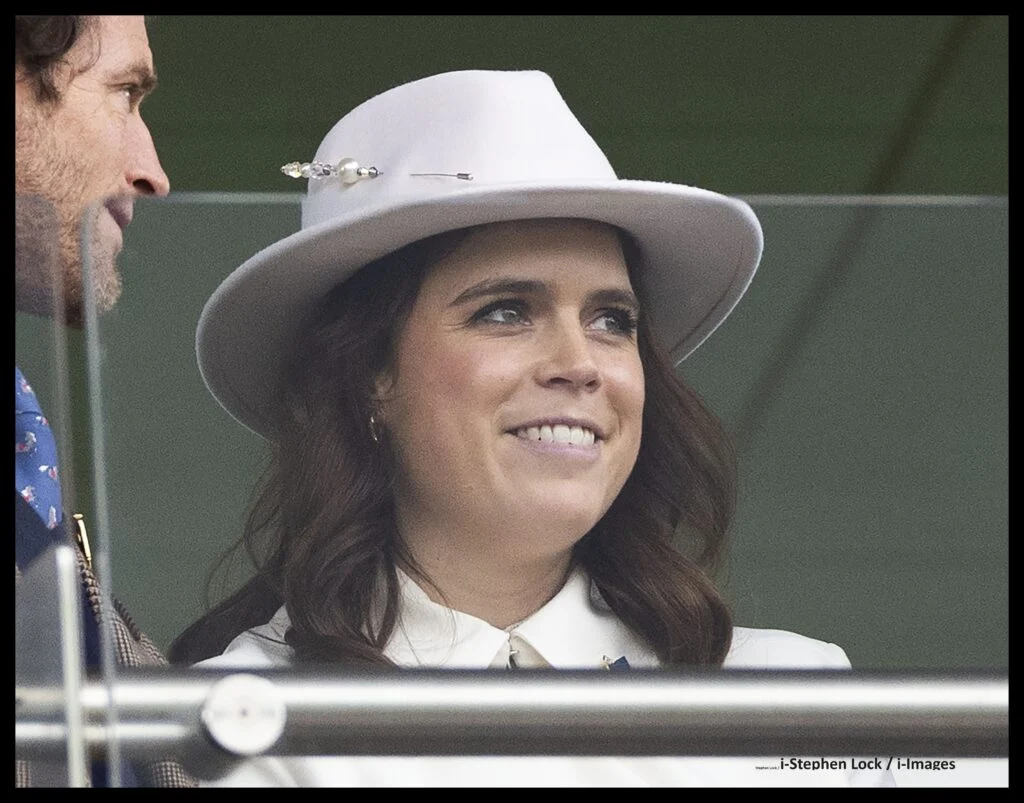
Princess Eugenie has given birth to her third child, a daughter, on August 3rd. This latest addition to the Royal Family joins her older brothers, August, who is five years old, and Ernest, who is three. The new arrival, who is fifteenth in line to the throne, weighed in at 6 pounds and 9 ounces at the time of her birth. The very first photograph of the newest royal baby was captured by her proud father, Jack Brooksbank, offering the public a glimpse into this joyous occasion.
In a development that marks a significant moment for the House of Windsor, the princess’s daughter has the distinction of being the first member of the British Royal Family to be born in Portugal. Her debut in Lisbon, the vibrant capital of Portugal, places her birth in a unique historical context within the monarchy. This event has naturally drawn attention from both royal observers and those interested in international affairs.
His Majesty The King has been formally informed of the arrival of his great-niece. A statement released on behalf of the Royal Family via social media conveyed the delight of Their Majesties King Charles III and Queen Camilla upon receiving the news. The statement, characteristic of royal announcements, expressed warmth and well wishes for the growing family.
The announcement of Princess Eugenie’s pregnancy with her third child was made by Buckingham Palace several months prior. This confirmation was considered somewhat unexpected by some observers, and its timing was interpreted by many as a gesture of support for Eugenie, aged 36. Her public profile has been notably lower in recent times, particularly in the wake of public scrutiny surrounding her parents, the Duke and Duchess of York, and their past associations. The release of documents related to Jeffrey Epstein also brought renewed attention to the Duke and Duchess, making any supportive gestures towards their children particularly noteworthy.
The new royal baby’s position in the line of succession is of considerable interest. Following in the footsteps of her mother and elder brothers, she is now placed fifteenth in line to the throne. This placement means she is ahead of several other prominent royals, including the Princess Royal, Anne, and Prince Edward, the Duke of Edinburgh, in the established order of succession. This shift, while not immediately impacting the line to the throne at its highest levels, is a regular feature of royal births and departures from the line.
Princess Eugenie and her husband, Jack Brooksbank, have maintained a connection with Portugal for a significant period. Due to Mr. Brooksbank’s professional commitments, the couple has resided in Portugal for portions of the year. While their two sons, August and Ernest, were born in London, this latest birth in Lisbon signifies a geographical shift in the family’s experiences. The decision to have the child delivered in a hospital in the Portuguese capital underscores the family’s current lifestyle and international presence.
The administrative aspects of the birth are also of interest. Although the baby girl’s birth will be registered in Portugal, as opposed to the United Kingdom, this does not automatically confer Portuguese citizenship. The legal framework in Portugal dictates that citizenship through birth requires parents to fulfill specific and detailed residency requirements. Therefore, the implications for the child’s nationality will depend on the precise legal standing of Eugenie and Jack Brooksbank’s residency in the country.
While the name of the new royal baby has not yet been officially announced, speculation is already rife. Given the names of her brothers, August and Ernest, both of which have historical ties to the Victorian era and the family of Prince Albert, husband of Queen Victoria, it is anticipated that her name will likely reflect a similar traditional and regal sentiment. The naming conventions within the Royal Family often draw upon a rich history of familial and historical figures, and this tradition is expected to continue.
Background and Family Context
Princess Eugenie Victoria Helena is the younger daughter of Prince Andrew, Duke of York, and Sarah Ferguson. Born in 1990, she holds the title of Princess by birthright. She married Jack Brooksbank, a wine merchant and brand ambassador, in October 2018 at St. George’s Chapel, Windsor Castle. The couple shares a close bond with the wider Royal Family, including Eugenie’s cousins, Prince William and Prince Harry, and their respective families.
August Philip Hawke Brooksbank was born on February 9, 2021, at the Portland Hospital in London. His birth marked the first time in over a century that a royal child was born in a private hospital rather than a National Health Service facility. Ernest George Ronnie Brooksbank arrived on May 30, 2023, also born at the Portland Hospital. The births of both boys were registered in the United Kingdom, adhering to the traditional practice for royal births.
Chronology of the Birth and Announcement
- Several Months Prior to August 3rd: Buckingham Palace formally announces Princess Eugenie’s third pregnancy. This announcement is seen by some as a supportive gesture amidst increased public attention on her parents.
- August 3rd: Princess Eugenie gives birth to a daughter in Lisbon, Portugal. The baby weighs 6 pounds and 9 ounces.
- Undisclosed Date (Likely Shortly After Birth): The first image of the newborn is taken by her father, Jack Brooksbank.
- Undisclosed Date (Following Birth Announcement): The Royal Family releases a statement on social media, confirming that Their Majesties King Charles III and Queen Camilla have been informed and are delighted by the news.
- Present Day: The news of the birth and its unique circumstances, including the location and the baby’s place in the line of succession, is widely reported.
Supporting Data and Royal Succession
The line of succession to the British throne is governed by the Bill of Rights 1689 and the Act of Settlement 1701, as amended by the Succession to the Crown Act 2013. This legislation ensures that the monarchy remains Protestant and that succession passes to the monarch’s legitimate descendants, with males historically taking precedence over females. However, the Succession to the Crown Act 2013 abolished this male-preference primogeniture for those born after October 28, 2011, meaning that older siblings now precede younger siblings regardless of gender.
As of the latest updates, the top positions in the line of succession are as follows:
- The Prince of Wales (Prince William)
- Prince George of Wales
- Princess Charlotte of Wales
- Prince Louis of Wales
- The Duke of Sussex (Prince Harry)
- Prince Archie of Sussex
- Princess Lilibet of Sussex
- The Duke of York (Prince Andrew)
- Princess Beatrice, Mrs. Edoardo Mapelli Mozzi
- Sienna Mapelli Mozzi
- Princess Eugenie
- August Brooksbank
- Ernest Brooksbank
- The new baby daughter (currently unnamed)
- The Princess Royal (Princess Anne)
- Mr. Peter Phillips
- Savannah Phillips
- Isla Phillips
- Ms. Zara Tindall
- Mia Tindall
- Lena Tindall
- Prince Edward, Duke of Edinburgh
- James, Earl of Wessex
- Lady Louise Mountbatten-Windsor
The birth of Princess Eugenie’s daughter moves her to the 14th position, pushing Princess Anne and her descendants further down the line. This highlights the dynamic nature of royal succession, influenced by births, deaths, and marriages within the extended Royal Family.
Official Responses and Royal Family Dynamics
The statement from the Royal Family, expressing delight at the news, is a standard and expected communication following a royal birth. It signifies the continued unity and familial bonds within the House of Windsor. The inclusion of "Their Majesties The King and Queen" in the statement emphasizes the King’s role as the reigning monarch and his connection to all branches of his family. This public acknowledgment reinforces the monarchy’s image as a cohesive unit, even amidst its evolving structure and the varying public profiles of its members.
The timing of Eugenie’s pregnancy and birth may also be viewed against the backdrop of recent challenges faced by her parents, Prince Andrew and Sarah Ferguson. The public fallout from Prince Andrew’s association with Jeffrey Epstein led to him relinquishing his military affiliations and royal patronages, and he has largely withdrawn from public life. Sarah Ferguson has also faced scrutiny. Princess Eugenie’s continued presence in royal circles, albeit in a less prominent role, and the positive news of her growing family, offer a counterpoint to any negative press surrounding her immediate family.
Broader Impact and Implications
The birth of a new royal baby always generates international interest, and this instance is no exception. The fact that the child is the first member of the Royal Family to be born in Portugal adds a unique layer to the story. It reflects the increasingly globalized nature of royal families and their members, who often have international careers and personal lives.
Princess Eugenie and Jack Brooksbank’s residence in Portugal for parts of the year underscores a modern approach to royal living, where professional opportunities and lifestyle choices can take precedence over strict adherence to traditional geographic bases. This might signal a trend among younger royals to balance familial duties with personal aspirations in a more flexible manner.
The legal complexities surrounding potential Portuguese citizenship also raise questions about the future relationship of royal children with dual nationalities. While the immediate impact on the line of succession remains unchanged, the child’s upbringing and potential future roles could be influenced by her birth and potential citizenship status.
Furthermore, the naming of the baby, when it eventually occurs, will be scrutinized for any symbolic meanings or historical connections that the couple chooses to emphasize. Given the precedent set by August and Ernest, the choice of name will likely be seen as a continuation of a family tradition, solidifying her place within the broader narrative of the Royal Family’s history and lineage. The ongoing evolution of the monarchy, as seen through events like this, continues to capture the attention of a global audience, offering insights into tradition, modernity, and the enduring appeal of royal life.


 Yuyun Lusiyani
 Joko Widodo
 Pevita Pearce
 admin
admin
 Lina Irawan