
 Eva Lovia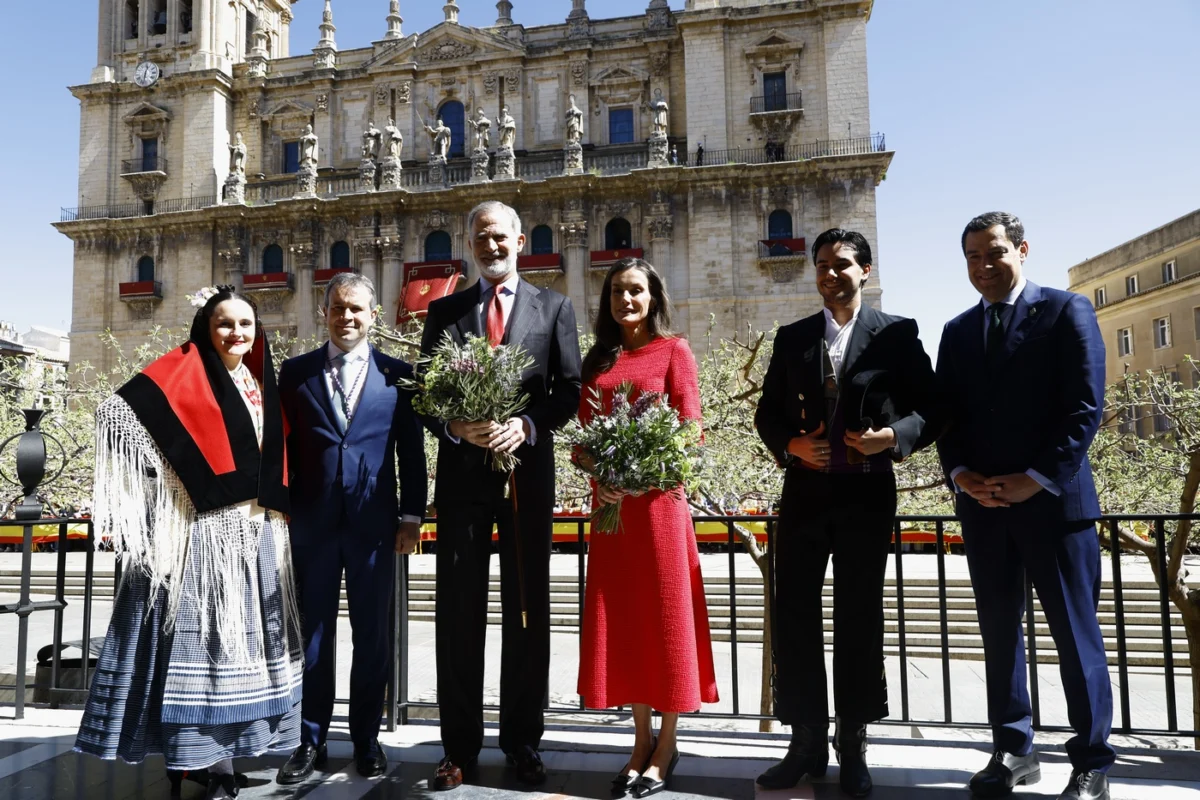
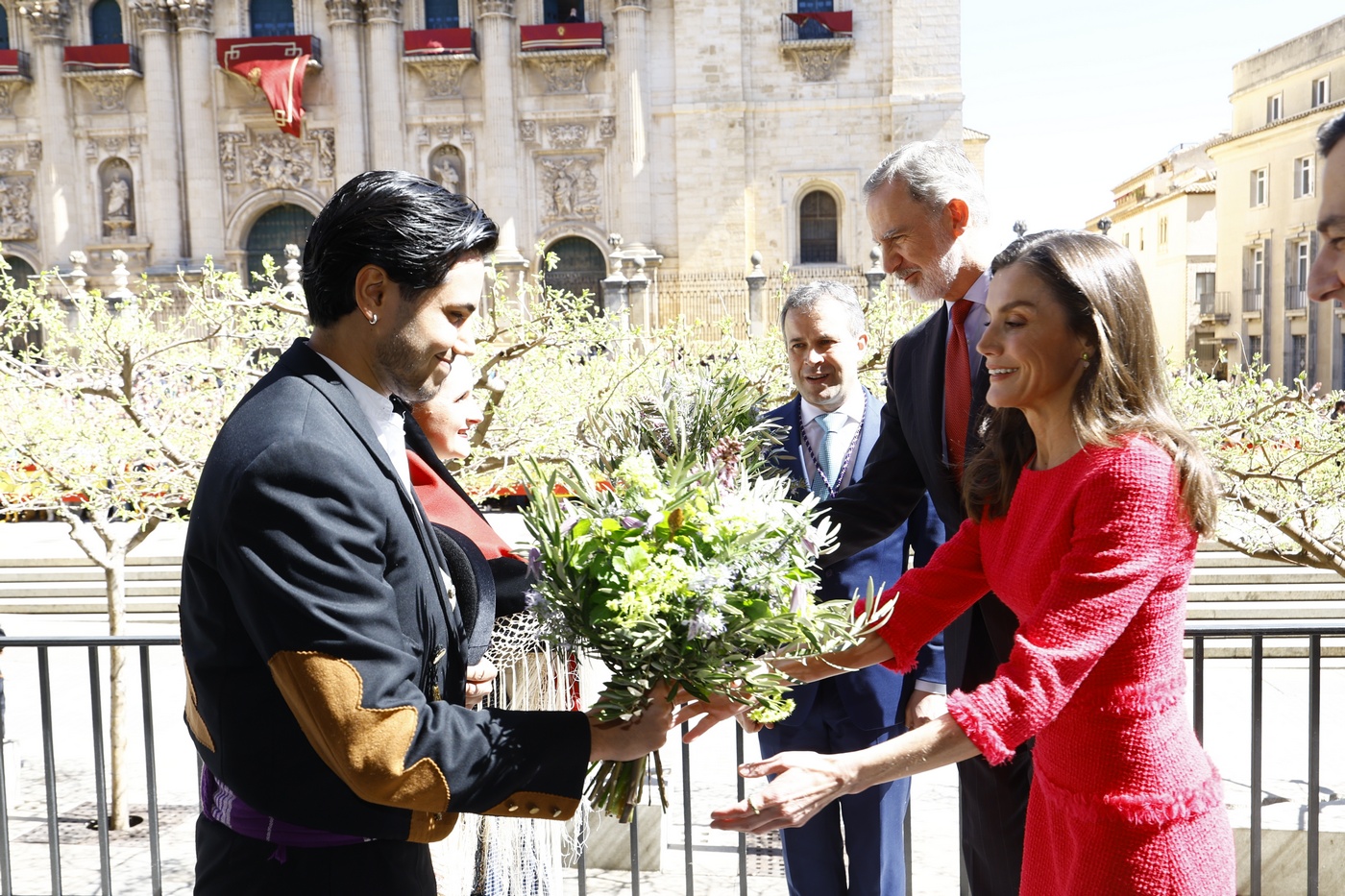
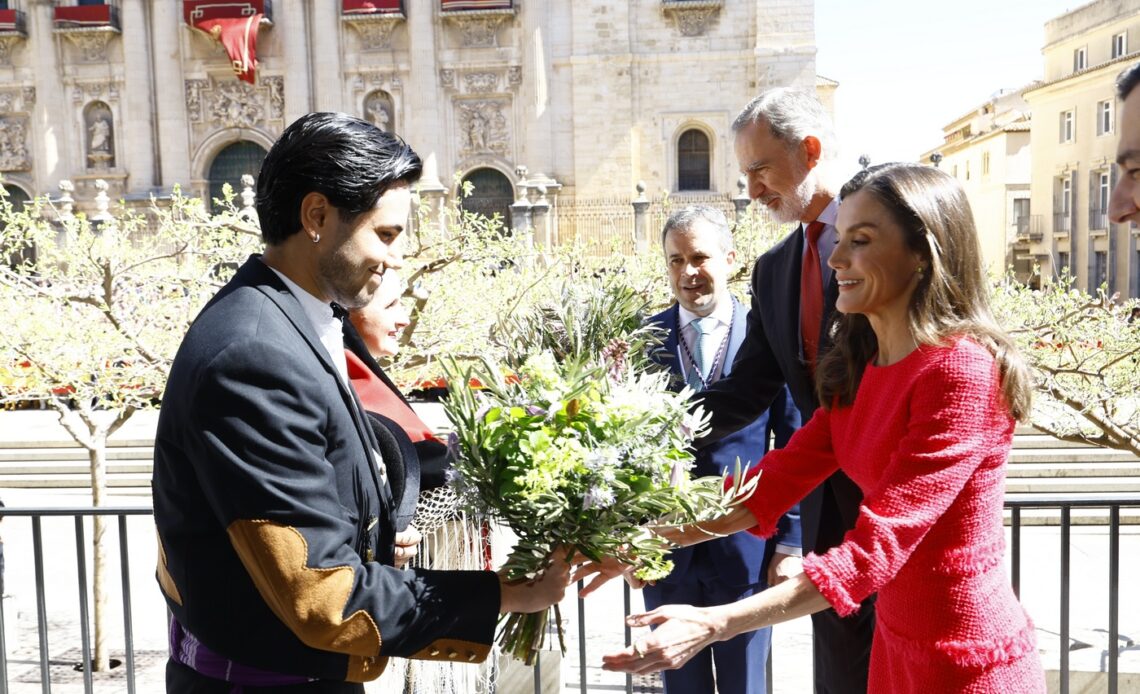
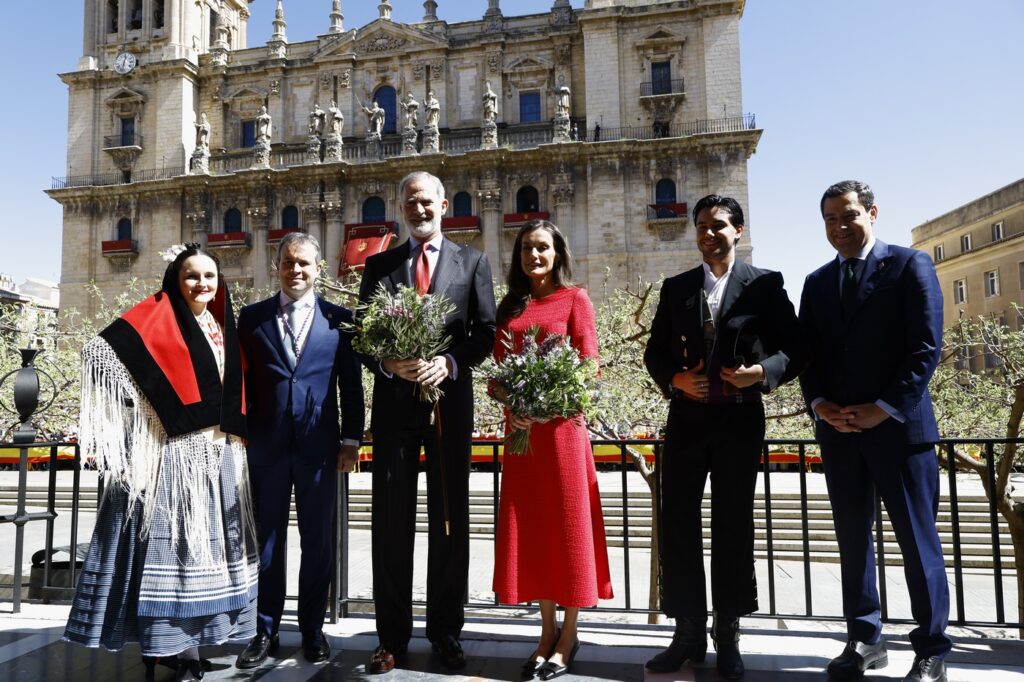
Queen Letizia of Spain, known for her discerning approach to official engagements, recently presented a noteworthy departure from her established practice by accepting a prominent bouquet of flowers during a significant visit to the city of Jaén. This act, though seemingly minor, signifies a subtle yet palpable evolution in royal protocol and personal presentation for the Queen, particularly as she and King Felipe VI participated in a grand commemoration of Jaén’s 1,200th anniversary as a regional capital. For years, Queen Letizia has consistently eschewed the traditional presentation of flowers, a customary gesture at royal events worldwide. This consistent avoidance has fueled considerable public and media speculation, with many theorizing about potential allergies, such as hay fever, as the underlying reason for her preference. However, the recent event in Jaén saw the Queen graciously receive a substantial floral arrangement, composed of local flora, signaling a potential shift or at least a willingness to embrace certain traditional royal courtesies under specific, meaningful circumstances.
A Milestone Anniversary and a Royal Presence
The visit to Jaén was intrinsically linked to a pivotal moment in the city’s long and storied history. In 825 AD, Jaén was officially designated as the capital of the region then known as Yayyan, a strategic and administrative decision that shaped its future trajectory. This 1,200th anniversary, therefore, represented a significant milestone, deserving of national recognition and the presence of the Spanish Crown. The anticipation surrounding the royal couple’s visit was palpable, underscoring the importance placed on this historical commemoration by both the local populace and the national government.
The Mayor of Jaén, Julio Millán, articulated the profound significance of the royal visit, stating, "The presence of Their Majesties, King Felipe VI and Queen Letizia, on this historic occasion is a testament to the enduring importance of Jaén and its deep roots in the history of Spain. This anniversary is not just a celebration of our past, but a reaffirmation of our identity and our aspirations for the future. We are deeply honored to welcome them to share in this momentous event." This sentiment was echoed by many residents, who lined the streets in eager anticipation of catching a glimpse of the royal couple and participating in the day’s festivities.
The Symbolism of the Floral Offering
The bouquet presented to Queen Letizia was far more than a mere token of welcome; it was a meticulously curated symbol of Jaén itself. Composed of indigenous plants native to the region, the arrangement served as a vibrant and aromatic representation of the local environment and its natural heritage. This thoughtful gesture highlighted the organizers’ intention to connect the royal visit directly with the essence of Jaén, offering the Queen a tangible experience of the area’s unique flora. The acceptance of this specific gift, with its deep local resonance, suggests a thoughtful consideration of the gesture’s meaning, moving beyond a general aversion to floral presentations.
A Day of Royal Engagement and Local Appreciation
The royal couple’s itinerary in Jaén was carefully crafted to encompass both historical reflection and engagement with the vibrant contemporary life of the city. Upon their arrival, after the symbolic presentation of the flowers, King Felipe VI was also presented with the ceremonial baton of the city council by Mayor Millán, further solidifying the formal recognition of the anniversary. This act symbolizes the city’s trust and the historical authority vested in its leadership, now being formally acknowledged by the highest representatives of the Spanish monarchy.
The day’s engagements also included a visit to the Mudejar Hall, where an exhibition dedicated to the 1,200th anniversary was on display. This exhibition likely provided historical context, showcasing artifacts, documents, and narratives that illuminate Jaén’s journey from its establishment as a capital to its present-day significance. Such exhibitions are crucial in fostering a deeper understanding of regional history and its contribution to the national narrative.
Beyond the formal ceremonies, the royal couple engaged in a walkabout through the sun-drenched streets of Jaén. This informal interaction allowed citizens to connect directly with their King and Queen, fostering a sense of proximity and shared national pride. The atmosphere was described as one of genuine enthusiasm, with many members of the public seizing the opportunity to take photographs with the royal couple, a testament to their enduring popularity and the engaging nature of the visit. Notably, Queen Letizia was observed interacting warmly with the public, even holding a baby, further humanizing the royal presence and strengthening the connection with the local community.
Gifts Reflecting Jaén’s Rich Heritage
The commemoration of Jaén’s historic anniversary was further marked by a series of thoughtful gifts presented to the royal visitors, each reflecting the region’s distinct cultural and economic strengths. These gifts included an assortment of local delicacies, such as traditional sweets, renowned for their artisanal quality and regional flavors. Furthermore, Jaén’s globally recognized olive oil, a cornerstone of the Andalusian economy and culinary tradition, was also presented, highlighting the region’s agricultural prowess.
A particularly significant gift was a lithograph by the celebrated Jaén artist, Francisco Carrillo Rodríguez. This artistic contribution not only recognized the talent within the region but also served as a lasting cultural memento of the royal visit and the anniversary celebration. Such artistic endowments are vital in promoting local culture and ensuring that artistic heritage is recognized and preserved.
A Delayed Celebration: Overcoming Adversity
The royal visit to Jaén was originally scheduled for 2025, but was postponed due to unforeseen circumstances. A significant power outage that affected large swathes of Spain and Portugal the day before the planned visit necessitated the rescheduling. This delay underscores the resilience and determination of both the organizers and the royal household to ensure that this important historical milestone was appropriately celebrated. The successful execution of the visit in its rescheduled slot highlights the meticulous planning and coordination involved in royal engagements.
The Broader Context: Royal Protocol and Public Engagement
Queen Letizia’s consistent avoidance of receiving flowers has been a recurring topic of discussion, often leading to speculation about allergies. While the precise reason remains unconfirmed, her current embrace of the floral offering in Jaén suggests a nuanced approach to royal traditions. It is plausible that the specific context of a major historical anniversary, coupled with a thoughtfully curated, locally significant floral gift, prompted a deviation from her usual practice. This adaptability demonstrates a keen awareness of the symbolic weight of such gestures and a willingness to engage with them when they serve a deeper purpose.
The increased public engagement observed during the visit, including the prevalence of selfies, reflects a broader trend in modern monarchies. Royal families are increasingly seeking to connect with their subjects on a more personal level, moving away from a strictly ceremonial distance. Queen Letizia’s warm interactions with the crowds, including holding a baby, exemplify this shift towards a more accessible and relatable royal persona. This approach can foster greater public support and reinforce the monarchy’s relevance in contemporary society.
The visit also included an exploration of the Arab Baths Cultural Centre, an institution dedicated to preserving and celebrating the archaeological heritage of the region. This engagement underscores the monarchy’s role in supporting cultural preservation and promoting historical understanding. By visiting such sites, the King and Queen lend their support to institutions that are vital for safeguarding a nation’s heritage for future generations.
Analysis of Implications
The King and Queen’s visit to Jaén for its 1,200th anniversary serves several key purposes beyond mere commemoration. Firstly, it reinforces the historical importance of regional capitals and their contribution to the national fabric. By acknowledging this milestone, the monarchy signals its recognition of Spain’s diverse regional histories and identities. Secondly, the visit acts as an economic stimulus for the region, drawing national attention and potentially encouraging tourism and investment. The presence of the royal family invariably garners media coverage, which can highlight the attractions and offerings of a particular locale.
Furthermore, the subtle shift in Queen Letizia’s protocol regarding the acceptance of flowers, while seemingly minor, can be interpreted as a strategic move to enhance her public image. It suggests a growing confidence and comfort in her role, allowing for flexibility in adhering to certain traditions when they align with the spirit of an occasion. This adaptability can make the monarchy appear more dynamic and responsive to evolving societal expectations. The successful execution of the visit, despite the earlier postponement, also demonstrates the efficiency and professionalism of the Spanish Royal Household in managing complex logistical arrangements. The focus on local produce, art, and heritage during the gift exchange further aligns the monarchy with national pride and regional distinctiveness, a crucial element in maintaining broad public appeal.


 Yuyun Lusiyani
 Joko Widodo
 Jia Lissa
 Pevita Pearce
 admin
admin