
 Eva Lovia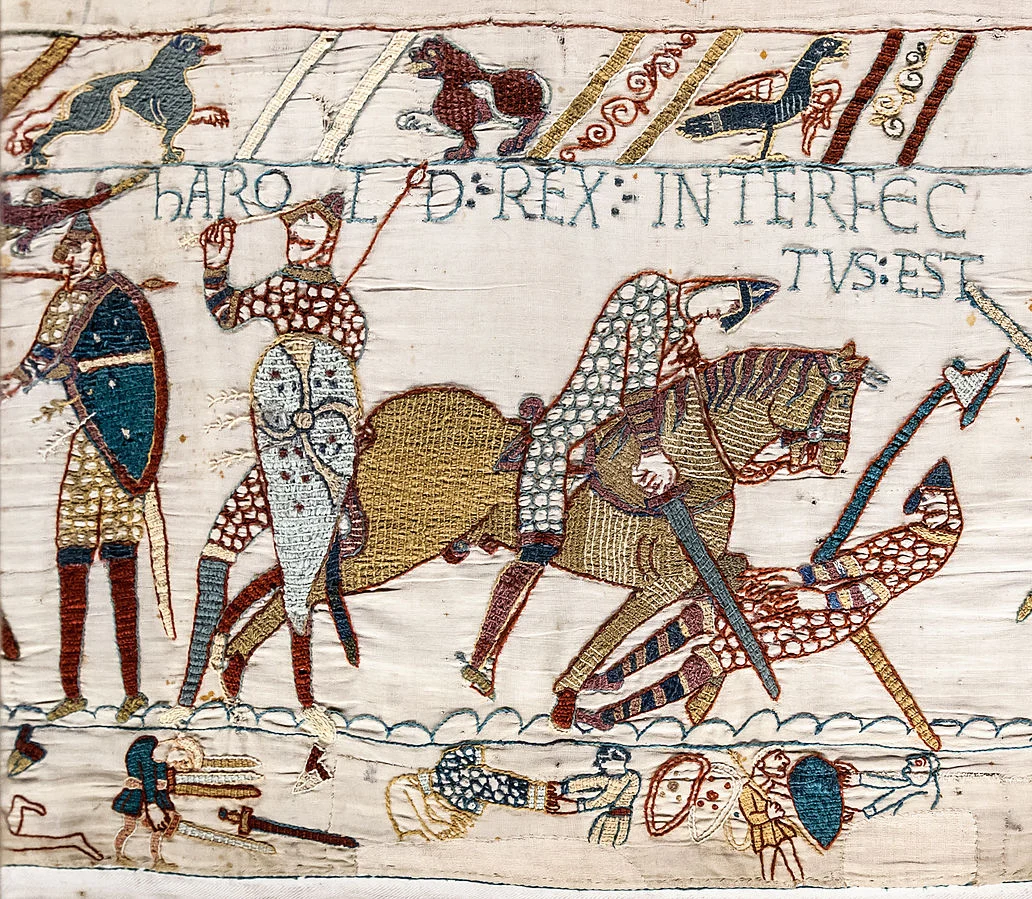
The Bayeux Tapestry, an unparalleled embroidered cloth depicting the Norman conquest of England, is poised to make its first journey to British shores in nearly a millennium, a move fraught with logistical challenges and underscored by an extraordinary level of security. Scheduled to be the centrepiece of a major exhibition at the British Museum, the 70-metre-long masterpiece, dating back to the late 11th century, will travel from its permanent home in Bayeux, France, to London. Initial reports suggest a significant portion of this perilous voyage will be undertaken via the Channel Tunnel, placing the ancient artefact approximately 75 metres beneath the seabed.
The announcement of this loan, confirmed by French President Nicolas Sarkozy, has ignited widespread excitement, with projections suggesting over a million visitors could flock to the British Museum to witness this iconic piece of royal history. Tickets are not yet on sale, but the anticipated demand reflects the profound historical and cultural significance of the tapestry. However, alongside the anticipation, growing concerns have emerged regarding the immense undertaking of transporting such a delicate and priceless artefact.
The tapestry’s journey, shrouded in secrecy, is being meticulously planned to mitigate any potential risks. The Sunday Times has reported that the decision has been made for the tapestry to travel by train through the Channel Tunnel, a method chosen to minimise the jarring impacts associated with road travel, such as potholes and uneven surfaces, which could prove detrimental to the fragile embroidery. This subterranean passage, while innovative, highlights the lengths to which organisers are going to ensure the tapestry’s safe arrival.
The very nature of the Bayeux Tapestry, a narrative woven from woollen threads on linen, renders it acutely susceptible to environmental fluctuations. Experts have voiced concerns about the potential impact of changes in temperature and humidity during transit and display. Consequently, stringent environmental controls are being implemented throughout the entire process, from its temporary removal from its accustomed climate-controlled environment in Bayeux to its exhibition in London. The tapestry has been off display for several months, undergoing crucial restoration and inspection work by a team of conservators, ensuring it is in the best possible condition for its monumental relocation.
A Chronicle of Conquest: The Tapestry’s Historical Context
The Bayeux Tapestry is more than just an artwork; it is a visual chronicle, a propaganda piece commissioned to solidify the narrative of William the Conqueror’s ascendance to the English throne. Believed to have been created in England shortly after the events it depicts, its primary purpose was to legitimize William’s claim and celebrate his victory at the Battle of Hastings in 1066.
The historical backdrop is one of dynastic dispute and military upheaval. Edward the Confessor, the childless Anglo-Saxon king, had reportedly promised the throne to his cousin, William, Duke of Normandy. However, upon Edward’s death in January 1066, the powerful English Earl Harold Godwinson was crowned King Harold II. This succession dispute set the stage for a monumental clash.
William amassed a formidable invasion force and sailed for England, landing in the south in early October 1066. The pivotal Battle of Hastings ensued on October 14th, a brutal confrontation that culminated in the death of Harold and the decisive victory for William. The tapestry meticulously details the events leading up to the invasion, the landing of Norman forces, the ferocity of the battle, and the subsequent imposition of Norman rule.
The Visual Narrative: Key Scenes and Significance
Stretching an astonishing 69.8 metres (229 feet) in length and standing 50 centimetres (20 inches) tall, the tapestry is divided into 72 scenes, each accompanied by Latin inscriptions (tituli) that explain the depicted events. Its narrative unfolds from left to right, a continuous flow of action meticulously embroidered with coloured woollen threads.
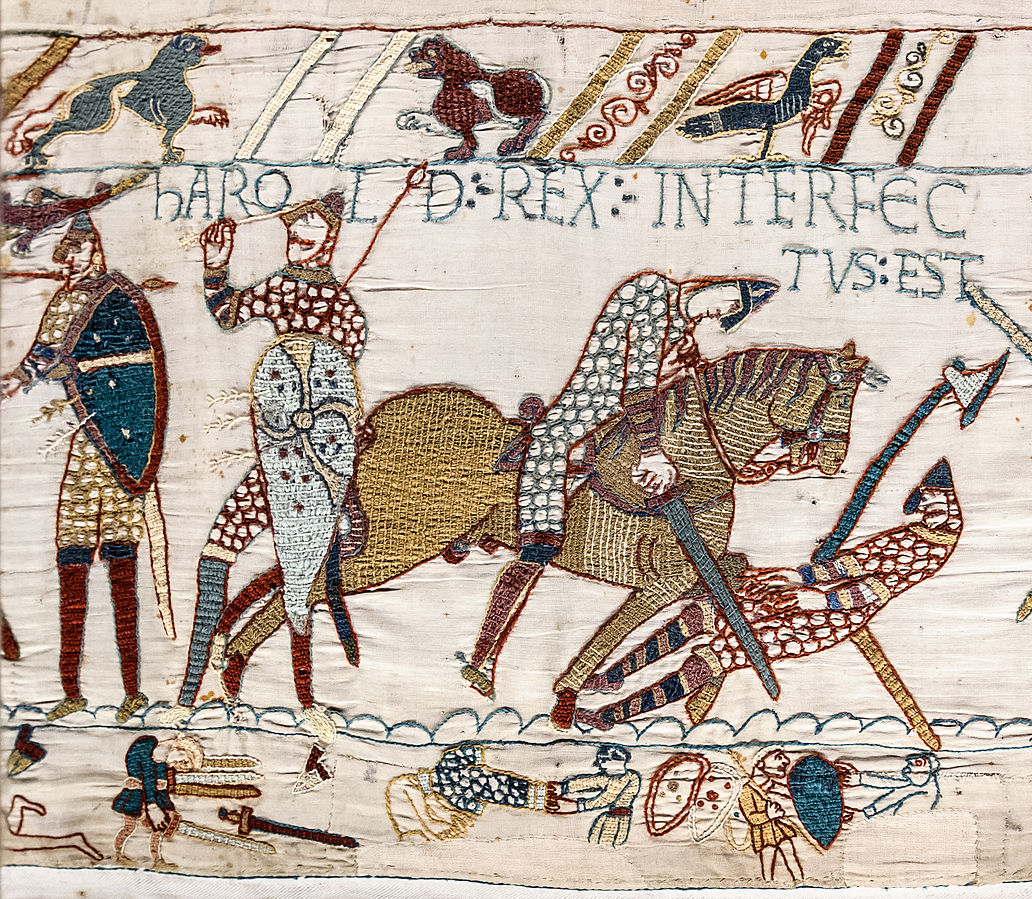
Among its most famous and debated panels is the depiction of Harold’s death, often interpreted as him being struck in the eye by an arrow. This scene, central to the tapestry’s dramatic arc, underscores the finality of Harold’s reign and the triumph of William. The tapestry is replete with scenes of military strategy, cavalry charges, infantry clashes, and even the construction of fortifications, offering invaluable insights into 11th-century warfare and society. Beyond the battlefield, it captures moments of political intrigue, royal processions, and the daily lives of the people, providing a rich tapestry of medieval existence.
Exhibition Plans: A New Perspective for a Timeless Work
The British Museum’s exhibition promises a novel way for the public to engage with the tapestry. Unlike its traditional display in Bayeux, where it is presented in a U-shaped configuration, the London exhibition will showcase the entire artwork in a single, elongated line. This approach aims to allow visitors to experience the full sweep of its narrative without interruption.
The visitor experience is designed to build anticipation and provide context. Patrons will first enter a mezzanine level, offering a panoramic overview of the tapestry’s immense scale and scope. From this vantage point, they will then descend to a lower level for a more intimate encounter, allowing them to examine the intricate details of the embroidery up close. This dual-perspective approach is intended to deepen understanding and appreciation of the masterpiece.
Logistical Challenges and Security Measures
The transportation of such a fragile artefact across international borders presents a unique set of challenges. The decision to utilise the Channel Tunnel for a significant portion of the journey highlights the organisers’ commitment to prioritising the tapestry’s preservation. The train is expected to travel approximately 75 metres below the English Channel, a feat of engineering that also serves as a secure conduit for the precious cargo.
The specifics of the movement are being kept under the tightest wraps, a testament to the unparalleled security protocols in place. The tapestry is considered a national treasure by France, and its loan to the UK is a gesture of significant diplomatic and cultural importance. This heightened security is not only to prevent theft but also to safeguard against any potential damage during transit and handling.
A Reciprocal Cultural Exchange
The loan of the Bayeux Tapestry is part of a broader cultural exchange agreement between France and the United Kingdom. In return for the privilege of displaying the tapestry, the British Museum is lending a selection of its own significant artefacts to French institutions. These include items from the renowned Sutton Hoo hoard, offering a glimpse into Anglo-Saxon England’s rich artistic and material culture, as well as some of the enigmatic 7th-century Lewis chess pieces. This reciprocal arrangement underscores the shared heritage and ongoing collaboration between the two nations in preserving and celebrating global history.
The Stakes of Preservation: Ensuring a Future for an Ancient Masterpiece
The concerns surrounding the tapestry’s transport are not unfounded. Historical artefacts, particularly those made of organic materials like wool and linen, are inherently vulnerable. Factors such as light exposure, humidity, temperature fluctuations, and physical stress can all contribute to degradation over time. The tapestry has already survived centuries of history, but its journey to London represents its longest and potentially most arduous voyage in modern times.
The conservation efforts undertaken prior to its departure are crucial. These may involve meticulous cleaning, reinforcement of weakened areas, and the development of specialised display mounts that minimise stress on the fabric. The exhibition itself will be subject to strict light management protocols, with limited daily exposure to prevent fading and further damage.
Broader Implications: A Moment of Transnational Heritage
The arrival of the Bayeux Tapestry in London is more than just an exhibition; it is a significant cultural event with broader implications. It offers a unique opportunity for the British public to connect directly with a pivotal moment in their nation’s history, viewed through the eyes of their conquerors. The tapestry serves as a tangible link to the Norman Conquest, a period that profoundly shaped the English language, legal system, and social structure.
Furthermore, the exhibition highlights the evolving nature of international cultural diplomacy. The successful negotiation of such a loan, involving unprecedented security and logistical considerations, demonstrates a commitment to shared cultural heritage and collaborative preservation efforts. It sets a precedent for future international loans of equally significant artefacts, fostering greater understanding and appreciation of diverse historical narratives. The anticipation surrounding this event underscores the enduring power of historical artefacts to captivate, educate, and unite audiences across borders, reminding us of the shared human story that transcends national boundaries. The careful planning and execution of this monumental journey will undoubtedly be scrutinised, but its successful conclusion promises to be a landmark moment in the annals of cultural exchange.



 Yuyun Lusiyani
 Joko Widodo
 Pevita Pearce
 admin
admin
 Lina Irawan