
 admin
admin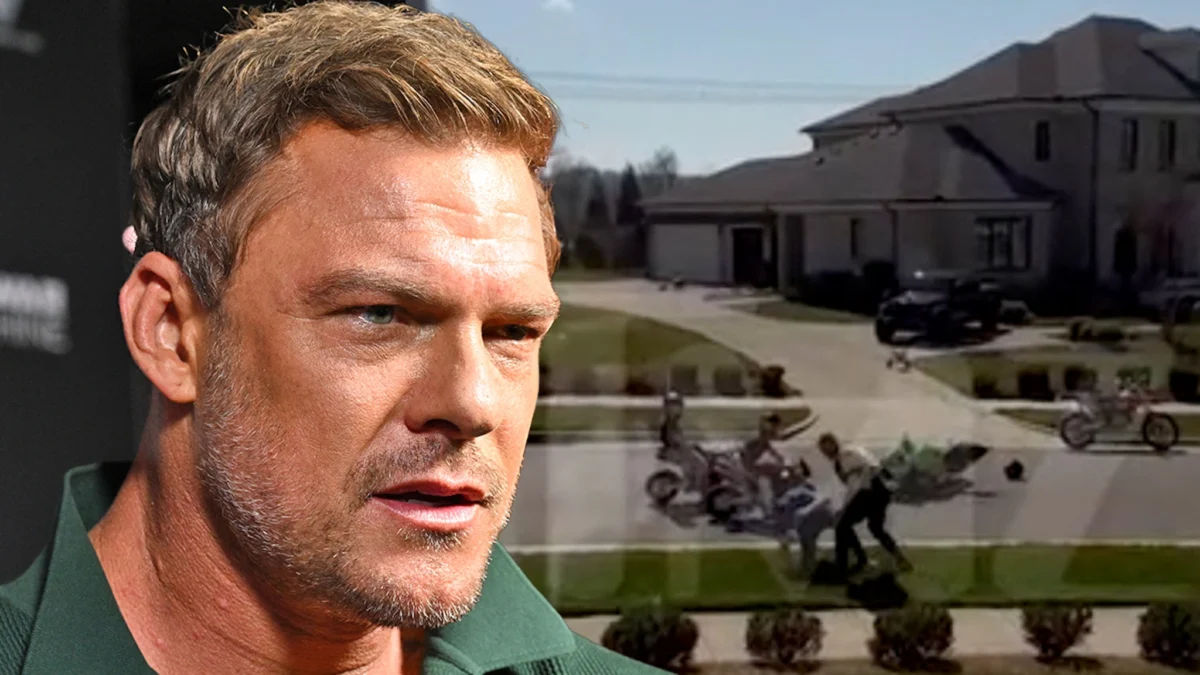
Reports emerging from Brentwood, Tennessee, on March 23, 2026, detail a violent confrontation involving actor Alan Ritchson, widely recognized for his titular role in Amazon Prime Video’s hit series "Reacher." Sources close to Ritchson contend that the altercation, which culminated in a widely circulated video showing the actor physically subduing his neighbor, was not instigated by Ritchson himself. Instead, these sources assert that the actor was twice assaulted and knocked off his motorcycle by his neighbor, identified as Ronnie Taylor, prior to the recorded incident. This narrative sharply contrasts with the neighbor’s claims of excessive speeding, painting a complex picture of escalating neighborhood tensions.
A Detailed Chronology of Events
The incident reportedly unfolded on a Sunday afternoon in the affluent suburban community of Brentwood, a city renowned for its spacious homes, verdant landscapes, and generally tranquil atmosphere, located just south of Nashville. According to witnesses and sources allied with Alan Ritchson, the actor was engaged in a seemingly innocuous family outing, riding his motorcycle down a residential street. He was reportedly ahead of his two children, who were following on mini bikes, suggesting a leisurely pace rather than a high-speed transgression.
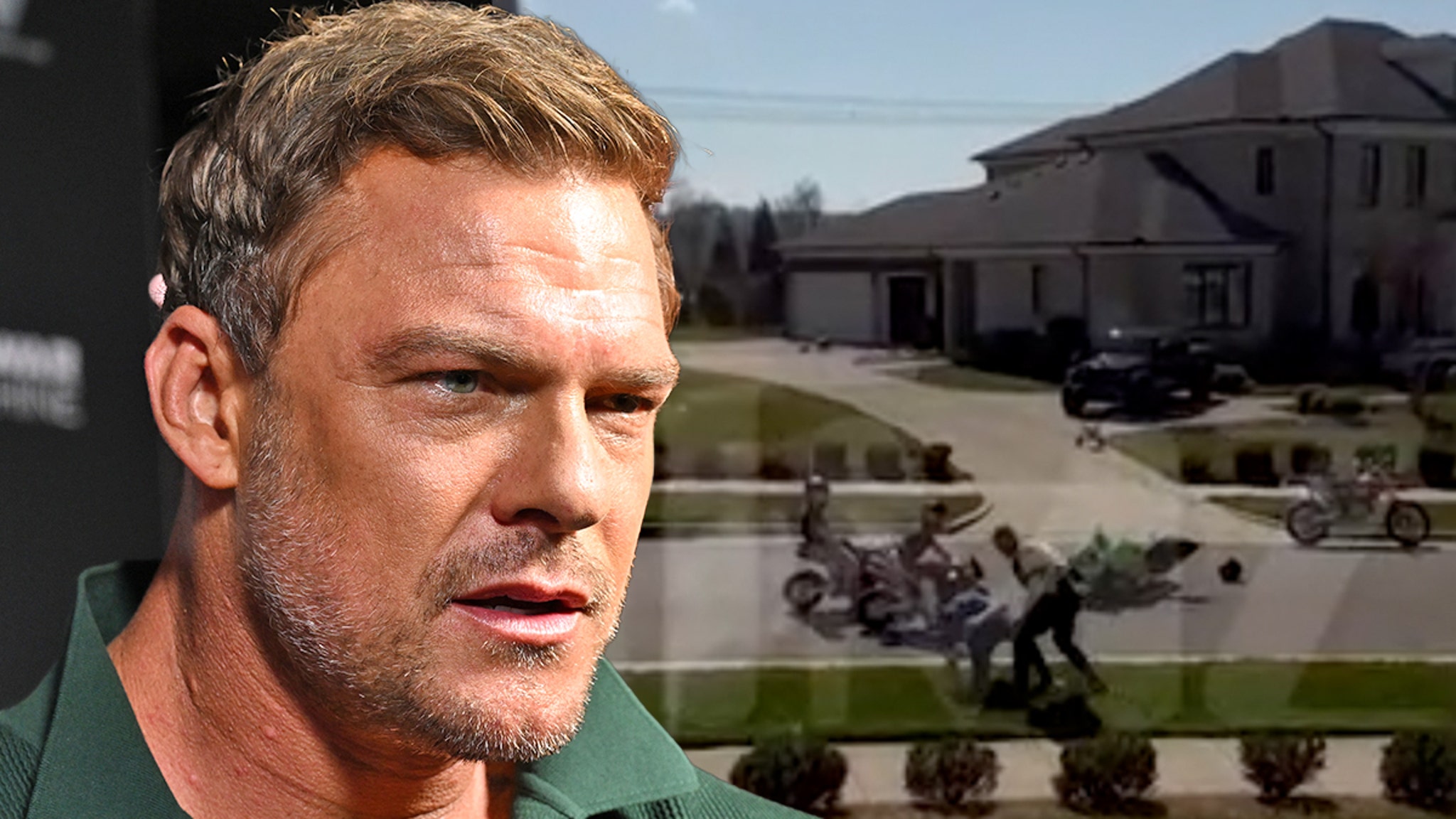
The initial flashpoint occurred when Ronnie Taylor, the neighbor, allegedly "bolted into the street" in what sources describe as a "really aggressive" manner, attempting to intercept Ritchson’s motorcycle. This sudden and forceful intervention reportedly caused Ritchson to lose control of his bike, resulting in a crash. The impact of the fall inflicted cuts and bruises upon the actor, along with a minor injury to his finger, as confirmed by sources. The abruptness of this initial confrontation and its physical consequences for Ritchson are central to the actor’s defense against claims of instigation.
Following the crash, while Ritchson was still on the ground, sources indicate that Taylor continued his aggressive posture, reportedly daring the actor to retaliate while yelling at him. At this juncture, Ritchson, despite his injuries and the provocation, reportedly attempted to de-escalate the volatile situation. He did not "take the bait," according to his associates, and instead sought to disengage by remounting his motorcycle with the intention of leaving the scene. This attempt at withdrawal, however, was allegedly met with further aggression.
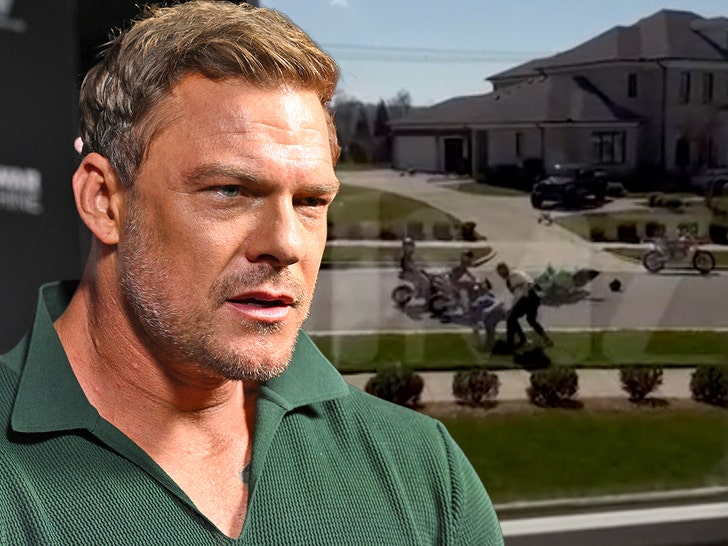
As Ritchson tried to depart, Taylor is said to have shoved him to the ground for a second time. It was this second physical assault, after Ritchson had already been knocked off his bike once and was attempting to leave, that reportedly triggered the actor’s forceful response. The subsequent events, wherein Ritchson is seen "beating the crap out of his neighbor," were captured on video, which TMZ later published, bringing the private neighborhood dispute into the harsh glare of public scrutiny. The video depicts Ritchson physically overwhelming Taylor before the actor, along with his children, eventually departed the scene.
Conflicting Narratives Emerge
The aftermath of the incident has seen two distinct and clashing narratives emerge, each attempting to frame the event from a particular vantage point. Understanding these differing accounts is crucial for a comprehensive grasp of the situation.
The Actor’s Account: Self-Defense Against Aggression
Sources close to Alan Ritchson have consistently maintained that the actor was the victim of unprovoked aggression. Their narrative emphasizes Taylor’s alleged actions as the primary catalyst for the confrontation. The sequence of events – Taylor’s aggressive interception, the initial crash, Ritchson’s attempt to de-escalate and leave, and the subsequent second shove – is presented as a clear progression of an unbidden attack. The assertion that Taylor "initiated and instigated" the entire event is a cornerstone of Ritchson’s position. This perspective suggests that Ritchson’s physical response was a defensive measure, taken only after he had been twice physically assaulted and found himself unable to retreat peacefully. The presence of his children, who were reportedly following him, could also be inferred as a factor in his decision to protect himself and ensure their safety by ending the threat.
The Neighbor’s Justification: Public Safety Concerns
In stark contrast, Ronnie Taylor, the neighbor involved, offered a different rationale for his actions when speaking to the media. Taylor claimed that Ritchson had been riding his motorcycle through the neighborhood at "excessive speeds" for two consecutive days leading up to the confrontation. He stated that he finally decided to confront Ritchson about these "dangerous motorcycle habits" on Sunday, believing it was necessary to address a perceived threat to neighborhood safety. From Taylor’s perspective, his intervention was a direct response to Ritchson’s alleged reckless behavior, and the ensuing "violent altercation" was a consequence of that confrontation. While Taylor’s account acknowledges the confrontation, it implies a justification for his initial actions, painting himself as someone concerned with community well-being rather than an aggressor.
The discrepancy between these accounts underscores the difficulty in ascertaining the precise truth in such highly charged situations, especially when limited video evidence only captures a portion of the total event.
Legal Framework and Potential Implications
The incident, now under investigation by local law enforcement, carries significant legal ramifications for all parties involved. Understanding the legal landscape, particularly concerning self-defense and assault laws in Tennessee, is vital for interpreting the potential outcomes.
Understanding Self-Defense Laws in Tennessee
Tennessee law, like that of many states, recognizes the right to self-defense. Generally, an individual is justified in using a reasonable amount of force, including deadly force under certain circumstances, to protect themselves or a third party from the imminent use of unlawful force. Key elements typically considered in self-defense claims include:
- Imminence: The threat of harm must be immediate.
- Reasonableness: The force used must be proportionate to the perceived threat.
- Lack of Provocation: The person claiming self-defense generally should not have been the initial aggressor. However, even an initial aggressor can regain the right to self-defense if they clearly withdraw from the conflict and the other party continues to attack.
- Duty to Retreat: In Tennessee, there is no longer a general duty to retreat from an attacker if one is in a place where they have a lawful right to be (a "stand your ground" law).
In Ritchson’s case, the assertion that he was twice knocked to the ground and attempted to leave before retaliating could strongly support a claim of self-defense. If proven that Taylor was the aggressor and Ritchson used only the force necessary to neutralize the threat after attempts to disengage, his actions might be deemed lawful.
Potential Legal Ramifications for Both Parties
Currently, law enforcement officials have confirmed that they are investigating the incident, but no arrests have been made. This suggests a careful and methodical approach to gathering evidence and witness testimonies.
- For Ronnie Taylor: If the investigation supports Ritchson’s account, Taylor could face charges ranging from simple assault to aggravated assault, depending on the severity of Ritchson’s injuries and the perceived intent behind Taylor’s actions. Property damage charges related to Ritchson’s motorcycle could also be considered. The act of "bolting into the street to try to stop Alan’s bike in a ‘really aggressive’ manner" and subsequently shoving him to the ground twice could constitute unlawful physical contact and endangerment.
- For Alan Ritchson: While Ritchson’s actions in the video appear forceful, a strong self-defense argument could mitigate any potential charges against him. If investigators conclude that he was responding to an unprovoked attack after attempting to retreat, he might not face criminal charges. However, if the force used is deemed excessive given the circumstances, or if Taylor’s claims of Ritchson’s "dangerous motorcycle habits" are substantiated and found to have provoked the initial confrontation, Ritchson could potentially face assault charges himself. Additionally, Taylor could pursue a civil lawsuit against Ritchson for damages related to his injuries.
The outcome will heavily depend on eyewitness accounts, additional video evidence (if any), and the nuanced interpretation of self-defense laws by prosecutors. The fact that Ritchson has been cooperative with the police is a positive factor in his favor.
Community Impact and Celebrity Scrutiny
The incident has reverberated through the Brentwood community and beyond, attracting significant media attention due to Ritchson’s celebrity status.
Brentwood: A Quiet Enclave Stirred by Conflict
Brentwood, TN, is typically known for its peaceful, family-oriented environment. It boasts a low crime rate and a strong sense of community. Incidents of this nature, particularly those involving physical altercations between neighbors, are uncommon and tend to generate considerable local discussion. The involvement of a high-profile actor adds an unprecedented layer of complexity, forcing the community to grapple with how such disputes can escalate, even in seemingly idyllic settings. The differing accounts might create divisions among residents, some potentially siding with Taylor’s concern for safety, others empathizing with Ritchson’s alleged need for self-preservation. This incident serves as a stark reminder that even affluent and serene neighborhoods are not immune to personal conflicts that can spiral out of control.
The Glare of the Public Eye: Alan Ritchson’s Image
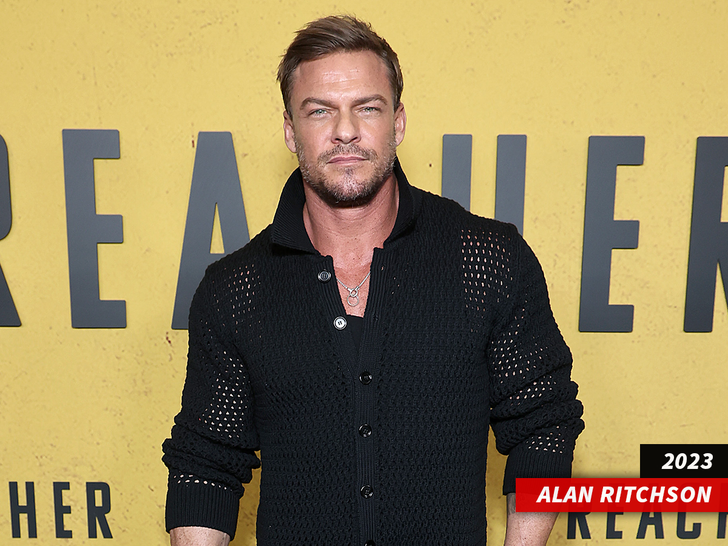
For Alan Ritchson, whose career has seen a significant boost with the success of "Reacher," an incident of this magnitude brings intense public and media scrutiny. Ritchson’s portrayal of Jack Reacher, a character known for his imposing physical presence and propensity for delivering swift justice, creates an interesting parallel to the real-life altercation. While audiences might appreciate Ritchson’s ability to embody a powerful character on screen, real-world violence, even in self-defense, is viewed through a different lens.
Public perception can be fickle. On one hand, some fans might admire Ritchson for standing his ground, especially if the self-defense narrative is widely accepted. On the other hand, any involvement in a physical altercation, particularly one caught on video, can negatively impact an actor’s public image, potentially affecting endorsement deals or future roles, regardless of legal culpability. Public relations teams often work tirelessly to manage such crises, emphasizing cooperation with authorities and highlighting the client’s side of the story. The narrative that Ritchson was attempting to protect himself and his children, and only acted after repeated provocation, will be crucial in shaping public opinion.
Broader Context of Neighbor Disputes
Neighbor disputes are a common occurrence in residential areas across the globe, often stemming from issues such as property lines, noise complaints, pet behavior, or, as alleged here, perceived dangerous conduct. While many are resolved through dialogue, mediation, or minor concessions, a significant percentage can escalate, sometimes leading to legal battles or, in extreme cases, physical altercations. Data from local law enforcement agencies consistently show that disputes between neighbors account for a notable portion of calls for service, highlighting the challenges of coexisting in close proximity.
The Ritchson-Taylor incident serves as a high-profile illustration of how easily such conflicts can spiral. The lack of effective communication, coupled with a perceived disregard for established norms or safety, can quickly transform minor grievances into major confrontations. This case may prompt discussions on community conflict resolution strategies, the role of law enforcement in early intervention, and the personal responsibility of individuals to manage anger and seek peaceful solutions.
The Road Ahead: Investigations and Public Perception
As of the latest reports, the investigation into the Brentwood altercation is ongoing. Law enforcement officials will be meticulously collecting evidence, interviewing all available witnesses, and reviewing any additional video footage that may exist. The detailed accounts from "sources close to the actor" and Ronnie Taylor’s counter-claims will be weighed against the objective evidence.
The outcome of this investigation will not only determine potential legal consequences for Ritchson and Taylor but also significantly influence public perception of the event. Should Ritchson’s self-defense narrative be corroborated, it could strengthen his public standing, affirming his character. Conversely, if evidence suggests otherwise, or if Taylor’s claims gain more traction, Ritchson could face a more challenging road ahead in terms of public image rehabilitation. Regardless of the legal findings, the incident underscores the intense scrutiny that accompanies celebrity status and the complex dynamics inherent in neighborhood disputes when they take a violent turn. The community of Brentwood, and the public at large, will be closely watching as further details emerge and the investigation progresses towards its conclusion.


 Yuyun Lusiyani
 Joko Widodo
 Eva Lovia
 Pevita Pearce

 Lina Irawan