
 admin
admin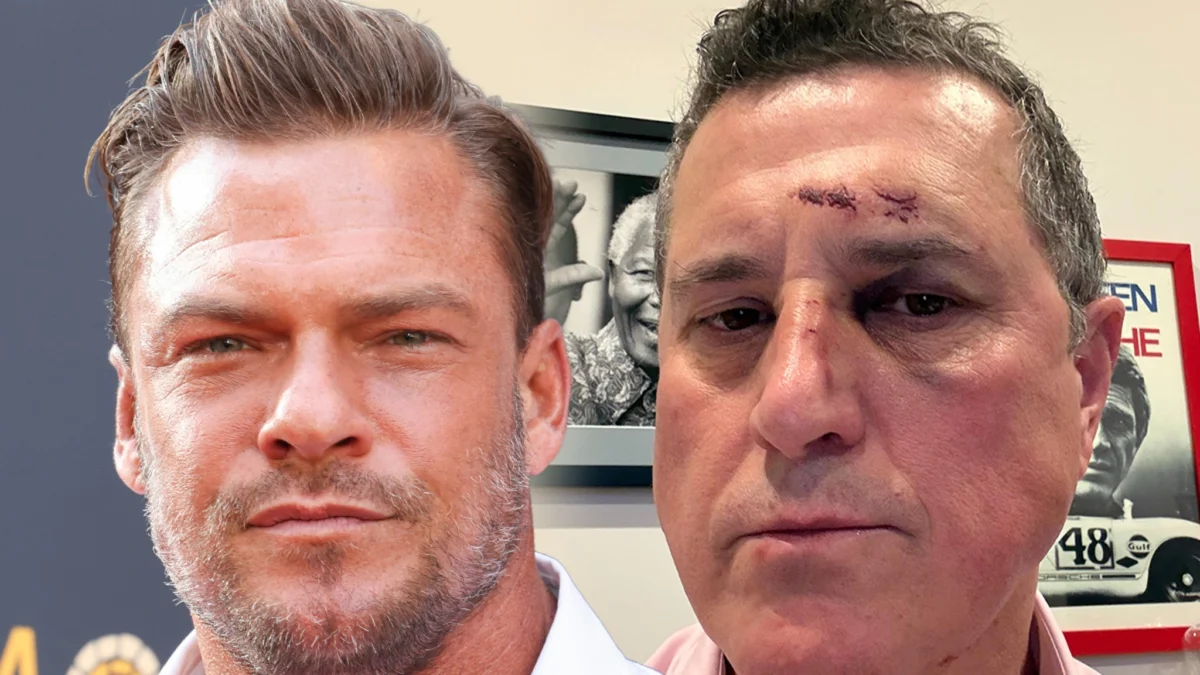
Ronnie Taylor, the Brentwood, Tennessee, resident involved in a recent physical altercation with actor Alan Ritchson, has reportedly become the target of a relentless campaign of online and telephonic harassment, with over 100 threats, some explicitly wishing for his death. This escalation of events follows a widely publicized incident where Taylor confronted Ritchson, known for his titular role as Jack Reacher, over alleged speeding in their shared neighborhood, culminating in a physical confrontation that the Brentwood Police Department later deemed an act of self-defense by Ritchson. The disturbing barrage of threats highlights the volatile intersection of celebrity culture, fan loyalty, and the pervasive nature of online harassment.
Escalation of Harassment: Taylor’s Ordeal
According to statements made by Ronnie Taylor, the past week has seen an alarming surge in hostile communications directed at him. These threats, numbering in excess of one hundred, have manifested through both text messages and anonymous phone calls from blocked numbers. The content of these messages and calls ranges from explicit death threats to highly personal attacks, indicating a deeply disturbing level of animosity from individuals identifying as fans of the ‘Reacher’ star.
Taylor recounted several particularly chilling examples of the threats he has received. One caller, operating from a blocked number, allegedly stated a desire to see Taylor confront Ritchson’s motorcycle again, expressing a wish to "watch Ronnie breathe out of a tube" – a clear implication of severe, potentially fatal injury. Another anonymous caller reportedly threatened to "put him in a wheelchair," suggesting a desire for permanent incapacitation. The text messages have been equally vitriolic, with one simply reading, "Die, die, die." Perhaps even more insidious was a second text that crossed into deeply personal territory, declaring, "I hope your wife divorces you and your kids never speak to you again and you die a horrible death." Such threats extend beyond mere anger, delving into psychological torment and a desire for the complete ruination of Taylor’s life.
The sheer volume and aggressive nature of these communications suggest a coordinated or at least highly motivated effort by a segment of Ritchson’s fanbase. This phenomenon underscores a concerning trend in contemporary fan culture, where the perceived transgressions against a beloved public figure can incite disproportionate and often criminal reactions from their ardent supporters, frequently shielded by the anonymity of the internet.
The Genesis of Conflict: A Street Encounter in Brentwood
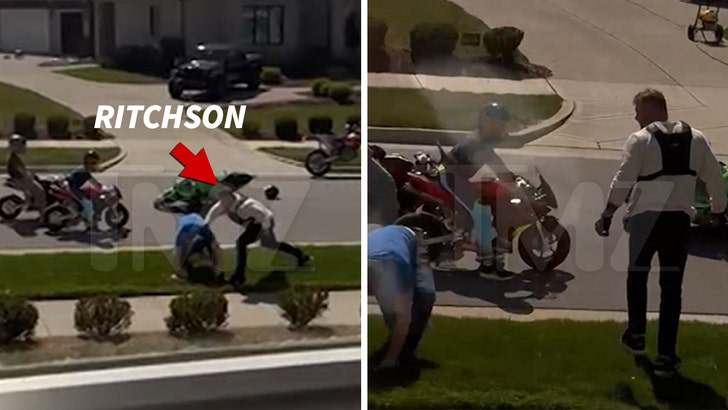
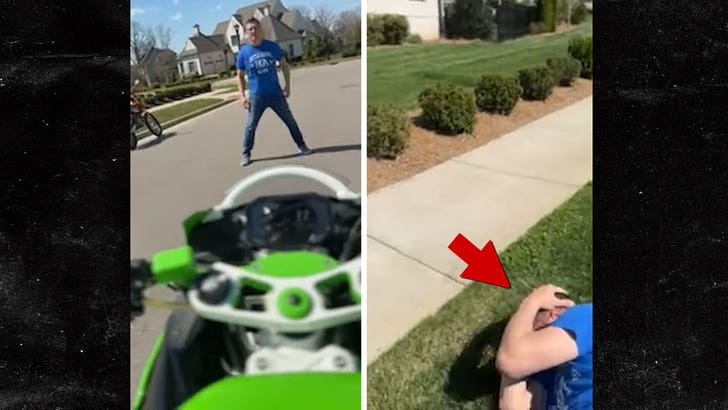
The current wave of harassment against Ronnie Taylor is a direct consequence of an incident that unfolded on Sunday, March 23, 2026, on the quiet streets of Brentwood, Tennessee. The confrontation began when Taylor, a resident of the affluent Nashville suburb, reportedly attempted to intercept Alan Ritchson, who was operating a motorcycle and allegedly speeding through the residential area. Taylor’s purported intention was to curb what he perceived as reckless driving that endangered neighborhood safety.
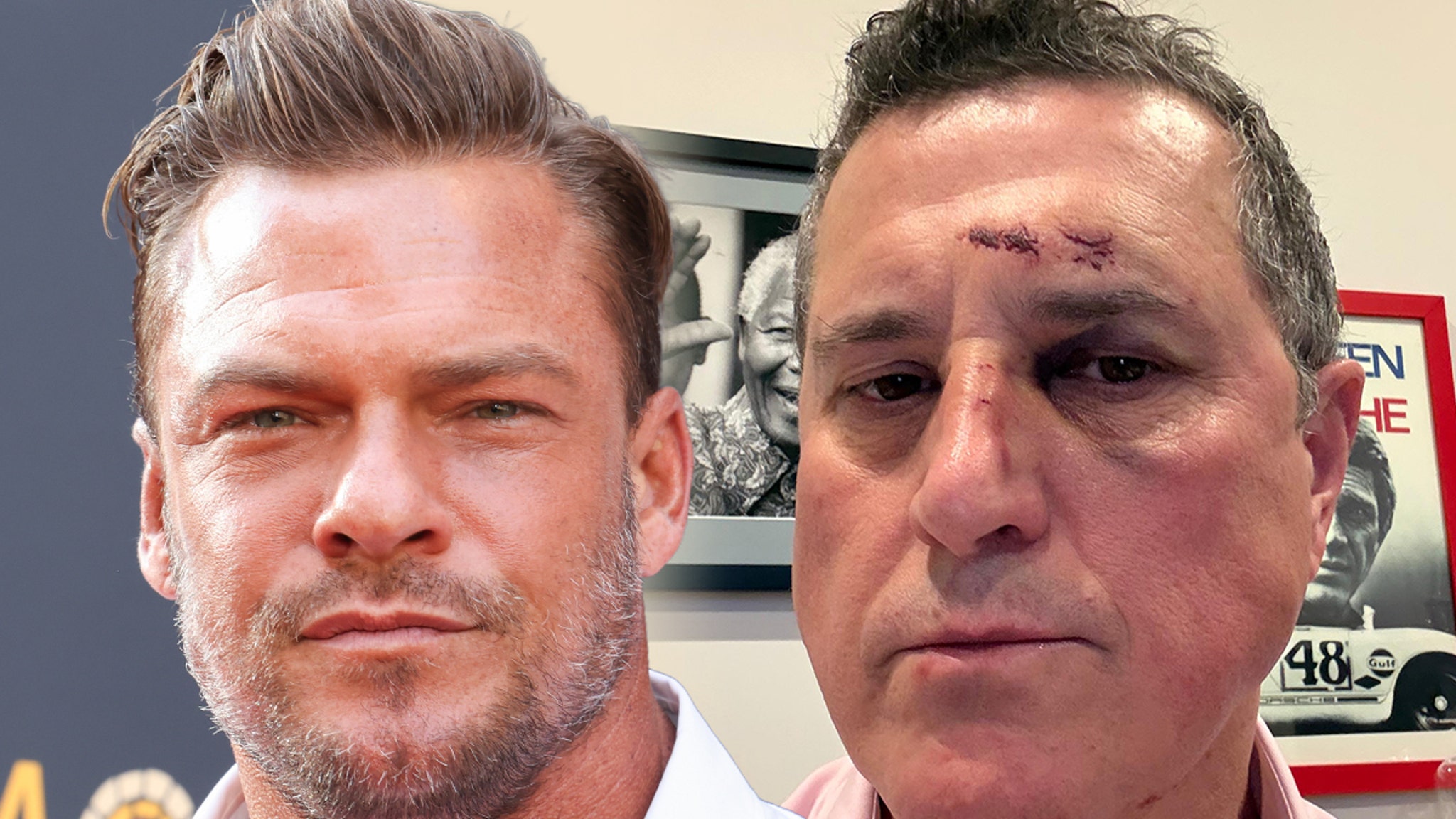
The encounter quickly escalated into a physical altercation, a "battle royale" as it was described by early reports, which was captured on video. While the precise details of the confrontation remain subjects of public discussion, the core narrative suggests Taylor’s intervention led to a physical struggle between the two men. Images and footage from the scene circulated rapidly, fueling public interest and debate. The incident garnered significant attention not only due to Ritchson’s celebrity status, particularly his portrayal of the formidable Jack Reacher—a character known for his uncompromising approach to justice and physical prowess—but also because of the unusual nature of a street brawl involving a Hollywood actor and his neighbor.
The incident quickly drew the attention of local law enforcement. Officers from the Brentwood Police Department responded to the scene to investigate the circumstances surrounding the physical altercation. Their inquiry involved interviewing both parties, reviewing any available evidence, including the aforementioned video footage, and assessing the sequence of events that led to the confrontation.
Law Enforcement’s Initial Verdict
Following a thorough investigation, the Brentwood Police Department issued a formal statement regarding the altercation between Alan Ritchson and Ronnie Taylor. The police determined that Alan Ritchson had acted in self-defense during the incident. Consequently, no formal charges were brought against the actor. This decision effectively cleared Ritchson of any wrongdoing in the physical confrontation itself, legitimizing his actions under the self-defense statutes applicable in Tennessee.
The police finding was a critical turning point. While it exonerated Ritchson from legal culpability for the physical aspect of the incident, it inadvertently amplified the narrative among his fans that Taylor was solely responsible for instigating the conflict and deserved any consequences that followed. This official validation of Ritchson’s actions appears to have emboldened his supporters, contributing to the aggressive online campaign against Taylor.
The swift resolution by law enforcement regarding the physical incident, while legally sound, did not account for the potential for subsequent digital vigilantism. It left Taylor in a precarious position, having faced a physical confrontation and now enduring a digital onslaught, with little immediate official protection against the latter.
The Dark Side of Fandom: A Digital Barrage
The torrent of threats against Ronnie Taylor serves as a stark illustration of the darker aspects of modern fandom and online culture. Alan Ritchson’s portrayal of Jack Reacher, a character renowned for his imposing physical presence, unwavering moral compass, and decisive, often violent, resolution of conflicts, has cultivated an exceptionally loyal and passionate fanbase. Many viewers connect deeply with Reacher’s persona, seeing him as an embodiment of justice and strength. When a real-world incident involves the actor portraying such a figure, particularly one where he is deemed to have acted in self-defense, some fans may project the character’s traits onto the actor and react with extreme protectiveness.
This phenomenon, often termed a "parasocial relationship," describes the one-sided psychological connection fans feel with celebrities. In such relationships, fans may perceive themselves as intimately connected to a star, feeling personally invested in their well-being and reputation. When this perceived connection is coupled with the anonymity and rapid dissemination capabilities of social media, it can create an environment ripe for mob mentality and harassment. The digital space often lowers inhibitions, allowing individuals to express sentiments they would never voice in face-to-face interactions, leading to severe and often criminal online behavior.
Incidents of fans aggressively defending celebrities are not isolated. History is replete with examples of public figures facing intense backlash, sometimes violent, from passionate fan bases. However, the digital age has amplified the speed, reach, and intensity of such reactions. Online platforms, while facilitating community, also provide fertile ground for echo chambers where extreme views are reinforced, and dissenting opinions or perceived attacks on a favored celebrity are met with overwhelming hostility. The threats against Taylor are a chilling reminder of how fictional personas can influence real-world aggression when fans blur the lines between character and actor, and between entertainment and reality.
Legal Recourse and Challenges
Ronnie Taylor has reportedly sought informal advice from a police officer regarding the threats. The officer advised him to file a formal complaint with the police department if he felt concerned about the nature and volume of the threats. However, Taylor has, at least for now, opted not to file an official report, dismissing the perpetrators as "trolls." This decision, while understandable given the often-overwhelming nature of online harassment, might complicate any future legal action.
From a legal standpoint, online threats, especially those involving physical harm, death, or severe psychological distress, can constitute criminal offenses such as harassment, cyberstalking, or even terroristic threats, depending on the jurisdiction and specific content. Law enforcement agencies typically require a formal complaint to initiate an investigation. Such investigations can be challenging due to the anonymity provided by blocked numbers and various online platforms. However, digital forensics can often trace IP addresses, phone numbers, and other metadata to identify perpetrators, especially if the threats are persistent and severe.
Legal experts emphasize that victims of online harassment should always document every threat, including screenshots of messages, recordings of calls if legally permissible, and detailed logs of dates and times. This evidence is crucial for law enforcement to build a case. While Taylor’s reluctance to file a report might stem from a desire to avoid further engagement or to simply dismiss the "trolls," the escalating nature of the threats and their specific, violent content suggest that formal intervention might become necessary for his safety and peace of mind. Without a formal complaint, police resources for investigation remain untapped, leaving Taylor vulnerable to continued harassment.
The Silence from the Star: Ritchson’s Position
As of the latest reports, Alan Ritchson has not publicly commented on the alleged threats being directed at Ronnie Taylor by his fans. While the Brentwood Police Department cleared Ritchson of wrongdoing in the initial physical altercation, his silence on the subsequent fan harassment could be interpreted in various ways. It is possible that Ritchson and his representatives are monitoring the situation carefully, perhaps awaiting a formal police report from Taylor before making a statement. Alternatively, they might be advised to remain silent to avoid inadvertently fueling further fan outrage or appearing to condone the harassment.
However, many observers and ethics specialists might anticipate a statement from Ritchson or his representatives urging calm and respect among his fanbase. A public appeal from the actor for his supporters to refrain from harassment and to respect the law could potentially de-escalate the situation and distance Ritchson from the extreme actions of some of his fans. Such a statement would reinforce that while he appreciates fan loyalty, threatening behavior is unacceptable and contrary to the values he might wish to embody or promote. The absence of such a statement leaves a vacuum that could be filled with further speculation and potentially allows the harassment to continue unchecked by a direct appeal from the figure around whom the controversy revolves.
Community Impact and Broader Societal Implications
The incident involving Alan Ritchson, Ronnie Taylor, and the subsequent online harassment campaign has broader implications for the Brentwood community and for societal norms regarding public conduct and digital interaction. For residents of Brentwood, an affluent and typically serene suburb, the spectacle of a celebrity street brawl and the ensuing digital fallout can be unsettling. It raises questions about privacy, celebrity presence in residential areas, and the potential for local disputes to escalate onto a national, or even international, stage. The incident might prompt community discussions about responsible driving, neighborly conduct, and how to address conflicts involving public figures.
More broadly, this case highlights the increasing challenges of navigating an interconnected world where personal disputes can instantly become viral content, subject to intense public scrutiny and often biased interpretation. The ease with which a mob mentality can form online, fueled by passionate but often misinformed or overly zealous individuals, poses a significant threat to civil discourse and individual safety. It underscores the responsibility of both public figures to manage their image and their relationship with their fans, and of individuals to critically assess information and refrain from engaging in harmful online behavior.
The case also serves as a cautionary tale about the blurred lines between fiction and reality. The character of Jack Reacher, a vigilante who takes justice into his own hands, resonates strongly with many. When the actor portraying such a character is involved in a real-life physical confrontation and cleared of wrongdoing, some fans may interpret this as a validation of aggressive, ‘Reacher-like’ behavior, leading them to act out in defense of their idol. This projection can have dangerous consequences when it translates into real-world threats and harassment.
Navigating the Digital Echo Chamber
The "trolls" that Ronnie Taylor initially dismissed represent a significant challenge in the digital age. These individuals often thrive in the anonymity of online platforms, using their perceived distance to engage in aggressive, often hateful, communication without fear of immediate consequence. The echo chamber effect of social media further amplifies their voices, as like-minded individuals reinforce each other’s views, making it difficult for moderate voices to penetrate the noise.
Addressing this requires a multi-faceted approach. Social media platforms bear a responsibility to enforce their terms of service, swiftly removing threatening content and suspending accounts that violate community guidelines. Law enforcement agencies must continue to develop expertise in cybercrime investigation to effectively identify and prosecute online harassers. Furthermore, public education campaigns are crucial to foster digital literacy, encouraging critical thinking, empathy, and responsible online behavior.
For victims like Ronnie Taylor, the emotional and psychological toll of sustained online harassment can be immense, leading to anxiety, fear, and a sense of vulnerability. It is imperative that victims are aware of their legal rights and the resources available to them, including victim support services and avenues for reporting online abuse. The decision to file a formal complaint, while daunting, can be a critical step towards reasserting control and seeking justice against those who hide behind screens to inflict harm.
Conclusion: An Unfolding Narrative of Celebrity, Fandom, and Public Safety
The unfolding narrative surrounding Alan Ritchson, Ronnie Taylor, and the subsequent wave of online threats is a complex tapestry woven with threads of celebrity culture, community disputes, legal determinations, and the perilous dynamics of digital communication. While the initial physical confrontation has been legally resolved, the digital aftermath has introduced a new and potentially more insidious challenge for Ronnie Taylor. The threats he has received are not merely isolated incidents but symptomatic of broader issues concerning fan behavior, online accountability, and the impact of fictional characters on real-world actions.
As the situation continues to develop, all eyes will remain on how Taylor chooses to proceed with his legal options and whether Alan Ritchson will address the concerning behavior of his fans. The incident serves as a poignant reminder that while celebrities live in the public eye, they, and those around them, are also real people susceptible to the far-reaching and often dangerous consequences of online aggression. The need for responsible digital citizenship and robust mechanisms to protect individuals from online harassment has never been more pressing.

 Jia Lissa
 Yuyun Lusiyani
 Joko Widodo
 Eva Lovia

 Pevita Pearce