
 Lina Irawan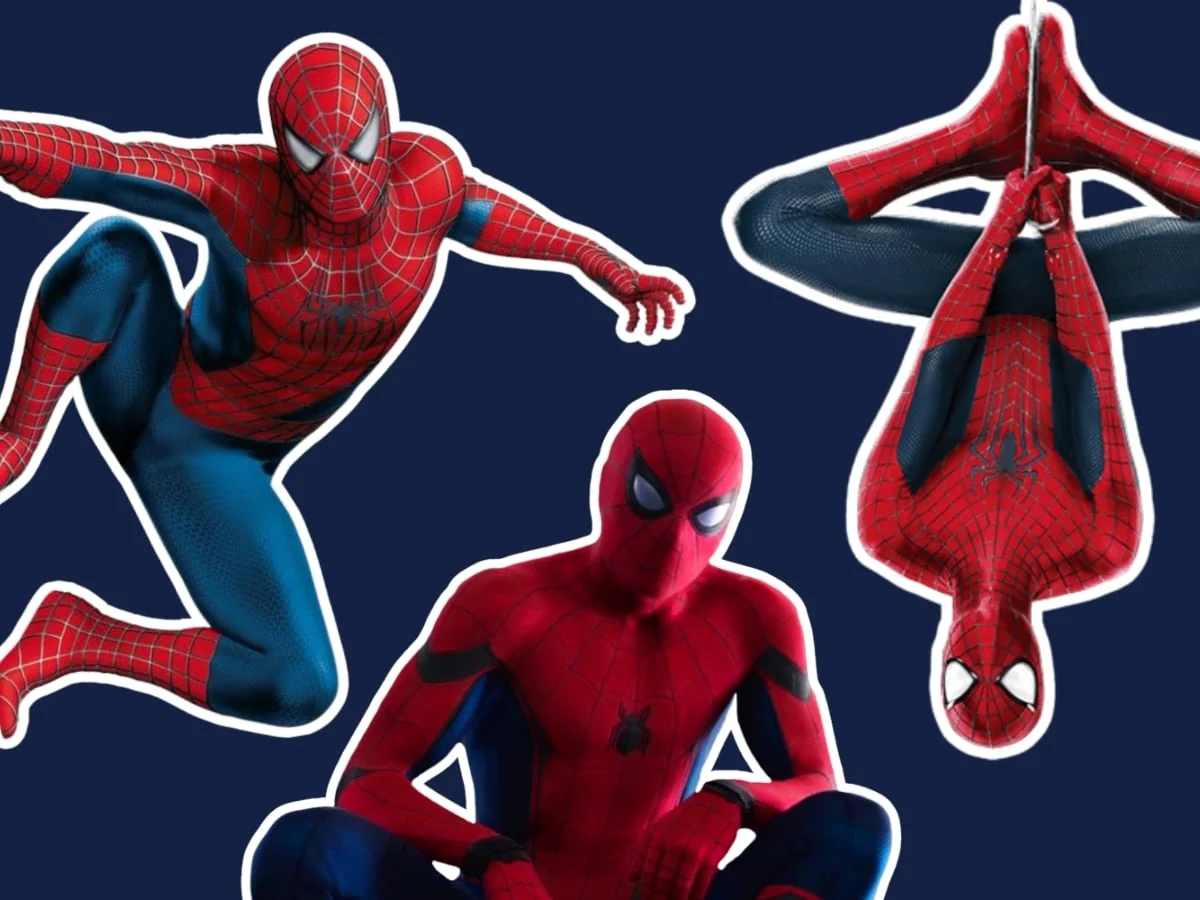
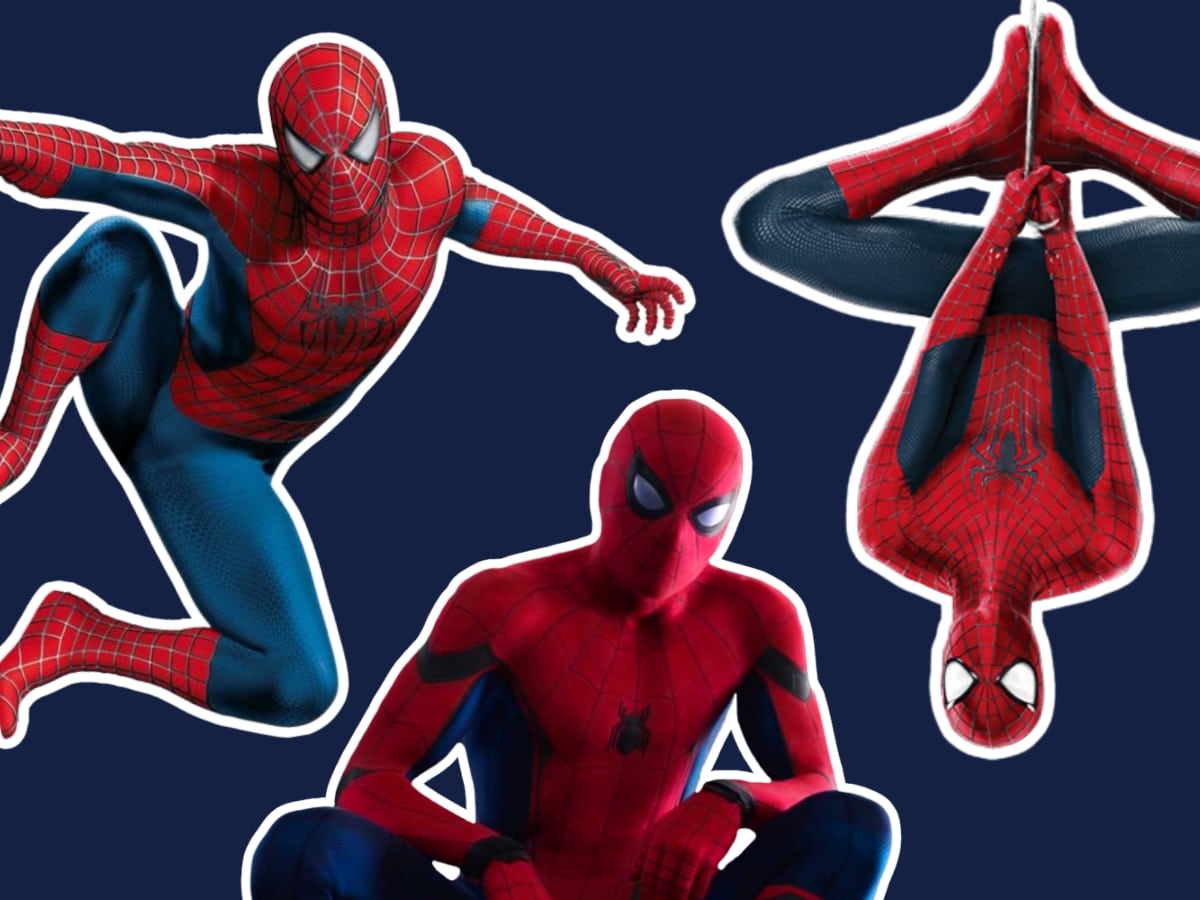
The cinematic trajectory of Spider-Man represents one of the most complex and successful case studies in modern Hollywood history. Since the character’s live-action debut on the big screen in 2002, the franchise has navigated three distinct iterations, multiple directorial visions, and a ground-breaking cross-studio partnership between Sony Pictures and Marvel Studios. As the industry prepares for the upcoming release of Spider-Man: Brand New Day—the fourth solo outing for Tom Holland’s iteration of Peter Parker—the legacy of the web-slinger remains a central pillar of the global box office. Over the course of eight standalone films, the franchise has grossed nearly $9 billion worldwide, illustrating the character’s enduring appeal across generations.
The ranking of these films involves an analysis of narrative cohesion, character development, and cultural impact. While every entry has contributed to the broader mythos of the character, certain films have struggled under the weight of studio expectations and over-stuffed plotlines, while others have set the definitive standard for the superhero genre.
8. The Amazing Spider-Man 2 (2014)
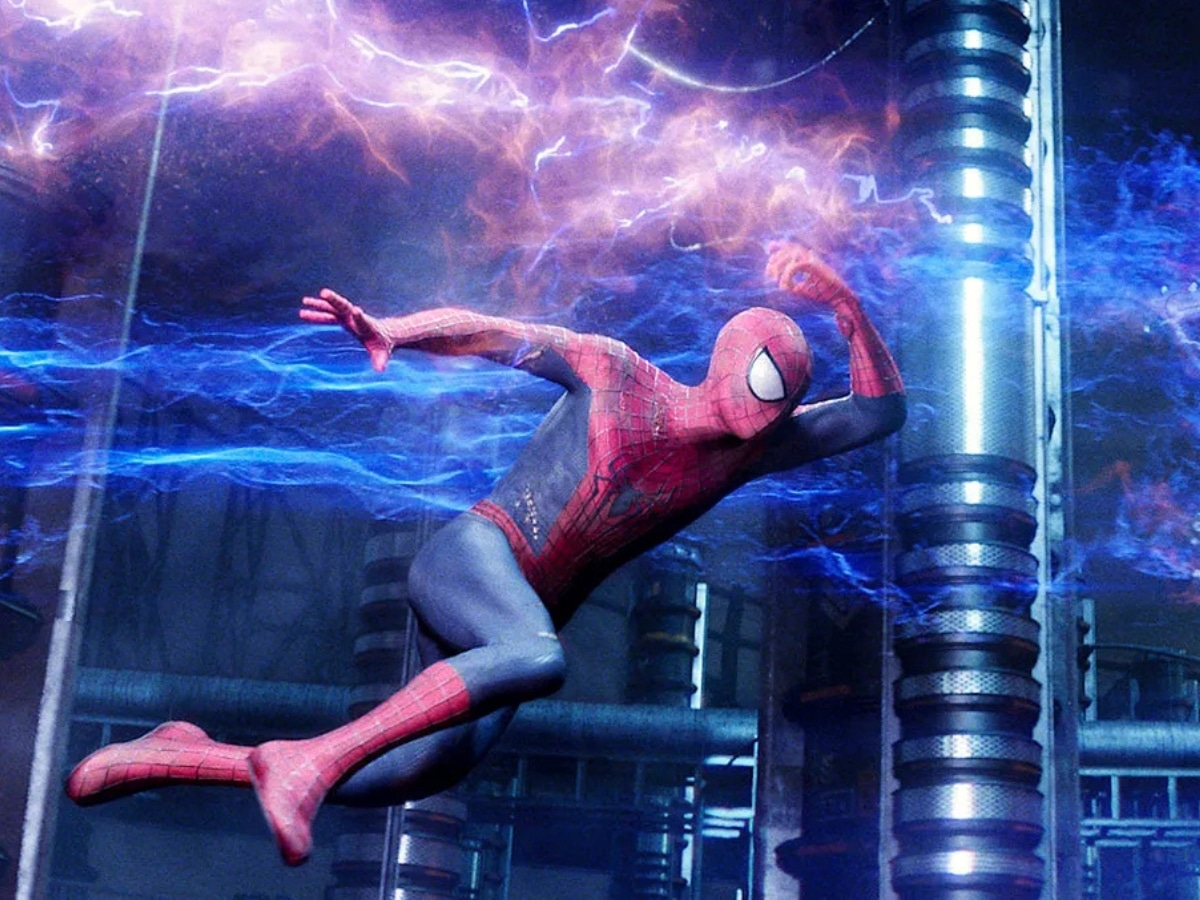
The Amazing Spider-Man 2 is frequently cited by critics and fans as the most illustrative example of "franchise fatigue" and corporate overreach. Directed by Marc Webb, the sequel attempted to replicate the shared-universe model popularized by the Marvel Cinematic Universe (MCU) but faltered by prioritizing future spin-offs over its own central narrative. The film was tasked with introducing the "Sinister Six" while simultaneously exploring Peter Parker’s parental history and his relationship with Gwen Stacy.
Despite earning $709 million at the global box office, the film was a critical disappointment, holding a 51% rating on Rotten Tomatoes. The primary criticisms centered on the underdeveloped villains; Jamie Foxx’s Electro was widely viewed as a departure from the source material’s gravitas, and the introduction of Harry Osborn’s Green Goblin felt rushed. However, the film is not without its merits. Andrew Garfield’s performance remained charismatic, and the chemistry between Garfield and Emma Stone provided the film’s emotional anchor. The tragic conclusion, featuring the death of Gwen Stacy, remains one of the most poignant and comic-accurate sequences in any superhero production.
7. The Amazing Spider-Man (2012)
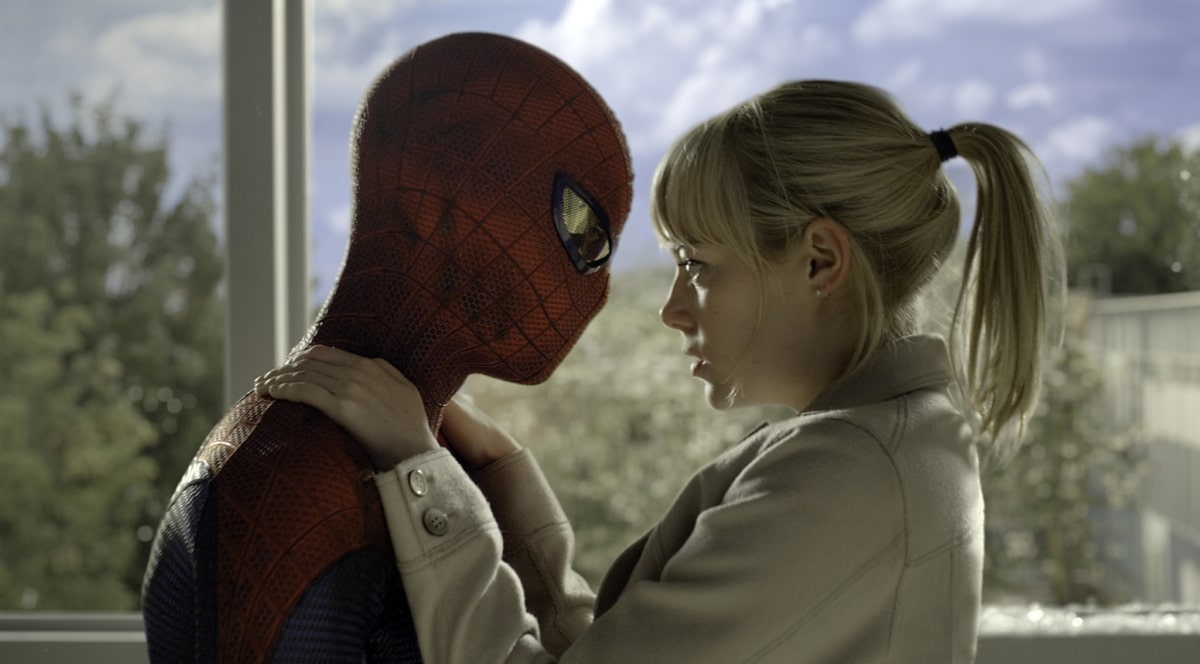
Following the cancellation of Sam Raimi’s planned Spider-Man 4, Sony Pictures opted for a total reboot just five years after the conclusion of the original trilogy. The Amazing Spider-Man sought to offer a "untold story" regarding Peter Parker’s parents, though much of this plotline was ultimately sidelined. The film introduced Andrew Garfield as a more contemporary, tech-savvy Peter Parker who utilized a skateboard and wisecracking humor, aligning more closely with the "Ultimate Spider-Man" comic book run.

The film performed respectably, earning $757 million worldwide. It successfully distinguished itself through a darker visual palette and more fluid, kinetic action sequences. Rhys Ifans’ portrayal of Dr. Curt Connors (The Lizard) provided a sympathetic antagonist whose motivations were rooted in scientific tragedy. However, the film suffered from "origin story exhaustion," as audiences were required to watch the death of Uncle Ben and the discovery of Peter’s powers for the second time in a decade.
6. Spider-Man 3 (2007)
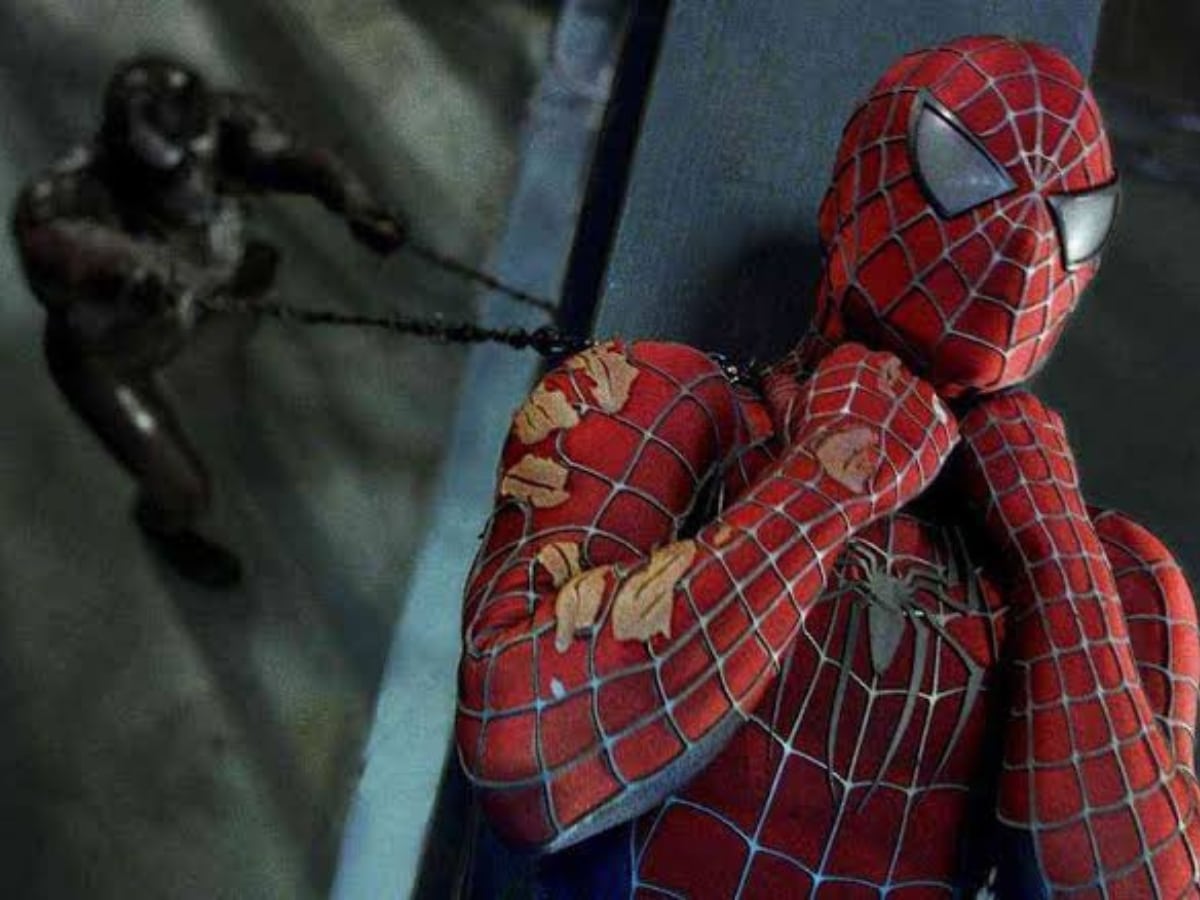
Spider-Man 3 serves as a cautionary tale regarding the dangers of studio interference. Director Sam Raimi famously intended for the film to focus on Sandman and the New Goblin, but producer Avi Arad insisted on the inclusion of Venom to satisfy fan demand. The result was a crowded narrative that struggled to give sufficient screen time to its three primary antagonists.
Despite its narrative flaws and the "emo Peter Parker" sequences that have since become internet memes, the film was a massive financial success, grossing $895 million. It concluded the character arcs of Tobey Maguire’s Peter and James Franco’s Harry Osborn with significant emotional weight. The visual effects for Sandman (Thomas Haden Church) were groundbreaking for the time, and the film’s themes of forgiveness and the burden of power remained consistent with Raimi’s previous entries.
5. Spider-Man: Far From Home (2019)
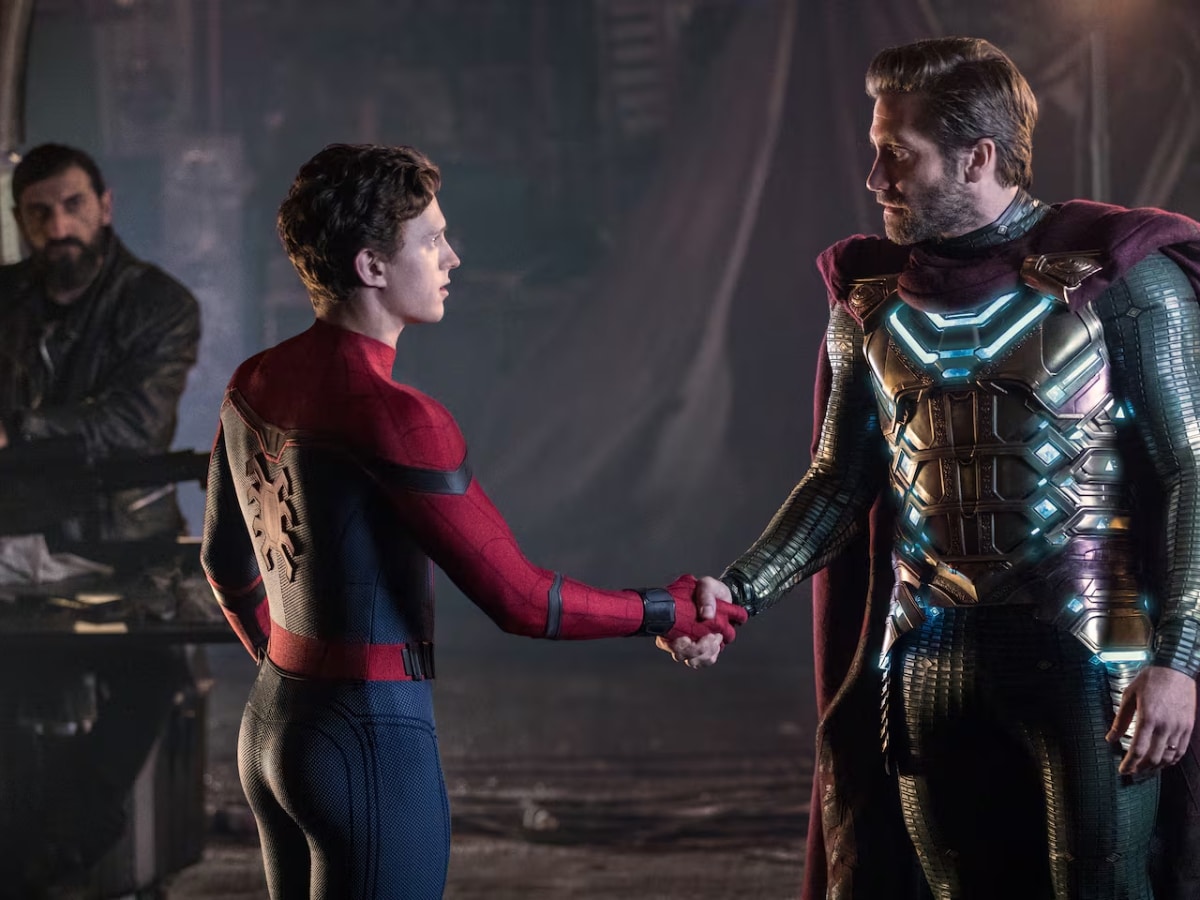
As the first film to follow the events of Avengers: Endgame, Spider-Man: Far From Home carried the heavy burden of addressing the aftermath of "The Blip" and the death of Tony Stark. The film transitioned the action to Europe, providing a fresh aesthetic for the franchise. Tom Holland delivered a nuanced performance as a teenager grappling with the pressure of being the "next Iron Man" while simply wanting to enjoy a high school field trip.
The film was a historic success for Sony, becoming the first Spider-Man movie to surpass the $1 billion mark, eventually grossing $1.13 billion. Jake Gyllenhaal’s Mysterio was lauded as a top-tier MCU villain, utilizing drone technology and psychological manipulation to challenge Peter’s perception of reality. The film’s mid-credits scene, which featured the outing of Peter Parker’s identity and the return of J.K. Simmons as J. Jonah Jameson, remains one of the most significant cliffhangers in the genre’s history.
4. Spider-Man (2002)
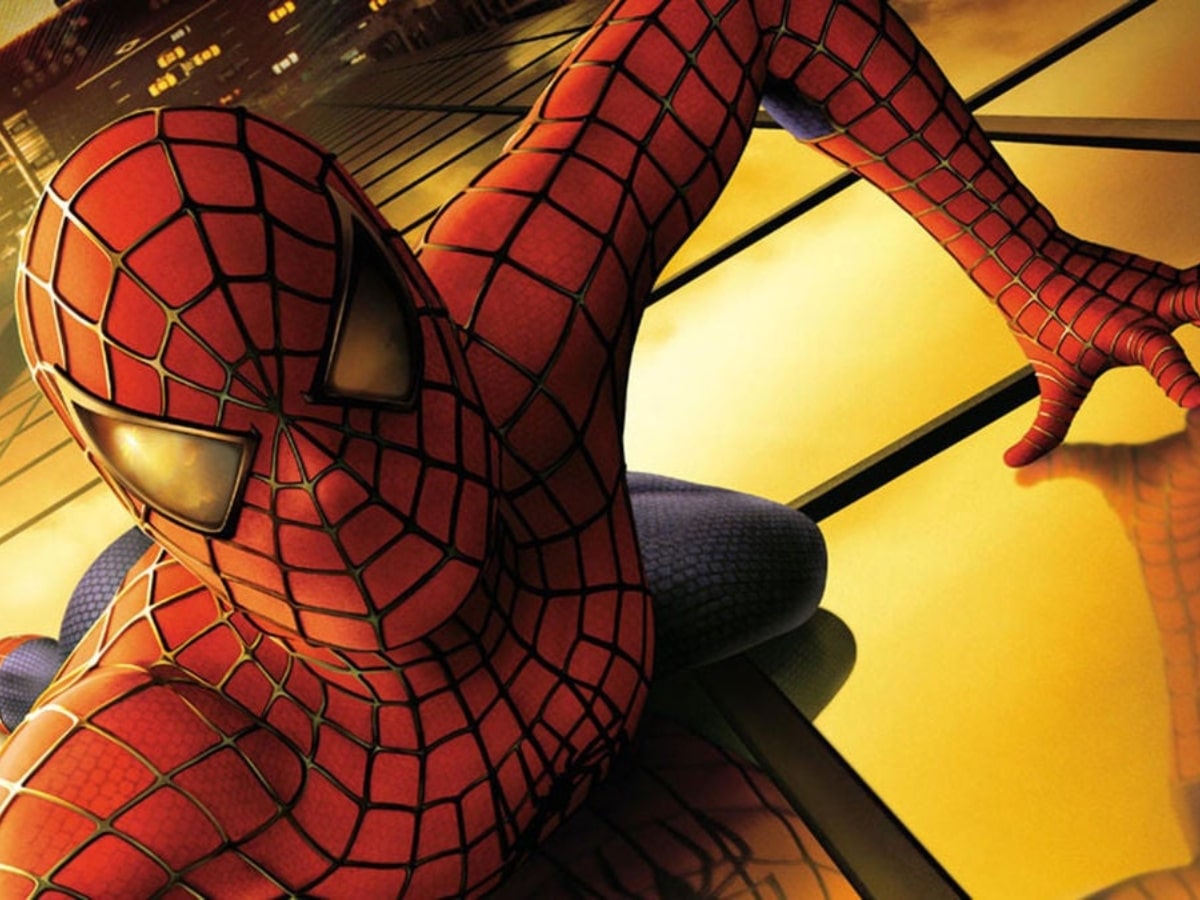
The modern era of superhero cinema arguably began with Sam Raimi’s Spider-Man. Released in May 2002, the film proved that comic book adaptations could achieve both critical acclaim and blockbuster status. Tobey Maguire’s earnest portrayal of Peter Parker resonated with audiences, capturing the "everyman" quality that had made the character a Marvel icon since 1962.
The film grossed $821 million and established the visual language for the franchise, from the iconic web-swinging through Manhattan to the Green Goblin’s menacing presence. Willem Dafoe’s dual performance as Norman Osborn and his villainous alter-ego set a high bar for future antagonists. While some of the CGI has aged, the film’s sincerity and adherence to the core themes of responsibility and sacrifice ensure its status as a foundational classic.
3. Spider-Man: Homecoming (2017)
After a successful debut in Captain America: Civil War, Tom Holland’s Spider-Man received his first solo MCU outing with Homecoming. The film deliberately avoided the origin story, instead focusing on a "John Hughes-style" high school comedy-drama. By grounding the stakes—Peter was fighting a local arms dealer rather than a world-ending threat—the film felt remarkably personal.
Michael Keaton’s Vulture is often cited as one of the best-written villains in the MCU, driven by class resentment and a desire to provide for his family rather than megalomania. The film’s integration of Robert Downey Jr. as a mentor figure provided a unique dynamic that distinguished this Peter Parker from previous versions. Homecoming earned $880 million and successfully revitalized interest in the character for a new generation of viewers.
2. Spider-Man: No Way Home (2021)
Spider-Man: No Way Home was more than a film; it was a global cultural event. By utilizing the concept of the multiverse, the film brought together three generations of Spider-Man fans by featuring the return of Tobey Maguire and Andrew Garfield. This was not merely fan service; the narrative used the elder Spideys to mentor Tom Holland’s Peter through his darkest hour following the death of Aunt May.
The film’s financial performance was staggering, grossing $1.92 billion during a period when the global theatrical market was still recovering from the COVID-19 pandemic. It currently stands as the seventh highest-grossing film of all time. Critics praised the film for its ability to balance a massive cast of returning villains—including a standout performance by Willem Dafoe—with a deeply personal story about the cost of heroism. The ending, which saw Peter Parker choosing to be forgotten by the world to save the multiverse, reset the character to his "friendly neighborhood" roots.
1. Spider-Man 2 (2004)
Two decades after its release, Spider-Man 2 is still widely regarded as the definitive Spider-Man film and one of the greatest sequels ever made. Sam Raimi perfected the balance between high-octane action and character-driven drama. The central conflict is not just between Spider-Man and Doc Ock, but between Peter Parker and his own desires. The "Spider-Man No More" arc, where Peter loses his powers due to psychological stress, remains the most faithful cinematic exploration of the character’s internal struggle.
Alfred Molina’s Doctor Octopus provided a tragic, multi-dimensional villain whose redemption arc felt earned and impactful. The film also features the legendary train sequence, a masterclass in action choreography and emotional storytelling. Spider-Man 2 grossed $789 million and won an Academy Award for Best Visual Effects. Its focus on the man behind the mask, rather than just the spectacle of the suit, is why it remains the gold standard for the genre.
Chronology of Live-Action Releases
To understand the evolution of the franchise, one must look at the timeline of production and the shifts in studio strategy:
- The Raimi Era (Sony Pictures):
- Spider-Man (2002)
- Spider-Man 2 (2004)
- Spider-Man 3 (2007)
- The Webb Era (Sony Pictures Reboot):
- The Amazing Spider-Man (2012)
- The Amazing Spider-Man 2 (2014)
- The Watts/MCU Era (Sony/Marvel Collaboration):
- Spider-Man: Homecoming (2017)
- Spider-Man: Far From Home (2019)
- Spider-Man: No Way Home (2021)
- The Upcoming Era:
- Spider-Man: Brand New Day (Expected 2026)
Official Responses and Industry Impact
The partnership between Sony Pictures and Disney/Marvel, initiated in 2015, was a historic move that reshaped the industry. Following the lukewarm reception of The Amazing Spider-Man 2, Sony Chairman Tom Rothman and Marvel Studios President Kevin Feige negotiated a deal that allowed Spider-Man to enter the MCU while Sony retained distribution rights and final creative control.
In a 2021 interview following the success of No Way Home, Kevin Feige noted, "The character of Peter Parker is unique in that he is the most relatable hero. Our goal was always to bring him back to his roots while exploring the massive scale of the Marvel Universe." This sentiment has been echoed by Tom Holland, who has frequently expressed his commitment to the role, stating that he would only return for a fourth film if the "legacy of the character" was respected.
Broader Impact and Future Implications
The success of the Spider-Man films has had a profound impact on how studios approach intellectual property. The "multiverse" concept, popularized by No Way Home, has since become a staple of superhero storytelling, seen in films like Doctor Strange in the Multiverse of Madness and The Flash. Furthermore, the character’s success has allowed Sony to build its own "Sony’s Spider-Man Universe" (SSU), featuring films like Venom and Morbius, which exist on the periphery of the main Spider-Man narrative.
As the franchise moves toward Spider-Man: Brand New Day, directed by Destin Daniel Cretton, the stakes remain high. The previous film ended with Peter Parker in a small apartment, anonymous and without Stark technology, effectively returning the character to the "street-level" hero status that defined his early comic book years. This "Brand New Day" suggests a narrative reset that could potentially lead to another trilogy, ensuring that Spider-Man remains a dominant force in cinema for the foreseeable future. With a release window targeted for July 2026, the industry anticipates another major shift in the superhero landscape.




 Yuyun Lusiyani
 Joko Widodo
 Eva Lovia
 Pevita Pearce
 admin
admin