
 Ana Megawati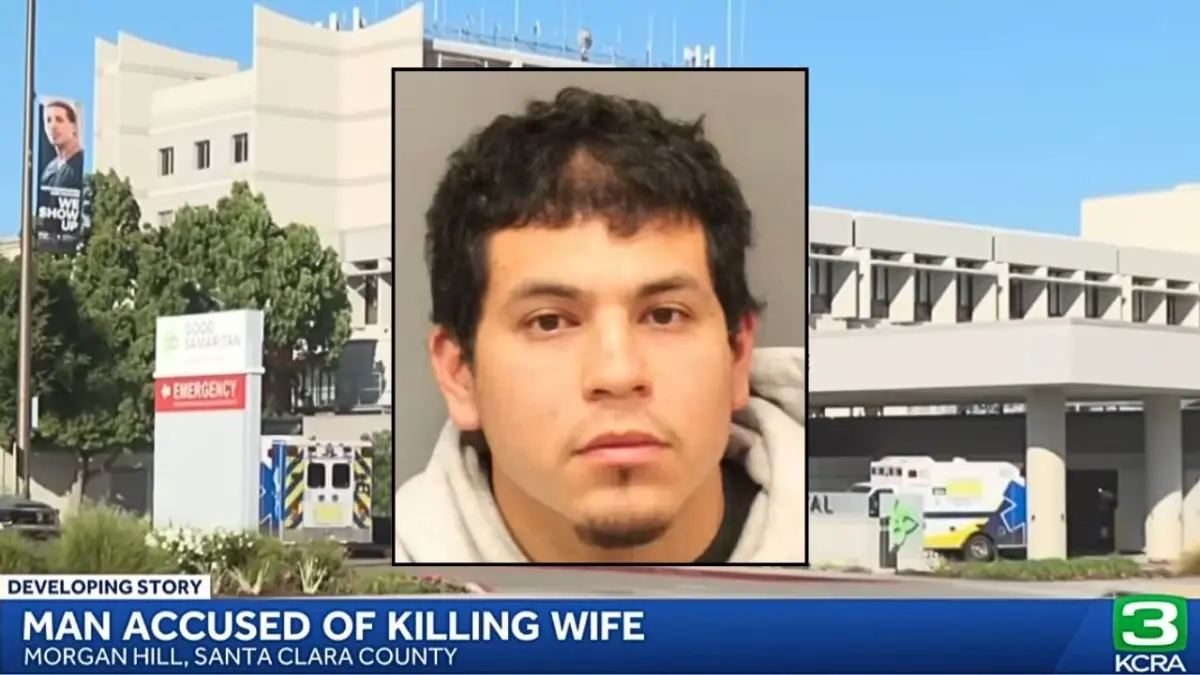
A chilling sequence of events unfolded in the early hours of what began as a typical day, culminating in the arrest of a California man on suspicion of murder after he allegedly killed his wife at their Morgan Hill residence while their three young children were home, subsequently driving her deceased body to a hospital in San Jose and confessing to the crime. The shocking incident has sent ripples through the quiet communities of Morgan Hill and San Jose, drawing attention to the often-hidden tragedies of domestic violence and the profound impact such events have on families and local services.
The Stark Confession at Good Samaritan Hospital
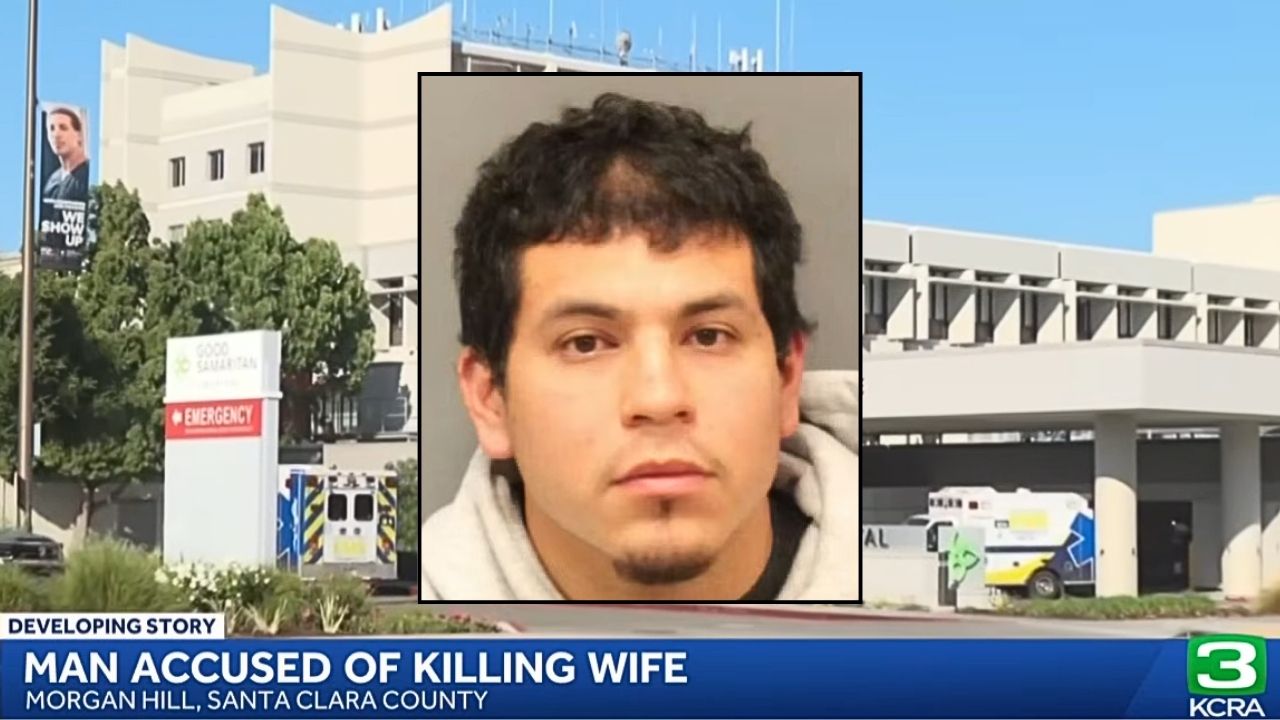
The harrowing narrative began to surface when Roy Lopez, 37, pulled his vehicle into the parking lot of Good Samaritan Hospital in San Jose, Santa Clara County, with his wife in the passenger seat. According to official reports from the Morgan Hill Police Department (MHPD), Lopez approached medical staff at the facility and made the startling declaration that he had just killed his wife at their home. This direct, unprompted confession immediately triggered an emergency response from both hospital personnel and law enforcement agencies. Hospital staff, adhering to their professional oath and training, promptly initiated life-saving measures on the woman in the vehicle, despite the grim circumstances of her arrival. Tragically, their efforts proved futile, and she was pronounced dead in the hospital parking lot. Roy Lopez was taken into custody at the scene without incident, marking the beginning of a complex and somber investigation into the alleged domestic homicide.
A Timeline of Tragedy: From Home to Hospital Parking Lot
The sequence of events, as pieced together by investigators, paints a disturbing picture. While the exact time of the alleged murder remains a key element of the ongoing investigation, authorities believe the incident occurred at the couple’s home in Morgan Hill. The most distressing detail emerging from the preliminary reports is the presence of the couple’s three children within the residence during the time their mother was allegedly killed. Following the alleged act, Lopez is believed to have then transported his wife’s body approximately 20 miles north from Morgan Hill to Good Samaritan Hospital in San Jose.
The call to the Morgan Hill Police Department was initiated by the San Jose Police Department, which had been alerted by hospital staff regarding Lopez’s confession. "Our dispatch center received a call from San Jose Police Department advising that a male subject had drove into the parking lot of Good Samaritan Hospital and advised people in the area that he had killed his wife," explained Sgt. Sean Bayard of the Morgan Hill Police Department in a statement to local media. This inter-agency communication underscored the immediate and serious nature of the situation, mobilizing resources across municipal boundaries to address both the crime and the welfare of any potential victims or witnesses.
The Unfolding Investigation in Morgan Hill
Upon receiving the critical information from San Jose authorities, Morgan Hill Police officers were immediately dispatched to the couple’s residence. Their primary concern, beyond securing a potential crime scene, was the welfare of the children reportedly present at the home. Officers conducted a "protective sweep" of the residence, a standard procedure designed to ensure the safety of anyone inside and to identify any immediate threats. During this sweep, the three children were located. Sgt. Bayard confirmed, "They were in the house, we believe, at the time, and they are in safe custody right now." The discovery of the children, unharmed but undoubtedly exposed to unimaginable trauma, shifted the focus to their immediate protection and long-term well-being.
The crime scene at the Morgan Hill home became the focal point for forensic investigators, who began the meticulous process of collecting evidence. While police have confirmed that a firearm was not used in the killing, the specific method employed in the alleged murder has not yet been publicly disclosed. This detail, or lack thereof, suggests that the investigation is still in its nascent stages, with authorities carefully gathering all pertinent information before releasing further specifics. The absence of a firearm could indicate a different type of violent encounter, which may have implications for potential charges and sentencing under California law.
Ensuring the Welfare of Vulnerable Witnesses
The most vulnerable parties in this tragic incident are undoubtedly the three children. Following their discovery during the protective sweep, officers safely escorted them from the residence to the Morgan Hill Police Department. Recognizing the severe emotional and psychological impact such an event would have, and the immediate need for a stable and secure environment, the children were subsequently released into the custody of the Santa Clara County Department of Family and Children’s Services (DFCS). This department is responsible for safeguarding children who are victims of abuse, neglect, or abandonment, or who are otherwise in danger. Their immediate role involves providing emergency shelter, counseling, and assessing long-term placement options, which could include kinship care with relatives or foster care, depending on the circumstances and the children’s needs.
The involvement of DFCS highlights the broader societal implications of domestic violence, particularly when children are present. Exposure to violence, even if not directly inflicted, can lead to severe developmental and psychological issues, including post-traumatic stress disorder, anxiety, depression, and behavioral problems. The swift action by law enforcement and social services to secure the children’s safety and provide professional support is crucial in mitigating some of these long-term effects. The children will require extensive care and therapeutic interventions to process the trauma they have endured and to navigate the profound loss of their mother under such horrific circumstances.
The Legal Framework: Charges and Prosecution
With Roy Lopez in custody, the legal process has officially commenced. Police anticipate presenting the case to the Santa Clara County District Attorney’s Office in the coming days. This step is critical, as the District Attorney’s office will review all evidence gathered by law enforcement, including witness statements, forensic findings, and Lopez’s alleged confession, to formally file charges. Depending on the specifics of the crime, Lopez could face charges ranging from second-degree murder to first-degree murder. In California, first-degree murder typically involves premeditation or particularly heinous circumstances, while second-degree murder involves an intentional killing without premeditation. The presence of children during the alleged crime could also be considered an aggravating factor during sentencing.
At this stage, a motive for the alleged killing has not been released by officials. The absence of a stated motive is common in the early stages of a murder investigation, as investigators prioritize securing the scene, identifying the victim, apprehending the suspect, and gathering initial evidence. Determining a motive often requires extensive interviews, examination of personal effects, and a deeper dive into the relationship dynamics between the victim and the accused. The District Attorney’s office will seek to establish motive as part of their prosecution, as it can help paint a complete picture for the court, even if not strictly necessary for a murder conviction in all cases. The legal proceedings will involve an arraignment, where Lopez will formally hear the charges against him and enter a plea, followed by preliminary hearings, discovery, and potentially a trial by jury. The journey through the criminal justice system for a case of this magnitude can be lengthy, often spanning many months or even years.
Understanding Domestic Violence: A Societal Challenge
This tragic incident serves as a stark reminder of the pervasive issue of domestic violence, a complex problem that affects millions of individuals and families nationwide. According to the National Coalition Against Domestic Violence (NCADV), nearly 1 in 4 women and 1 in 7 men have experienced severe physical violence by an intimate partner in their lifetime. In California, statistics from the state’s Department of Justice and various advocacy groups consistently show thousands of reported incidents each year, with many more believed to go unreported. Domestic violence is not confined to physical abuse; it encompasses emotional, psychological, financial, and sexual abuse, creating a cycle of fear and control that is incredibly difficult for victims to escape.
The presence of children in homes where domestic violence occurs adds another layer of profound tragedy. Studies show that children who witness domestic violence are at a significantly higher risk of developing a range of behavioral and mental health problems, including aggression, anxiety, depression, and difficulties in school. They may also be more likely to perpetuate or become victims of violence in their own adult relationships. This makes the role of organizations like the Santa Clara County Department of Family and Children’s Services, as well as local domestic violence shelters and support groups, absolutely critical. These services provide safe havens, counseling, legal aid, and advocacy for victims and their children, working tirelessly to break the cycle of violence. The Morgan Hill incident underscores the urgent need for continued awareness, education, and robust support systems to combat this societal scourge.
Community Response and Broader Implications
The news of the alleged murder has undoubtedly sent shockwaves through the close-knit communities of Morgan Hill and San Jose. Such incidents, particularly those involving domestic violence and the presence of children, evoke a profound sense of grief, anger, and concern among residents. While the specific details of the victim’s life and the couple’s relationship have not been made public, the broader community often grapples with questions of how such a tragedy could occur, and what might have been done to prevent it. Local leaders and community organizations may respond by reinforcing messages about available domestic violence resources and encouraging individuals to seek help or report suspicious activity.
Beyond the immediate shock, the incident carries broader implications for public safety and community well-being. While individual domestic homicides are distinct from broader trends in violent crime, they highlight the internal vulnerabilities within some households. The incident also puts a spotlight on the critical interface between law enforcement, emergency medical services, and social welfare agencies. The seamless communication between San Jose PD and Morgan Hill PD, and the swift involvement of DFCS, demonstrate the essential coordinated response required in such multi-faceted emergencies. Furthermore, the incident serves as a grim reminder of the need for mental health support services, both for victims of violence and potentially for perpetrators, as underlying psychological issues can sometimes contribute to such devastating acts.
The Path Forward: Legal Proceedings and Healing
As Roy Lopez awaits formal charges and the subsequent legal proceedings, the focus for the community and authorities will shift to achieving justice for the victim and ensuring the long-term well-being of the three orphaned children. The legal battle ahead will be complex, with prosecutors building their case based on evidence and testimony. The defense will undoubtedly challenge aspects of the prosecution’s narrative, leading to a potentially lengthy and emotionally charged trial.
For the children, the path to healing will be arduous. They have not only lost their mother but have also been exposed to a traumatic event that will shape their lives indefinitely. Their journey will involve extensive psychological support, stable and loving care, and a concerted effort from caregivers and professionals to help them process their grief and trauma. The community, while reeling from the immediate tragedy, will likely look for ways to support these children and others affected by domestic violence, reaffirming the importance of vigilance, compassion, and collective action against such atrocities. The full impact of this devastating incident will resonate through the lives of all involved for years to come, underscoring the profound and lasting consequences of domestic violence.




 Yuyun Lusiyani
 Joko Widodo
 Eva Lovia
 Jia Lissa
 Pevita Pearce