
 Eva Lovia
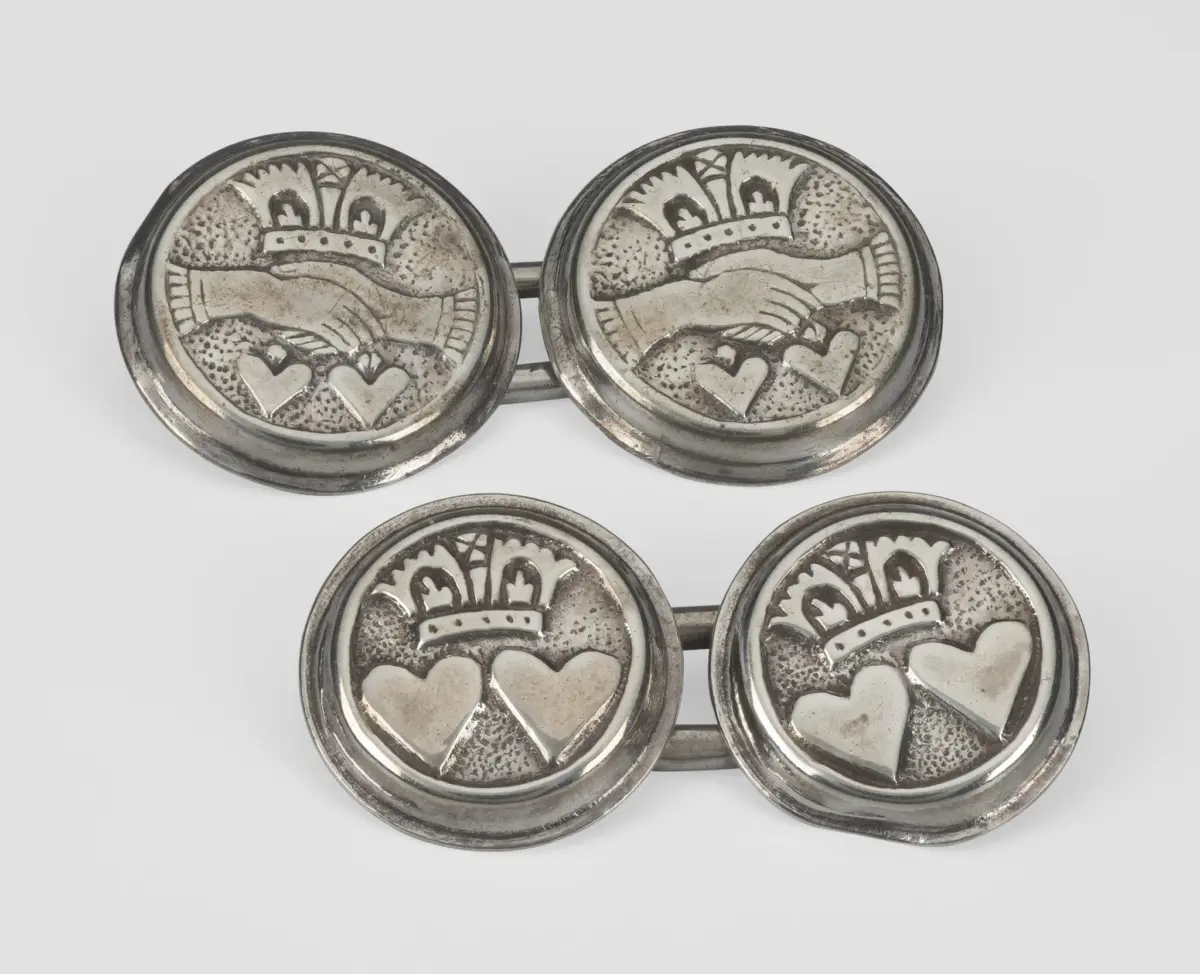
For the first time in history, the cufflinks worn by King Charles I on the fateful day of his execution will be publicly displayed. These poignant artefacts, imbued with the gravity of a pivotal moment in British history, will form a centrepiece of the new exhibition, "Royal Jewellery: From Coronations to Keepsakes," announced by Buckingham Palace. This landmark exhibition promises to unveil over 500 years of regal adornment, showcasing more than 300 meticulously selected items that trace the evolution of royal jewellery from the solemnity of coronations to deeply personal keepsakes.
The cufflinks, worn by Charles I on January 30, 1649, as he faced his execution at Whitehall, represent a tangible link to the tumultuous conclusion of the English Civil War and the end of monarchy in England for a period. Their public debut offers a unique opportunity to connect with a monarch whose reign and demise profoundly reshaped the British political landscape. The exhibition, slated to open next June at The King’s Gallery, adjacent to Buckingham Palace, will explore the historical, cultural, and symbolic significance of these precious objects.
The Weight of Execution: Charles I’s Final Adornments
The inclusion of King Charles I’s execution cufflinks in "Royal Jewellery: From Coronations to Keepsakes" marks a significant moment for historical and royal enthusiasts. These small, yet historically charged, items were worn by the monarch on the scaffold, a stark reminder of his regicide. The exhibition’s curators have highlighted the profound emotional and historical resonance of these cufflinks, chosen to underscore the exhibition’s theme of jewellery as both ceremonial regalia and deeply personal mementoes.
Historical accounts detail that Charles I, despite the severe cold of that January day, wore two shirts to avoid any appearance of fear or shivering. This meticulous attention to his presentation, even in his final moments, speaks to his regal bearing and his awareness of the historical narrative being written around his death. The cufflinks, therefore, are not merely decorative items but are intrinsically linked to his final resolve and the image he wished to project in the face of death.
Following his execution, objects associated with King Charles I, particularly those he wore at the time of his death, were treated as relics by his loyal supporters. This veneration underscores the deep emotional impact of his demise on the royalist cause. The fear of his martyrdom and its potential to galvanise opposition was so significant that Oliver Cromwell, the architect of the Parliamentarian victory, ordered the King’s body to be secretly transported to Windsor under the cover of darkness for burial in St. George’s Chapel, within Windsor Castle. This clandestine burial highlights the anxiety surrounding the public’s reaction to the unprecedented act of executing a reigning monarch.
A Glimpse into Royal History: The Exhibition’s Scope
"Royal Jewellery: From Coronations to Keepsakes" promises an expansive journey through the history of British monarchy, viewed through the lens of its most treasured possessions. Beyond the immediate focus on Charles I’s cufflinks, the exhibition will feature an array of significant pieces, each with its own compelling narrative.
Key Highlights of the Exhibition:
- The George IV State Diadem: This iconic diadem, often associated with Queen Elizabeth II, will be on display, showcasing the opulence and artistry of royal ceremonial headwear. Commissioned for George IV’s coronation in 1821, it features an impressive array of diamonds and pearls.
- Queen Victoria’s Coronet: The exhibition will include the coronet Queen Victoria wore in her later years. This piece became so intrinsically linked with her image and reign that it was placed atop her coffin during her lying-in-state, a poignant symbol of her enduring legacy.
- Queen Elizabeth II’s Necklace: A significant personal gift from her grandmother, Queen Mary, this necklace represents a direct line of familial inheritance and affection. Its inclusion highlights the personal connections and sentimental value attached to royal jewellery.
- Queen Charlotte’s Amethyst Suite: This collection of amethysts, once belonging to Queen Charlotte, consort of George III, offers a glimpse into the jewellery preferences of an earlier era and the personal collections of royal consorts.
These diverse pieces collectively illustrate the multifaceted role of royal jewellery: from symbols of sovereign power and ceremonial importance to cherished family heirlooms and personal adornments that reflect individual tastes and historical periods. The exhibition aims to present these items not just as glittering objects but as artefacts rich with stories of monarchs, their reigns, and the evolving traditions of the British Crown.
Chronology of a Tumultuous Era
To fully appreciate the context of Charles I’s execution and the subsequent historical significance of his belongings, understanding the timeline of events is crucial.
- 1642: The English Civil War begins, pitting Royalist forces loyal to King Charles I against Parliamentarian forces.
- 1646: Charles I is captured by the Scottish army, who later surrender him to the English Parliament.
- 1648: The Second English Civil War erupts, with renewed Royalist uprisings, which are ultimately suppressed by the New Model Army.
- January 27, 1649: Charles I is put on trial by the Rump Parliament and found guilty of treason.
- January 30, 1649: King Charles I is executed by beheading outside the Banqueting House of Whitehall Palace in London. He is recorded to have worn two shirts to ward off the cold and prevent any perceived sign of fear.
- Post-Execution: Items worn by the King on the day of his execution, including his cufflinks, are highly sought after by Royalist sympathisers and are treated as relics.
- Post-Restoration (1660): The monarchy is restored with the accession of Charles II, the son of Charles I. Many items of royal regalia were either lost or destroyed during the Interregnum and were subsequently recreated or reacquired.
- Present Day: The cufflinks, having been preserved through centuries, are now set to be displayed for the first time at The King’s Gallery.
This chronological overview underscores the dramatic shift in power and the profound impact of Charles I’s execution on the course of British history. The exhibition’s inclusion of his execution cufflinks serves as a tangible reminder of this pivotal moment.

Supporting Data and Historical Context
The English Civil War (1642-1651) was a series of armed conflicts and political machinations between Parliamentarians ("Roundheads") and Royalists ("Cavaliers") over the manner of England’s governance. The war’s roots lay in a deep-seated disagreement over the extent of the monarch’s power, religious freedom, and the role of Parliament. Charles I’s belief in the Divine Right of Kings clashed fundamentally with Parliament’s assertion of its own authority.
The execution of a reigning monarch was an unprecedented event in English history. It sent shockwaves across Europe and marked a radical departure from centuries of monarchical tradition. The subsequent period, known as the Interregnum (1649-1660), saw England governed as a republic under Oliver Cromwell, further demonstrating the profound societal and political upheaval caused by Charles I’s death.
The economic and social impact of the Civil War was immense. The conflict disrupted trade, agriculture, and daily life across the country. The eventual Restoration of the monarchy in 1660 brought a period of relative stability but did not entirely resolve the underlying tensions between Crown and Parliament, setting the stage for future constitutional developments.
Official Statements and Anticipated Reactions
While specific official statements from Buckingham Palace regarding the exhibition have been released, the inclusion of such a historically significant and emotionally charged item as the execution cufflinks is likely to generate considerable interest and discussion. Curators at The King’s Gallery, part of the Royal Collection Trust, have expressed enthusiasm for the exhibition’s broad scope. A spokesperson for the Royal Collection Trust stated, "This exhibition offers an unparalleled opportunity to explore the stories behind some of the most magnificent and meaningful jewels in the Royal Collection. From the symbols of state power to intimate personal treasures, each piece tells a unique chapter in the history of the British monarchy."
The public’s reaction is anticipated to be one of fascination and contemplation. Historians and royal watchers will undoubtedly scrutinise the artefacts for insights into the lives and times of the monarchs they belonged to. The opportunity to view the cufflinks worn by Charles I on the day of his execution is expected to draw significant crowds, eager to connect with a tangible piece of such a dramatic historical event.
Broader Impact and Implications
The exhibition "Royal Jewellery: From Coronations to Keepsakes" and its star exhibit, the execution cufflinks of Charles I, have several broader implications.
Firstly, it highlights the enduring public fascination with British royal history and the tangible artefacts that connect us to it. Jewellery, often seen as purely ornamental, is here presented as a powerful conduit to understanding historical narratives, personal lives, and the evolution of power.
Secondly, the exhibition serves as a reminder of the transformative moments in British history. The execution of Charles I was a watershed event that irrevocably altered the relationship between the monarchy and its subjects, paving the way for a constitutional monarchy. Displaying the cufflinks associated with this event underscores the exhibition’s ambition to go beyond mere display of opulence and engage with the profound historical context of these objects.
Thirdly, the exhibition contributes to the ongoing narrative of the Royal Collection Trust’s role in preserving and presenting royal heritage. By making such significant items accessible to the public, the Trust fosters a deeper understanding and appreciation of the monarchy’s historical significance and its cultural impact.
Tickets for "Royal Jewellery: From Coronations to Keepsakes" will be available from the start of November on the Royal Collection Trust website. The exhibition, running from next June, is poised to be a must-see event for anyone interested in the intersection of history, art, and royalty. The inclusion of King Charles I’s execution cufflinks promises to imbue the exhibition with a unique gravitas, offering a solemn yet captivating glimpse into one of Britain’s most defining historical moments.



 Nila Kartika Wati

 Lina Irawan

 Yuyun Lusiyani

 Ana Megawati

 Joko Widodo
