
 Eva Lovia
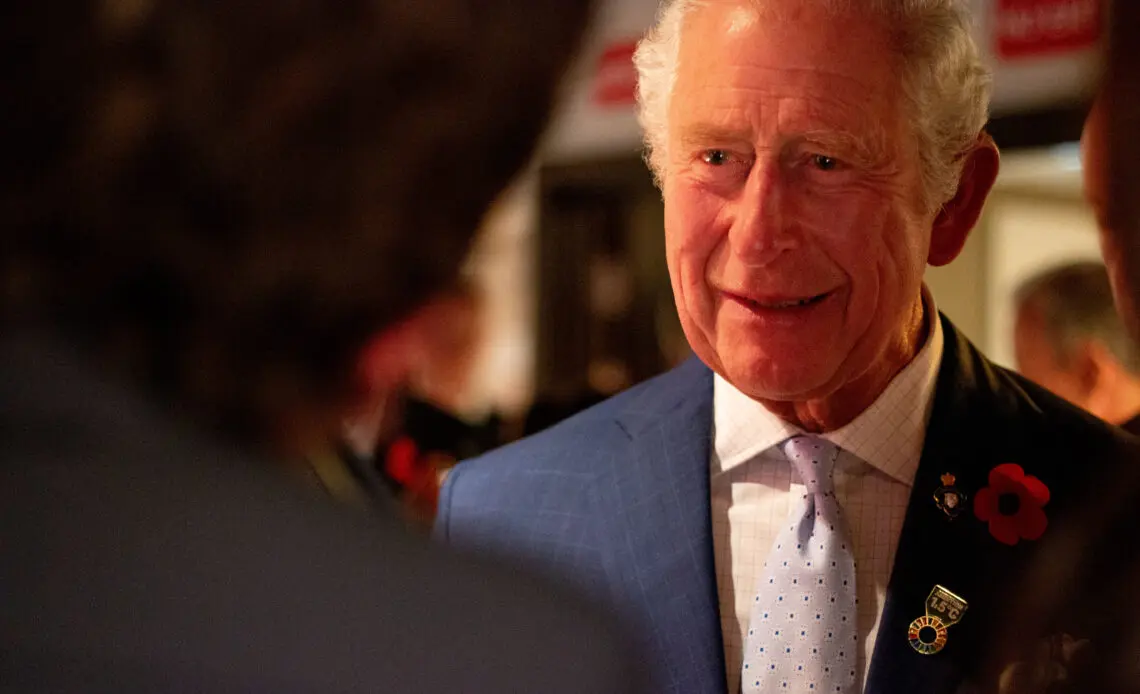
The Commonwealth Secretary-General, Shirley Ayorkor Botchwey, has indicated that an apology from His Majesty King Charles III for the historical involvement of the Crown in the transatlantic slave trade "wouldn’t hurt," as calls for discussions on reparations gain momentum among member nations. The remarks, made in a recent interview with Sky News, underscore a persistent divergence between the UK government’s stance and the sentiments expressed by many Commonwealth countries regarding the legacy of slavery.
Botchwey’s statement directly addressed the ongoing debate about how the historical injustices of the slave trade should be acknowledged and addressed. When questioned about whether the King should issue an apology, she stated, "That’s what the countries have asked for." Further pressed on her personal view, she added, "It wouldn’t hurt to have that. Not at all." These comments come at a time when the complexities surrounding reparations—whether financial or in other forms—are at the forefront of discussions within the Commonwealth and on the international stage.
Calls for Acknowledgment and Reparations
The transatlantic slave trade, a horrific chapter in human history, involved the forced transportation of millions of Africans across the Atlantic to be enslaved in the Americas and Caribbean. This brutal system, which spanned centuries, generated immense wealth for European powers, including Britain, while inflicting immeasurable suffering and long-lasting socio-economic disparities on the African continent and its diaspora. The Commonwealth, an association of 56 member states, many of which are former British colonies in Africa, the Caribbean, and Oceania, has a significant number of nations that were directly impacted by this legacy.
For years, leaders and citizens in these nations have been advocating for formal acknowledgment and restitution from countries that profited from the slave trade. The demand for an apology from the British monarchy, a symbol of the historical power structures involved, is a central element of these calls. For many, an apology is seen as a crucial first step towards reconciliation and addressing the enduring consequences of slavery, which include systemic inequalities, economic disadvantages, and cultural trauma.
Secretary-General Botchwey emphasized that the issue of reparations cannot be indefinitely postponed. She articulated a belief that the Commonwealth member states themselves must ultimately define the nature and form of these reparations. "I don’t believe we can run away from it," she told Sky News. "But it is important to determine the form that reparations should take, and that is something that will emerge eventually."
Broadening the Scope of Reparations
Botchwey’s suggestions for reparations extended beyond direct financial compensation. She proposed a range of potential measures, including concessional financing for development projects, debt relief for affected nations, climate-related support, and the repatriation of cultural artifacts that were often acquired under duress or through colonial exploitation. This broader interpretation of reparations acknowledges that addressing the multifaceted impacts of slavery requires a comprehensive approach that tackles economic, social, and cultural dimensions.
The need for inter-country discussions was highlighted as essential for determining the specific forms that any reparative measures might take. This inclusive approach suggests a recognition that the historical injustices have had diverse and interconnected consequences, necessitating tailored solutions developed through collaborative dialogue.
Buckingham Palace and UK Government Stance
Buckingham Palace has consistently maintained that King Charles III will not issue a formal apology for the Crown’s historical role in the transatlantic slave trade. However, the Palace has also affirmed a commitment to confronting the past, stating that the Royal Family "will not shy away from the darkest days of our past." This position reflects a delicate balance between acknowledging historical realities and adhering to established protocols.
The King himself has previously spoken out about the brutality of slavery. In 2018, while he was Prince of Wales, he described Britain’s involvement in the transatlantic slave trade as an "appalling atrocity" that had left an "indelible stain" on the world. These statements, while not constituting an apology, signal a personal acknowledgment of the profound negative impact of this historical period.
The UK Government has also reiterated its firm opposition to paying financial reparations for slavery. A government spokesperson characterized the transatlantic slave trade as "abhorrent," acknowledging its devastating consequences and the deep emotions it continues to evoke. "The UK’s position is clear: we do not and will not pay reparations," the spokesperson stated. Despite this firm stance on financial reparations, the government has expressed a willingness to continue dialogue with international partners on the legacies of the past. "The UK is committed to continued dialogue with all our partners on legacies of the past. We will continue to work together to build partnerships for the future," the spokesperson added.
Historical Context and Chronology
The history of the transatlantic slave trade is deeply interwoven with the economic and political development of European powers and the establishment of colonial empires.
- 16th to 19th Centuries: The transatlantic slave trade intensified, with European nations forcibly transporting millions of Africans to the Americas and Caribbean to work on plantations. Britain became a dominant force in the trade, with its ships carrying a significant portion of enslaved Africans.
- 1772: Lord Mansfield’s ruling in the Somersett case declared that slavery was not supported by common law in England, leading to the emancipation of enslaved people in Britain, though not in its colonies.
- 1807: Britain abolished the slave trade, making it illegal for British ships to carry enslaved people. This was a significant step, but it did not end slavery itself in British colonies.
- 1833: The Slavery Abolition Act was passed in Britain, officially abolishing slavery throughout most of the British Empire. However, slave owners were compensated, while the formerly enslaved were subjected to a period of "apprenticeship."
- 20th Century Onwards: Post-colonial nations, many of which are now Commonwealth members, began to grapple with the enduring socio-economic and psychological impacts of slavery and colonialism, leading to increasing calls for acknowledgment and reparations.
- 2013: The Caribbean Community (CARICOM) established a Reparations Commission to pursue reparations from former colonial powers.
- 2023-Present: The debate over reparations has gained renewed traction, with increasing calls for formal apologies and tangible forms of redress. The Commonwealth Secretary-General’s recent remarks highlight the continued relevance and urgency of these discussions within the association.
Supporting Data and Analysis
The economic impact of the slave trade on Britain was substantial. Historians estimate that between the 17th and 19th centuries, British merchants profited immensely from the trade in human beings. The wealth generated from slave-based economies in the Caribbean, particularly sugar plantations, played a significant role in Britain’s industrial revolution and its rise as a global economic power. For instance, when slavery was abolished in 1833, the British government paid out £20 million in compensation to slave owners—a sum equivalent to approximately £2 billion today—which was a significant portion of the national budget at the time. No compensation was provided to the enslaved individuals.
The legacy of this economic exploitation continues to manifest in the form of developmental disparities between former colonial powers and many of their former colonies. Countries in the Caribbean, for example, often cite the historical extraction of wealth and the disruption of social and economic structures as contributing factors to their ongoing development challenges.
The discussion around reparations is not solely about financial compensation. As Botchwey suggested, it encompasses a spectrum of actions aimed at rectifying historical wrongs and fostering equitable relationships. These could include:
- Development Aid and Investment: Targeted funding for education, healthcare, and infrastructure in affected nations.
- Educational Initiatives: Funding for programs that accurately teach the history of slavery and its impact, and promote intercultural understanding.
- Cultural Heritage Restoration: Support for preserving and restoring historical sites and cultural artifacts.
- Debt Cancellation: Relieving the debt burdens of nations that are struggling to develop due to historical economic disadvantages.
Implications and Future Prospects
The divergence in views between the Commonwealth Secretary-General and the UK government highlights a complex and sensitive issue with significant diplomatic and historical implications. Botchwey’s statement serves to amplify the voices of many Commonwealth nations that feel their historical grievances have not been adequately addressed. It puts renewed pressure on the UK to engage more substantively with the demands for reparations.
The Commonwealth Heads of Government Meeting, scheduled for November 1-4, 2026, in St. John’s, Antigua and Barbuda, will likely provide another platform for these discussions. The outcomes of such meetings are crucial for shaping the future dialogue and potential actions. While the UK government remains firm on its stance against financial reparations, its commitment to continued dialogue suggests an acknowledgment of the enduring significance of the issue.
The ongoing debate underscores the evolving nature of historical accountability and the growing international expectation for nations to confront the legacies of their past. The path forward will likely involve continued negotiation, a deeper understanding of historical complexities, and a commitment to finding solutions that promote justice and reconciliation for all involved. The Commonwealth, with its shared history and interconnectedness, remains a key forum for navigating these challenging conversations and working towards a more equitable future.



 Nila Kartika Wati

 Lina Irawan

 Yuyun Lusiyani

 Ana Megawati

 Joko Widodo
