
 Eva Lovia
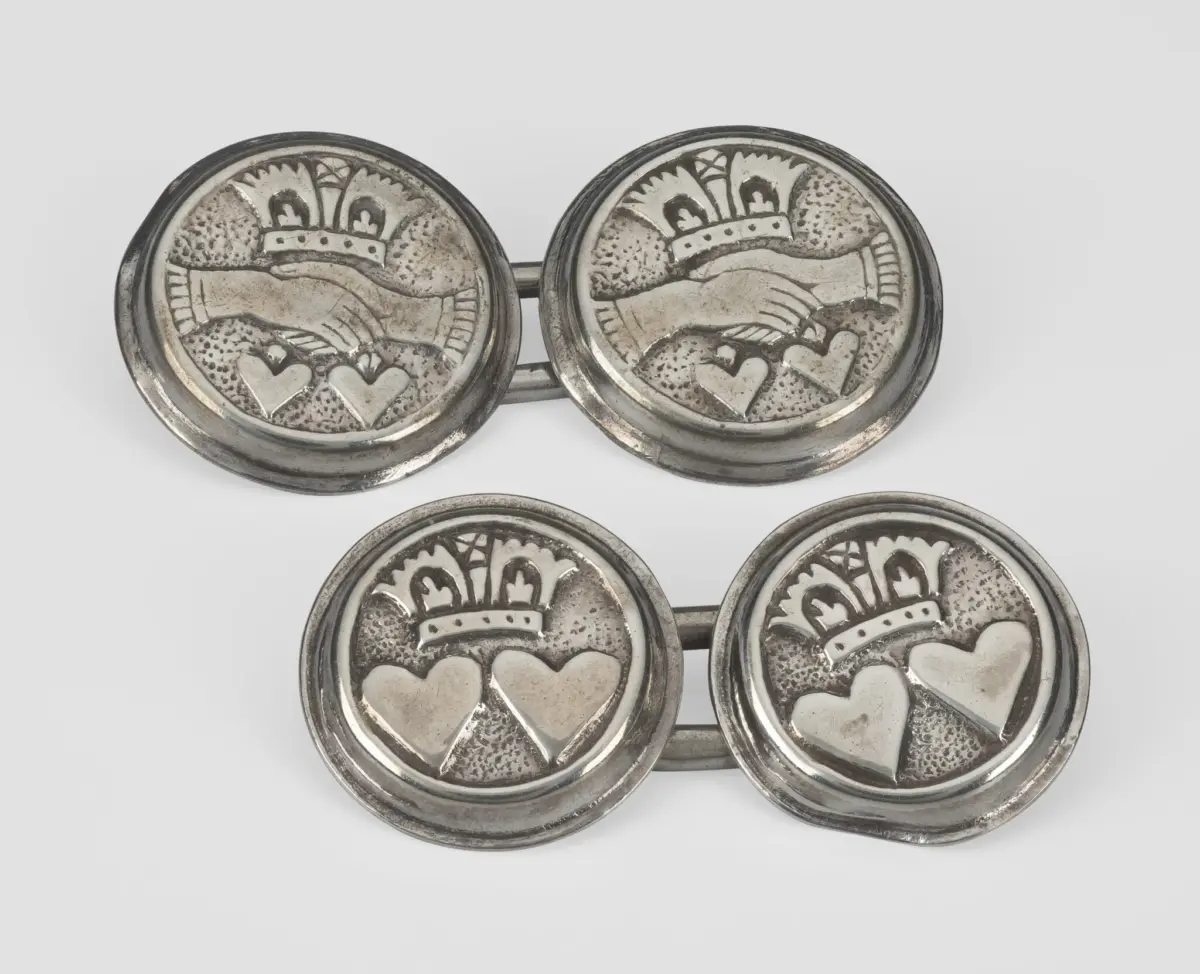
For the first time in history, the personal accoutrements worn by King Charles I on the day of his execution are to be unveiled to the public. These poignant cufflinks, present on January 30, 1649, will form a central exhibit in a significant new exhibition announced by Buckingham Palace, offering an unprecedented glimpse into the final moments of a monarch. Titled "Royal Jewellery: From Coronations to Keepsakes," the exhibition promises to traverse over five centuries of royal adornment, presenting a breathtaking collection of more than 300 items that narrate the stories of British monarchs through their cherished gems and personal effects.
The inclusion of King Charles I’s cufflinks marks a particularly somber yet historically vital element of the exhibition. These were the very items adorning his wrists as he faced his execution at Whitehall, a grim culmination of the English Civil War’s royalist defeat. Sentenced to death three days prior, Charles I’s final hours were meticulously documented, revealing a monarch determined to maintain his dignity in the face of ultimate consequence. Historical accounts detail his decision to wear two shirts on that frigid January morning, not from a desire for warmth, but to ensure he would not be perceived as trembling from fear, a public display that could be misinterpreted as weakness. The cufflinks, therefore, are not merely decorative objects but potent symbols of his resolve and the dramatic rupture in British history.
A Glimpse into a Monarch’s Final Hours
The exhibition, slated to open next June at The King’s Gallery, adjacent to Buckingham Palace, will present these cufflinks alongside a curated selection of other significant royal jewels. The story of these cufflinks is deeply intertwined with the tumultuous events of the mid-17th century. Following the regicide, objects associated with King Charles I, particularly those he wore at the time of his death, were imbued with a profound, almost sacred, significance by his loyal supporters. They became relics, tangible connections to a martyred king, and potent rallying points for the Royalist cause in the aftermath of their defeat.
Oliver Cromwell, the architect of the Parliamentarian victory and the driving force behind the King’s trial and execution, was acutely aware of the potential for Charles I’s death to galvanize public opinion and ignite further unrest. Historical records suggest a deliberate effort to control the narrative surrounding the execution and its aftermath. It is understood that Cromwell orchestrated the clandestine removal of the King’s body from Whitehall to Windsor under the cover of darkness, facilitating a swift and discreet burial within St. George’s Chapel. This act, while seemingly practical, also served to limit opportunities for public veneration of the deceased monarch’s remains, thereby attempting to quell any potential posthumous rise in his influence. The presence of the cufflinks in this exhibition offers a direct, material link to this pivotal moment.
A Legacy of Royal Adornment
Beyond the profound historical weight of King Charles I’s cufflinks, "Royal Jewellery: From Coronations to Keepsakes" will feature an array of other spectacular pieces that illuminate the evolution of royal regalia and personal adornment across centuries. Among the highlights will be the George IV State Diadem, a dazzling symbol of monarchical authority, and the coronet famously associated with Queen Victoria. This latter piece, frequently worn by the Queen in her later years, became so intrinsically linked to her image that it was placed atop her coffin during her lying-in-state, a powerful testament to its symbolic resonance.
The exhibition will also showcase more intimate pieces, reflecting the personal tastes and relationships of monarchs. A necklace gifted to Queen Elizabeth II by her grandmother, Queen Mary, will be on display, offering a glimpse into familial bonds and the transmission of royal heirlooms. Furthermore, a suite of amethysts that once belonged to Queen Charlotte, wife of King George III, will be presented, highlighting the enduring appeal of specific gemstones and the styles favored by queens throughout history. These varied selections underscore the dual nature of royal jewellery: objects of state and power, but also deeply personal possessions imbued with individual histories and sentimental value.
Broader Context and Historical Significance
The English Civil War, a conflict that raged from 1642 to 1651, was a watershed moment in British history. It represented a fundamental challenge to the concept of absolute monarchy, culminating in the unprecedented trial and execution of a reigning king. The war was fueled by deep-seated ideological, religious, and political divisions, with Parliamentarians advocating for greater parliamentary power and religious reforms, while Royalists remained committed to the divine right of kings and the established Church of England.

King Charles I’s reign was marked by increasing friction with Parliament over issues of taxation, religion, and governance. His attempts to rule without Parliament for eleven years (the "Personal Rule" or "Eleven Years’ Tyranny") further exacerbated tensions. The outbreak of war saw England divided, with significant battles fought across the country. The Parliamentarian victory, spearheaded by figures like Oliver Cromwell and his New Model Army, led to the establishment of the Commonwealth, a period of republican rule.
The execution of Charles I on January 30, 1649, was a seismic event that sent shockwaves across Europe. It was the first time a reigning monarch in England had been legally tried and executed by his own people. This act fundamentally altered the perception of royal power and laid the groundwork for the eventual restoration of the monarchy in 1660, albeit with a significantly altered balance of power between the Crown and Parliament.
The objects associated with this period, therefore, carry immense historical weight. King Charles I’s cufflinks, as intimate as they are historically charged, serve as a tangible connection to this pivotal moment of regicide. Their display for the first time signifies a willingness to engage with the more complex and often darker aspects of royal history, presenting them not just as grand symbols of power but as personal artifacts from periods of profound societal upheaval.
Planning Your Visit and Ticket Information
The exhibition "Royal Jewellery: From Coronations to Keepsakes" is scheduled to commence in June of next year. Visitors interested in experiencing this unique collection will be able to purchase tickets starting from the beginning of November through the official Royal Collection Trust website. This ticketing arrangement will allow for advance planning and is expected to manage the anticipated high demand for what is sure to be a highly popular exhibition, given the unprecedented nature of the featured items. The King’s Gallery, with its historical significance and prime location, provides an appropriate and fitting venue for such a distinguished display of royal heritage.
Analysis of Implications
The decision to exhibit King Charles I’s execution cufflinks is a significant one for the Royal Collection Trust and for the public’s understanding of British royal history. It signals a commitment to presenting a more nuanced and comprehensive narrative of the monarchy, one that acknowledges not only periods of grandeur and celebration but also moments of profound crisis and personal tragedy.
From a historical perspective, the exhibition offers a unique opportunity for scholars and the public alike to examine these artifacts closely. The craftsmanship of the cufflinks, their material composition, and any surviving inscriptions or markings could offer new insights into the King’s personal life and the circumstances of his final days. Furthermore, the public’s reaction to viewing such deeply symbolic items could shed light on contemporary perceptions of monarchy and historical memory.
The exhibition also highlights the enduring power of personal objects to connect us to the past. In an era increasingly dominated by digital representations, the tactile presence of an item worn by a historical figure can evoke a powerful emotional and intellectual response. The cufflinks, in particular, are likely to resonate with visitors, serving as a stark reminder of the human cost of political and ideological conflict.
The strategic timing of the exhibition, following significant anniversaries related to the English Civil War, also suggests an awareness of the broader cultural and historical landscape. By bringing these objects into the public sphere, the Royal Collection Trust is not only preserving and displaying heritage but also actively engaging in the ongoing dialogue about Britain’s past and the evolution of its constitutional monarchy. The exhibition promises to be a compelling and thought-provoking event, offering a rare and deeply human perspective on a pivotal period of British history.



 Nila Kartika Wati

 Lina Irawan

 Yuyun Lusiyani

 Ana Megawati

 Joko Widodo
