
 admin
admin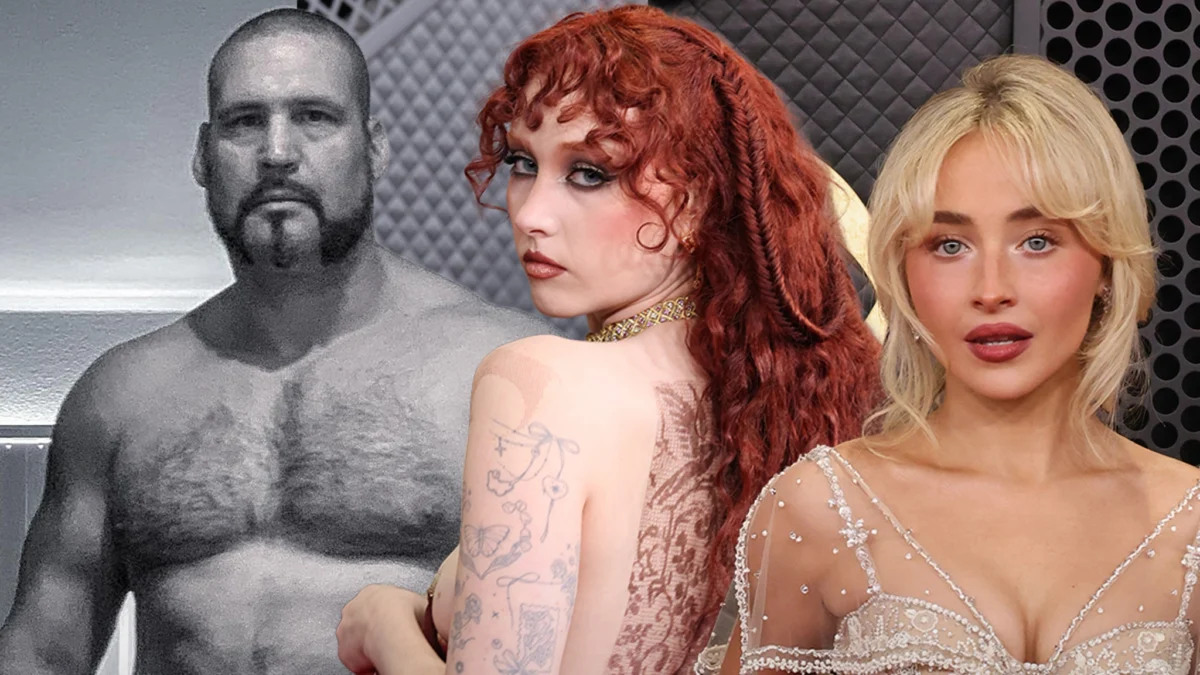
The recent, highly publicized incident at the luxurious Tangara Palace hotel in São Paulo, Brazil, which saw Jude Law’s 11-year-old daughter, Ada Law, left in tears following an encounter with a celebrity bodyguard, has taken a significant turn. What was initially perceived as a controversy surrounding burgeoning pop star Chappell Roan has now been definitively linked to the security detail of fellow artist Sabrina Carpenter. This revelation, first emerging from the bodyguard himself, Pascal Duvier, and subsequently corroborated by media reports, casts a new light on the events that unfolded during the Lollapalooza Brazil festival, highlighting the precarious nature of celebrity security and the swift, often misdirected, currents of public perception.
The Incident at Tangara Palace: A Detailed Chronology of Misattribution
The saga began amidst the high-energy atmosphere of Lollapalooza Brazil, a premier music festival that draws thousands and attracts numerous international artists. Both Chappell Roan and Sabrina Carpenter were among the notable performers scheduled to appear, and like many high-profile attendees, they were accommodated at the prestigious Tangara Palace hotel in São Paulo. This five-star establishment, known for its opulent surroundings and discretion, became the unexpected backdrop for an incident that would quickly capture global headlines.
On the morning of the alleged incident, specifically around the time of breakfast, Ada Law, daughter of renowned actor Jude Law and his former partner Catherine Harding, was reportedly making her way through the hotel lobby. Ada was staying at the hotel with her mother and her famous stepfather, Brazilian soccer legend Jorginho Frello. Accounts suggest that as Ada walked past the area where Chappell Roan was having breakfast, she encountered a security guard whose actions subsequently caused her distress. While the exact nature of the interaction remains subject to differing interpretations, the outcome was clear: the young girl was visibly upset and crying.
Catherine Harding and Jorginho Frello, reacting to their daughter’s distress, swiftly and publicly attributed the incident to Chappell Roan’s security team. In a series of social media posts and direct statements, Jorginho called out Chappell Roan, expressing his anger and disappointment over the treatment of his stepdaughter. This immediate and public condemnation triggered a significant wave of backlash against Roan, with fans and followers quickly forming opinions based on the initial reports. The narrative solidified: a pop star’s aggressive security had made an innocent child cry. Further compounding the perceived connection, the Law family reportedly boycotted Chappell Roan’s set at Lollapalooza, instead choosing to attend Sabrina Carpenter’s performance, inadvertently reinforcing the idea that the security guard was affiliated with Roan. This decision, made in good faith based on the information available to them at the time, contributed significantly to the public misattribution.
The initial outcry placed Chappell Roan in an unenviable position, facing a torrent of criticism for an incident in which her direct involvement was, as it turns out, non-existent. The incident quickly became a prime example of how quickly and widely misinformation can spread in the age of instant communication, particularly when high-profile individuals are involved.
Pascal Duvier: A History of High-Profile Security and Controversy
The central figure in this unfolding drama is Pascal Duvier, a name familiar within the exclusive circles of celebrity protection. Duvier, a German bodyguard known for his imposing stature and stern demeanor, has a long and often scrutinized career guarding some of the world’s biggest stars. His reputation, however, is not without its controversies.
In the immediate aftermath of the Tangara Palace incident, as public condemnation mounted against Chappell Roan, Duvier took the unusual step of publicly clarifying his employment status. He issued a statement asserting that he was not working for Chappell Roan during the Lollapalooza Brazil event. This initial denial, while crucial, still left open the question of who he was working for. It was the Daily Mail that subsequently reported, citing sources close to the situation, that Pascal Duvier was, in fact, on duty protecting Sabrina Carpenter at the time of the incident. This report provided the definitive link that shifted the focus of the controversy.
Duvier’s professional history includes a notable and highly scrutinized tenure as security for reality television star and entrepreneur Kim Kardashian. He was famously not present when Kardashian was robbed at gunpoint in her Paris hotel room in October 2016, an incident that led to widespread discussion about the adequacy of celebrity security protocols. While he was reportedly out with Kardashian’s sisters at the time of the robbery, his absence from his principal’s immediate vicinity during such a high-stakes event drew significant criticism and led to his eventual departure from Kardashian’s security detail. Prior to his work with Kardashian, Duvier also provided security for singer Fergie, further cementing his status as a go-to bodyguard for A-list celebrities. His long track record, both successful and controversial, brings an additional layer of complexity and scrutiny to the current incident, prompting questions about standard operating procedures and client briefing.
The Shifting Spotlight: Sabrina Carpenter’s Unexpected Involvement
The revelation that Pascal Duvier was employed by Sabrina Carpenter at the time of the incident has undeniably shifted the narrative, placing Carpenter’s camp at the center of a situation they likely never anticipated. Both Carpenter and Roan, as previously noted, were performers at Lollapalooza Brazil, making their simultaneous presence at the Tangara Palace hotel entirely coincidental but ultimately pivotal to the unfolding events.
The initial misidentification of Duvier’s employer created a cascade of misinformation. The Law family, understandably upset by their daughter’s distress, acted on what they believed to be accurate information. Their public call-out of Chappell Roan, followed by their decision to attend Carpenter’s concert and boycott Roan’s, cemented a false narrative in the public consciousness. This scenario underscores the critical challenge of verifying information in real-time, especially in the fast-paced world of celebrity news and social media.
For Sabrina Carpenter, this development introduces an unexpected public relations challenge. While she was not directly involved in the interaction that upset Ada Law, her security detail was. The incident now prompts questions about her team’s conduct, their handling of public interactions, and their communication strategies. As of the publication of this article, Sabrina Carpenter’s representatives have not issued a public statement regarding the situation. This silence, while understandable in the initial stages of a developing story, will likely become a point of increasing scrutiny as the details solidify. The expectation from the public and media alike will be for Carpenter’s team to address the situation, clarify their security protocols, and potentially offer a statement regarding the incident involving Ada Law. The lack of an immediate response from Carpenter’s camp leaves a vacuum that can be filled by speculation, further complicating an already delicate situation.
Broader Implications: Celebrity Security, Public Perception, and Media Scrutiny
This incident, from its initial misattribution to its current clarification, offers several critical insights into the broader landscape of celebrity life, security, and media interaction.
Firstly, it highlights the inherent challenges of celebrity security protocols, especially in high-density, public environments like a luxury hotel during a major festival. Security personnel are tasked with the delicate balance of ensuring their client’s safety and privacy while navigating public spaces often teeming with fans, paparazzi, and the general public. The line between effective protection and perceived aggression can be incredibly thin. This incident prompts a review of training for celebrity bodyguards, emphasizing the importance of de-escalation tactics and sensitivity, particularly when interacting with minors. The goal should be to maintain security without creating undue distress or negative public perception for the celebrity client.
Secondly, the rapid dissemination and subsequent correction of information underscore the immense power and pitfalls of social media. The Law family’s initial, emotionally charged posts quickly went viral, shaping public opinion against Chappell Roan before all facts were known. This phenomenon demonstrates how quickly a narrative can form and take hold, regardless of its accuracy. For public figures, managing their image in such an environment requires swift, strategic, and accurate communication, which was complicated in this case by the delay in identifying the correct bodyguard affiliation. Chappell Roan’s team faced the difficult task of countering a deeply entrenched, albeit false, narrative without having all the necessary information at their disposal.
Thirdly, the incident touches upon damage control and public relations strategies within the entertainment industry. For Chappell Roan, the initial weeks of the controversy likely presented a significant challenge to her public image, particularly as an emerging artist whose public persona is still solidifying. Her team would have been engaged in damage limitation, even without full clarity. Now, with the truth revealed, the focus shifts to Sabrina Carpenter’s team, who must now navigate the fallout and decide on the most appropriate course of action to address the incident involving their security detail. Their response will be crucial in shaping how this controversy ultimately reflects on Carpenter’s brand and public standing.
Finally, the situation serves as a stark reminder of the constant scrutiny celebrities face. Every public interaction, every detail, can be magnified and scrutinized. It also highlights the responsibility of media outlets to verify information thoroughly before publishing, and for the public to exercise caution and critical thinking before accepting initial reports as definitive truths. The incident’s evolution from a Chappell Roan controversy to one involving Sabrina Carpenter illustrates the complex web of relationships and responsibilities that define celebrity life in the 21st century.
Conclusion: Awaiting Further Clarification
The revelation that Pascal Duvier, the bodyguard at the center of the incident involving Jude Law’s daughter, was working for Sabrina Carpenter rather than Chappell Roan, marks a significant turning point in a controversy that has captivated the entertainment world. While the initial wave of public anger was misdirected, the core issue of a child being upset by a celebrity security guard remains. The incident has not only brought scrutiny upon the individuals involved but has also reignited discussions about the responsibilities of celebrity security, the rapid spread of misinformation, and the critical role of public relations in managing unforeseen crises.
As the story continues to unfold, all eyes will be on Sabrina Carpenter’s camp for an official statement, which is now widely anticipated. Furthermore, it remains to be seen how the Law family will react to this new information and whether they will issue any public clarification or apology regarding their initial statements. The intricate dynamics of celebrity, security, and public perception ensure that this incident, though now clarified in its central attribution, will continue to resonate, offering valuable lessons for artists, their teams, and the media alike.


 Yuyun Lusiyani
 Joko Widodo
 Eva Lovia
 Pevita Pearce

 Lina Irawan