
 Lina Irawan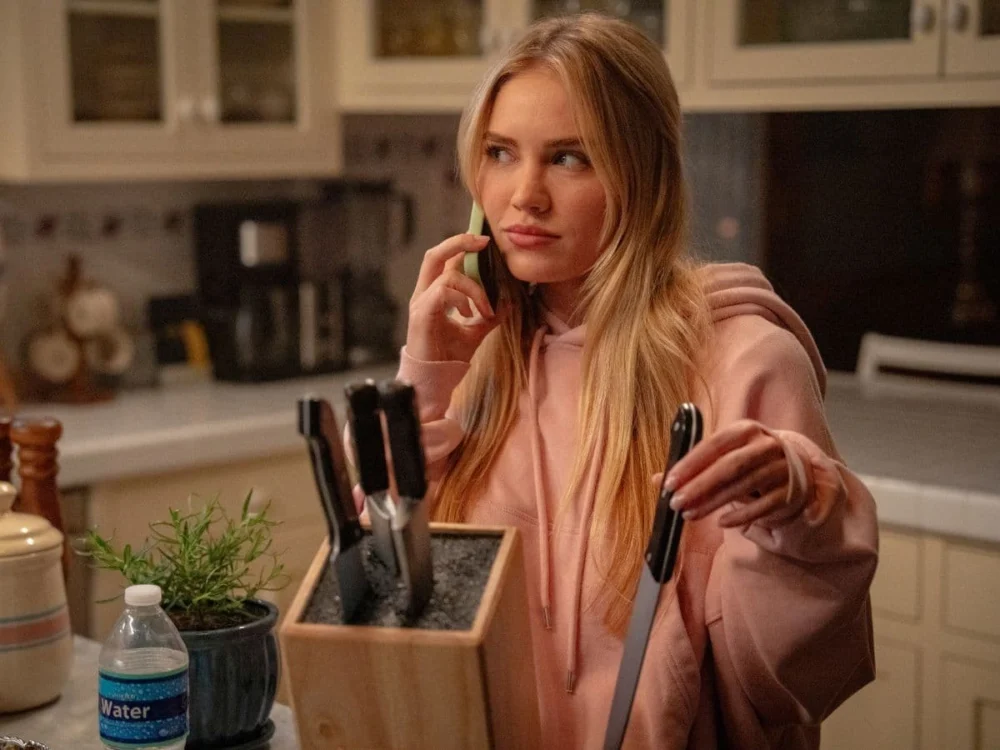
Thirty years after Wes Craven’s Scream reinvigorated the horror genre by deconstructing its own tropes, the long-running slasher franchise returns with Scream 7. Like its enduring central protagonist, the series has demonstrated a remarkable ability to survive parody, creative reinvention, and the modern "re-quel" era. However, this latest chapter arrives in the wake of a highly publicized behind-the-scenes bloodbath that threatened to derail the production entirely. From the high-profile firing of lead actress Melissa Barrera to the departure of Jenna Ortega and the original directing team, Scream 7 is a film defined as much by what it lacks as by what it retains.
The trajectory of the franchise took several heavy creative blows during the development of this seventh installment. Radio Silence duo Matt Bettinelli-Olpin and Tyler Gillett, who successfully resurrected the series at Paramount with a modern edge and increased brutality in 2022’s Scream and 2023’s Scream VI, opted to leave their director chairs behind to focus on the ballerina-vampire thriller Abigail. Their departure was followed by a casting crisis that saw the "Core Four"—the younger ensemble that anchored the previous two films—completely dismantled.
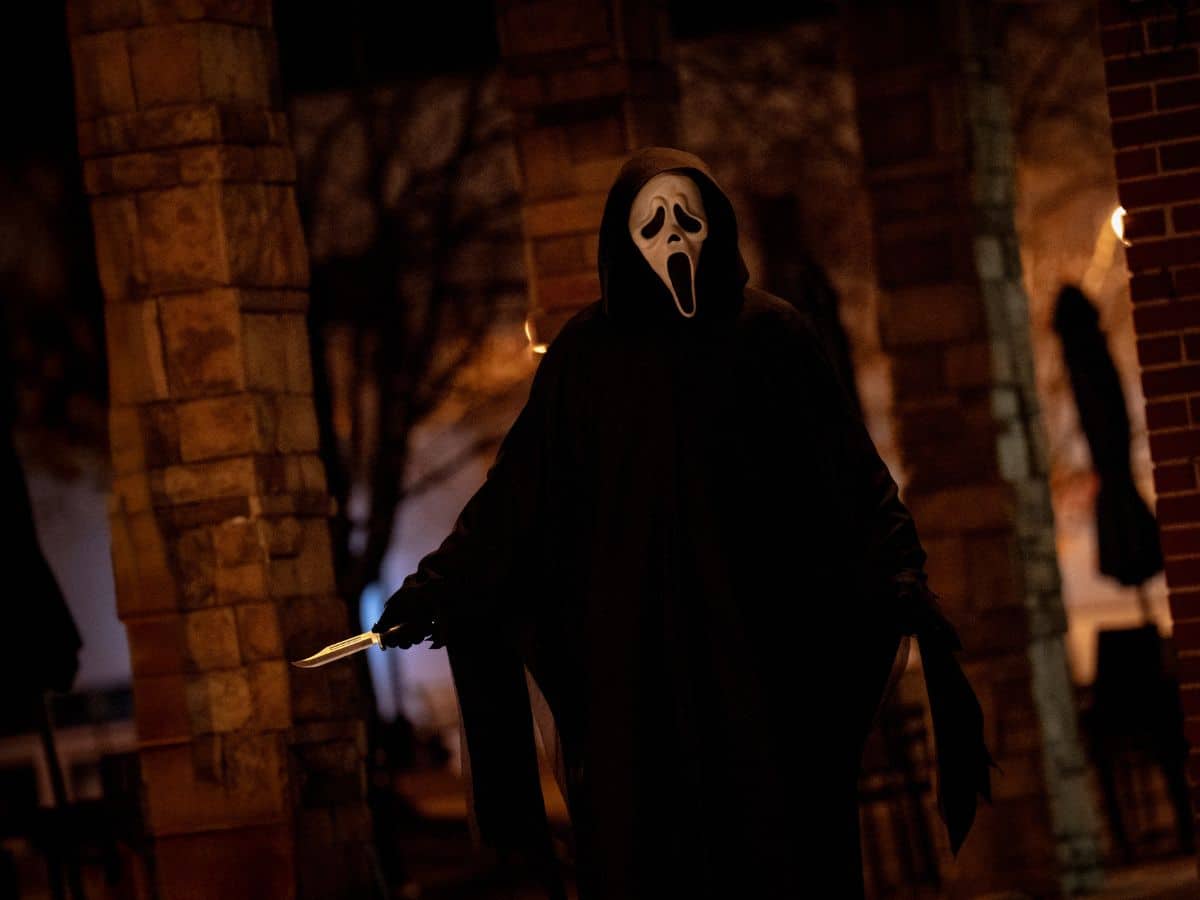
To stabilize the ship, Spyglass Media Group and Paramount Pictures turned to franchise architect Kevin Williamson. The screenwriter behind the original 1996 classic, as well as the second and fourth films, returns to course-correct the narrative. While Williamson has remained a producer on recent entries, Scream 7 marks his first time in the director’s chair for the franchise, and his first directorial effort since 1999’s Teaching Mrs. Tingle. Working alongside screenwriter Guy Busick, Williamson has delivered a nostalgia-heavy entry that sticks closely to the established template, offering a stark contrast to the experimental "hard-R" direction previously teased by the Radio Silence team.
A Chronology of Production Turmoil
To understand the final product of Scream 7, one must examine the timeline of the production’s structural collapse and subsequent rebuilding. The development of the seventh film began shortly after the financial success of Scream VI, which earned $169 million globally. However, the momentum was halted in November 2023 when Melissa Barrera, who played Sam Carpenter, was dismissed from the project by Spyglass Media Group following social media posts regarding the Israel-Hamas conflict. The studio cited a zero-tolerance policy regarding what it characterized as antisemitic rhetoric, a move that sparked significant debate within the industry and among the fanbase.
Within 24 hours of Barrera’s exit, it was confirmed that Jenna Ortega, whose star power had surged following the success of Netflix’s Wednesday, would also not return. While officially attributed to scheduling conflicts with the second season of Wednesday, the timing of the announcement led to widespread speculation regarding cast solidarity. By December 2023, the film’s original director, Christopher Landon (Happy Death Day), announced his departure from the project, describing it on social media as "a dream job that turned into a nightmare."

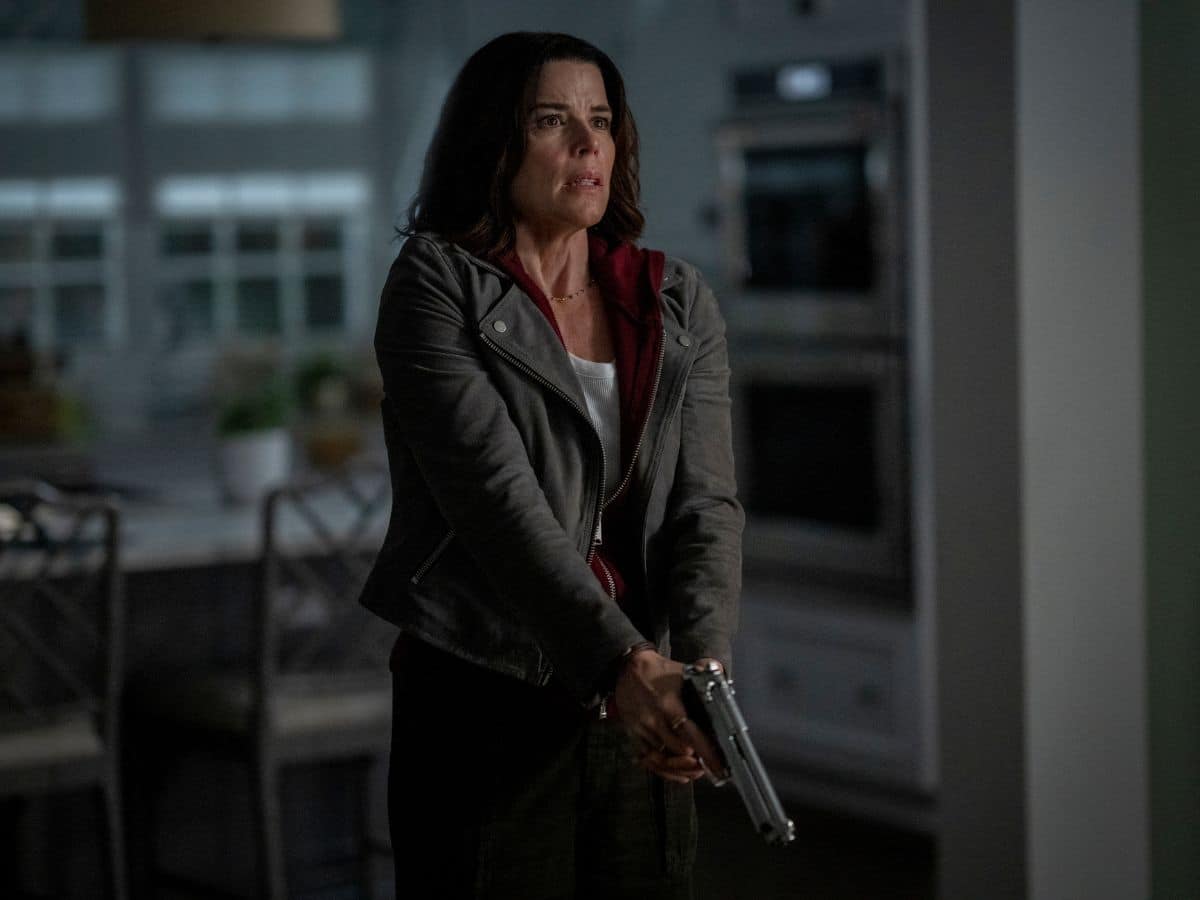
The production remained in a state of flux until March 2024, when Neve Campbell announced she would return as Sidney Prescott. Campbell had famously sat out Scream VI due to a salary dispute, stating at the time that the offer presented to her did not equate to the value she brought to the franchise. Her return, coupled with Williamson’s appointment as director, signaled a strategic pivot away from the "new generation" narrative and back toward the franchise’s roots.
Narrative Structure: Returning to the Source
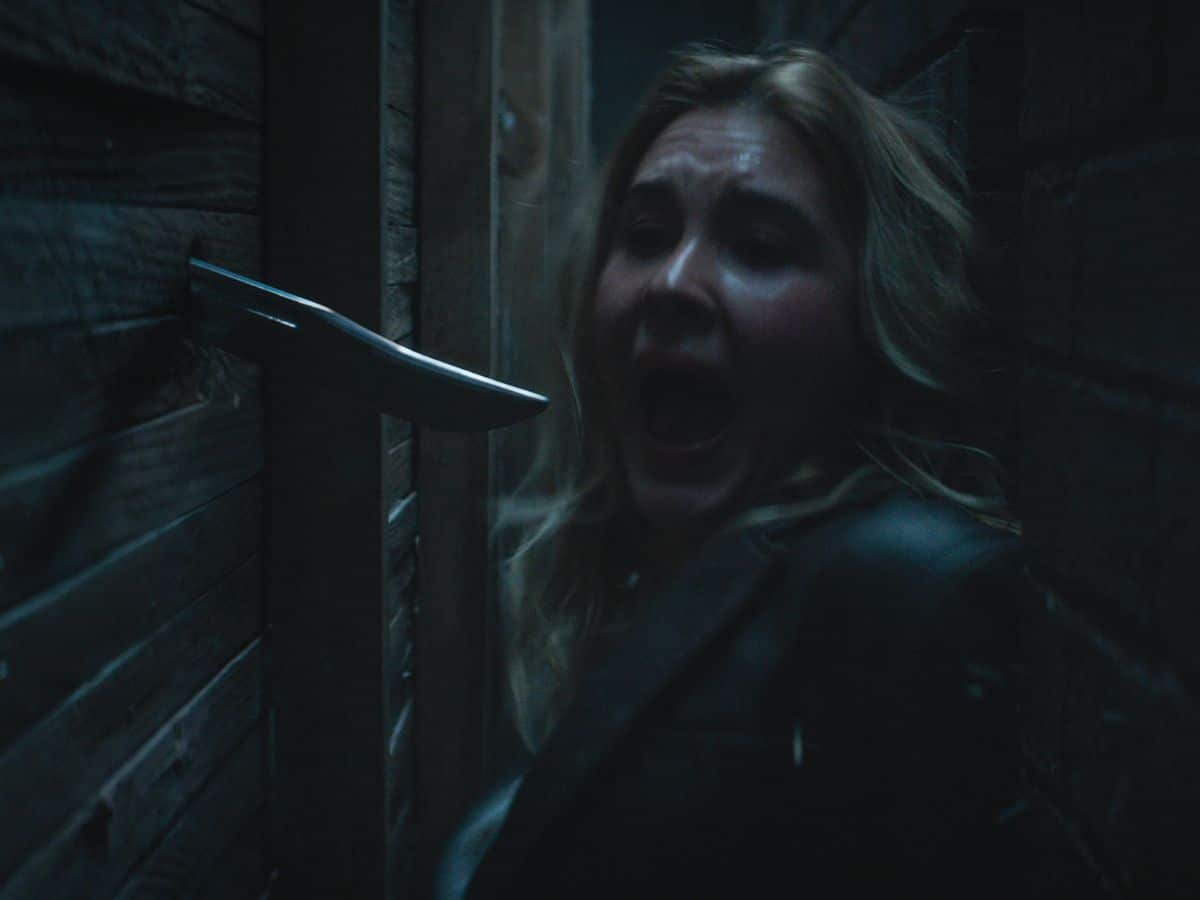
The film’s traditional opening set piece serves as a mission statement for this new-old direction. The action returns to Woodsboro, where a "Stab"-themed Airbnb experience has launched inside the original murder house where Billy Loomis and Stu Macher first terrorized the town in 1996. This meta-commentary on the commercialization of tragedy remains a hallmark of the series. The opening sequence maintains the heightened brutality established in the 2022 reboot, signaling that while the faces have changed, the threat of Ghostface remains visceral.
Following the prologue, the narrative shifts to Pine Grove, Indiana. This relocation reinforces a concept Williamson championed in the early days of the franchise: that the horror of Ghostface is a "placeholder" for American domestic anxiety and could theoretically happen anywhere. However, the move to Indiana also serves a practical purpose, distancing the story from the New York City setting of the previous film and the baggage of the Carpenter sisters’ storyline.
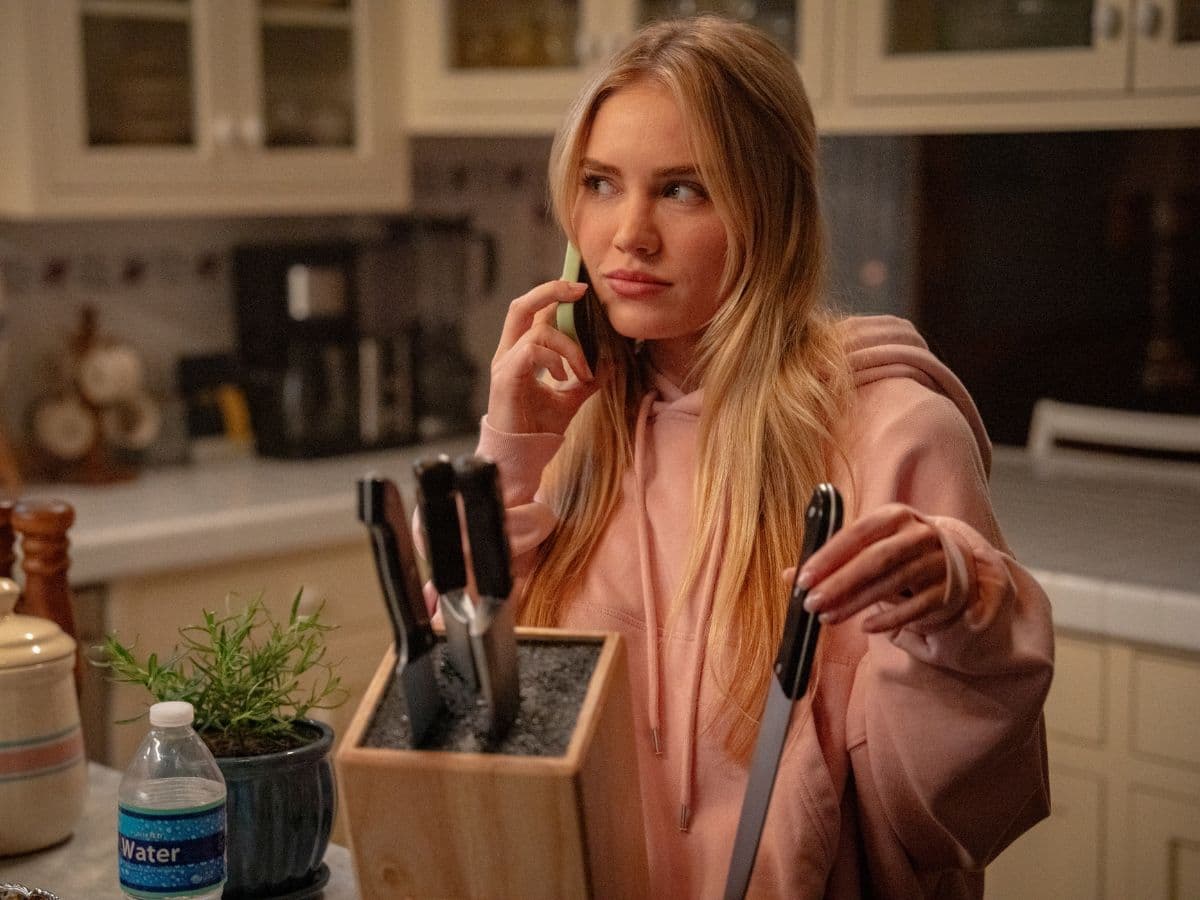
Sidney Prescott is now depicted leading a quiet, albeit vigilant, family life. She operates "The Little Latte Coffee Co." and is raising her children alongside her husband, Mark—a character returning from Scream 3, played by Joel McHale. The generational cycle is highlighted through her eldest daughter, Tatum (Isabel May), named after the character played by Rose McGowan in the 1996 original. Tatum is now the same age Sidney was when the first phone call occurred, creating a thematic mirror that explores the hereditary nature of trauma.
Supporting Data and Franchise Performance
The decision to return to the Sidney Prescott-centric narrative is supported by historical performance data. The Scream franchise is one of the most consistent performers in the horror genre, having grossed over $911 million across its first six installments.
| Film | Release Year | Global Box Office |
|---|---|---|
| Scream | 1996 | $173.0 Million |
| Scream 2 | 1997 | $172.4 Million |
| Scream 3 | 2000 | $161.8 Million |
| Scream 4 | 2011 | $97.2 Million |
| Scream (5) | 2022 | $137.7 Million |
| Scream VI | 2023 | $169.0 Million |
The data indicates that while the 2022 and 2023 films successfully captured a younger audience, the franchise’s highest peaks are often associated with the involvement of the original "Legacy Trio" (Campbell, Cox, and Arquette). By bringing back Neve Campbell and Courteney Cox, Paramount and Spyglass are banking on the "nostalgia economy" that has fueled recent successes in the Halloween and Ghostbusters franchises.
Technical Execution and Directorial Style
Kevin Williamson’s direction is characterized by a reverence for the visual language established by Wes Craven. The film utilizes shadow and perspective in a way that feels more aligned with 1990s suspense thrillers than the hyper-kinetic style of modern slasher films. One notable sequence involves an homage to Nosferatu, where the tattered silhouette of the Ghostface costume is projected against the walls of a suburban street during a high-stakes chase.
The soundtrack also leans heavily into the series’ history. The return of Nick Cave and The Bad Seeds’ "Red Right Hand" serves as an auditory cue for long-term fans, grounding the film in the atmosphere of the original trilogy. However, critics have noted that this reliance on the past occasionally comes at the expense of innovation. While the setup is structurally sound, the "whodunit" element—the core mystery of the film—is arguably one of the weakest in the series. The villain’s motivations are thin, lacking the psychological depth or the sharp satirical edge found in the motives of characters like Mrs. Loomis or Jill Roberts.
Official Responses and Industry Implications
The release of Scream 7 has prompted a variety of reactions from industry analysts and those involved in the production. In a recent press junket, Neve Campbell expressed satisfaction with the resolution of her previous contract issues, stating, "I’m glad the studio listened and realized the value of the characters that built this house."
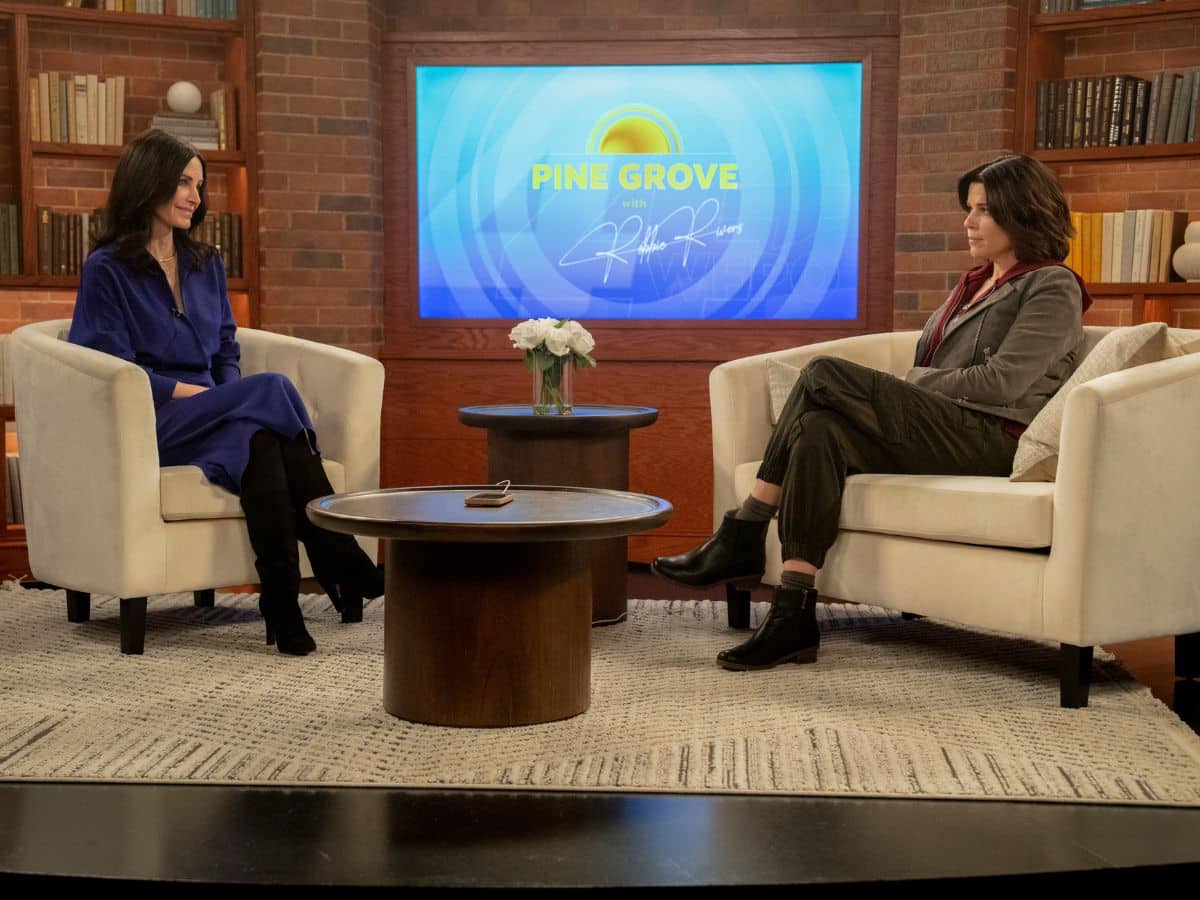
Conversely, some industry observers suggest that the film represents a "retreat to safety." The firing of Melissa Barrera remains a point of contention for a segment of the audience, leading to organized boycotts on social media platforms. From a corporate perspective, however, Scream 7 is being viewed as a successful exercise in brand management. By reuniting the original creator with the original star, the studio has effectively "reset" the franchise, allowing it to move forward despite the loss of its previous lead actors.
The broader implications for the horror genre are significant. Scream 7 demonstrates that the "slasher icon" (Ghostface) has become more important than the specific human characters under the mask. As long as the iconography remains intact—the voice of Roger L. Jackson, the Buck 119 knife, and the white shroud—the franchise can withstand significant cast turnover.
Conclusion: The Future of the Mask
Scream 7 is a blood-soaked love letter to the late Wes Craven, but it is one that occasionally feels stifled by its own devotion to the past. In a franchise built on the subversion of rules, playing it safe is perhaps the most unexpected move Williamson could have made, even if it is not the most creatively daring one.
The film successfully re-establishes Sidney Prescott as the definitive "Final Girl," and the addition of Isabel May provides a viable path forward for future installments. With both Williamson and Campbell expressing interest in an eighth film, it is clear that the Ghostface mask will not remain in the evidence locker for long. The challenge for the next chapter will be whether it can move beyond being a commentary on its own survival and once again become a pioneer of the genre.
For the "Scream generation"—those millennials who grew up with the rules of the trilogy—this entry offers a satisfying, if familiar, experience. It is a reminder that while the meta-commentary on horror cinema has evolved, the primal fear of a ringing phone and a voice asking, "What’s your favorite scary movie?" remains a potent cinematic tool. Scream 7 earns a respectable three-star rating, serving as a sturdy, professional bridge to the next era of Woodsboro’s dark history.


 Yuyun Lusiyani
 Joko Widodo
 Eva Lovia
 Pevita Pearce
 admin
admin