
 Lina Irawan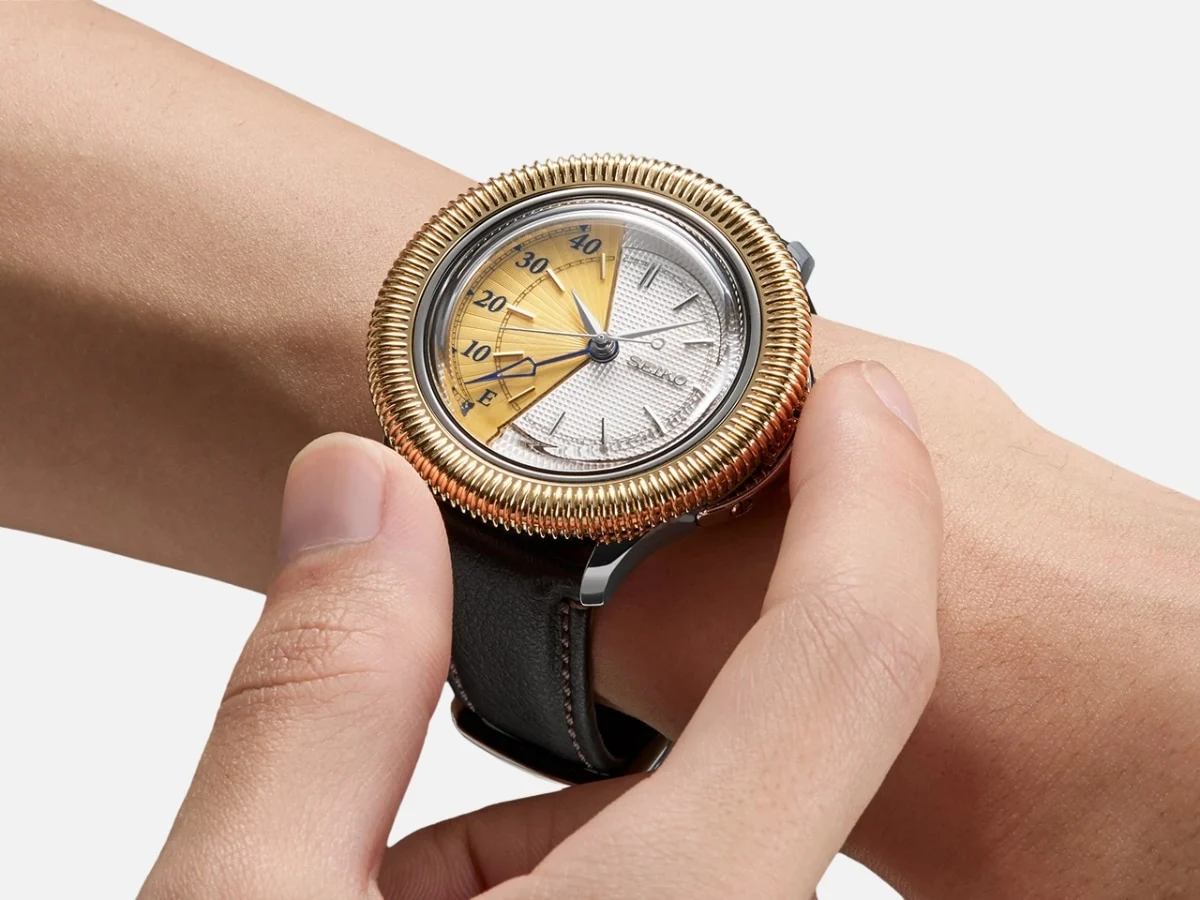
The Seiko Power Design Project has officially launched its 2026 exhibition, titled Passionately and Obsessively Crafted Watches, marking a significant evolution in the Japanese watchmaker’s approach to experimental horology. This year’s initiative grants seven of Seiko’s elite in-house designers the freedom to move beyond commercial constraints and focus on singular, often overlooked elements of watchmaking. Unlike traditional concept pieces that exist solely as static prototypes, each entry in the 2026 lineup is a fully functional mechanical device, requiring Seiko’s engineering teams to translate avant-garde design language into operational movements and cases.
The exhibition, which debuted in Tokyo before its scheduled residence at Japan House London from August 27 to September 15, 2026, represents the latest chapter in a project that has historically blurred the lines between industrial design and fine art. By tasking designers with exploring their "internal fixations," Seiko has produced a collection that ranges from raw, industrial aesthetics to whimsical, character-driven complications.
The Historical Evolution of the Power Design Project
The Power Design Project is not a new endeavor for Seiko; its roots trace back to 2001. Initially conceived as an internal laboratory for designers to explore ideas outside their standard assignments for the Prospex, Presage, or Astron lines, the project ran until 2009. After a thirteen-year hiatus, it was revived in 2022 under the "Seiko Seed" banner—a dedicated hub for innovation and creative exploration.

The revival brought a new rigor to the project. While the 2001-2009 era allowed for non-functional samples, the modern iteration requires "wearable reality." This mandate ensures that every intrusive design thought must be supported by horological physics. The 2022 exhibition, REBIRTH, focused on deconstructing and reassembling Seiko’s archival heritage. This was followed by 2024’s Incredibly Specialized Watches, which targeted hyper-niche audiences, such as sukiyaki enthusiasts and patternmakers. The 2025 series leaned into the fantastical, featuring watches for ninjas and vampires.
The 2026 exhibition shifts the focus from the wearer to the creator. By centering the theme on "obsession," Seiko allows its designers to interrogate the very components—indices, machining marks, and winding mechanisms—that usually serve a secondary role to time-telling.

Analysis of the Seven Obsessive Concepts
1. Machining Marks by Naoya Sukeda
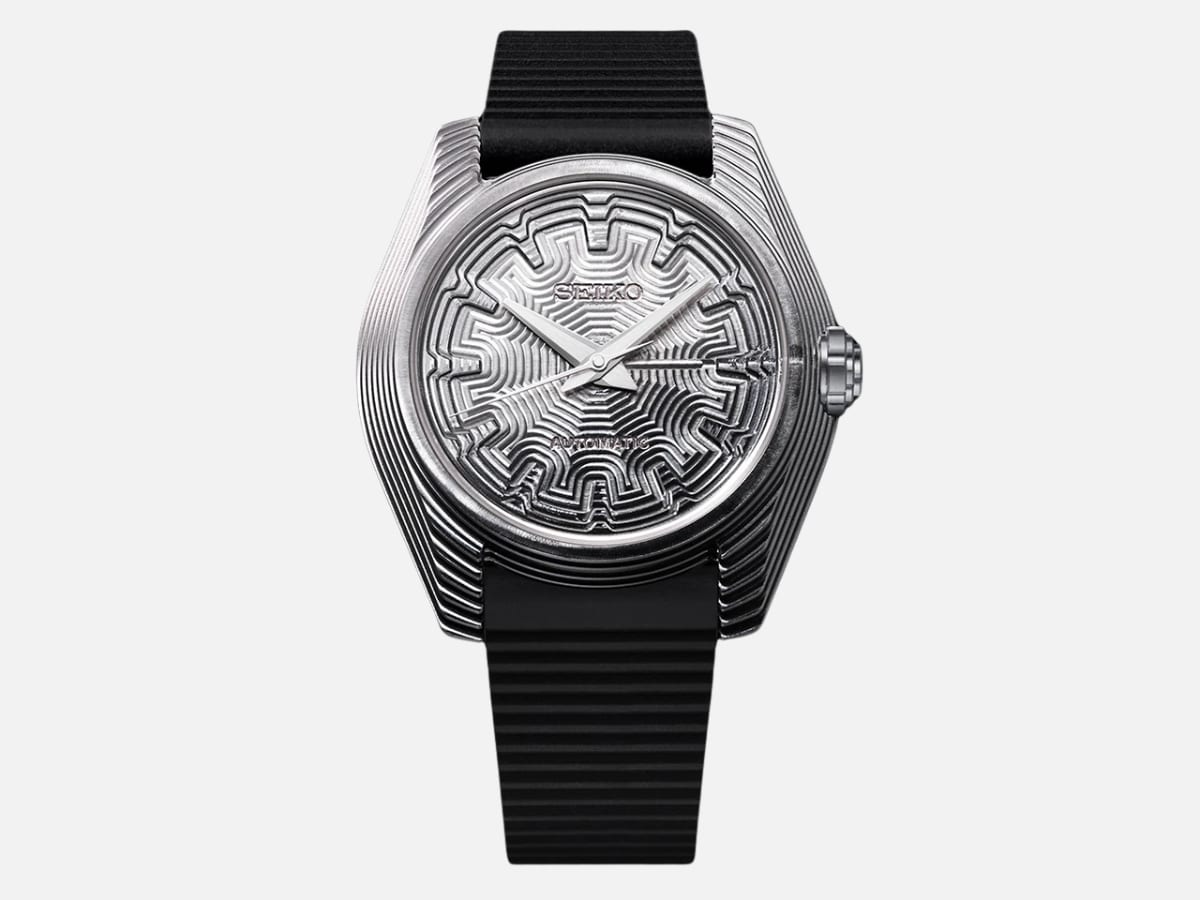
Naoya Sukeda’s contribution challenges the industry standard of "Zaratsu" polishing and flawless finishing. Inspired by the raw textures found in traditional Japanese woodworking, Sukeda opted to leave the scars of the manufacturing process visible. The case and dial are machined from a single block of metal, with the indices and logo carved directly into the surface. The resulting "topographical" aesthetic celebrates the tool’s path, while the rubber strap mimics the drive belts of industrial metalworking machinery. This piece suggests a shift in luxury perception, where the "honesty" of the material and process outweighs the traditional mirror finish.
2. Spherical Surface by Yu Ishihara
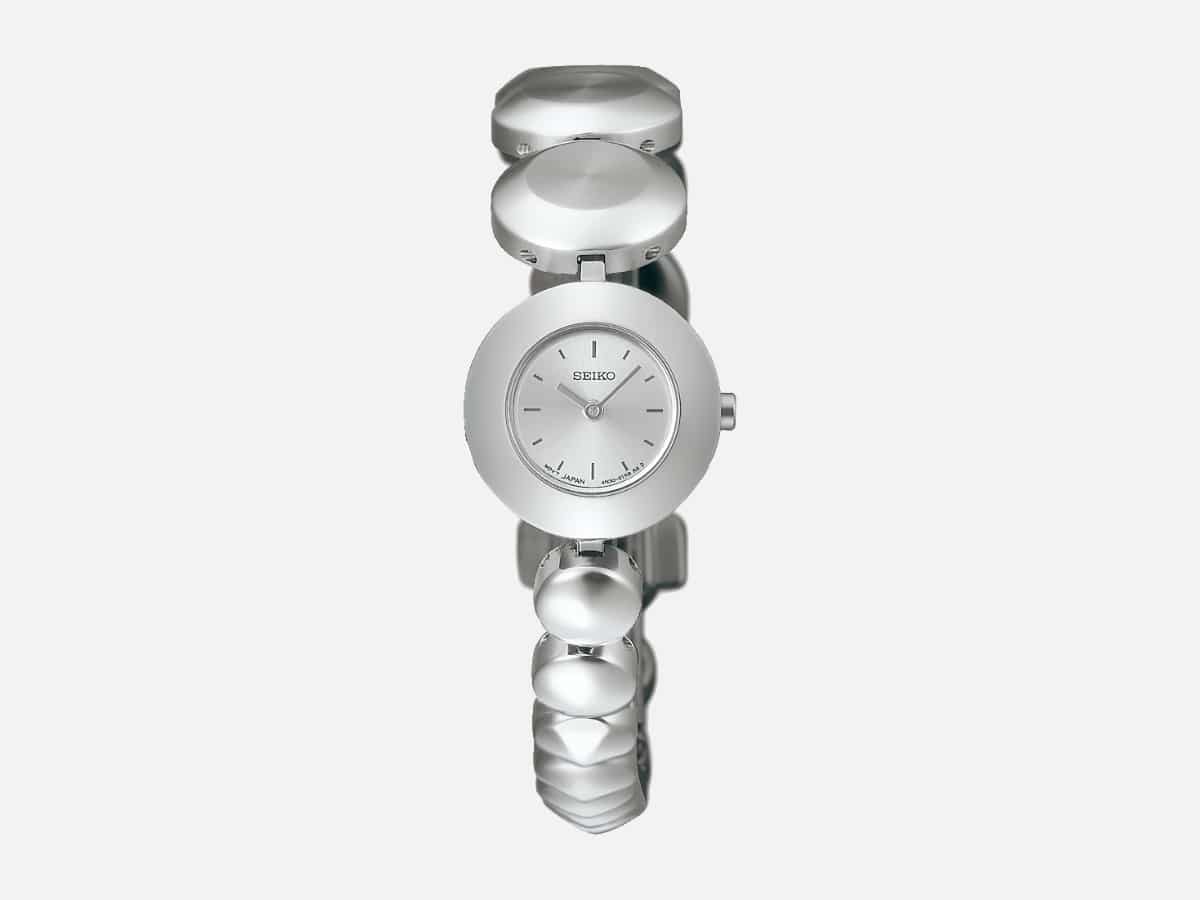
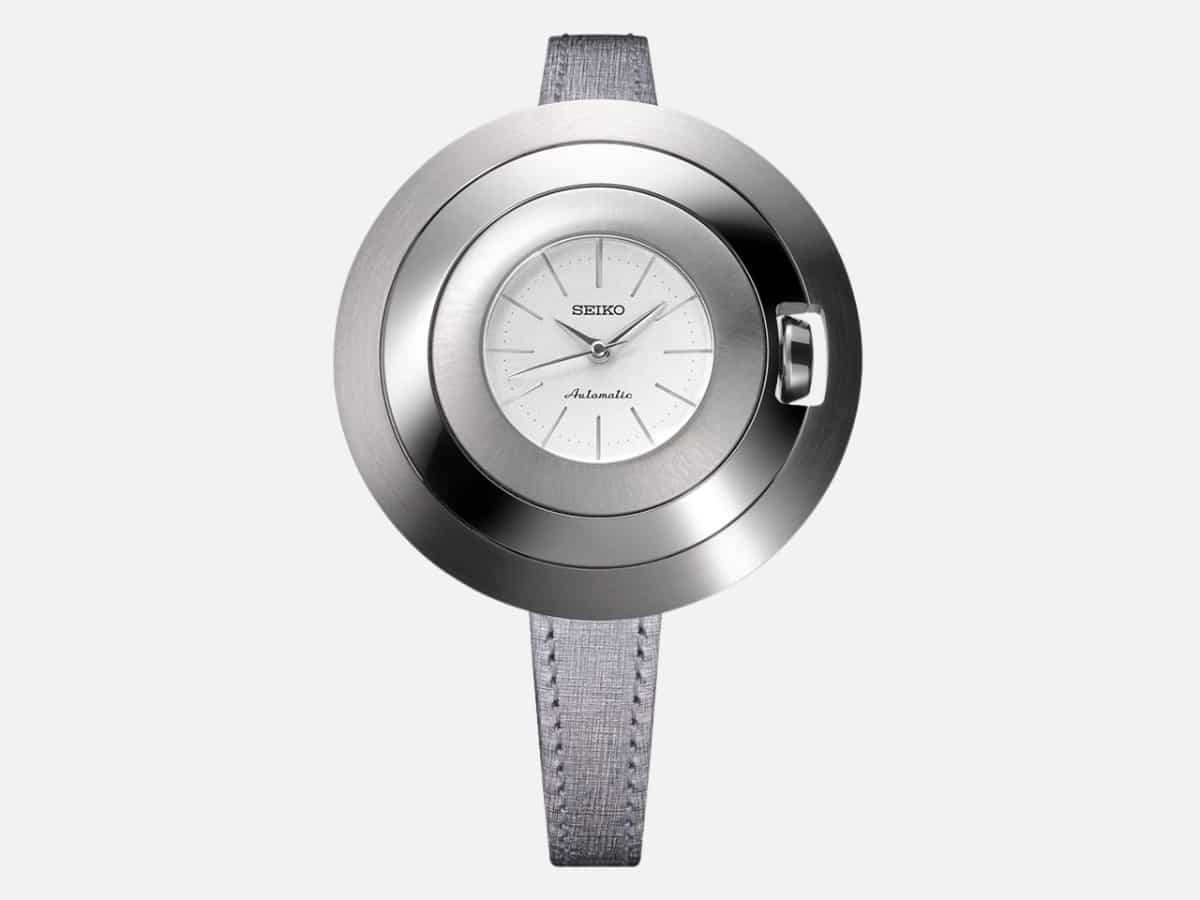
Design Director Yu Ishihara explored the optical properties of convex surfaces. Drawing parallels to vintage automotive headlights and security mirrors, Ishihara extended the curvature of the sapphire crystal across the entire watch head. The bezel, case, and crown guards follow a singular spherical arc, creating a pebble-like form that lacks traditional lugs. This design necessitates a specialized strap integration and a compact mechanical movement to fit within the curved architecture. The fully mirror-polished version acts as a literal reflection of the wearer’s environment, emphasizing the watch as an optical object rather than just a timekeeper.
3. Dial Texture by Takuya Matsumoto
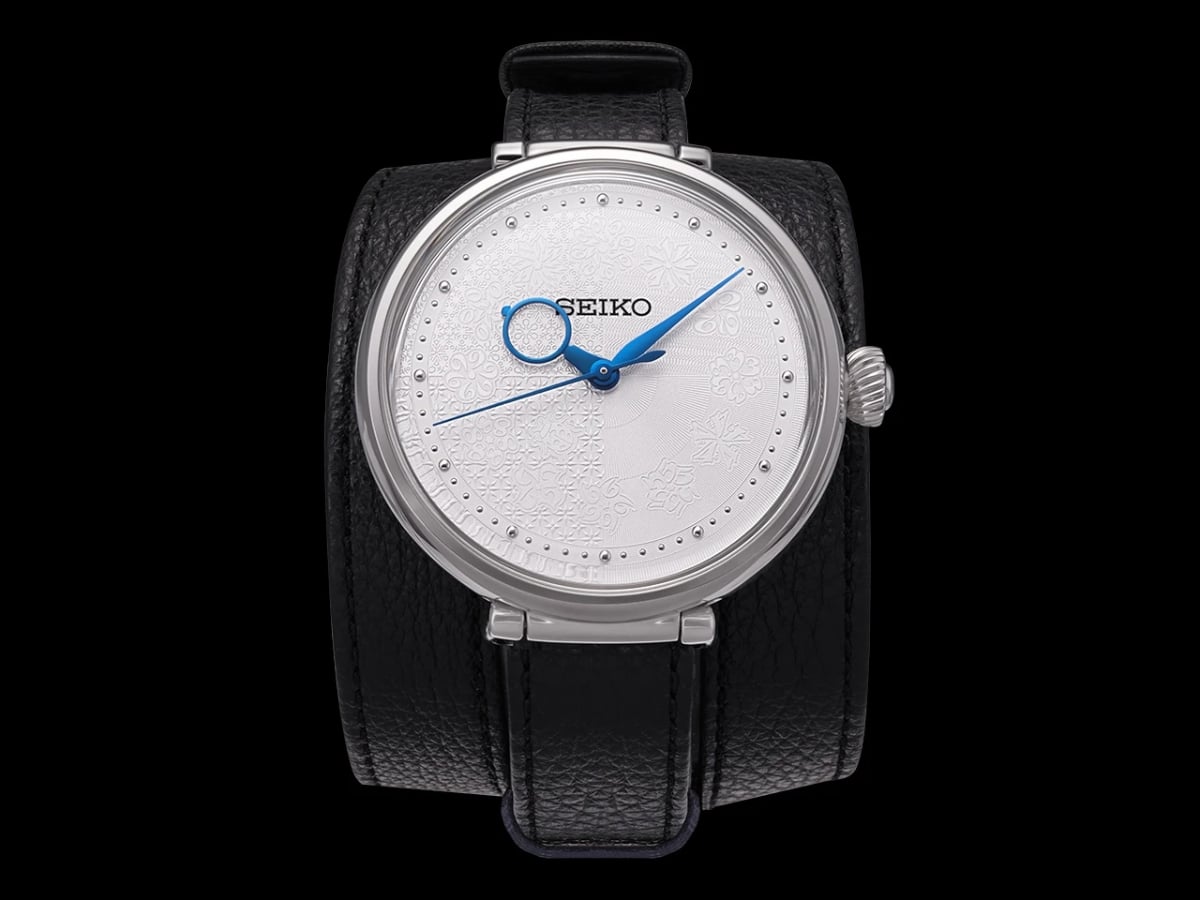
Takuya Matsumoto’s work focuses on the micro-engineering of metal embossing. Utilizing precision technology capable of controlling depth to within 0.01mm, Matsumoto created an "Arabesque Pattern" inspired by the geometric architecture of the Alhambra Palace. The dial serves as a seasonal map, integrating twelve flower motifs where the petals are formed from numerals. The font used for these numerals is a direct tribute to Seiko’s first branded wristwatch from 1924, creating a bridge between centennial heritage and modern micro-machining capabilities.
4. Manual Winding by Kento Ito
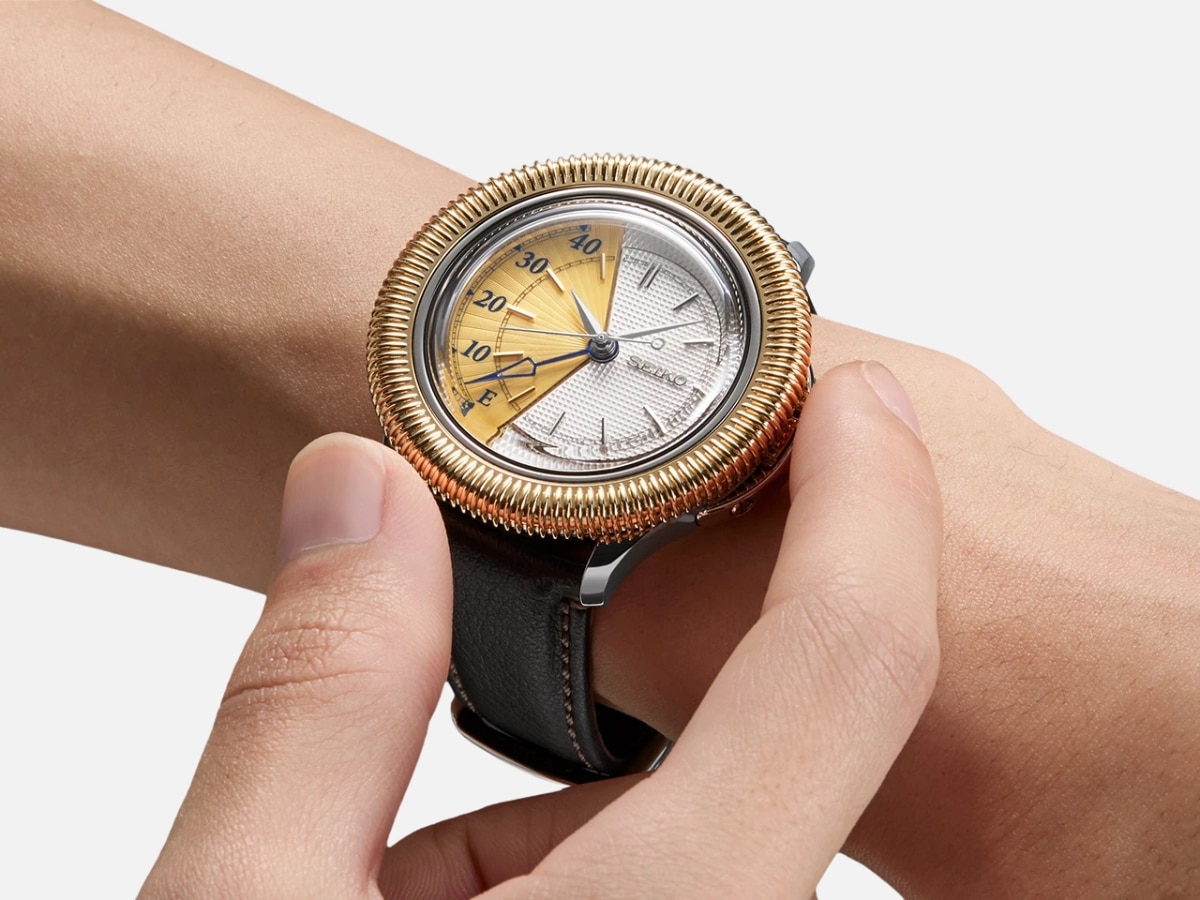
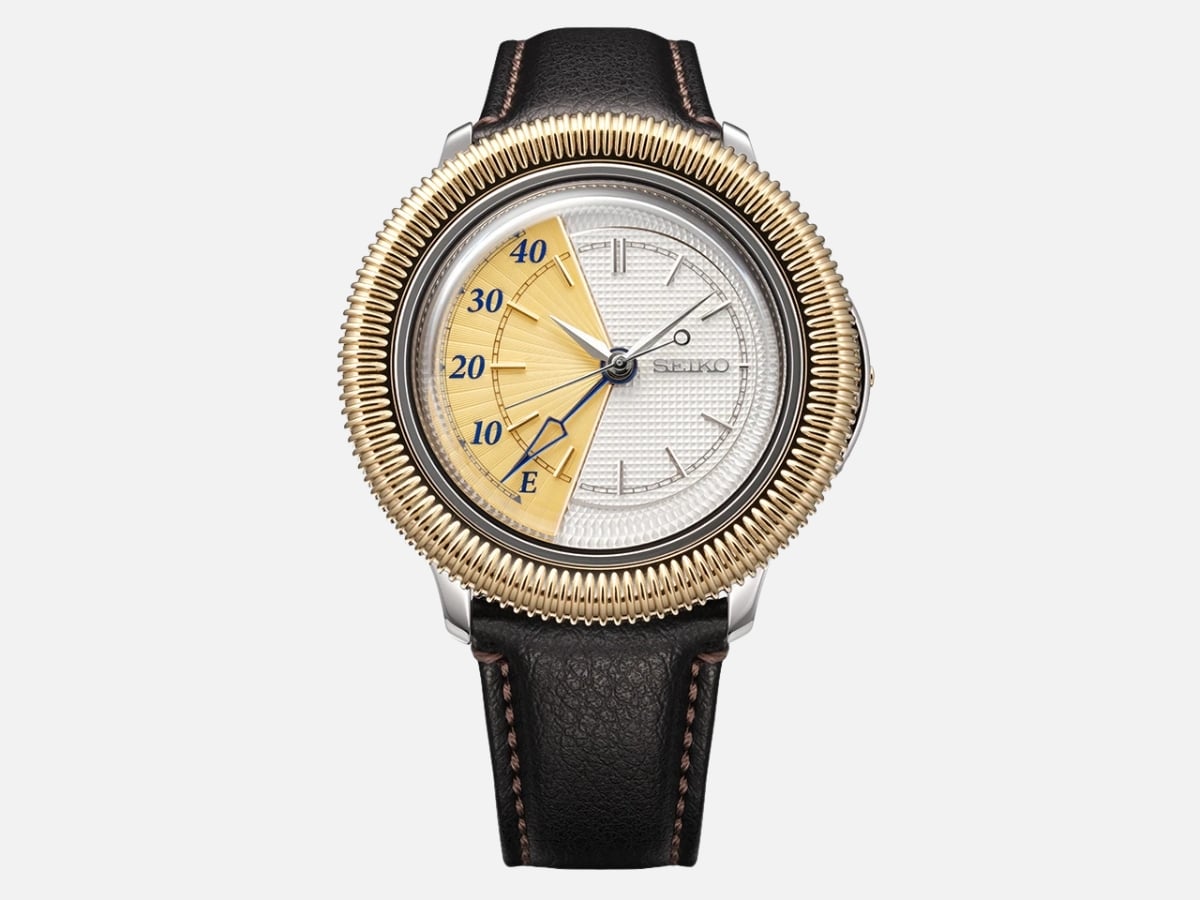
Kento Ito’s design addresses the tactile relationship between the user and the mechanical movement. Ito, influenced by his childhood hobby of tuning Mini 4WD cars, found standard watch crowns too diminutive for a truly engaging experience. His "Manual Winding" concept features a rotating bezel that meshes with the crown via a gear system. Turning the bezel winds the mainspring, turning a routine maintenance task into a centerpiece interaction. To accommodate this, the time-telling hands are offset to the 3 o’clock position, allowing for an oversized power-reserve indicator at 9 o’clock that provides immediate visual feedback during the winding process.
5. Bar Indices by Miho Wada
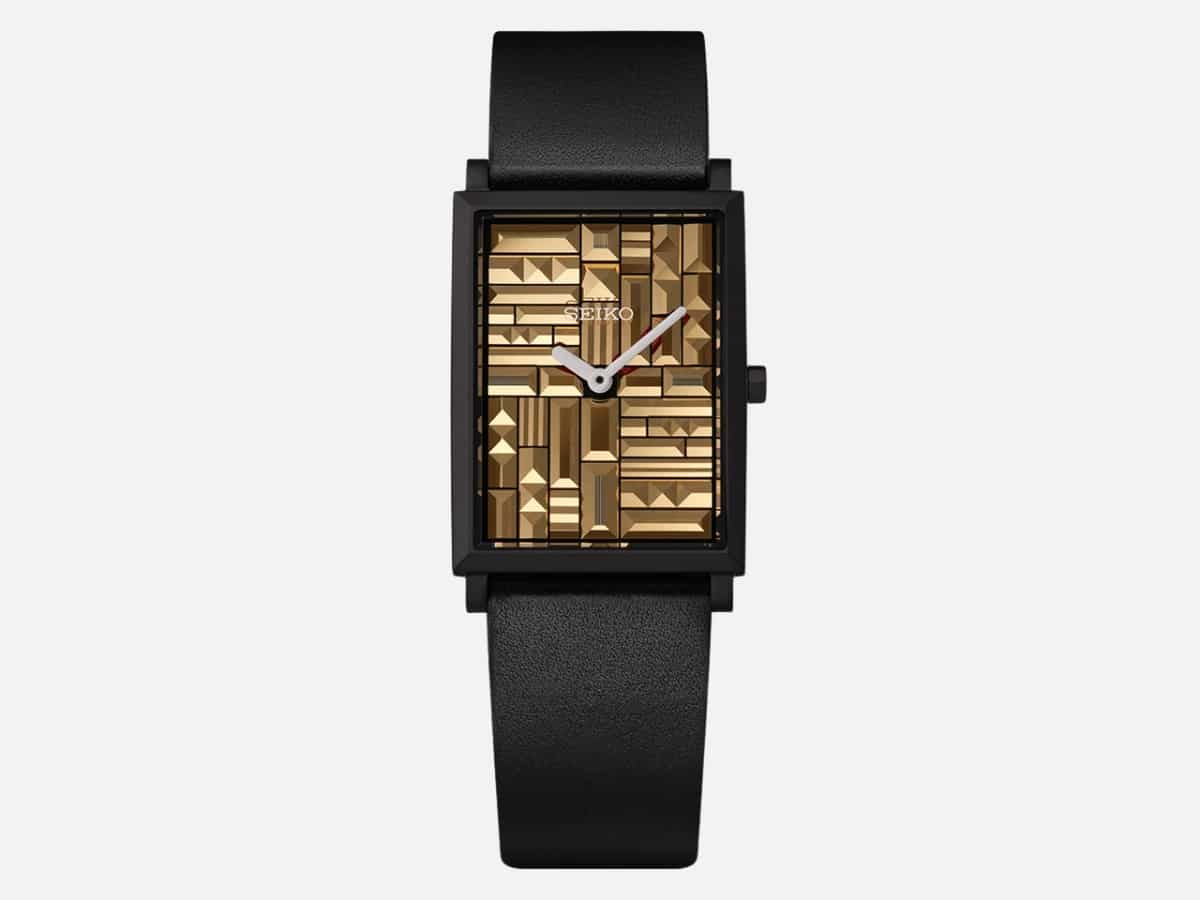
Miho Wada, a Design Director for Seiko’s ultra-luxury Credor brand, turned her attention to light refraction. Her design features 37 individual bar indices across 23 different geometries, filling the dial to create a dense, metallic cityscape. Wada’s inspiration stems from the iridescent shells of jewel beetles, leading to the use of diamond-cut surfaces that catch light at every angle. A subtle but complex detail includes painting the underside of the hands red, so the color is only visible as a reflection on the polished indices below.
6. Day Indicator by Akihiro Hasegawa
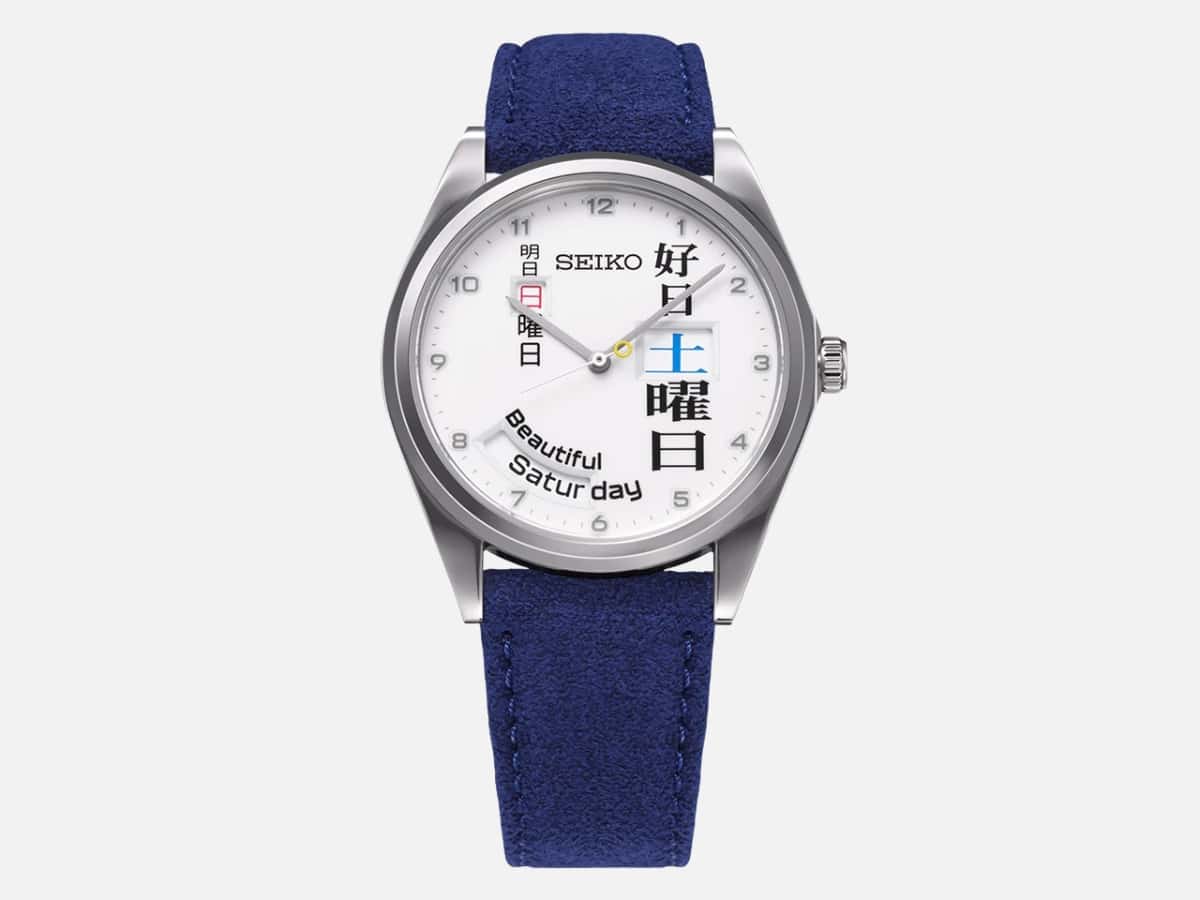
Akihiro Hasegawa focused on the emotional weight of the "day" complication. Recognizing that digital devices have made mechanical calendars technically obsolete, Hasegawa sought to restore the charm of the rotating day wheel. His watch displays the current day in both English and Japanese, along with the subsequent day and auspicious phrases. The design uses layered windows and pale-blue shading to create a three-dimensional sky effect, leaning into the nostalgia of "Blue Monday" and other cultural associations with the passage of the week.
7. Hands by Yuki Omori
The most whimsical entry, Yuki Omori’s "Ten-chan" watch, uses the anatomy of a cat to indicate time. Ten-chan, a character inspired by the tenpu (balance wheel) and hairspring, is rendered in three dimensions. The cat’s arms track seconds, its feet track minutes, and its tail indicates the hours. The engineering challenge involved ensuring that the cat’s limbs could overlap without interference while maintaining legibility through a box-shaped crystal. The caseback features a paw-shaped aperture revealing the actual balance wheel, closing the conceptual loop between the character and the mechanical heartbeat of the watch.
Technical Feasibility and Engineering Challenges
The Power Design Project serves as a stress test for Seiko’s manufacturing arm. Translating these designs into functional watches requires bespoke components that do not exist in Seiko’s standard inventory. For instance, Kento Ito’s gear-linked bezel winding system requires a complete reconfiguration of the traditional crown-to-barrel transmission. Similarly, Yu Ishihara’s spherical case necessitates a specialized assembly process to ensure water resistance despite the absence of traditional flat surfaces.
By forcing engineers to solve these "impossible" design briefs, Seiko builds a repository of technical solutions that eventually trickle down to commercial collections. The requirement for functionality prevents the project from becoming purely academic, ensuring that any breakthrough in material science or gear geometry is grounded in real-world application.
Chronology of Commercial Integration
While the Power Design Project is primarily an exhibition of creativity, it has a proven track record of influencing Seiko’s retail offerings. In late 2025, Seiko released the "Power Design Project Collection 1" (Reference SSEH021), which was directly derived from a concept shown in the 2022 REBIRTH exhibition.
This establishes a timeline where a concept debuted in 2026 could potentially see a limited or mass-market release by 2028 or 2029. The project acts as a public focus group, allowing Seiko to gauge interest in radical aesthetics—such as Sukeda’s raw machining marks or Ito’s bezel winding—before committing to large-scale production runs.
Broader Impact on the Horological Industry
Seiko’s commitment to the Power Design Project highlights a broader trend in the watch industry: the move toward "experience-driven" horology. As mechanical watches transition from essential tools to luxury items and collectibles, the "why" behind a design becomes as important as the "how."
By transparently showing the obsessions of its designers, Seiko humanizes its brand, moving away from the image of a monolithic industrial giant and toward that of a craft-oriented house. This strategy aligns with the increasing consumer interest in Japanese "Monozukuri" (the art of making things). The exhibition at Japan House London further reinforces this, positioning Seiko not just as a manufacturer, but as a cultural ambassador for Japanese design philosophy.
Conclusion and Future Outlook
The 2026 Power Design Project Passionately and Obsessively Crafted Watches exhibition confirms that Seiko remains dedicated to high-concept exploration. By allowing its designers to pursue their "intrusive thoughts," the company ensures its design language remains vibrant and unpredictable.
While the seven watches currently exist as exhibition pieces, their existence as functional mechanical objects suggests that the boundaries of what defines a "Seiko" are constantly expanding. Whether these specific models reach the wrists of collectors or simply inform the next generation of Prospex and Presage models, the project remains a vital pulse-check for the future of Japanese watchmaking. For the global horological community, the London exhibition provides a rare opportunity to witness the intersection of obsessive craftsmanship and industrial ingenuity firsthand.



 Yuyun Lusiyani
 Joko Widodo
 Eva Lovia
 Pevita Pearce
 admin
admin