
 Yuyun Lusiyani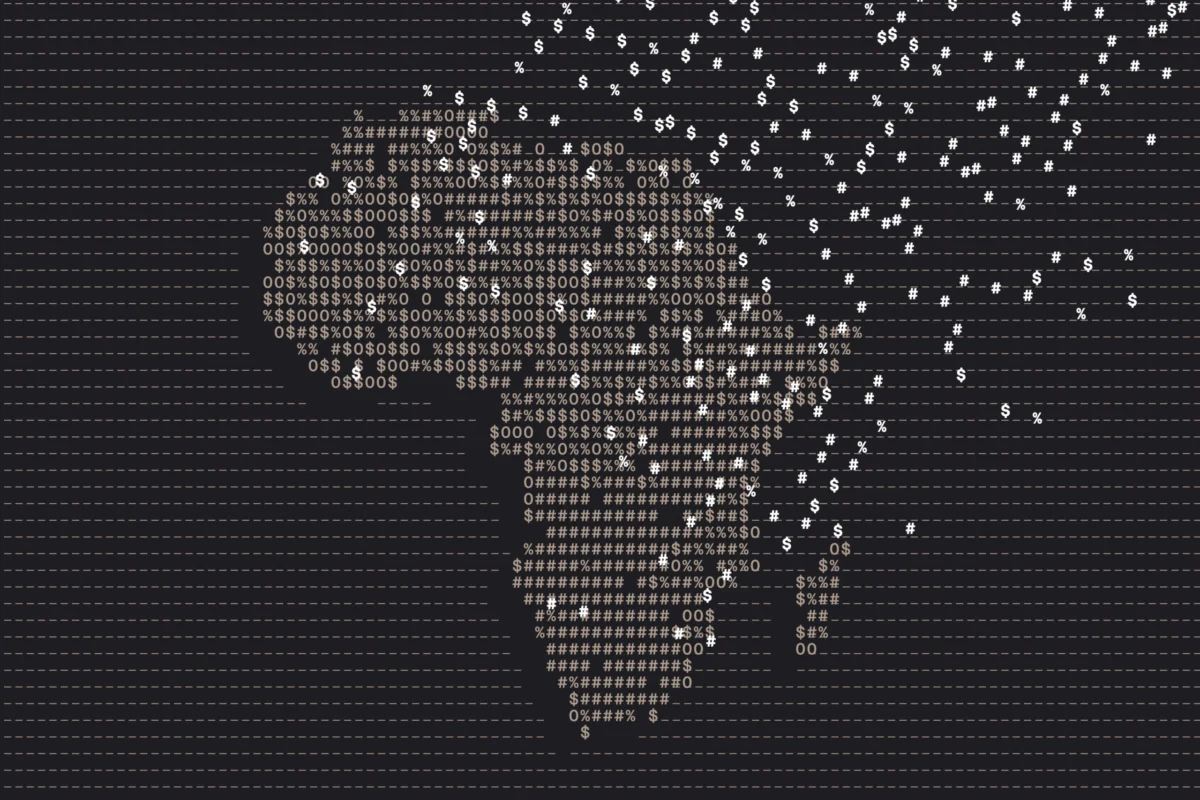
Eight Democratic U.S. senators, led by Senator Raphael Warnock of Georgia and including Senate Minority Leader Chuck Schumer, have issued a strong rebuke to the Trump administration’s controversial demands for extensive health data from recipient nations as a precondition for providing critical lifesaving aid. Citing detailed reporting by ProPublica, the senators argue that these unprecedented data-sharing requirements are not only at odds with U.S. policy regarding the privacy of American citizens’ data but also risk setting dangerous international precedents. In a sharply worded letter addressed to Secretary of State Marco Rubio, dispatched last week, the legislators underscored their profound concerns about the potential for misuse, exposure, or commercialization of sensitive personal health information belonging to millions of individuals in vulnerable countries.
The Senate’s Alarming Concerns and Urgent Demands
The bipartisan group of senators, which also includes Tim Kaine of Virginia, Chris Van Hollen of Maryland, Brian Schatz of Hawaii, Amy Klobuchar of Minnesota, Christopher Coons of Delaware, and Jeff Merkley of Oregon, specifically highlighted the "unprecedented" nature of these demands. Their letter, dated August 2026, requested an immediate and comprehensive briefing on the specifics of these healthcare agreements and their inherent data requirements. Furthermore, they set a deadline for Secretary Rubio to provide written responses to a detailed list of over a dozen critical questions by the end of August. These questions delve into the legal and ethical ramifications of the data demands, including why the State Department has not made these agreements public, as federal law mandates, and whether any of the collected data would be shared with "U.S.-based third parties for any commercial purpose, including to train any artificial intelligence models." Crucially, the senators also sought clarification on the privacy rights foreign citizens would retain over their data transferred to the U.S., and how those rights would be enforced in the event of a data breach or any other unethical use of their personal information.
The senators articulated their worry that these requirements could have far-reaching consequences beyond the immediate countries involved, potentially establishing "international precedents that ultimately harm Americans." They drew a direct contrast between these new demands and the Trump administration’s own National Cyber Strategy, which explicitly champions the right to privacy for U.S. citizens and their data. "These new demands set an alarming precedent that is seemingly contrary to the Administration’s longstanding support for the privacy of U.S. citizens’ data," the senators asserted, pointing to a perceived hypocrisy in the administration’s stance on data privacy.
ProPublica’s Investigation: Unveiling Vague Agreements and Data Risks
The impetus for the senators’ inquiry stemmed directly from a compelling ProPublica investigation published in June. This investigative report brought to light the details of agreements forged between the U.S. and several African nations, particularly focusing on Uganda, and the significant risks these deals posed to the privacy of individuals within those countries. Experts interviewed by ProPublica expressed deep apprehension, describing the agreements as "vague" and notably lacking the robust language typically found in standard data-sharing protocols. This deficiency, they warned, failed to adequately limit the scope of information collected and the permissible uses of such data, thereby elevating the risk of personal data being exposed, misused, or exploited for commercial gain without the explicit consent of the individuals concerned.
One particularly concerning aspect detailed in the ProPublica report, and subsequently underscored by the senators, was a data-sharing agreement between the U.S. and Uganda. This agreement reportedly mandated that Uganda provide the U.S. — and its designated contractors — with direct access mechanisms, such as logins, to directly enter the nation’s health data systems. This stipulation marked a stark departure from previous U.S. global health initiatives. As the senators emphasized, "While global health programs have historically included data sharing components, they have never required direct access to privileged electronic systems for U.S. government representatives." This shift from aggregated, anonymized data to direct access to national health infrastructure represents a significant escalation in data demands and a potential erosion of national data sovereignty.
A Radical Policy Shift: The "America First" Approach to Global Health
The current administration’s approach to health data collection is inextricably linked to a broader reorientation of U.S. foreign aid policy under the "America First Global Health Strategy." This strategy, articulated by Secretary Rubio in September 2025, aims to redefine U.S. aid provision "in a way that directly benefits the American people and directly promotes our national interest," with goals including making America "more prosperous" and promoting "American health innovations."
This strategic pivot followed a period of significant upheaval within U.S. international development agencies. The Trump administration had previously undertaken a dramatic restructuring, dismantling the U.S. Agency for International Development (USAID) and drastically reducing funding for international health work traditionally conducted by the Centers for Disease Control and Prevention (CDC). These moves created a vacuum in the existing infrastructure for delivering foreign aid and addressing global health crises. In response, Congress mandated the executive branch to continue providing foreign aid, compelling the State Department to devise new mechanisms for disbursing funds, ensuring their judicious use, and responding to potential pandemics, all while navigating the loss of established international partners and experienced staff.
Historically, programs like PEPFAR (the U.S. President’s Emergency Plan for AIDS Relief), a cornerstone of U.S. global health efforts providing aid for HIV treatment and prevention worldwide, operated by building its own systems to handle anonymized data, maintaining a clear separation from foreign government health records. This approach prioritized data aggregation and de-identification, minimizing direct access to sensitive national systems. In contrast, the new agreements, such as the one with Uganda, grant the U.S. direct entry into the host government’s own health data systems, a departure that has raised alarms among privacy advocates and policymakers alike.
Furthermore, these new arrangements extend beyond health records. Through separate agreements, the U.S. has also sought and arranged for countries to provide specimens of pathogens with pandemic potential, alongside related epidemiological and patient information. This dual demand for health data and biological samples underscores a comprehensive effort to centralize data and resources under the new "America First" framework.
The architect behind this ambitious effort to establish new aid arrangements was Brad Smith, an entrepreneur with a background in healthcare companies, one of which reportedly sold for $2.7 billion. Before his tenure at the State Department, Smith notably led a government efficiency panel that subsequently evolved into the Department of Government Efficiency. His prior experience also includes overseeing approximately $67 billion in cuts to the Department of Health and Human Services, suggesting a strong inclination towards efficiency and a willingness to reshape established bureaucratic structures. This background likely informed the novel, centralized, and data-intensive approach seen in the new aid agreements.
The agreement with Uganda, for instance, provides up to $1.7 billion in aid specifically earmarked for combating HIV, tuberculosis, and malaria, among other diseases. While the deal ostensibly calls for the sharing of aggregated data with all personally identifiable information removed, and specifies that this information should be used solely for delivering and auditing healthcare services, experts have warned that even anonymized data is not entirely secure. Advances in data science mean that it is often possible to "reverse-engineer" de-identified data, potentially linking it back to individuals, particularly when combined with other publicly available information. This vulnerability further exacerbates the privacy concerns surrounding the new agreements.
The Stakes: Data Privacy, Sovereignty, and Humanitarian Aid
The implications of mishandling health data under these new agreements are profound and potentially devastating. Privacy experts universally agree that the exposure of sensitive healthcare histories—which can include details about abortions, mental health conditions, substance-use treatment, or sexually transmitted diseases—carries severe consequences in any context. However, in many African nations, where social stigma surrounding certain health conditions remains high, research has consistently demonstrated that such disclosures can lead to widespread discrimination, ostracization, and even physical violence. A 2016 study published in AIDS Care, for example, highlighted the severe psychosocial consequences of HIV status disclosure in certain African communities, including increased vulnerability to domestic violence and social isolation.
Beyond individual harm, these data demands raise significant questions about national sovereignty and the ethical boundaries of humanitarian aid. When a donor nation requires direct access to a recipient nation’s core health infrastructure as a condition for aid, it can be perceived as an infringement on sovereignty and an erosion of trust. This power dynamic can place recipient countries in an unenviable position, forced to choose between critical aid for their populations and the protection of their citizens’ sensitive data.
In the rapidly evolving age of artificial intelligence, health data has emerged as an exceptionally valuable commodity. Its utility in training sophisticated AI models for disease prediction, drug discovery, and personalized medicine is immense, making it a highly sought-after resource. However, the agreements reviewed by ProPublica conspicuously lack any provisions guaranteeing that the African populations whose data is being collected will have a say in how their information is ultimately used, or whether they would receive any potential financial benefits derived from its commercial application. This oversight raises serious ethical questions about data colonialism and equitable benefit sharing in an era where data is increasingly viewed as a new form of capital.
The precedent set by these demands could also undermine global efforts to establish robust international data governance frameworks. If major donor nations bypass established norms of data protection and sovereignty, it could create a fragmented and vulnerable global data landscape, making it harder to build consensus on common standards for privacy and ethical data use. This could have long-term negative repercussions for global health initiatives that rely on trust, collaboration, and mutual respect among nations.
The State Department’s Defense and Ongoing Debate
In response to inquiries regarding the senators’ letter, the State Department declined to comment on specific congressional correspondence. However, in a statement provided to ProPublica, a spokesperson defended the data requirements embedded within the health agreements. The statement asserted, "Neither the U.S. government nor any private American companies receive or review any personally identifiable information (PII) under these data sharing agreements." The spokesperson further elaborated that the new deals "share only the same kinds of aggregated, de-identified data that has been shared and used for years in the fight against HIV/AIDS, malaria, tuberculosis, and other diseases." The department also maintained that "All data sharing is consistent with each country’s laws and approvals" and emphatically stated that no country had been coerced into signing these agreements with the U.S.
This defense, however, clashes with the senators’ and experts’ interpretations of the agreements’ language and implications. The distinction between "personally identifiable information" (PII) and the potential for reverse-engineering "de-identified" or "aggregated" data remains a contentious point. While the State Department emphasizes adherence to local laws, the vagueness of the agreements themselves, as highlighted by ProPublica, suggests a potential loophole or lack of clarity that could lead to unintended consequences.
The ongoing debate underscores a fundamental tension between the imperative to provide lifesaving aid and the equally critical need to protect individual privacy and national sovereignty. As the world becomes increasingly interconnected and data-driven, the ethical stewardship of sensitive information, particularly in the context of humanitarian assistance, will remain a paramount challenge for international relations and global health diplomacy. The senators’ letter to Secretary Rubio represents a significant step in holding the administration accountable for its policies and demanding greater transparency and adherence to established norms of data protection on the global stage. The response from the State Department, and the subsequent actions taken, will inevitably shape the future of U.S. foreign aid and its implications for global data governance for years to come.




 Joko Widodo
 Eva Lovia
 Pevita Pearce
 admin
admin
 Lina Irawan