
 Ana Megawati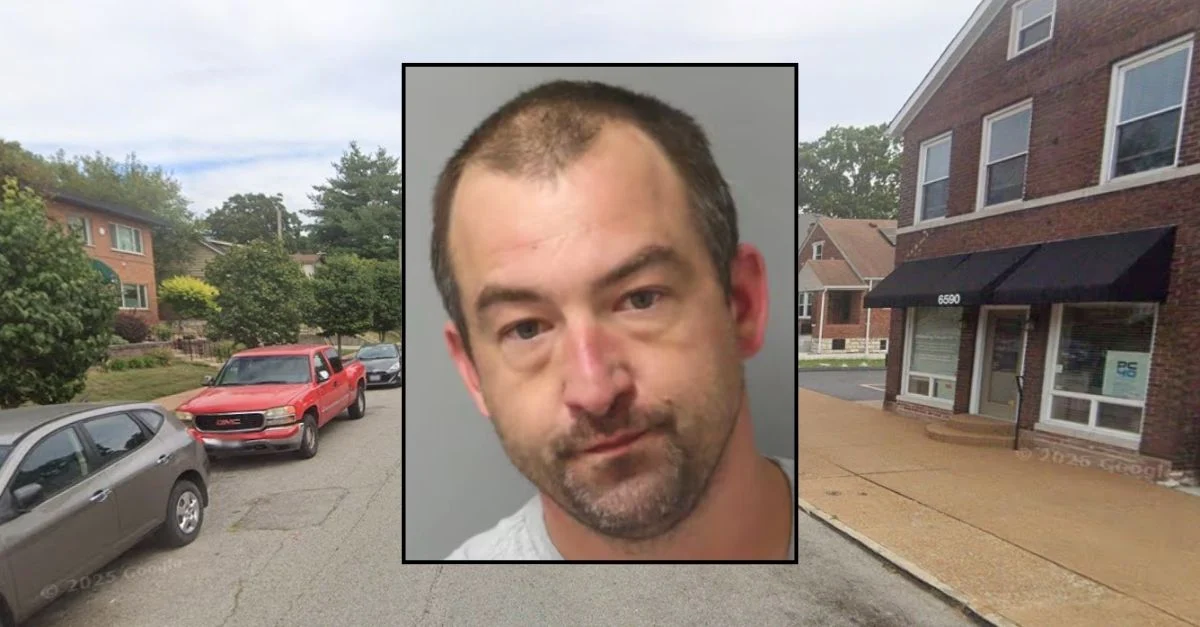
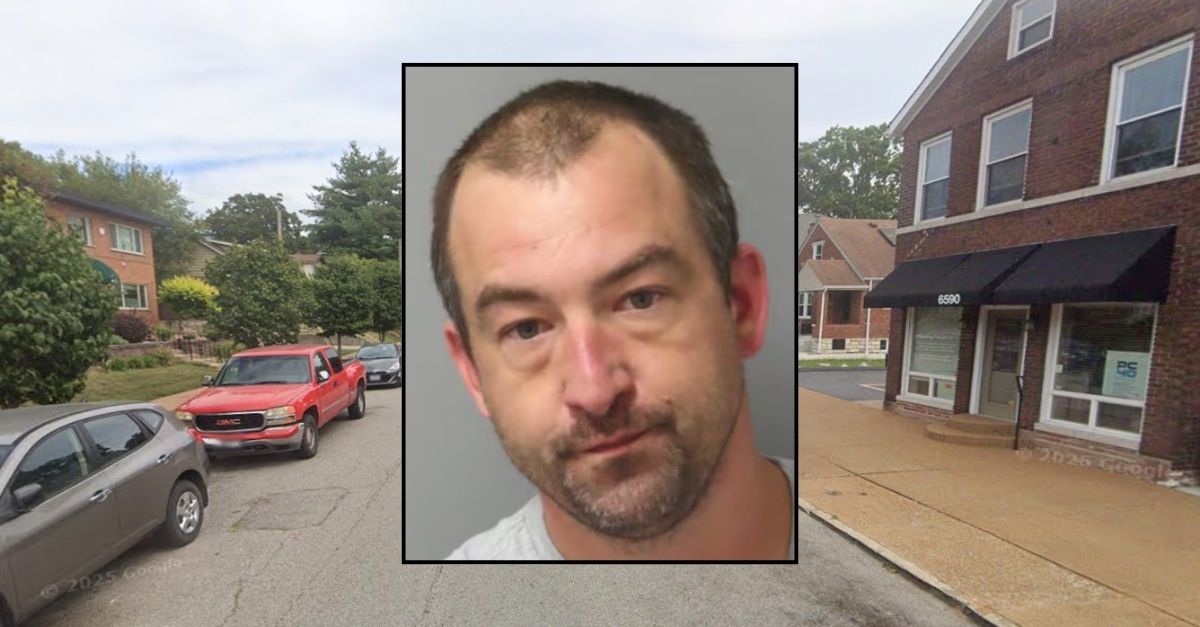
Timothy Kemper, a 39-year-old resident of St. Louis, Missouri, is facing severe legal repercussions, including charges of first-degree murder, first-degree assault, unlawful use of a weapon, and three counts of armed criminal action, after a July 16th incident where he allegedly opened fire on a group of individuals he observed "rummaging" through his vehicle. The confrontation resulted in the death of one man and serious injury to another, sparking a complex legal battle centered on the boundaries of self-defense and property protection under Missouri law.
The Night of the Incident: A Confrontation Over Property
The events leading to the charges against Kemper unfolded in the early hours of July 16th in St. Louis. According to a probable cause affidavit filed by authorities, Kemper, who resides on the second floor of a building near where his car was parked, witnessed a group of males approaching his vehicle. Surveillance footage from the area reportedly shows this group checking car handles, consistent with individuals attempting to unlawfully enter vehicles. Kemper allegedly observed one individual from the group enter his car and begin to "rummage through it."
In response to this perceived threat to his property, Kemper reportedly retrieved a firearm. The affidavit states that he then "fired several rounds at the group." It remains unclear from initial reports whether Kemper discharged his weapon from within his residence or if he descended to confront the individuals directly. The gunfire struck two men. Victim 1 sustained fatal injuries and later died. Victim 2 was critically injured, suffering gunshot wounds to his mid-back, left flank, left arm, and right chest. Both victims were subsequently transported to a hospital by unknown means, where police were first alerted to the shooting.
Following the incident, investigators found Kemper’s vehicle with clear signs of forced entry and having been "rummaged through." Police were dispatched to the scene of the shooting after being called to the hospital where the victims were dropped off. Kemper, a lifelong resident of St. Louis, surrendered to officers and informed them that he was the shooter. His lawyer has since asserted in court filings that Kemper was "acting in self-defense," setting the stage for a significant legal challenge.
Legal Ramifications and Charges
Following an in-custody interview, homicide detectives arrested Kemper. Their findings were then presented to the St. Louis Circuit Attorney’s Office, which elected to issue the aforementioned charges: first-degree murder, first-degree assault, unlawful use of a weapon, and three counts of armed criminal action. These charges indicate the severity with which the prosecution views Kemper’s actions, particularly the first-degree murder charge, which implies premeditation or a knowing act causing death. The assault charge relates to the injury of Victim 2, while unlawful use of a weapon often pertains to discharging a firearm in a manner not permitted by law, especially in residential areas or where others could be endangered. The armed criminal action counts are typically added to felony charges when a weapon is used, increasing potential penalties.
Kemper is scheduled to appear in court for a preliminary hearing on August 17th. This hearing will determine if there is sufficient probable cause to proceed with a trial. The legal team representing Kemper is expected to vigorously argue the self-defense claim, presenting evidence and arguments to support their assertion that his actions were justifiable under Missouri law.
Understanding Missouri’s Self-Defense Laws
The core of Kemper’s defense will undoubtedly hinge on Missouri’s robust self-defense statutes, which include both "Stand Your Ground" and "Castle Doctrine" provisions. These laws grant individuals significant latitude in using force, including deadly force, to protect themselves and others under certain circumstances.
Missouri’s "Stand Your Ground" Law: Enacted in 2007, Missouri’s "Stand Your Ground" law removes the duty to retreat before using deadly force if a person reasonably believes such force is necessary to protect themselves or a third person from death, serious physical injury, or a felony. This means an individual does not have to attempt to flee a dangerous situation before employing deadly force if they are in a place where they have a right to be.
Missouri’s "Castle Doctrine": Often an extension of self-defense principles, the Castle Doctrine specifically addresses the use of force within one’s home, vehicle, or place of business. In Missouri, the Castle Doctrine presumes that a person has a reasonable fear of death or great bodily harm if an intruder unlawfully enters their dwelling, residence, or vehicle. This presumption allows for the use of deadly force against an intruder without a duty to retreat.
However, a crucial distinction often arises in cases involving property crime versus personal threat. While the Castle Doctrine extends to vehicles, the use of deadly force is generally understood to be justifiable when there is a reasonable belief of an imminent threat of death or serious bodily injury to oneself or others, not solely for the protection of property. The legal question in Kemper’s case will likely revolve around whether he could reasonably have perceived an imminent threat to his life or bodily integrity, or that of another, given the circumstances of individuals "rummaging" through an unoccupied car. Prosecutors will likely argue that the act of rummaging through a car, while illegal, does not inherently pose a direct threat of death or serious injury that would justify deadly force. The defense, conversely, might argue that the presence of multiple individuals, potentially armed or acting aggressively, created a reasonable fear.
St. Louis: A City Grappling with Crime
The incident involving Timothy Kemper unfolds against a backdrop of persistent crime challenges in St. Louis. The city has long struggled with high rates of both violent and property crime, often ranking among the most dangerous cities in the United States. In recent years, St. Louis has seen fluctuations in its crime statistics. While violent crime rates, including homicides, have seen some declines from peak levels, property crimes, such as car break-ins and thefts, remain a significant concern for residents.
According to data from the St. Louis Metropolitan Police Department and FBI Uniform Crime Reporting (UCR) data, property crime continues to affect thousands of residents annually. Vehicle break-ins and thefts are particularly prevalent, leading to widespread frustration and a sense of vulnerability among vehicle owners. This environment can foster a heightened sense of alert and a desire for self-protection among citizens, sometimes leading to tragic confrontations like the one involving Kemper.
The prevalence of such crimes often fuels public discourse about personal safety, the effectiveness of law enforcement, and the rights of individuals to protect their property and themselves. These discussions frequently touch upon the complex interplay between the Second Amendment, self-defense laws, and the potential for vigilantism when citizens feel they must take matters into their own hands.
Broader Implications and Societal Debate
The case of Timothy Kemper is poised to ignite a broader debate about the boundaries of self-defense, particularly when it comes to the protection of property versus human life. It highlights the often-thin line between justifiable self-defense and excessive force, a distinction that legal systems across the country continually grapple with.
One critical aspect of this case will be the legal interpretation of "reasonable belief." Would a "reasonable person" in Kemper’s position believe that deadly force was necessary to prevent death or serious bodily harm, even if the alleged perpetrators were primarily focused on property theft? The fact that Kemper fired "several rounds" at a "group" also raises questions about the proportionality of force used and whether the actions constituted an immediate, direct threat to his person.
Furthermore, the case touches upon the societal implications of "Stand Your Ground" laws. While intended to empower law-abiding citizens to defend themselves without fear of prosecution, critics argue that such laws can sometimes escalate confrontations and lead to unnecessary deaths, particularly in situations where retreat might be possible or where the threat is not immediately life-threatening. Proponents, however, maintain that these laws deter criminals and protect individuals who might otherwise be victimized.
This incident also underscores the significant risks associated with confronting alleged criminals, especially when firearms are involved. What begins as an attempt to deter property crime can quickly spiral into a fatal encounter, with profound consequences for all involved parties, including the shooter, the victims, and their families. The legal system must weigh the intent of the individual, the specifics of the threat, and the outcomes to deliver justice.
As the legal proceedings unfold, the Kemper case will likely serve as a high-profile example of the complexities inherent in self-defense law, particularly in urban environments where property crime is rampant and citizens feel increasingly compelled to protect their assets. The outcome will not only determine Timothy Kemper’s fate but may also contribute to the ongoing national conversation about gun rights, personal responsibility, and the application of force in defense of self and property. The preliminary hearing on August 17th will be the next critical step in this unfolding legal drama.



 Yuyun Lusiyani
 Joko Widodo
 Jia Lissa
 Pevita Pearce
 admin
admin
