
 Lina Irawan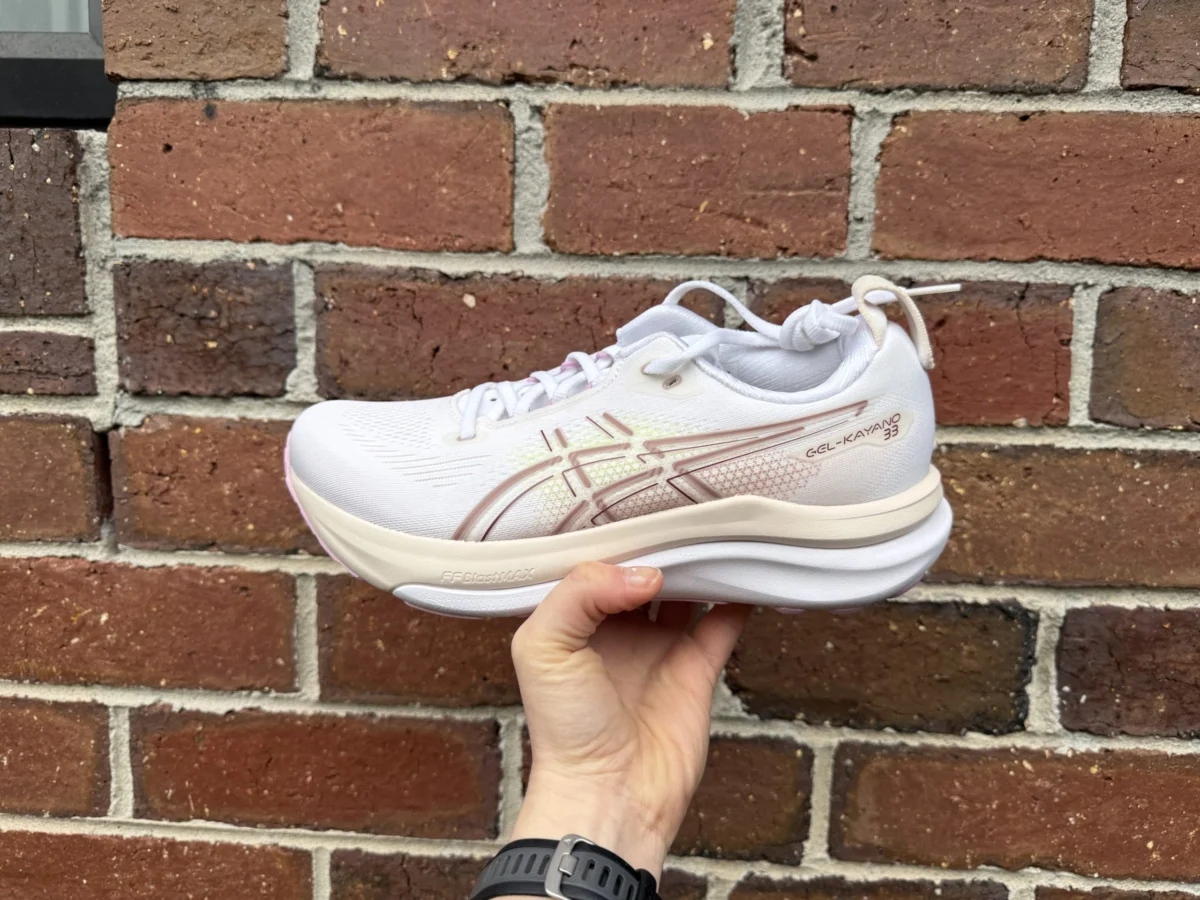
The Evolution of Stability in Performance Running Shoes
The release of the ASICS Gel Kayano 33 represents a significant milestone in the three-decade history of one of the world’s most recognizable stability running shoes. For years, the performance footwear industry relied on "medial posts"—rigid structural elements placed on the inner side of the midsole—to correct overpronation. However, the latest iteration of the Kayano line signals a definitive shift toward dynamic stability.
Industry data suggests that the global running shoe market is projected to reach approximately $18.5 billion by 2032, driven largely by innovations in foam chemistry and injury prevention. The Kayano 33 utilizes a dual-layer foam stack, replacing hard plastic components with varying densities of cushioning. The top layer provides immediate energy return and shock absorption, while a firmer, wider base layer offers a stable platform that adapts to the runner’s gait. This transition is particularly relevant for athletes recovering from specific podiatric injuries, such as metatarsal plate tears, where structural rigidity in the forefoot is essential to prevent over-flexion of the joints.
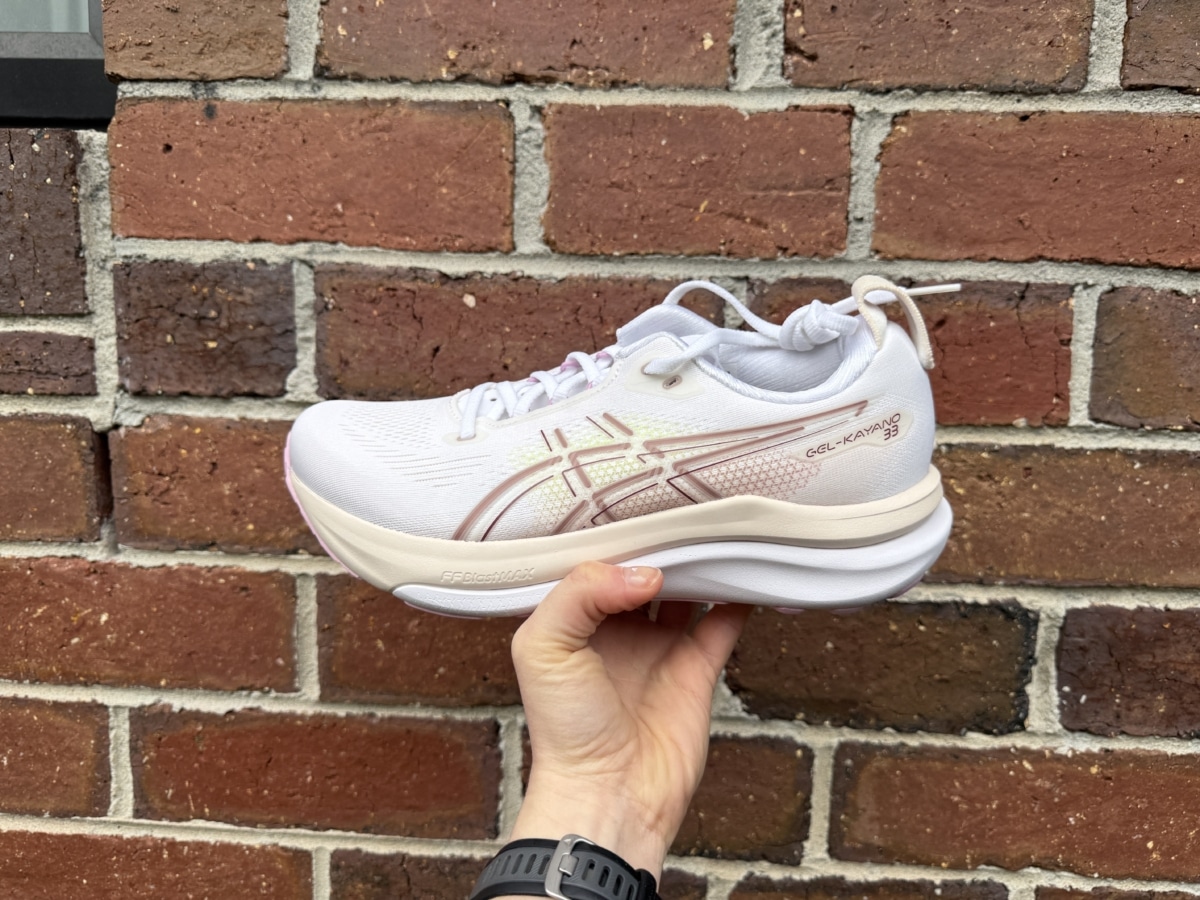
Biomechanical studies indicate that "rocker" geometries—the slight upward curve of the shoe’s sole—significantly reduce the load on the ankle and midfoot. By integrating this geometry into a stability shoe, ASICS has managed to mitigate the "clunky" feel traditionally associated with support footwear. This move aligns with a broader industry trend where brands like Nike and Brooks are also moving toward "holistic" support systems that prioritize comfort alongside corrective mechanics.
Gastronomic Excellence and the Rise of Fire-Driven Dining
The Sydney dining scene has recently been galvanized by the success of Firepop, a restaurant that transitioned from a cult-favourite food truck to a permanent establishment in Enmore. The venue’s recognition as the "2025 New Restaurant of the Year" by the Good Food Guide underscores a growing consumer preference for "fire-driven" dining—a style that emphasizes primitive cooking techniques combined with high-end, locally sourced ingredients.
Founded by Raymond Hou and Alina Van, Firepop’s business model reflects a successful "proof-of-concept" trajectory. By building a following through mobile operations before committing to a brick-and-mortar site, the founders mitigated the high risks associated with Sydney’s competitive hospitality sector. The menu focuses on "pops" or gourmet skewers, drawing inspiration from Asian street food culture while utilizing premium Australian produce, such as Fullblood MBS 9+ Wagyu beef.

Economic analysts note that the Enmore and Marrickville corridors have become hubs for innovative gastronomy as rising rents in the Sydney CBD push creative chefs toward inner-west suburbs. Firepop’s success is also indicative of the "set menu" trend, where restaurants offer tiered pricing (such as $80 and $140 options) to manage inventory costs while providing a curated experience for diners. The use of charcoal grilling is not merely a culinary choice but a branding tool, as the open-fire kitchen serves as a visual centerpiece that enhances the "experiential" aspect of modern dining.
The Resurgence of Digital Pets and the Impact of Spin Master’s Bitzee
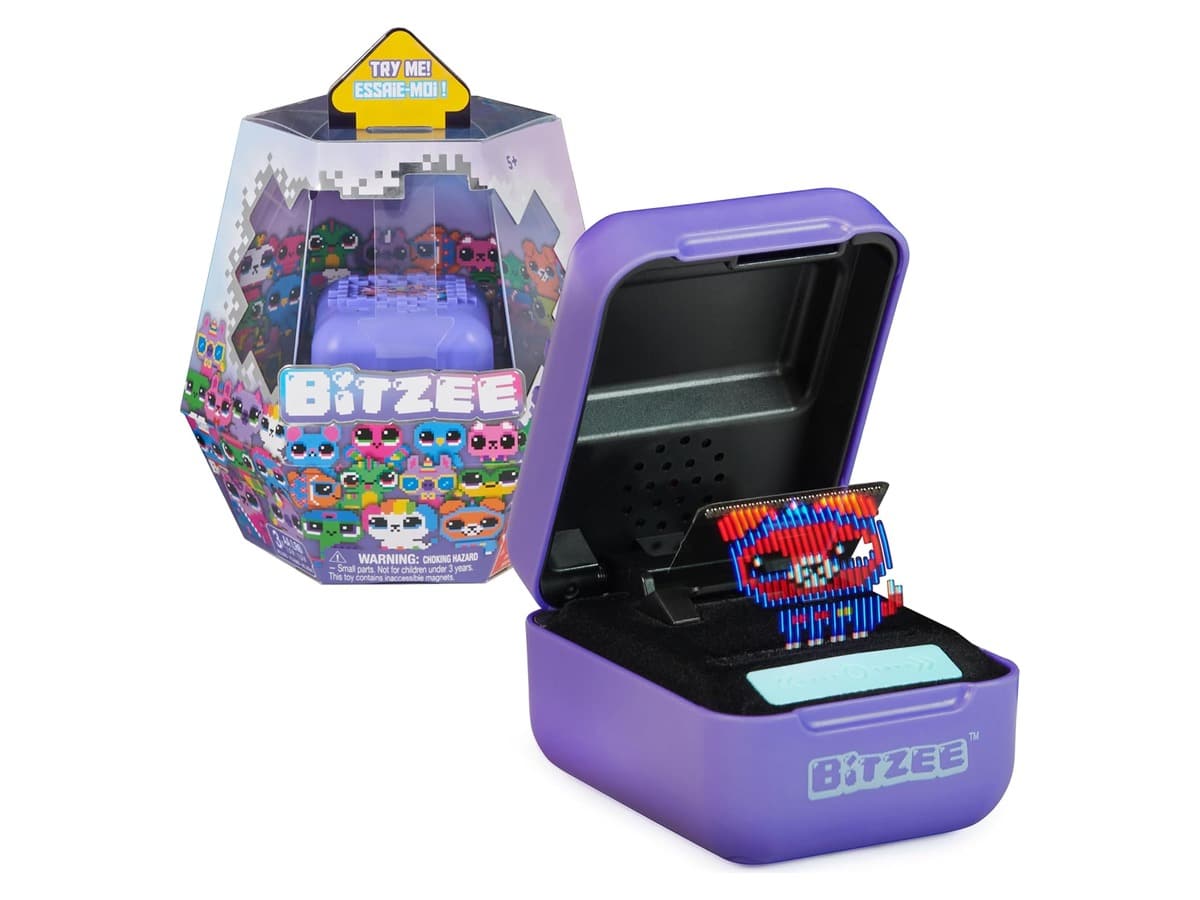
In the toy and game sector, the success of Bitzee—a digital pet developed by Spin Master—demonstrates the enduring appeal of virtual companionship, updated for a generation of digital natives. While the 1990s were defined by the 2D pixelated screens of the Tamagotchi, Bitzee utilizes a patented "Full Color Display" that creates a 3D effect through a rapidly vibrating LED strip. This allows users to "touch" and interact with the digital character in a way that previous iterations of the technology could not support.
Bitzee was awarded "Toy of the Year" at the London Toy Fair in 2024, a testament to its market penetration. The toy addresses a common parental concern regarding "screen time" by providing an interactive experience that does not involve a traditional tablet or smartphone interface. From a retail perspective, the product has faced significant supply chain fluctuations. While the recommended retail price sits around $29, high demand has led to a secondary market where resellers often list the item at a significant markup.

The product’s design, which includes 15 different characters within a single device, reflects a shift in toy manufacturing toward "collectibility" and longevity. By allowing the digital pet to evolve from a "baby" to an "adult" based on user interaction, Spin Master has successfully tapped into the psychological principles of nurturing and reward, ensuring sustained engagement from a younger demographic.
The Sleep Economy and the Viral Success of Weighted Textiles
The "sleep economy"—a sector encompassing mattresses, wearable sleep trackers, and specialized bedding—is currently valued at over $500 billion globally. Within this market, the Comfrt blanket has emerged as a viral sensation, largely due to aggressive social media marketing and the "TikTok effect," where individual influencer endorsements lead to immediate stock depletions.
The Comfrt blanket differentiates itself by combining the aesthetic of a standard "throw" with the functional benefits of a weighted blanket. Medical research into Deep Pressure Stimulation (DPS) suggests that weighted blankets can help reduce cortisol levels and increase the production of serotonin and melatonin. This has made them a popular tool for individuals dealing with anxiety or sensory processing disorders.
The commercial success of products like the "Teddy Bear Brown" Comfrt blanket highlights a shift in consumer behavior where "comfort" is marketed as a form of self-care. For the "single economy"—a demographic of young professionals living alone—these products are often marketed as providing a sense of security and physical warmth. The integration of high-quality fabrics with functional weight reflects a broader trend of "premiumization" in the home goods sector, where consumers are willing to pay a premium for items that claim to improve mental well-being and sleep quality.
Broader Impact and Market Implications
The intersection of these four diverse products—high-performance footwear, fire-driven gastronomy, interactive toys, and weighted textiles—reveals a clear trend in consumer priorities for the mid-2020s. Consumers are increasingly seeking products that offer both functional excellence and emotional resonance.
- Technical Sophistication: Whether it is the 4D guidance system in a running shoe or the LED vibrations of a digital pet, "hidden tech" is becoming a standard expectation. Consumers want the benefits of advanced engineering without a clinical or overly "techy" aesthetic.
- The Experience Economy: The transition of Firepop from a truck to an award-winning restaurant proves that brand story and "theatrical" elements (like open-fire cooking) are essential for brick-and-mortar survival in a digital age.
- Social Media as a Retail Engine: The rapid rise of the Comfrt blanket and the sell-out status of Bitzee on platforms like Amazon underscore the power of social media in bypassing traditional advertising. A product can move from obscurity to a market leader within weeks if it gains traction on short-form video platforms.
- Health and Wellness Integration: Every category, from footwear to bedding, is now being viewed through the lens of health. Shoes are no longer just for protection; they are for injury prevention. Blankets are no longer just for warmth; they are for anxiety reduction.
As we move toward the latter half of the decade, the brands that succeed will likely be those that can successfully bridge the gap between high-performance utility and the human desire for comfort, connection, and sensory satisfaction. The curation of "Staff Favourites" by industry experts serves as a vital barometer for these shifts, highlighting the specific innovations that are moving from niche interest to mainstream adoption.


 Yuyun Lusiyani
 Joko Widodo
 Eva Lovia
 Pevita Pearce
 admin
admin