
 Lina Irawan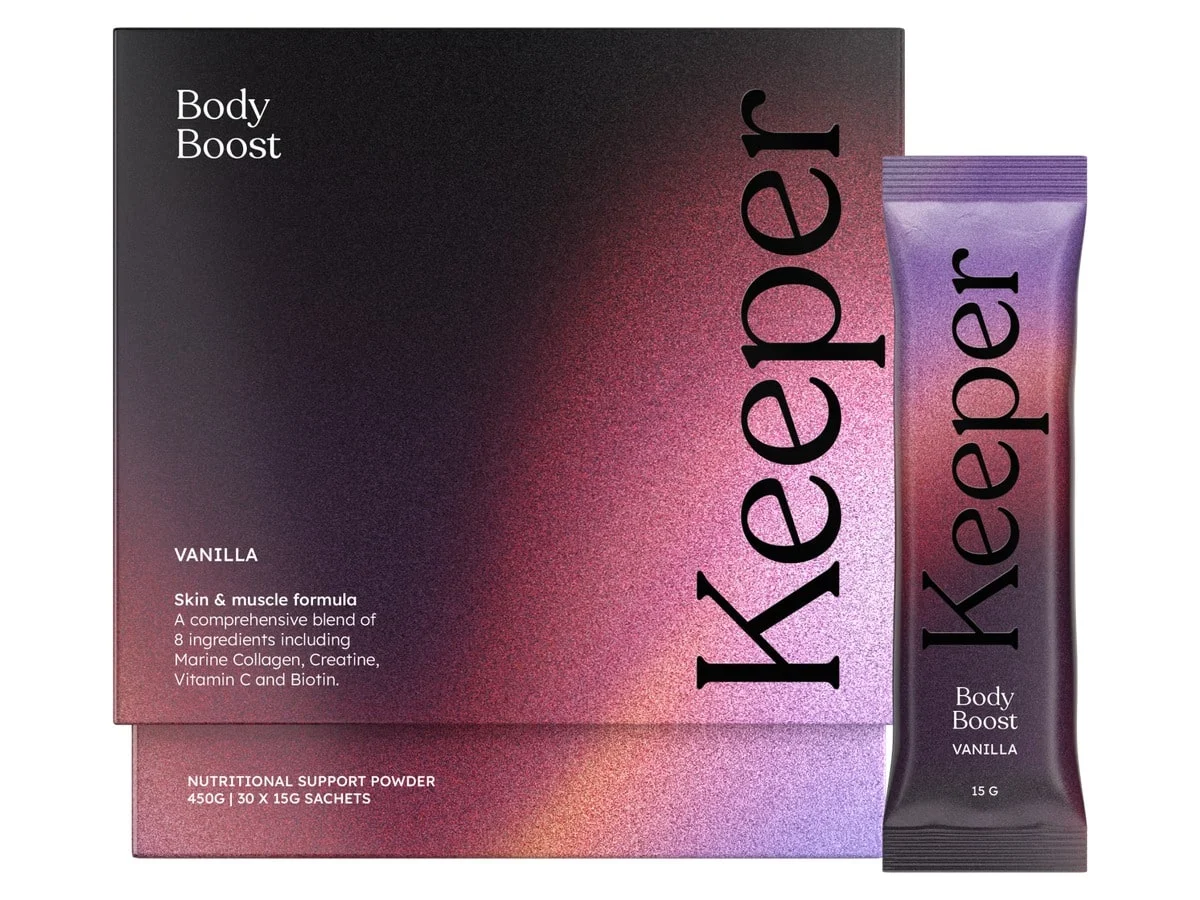
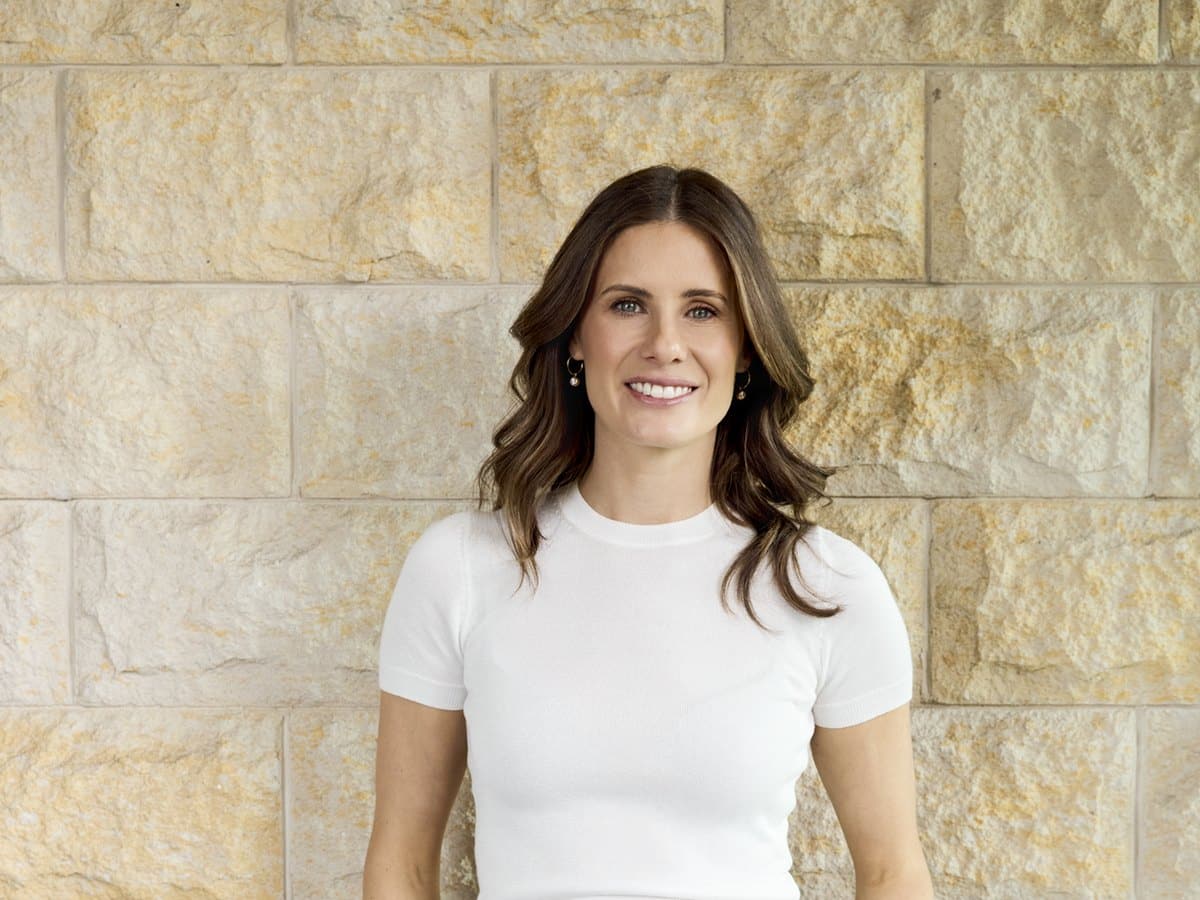
Australia’s competitive supplement landscape has seen a significant shift with the entry of Keeper Health, a premium label founded by siblings Angus Macintosh, Georgia Macintosh-Reed, and Sabrina Macintosh. While the Australian market is saturated with established incumbents and new "all-in-one" challengers like AG1 and IM8, Keeper Health distinguishes itself through a rare level of operational transparency and a unique regulatory strategy. The brand’s debut involves a suite of four targeted formulations: Complete Longevity, Body Boost, Good Gut, and Daily Reset. These products aim to simplify complex health routines by consolidating multiple high-dose active ingredients into single daily servings, a move the founders claim can save consumers hundreds of dollars monthly compared to purchasing individual components.
The launch comes at a pivotal time for the Australian complementary medicines industry. According to the 2025 Industry Snapshot published by Complementary Medicines Australia (CMA), the sector is projected to reach a valuation of $6.3 billion by the end of 2025. Data indicates that approximately 74 per cent of Australians utilize complementary medicines, yet the retail environment remains dominated by a handful of legacy brands that have occupied chemist shelves for decades. Keeper Health’s entry represents a challenge to this status quo, prioritizing scientific literature over the traditional regulatory constraints that often dictate formulation limits in the domestic market.
The Regulatory Strategy: Navigating the TGA Personal Importation Scheme
The most distinctive aspect of Keeper Health’s business model is its utilization of the Therapeutic Goods Administration (TGA) Personal Importation Scheme. In Australia, therapeutic goods are typically required to be listed on the Australian Register of Therapeutic Goods (ARTG). This process involves strict oversight regarding which ingredients can be used, their dosages, and the health claims a brand can legally make. However, the ARTG list often excludes certain compounds that are gaining traction in international longevity research or limits dosages to levels that some practitioners argue are sub-therapeutic.
To circumvent these limitations without compromising their scientific vision, the Macintosh siblings established their manufacturing and distribution operations in New Zealand. By shipping directly from New Zealand to Australian consumers, the products fall under the Personal Importation Scheme. This legal pathway allows individuals to import a three-month supply of unapproved therapeutic goods for personal use or the use of an immediate family member, provided the goods are not for resale.
Angus Macintosh, who leads research and formulation for the brand, noted that this decision was born out of a refusal to compromise on ingredient efficacy. By opting for this model, Keeper Health can include ingredients like NMN (Nicotinamide Mononucleotide) and specific doses of probiotics that are currently difficult to navigate within the standard ARTG framework. While this means the products have not been assessed by the TGA for quality or safety in the same way listed medicines are, the brand mitigates this by employing rigorous independent testing through Eurofins to verify active ingredient content and microbiological safety for every batch.

The Origin Story: From Chronic Illness to Market Disruption
The impetus for Keeper Health was not a corporate strategy session but rather the personal health struggles of its founders. Angus Macintosh was diagnosed with ulcerative colitis, a chronic inflammatory bowel disease, which led him toward an exhaustive investigation into nutritional science and supplementation. His journey resulted in a cluttered kitchen cabinet filled with dozens of individual supplement bottles—a common phenomenon often referred to as "supplement fatigue."
Similarly, Georgia Macintosh-Reed was navigating a diagnosis of Hashimoto’s thyroiditis. Both siblings found themselves spending significant sums—estimated by Angus at approximately $500 per month—to maintain a regimen of high-quality, science-backed ingredients. The realization that there was no "all-in-one" product that met their specific standards for dosage and ingredient form led them to consider creating their own.
The transition from a personal project to a commercial entity began when Sabrina Macintosh left her previous role to focus on the business full-time. The siblings chose to fund the venture entirely themselves, a decision they claim allowed them to prioritize product integrity over the short-term profit margins often demanded by venture capital or outside investors.

Chronology of Development: Challenges in Manufacturing and Logistics
The path to launch was characterized by several years of regulatory hurdles and logistical pivots. Initially, the team planned to establish a distribution hub in Hong Kong. However, shifting economic conditions and supply chain complexities forced a total reassessment of the business model. Just months before their intended launch, the founders moved the entire operation to New Zealand. This move proved beneficial, as it aligned with the regulatory requirements of the Personal Importation Scheme while providing access to high-quality manufacturing facilities.
The formulation process for their flagship product, Complete Longevity, was particularly arduous. Containing 18 active ingredients, the powder required precise sourcing to ensure each component met specific purity standards. One of the most significant delays involved the flavoring of the products. Sabrina Macintosh emphasized that finding a natural, organic flavor profile that could mask the often-bitter taste of concentrated longevity compounds without using artificial sweeteners or fillers took longer than the core formulation itself.
Furthermore, the brand had to navigate the "minimum order quantity" (MOQ) barriers that often stifle small supplement startups. Unlike other industries where a small "test batch" is feasible, supplement manufacturing requires significant upfront capital to run a production line. This necessitated a "leap of faith," committing to large-scale inventory before a single unit had been sold to the public.

Data-Driven Transparency: The $325.20 Monthly Comparison
To justify the $99 monthly price point for their flagship product, Keeper Health took the unusual step of publishing a comprehensive pricing audit. The brand analyzed 54 competitor products, selecting three widely available single-ingredient options for each of the 18 actives found in Complete Longevity. By prorating the costs to match the dosages provided in their all-in-one scoop, they calculated that a consumer would spend an average of $325.20 per month to replicate the formula using individual supplements.
The analysis revealed a price range from $199.11 on the low end to over $480.05 for premium individual brands. Beyond the financial cost, the audit highlighted the "pill burden" of traditional supplementation, noting that replicating the formula would require consuming approximately 28 capsules or tablets per day.
This transparency is a core pillar of the brand’s marketing strategy. By positioning themselves against premium international rivals like AG1 (approximately $187/month) and IM8 (approximately $260/month), Keeper Health aims to capture a segment of the market that is both health-conscious and value-driven.
Product Specifications and Active Ingredients
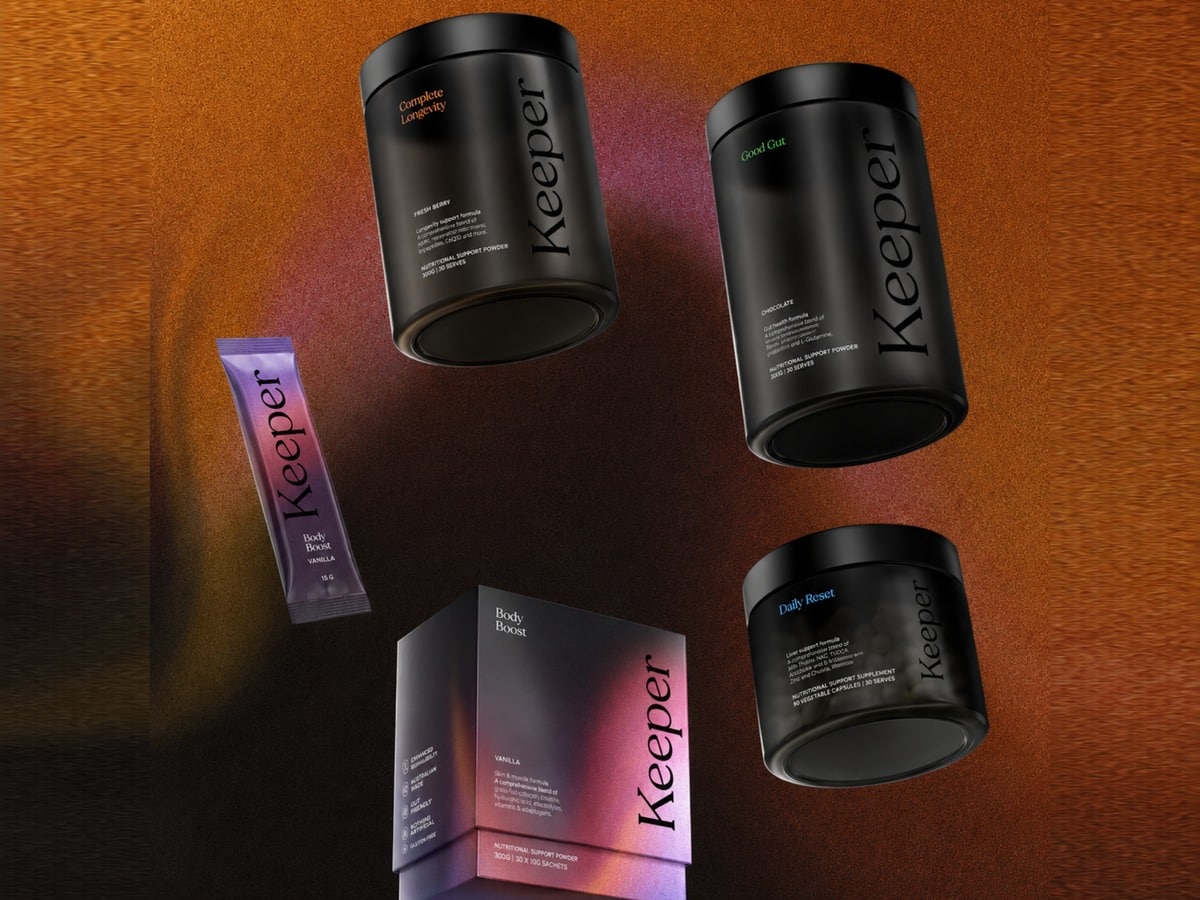
The Keeper Health range currently consists of four primary formulations, each designed to address a specific pillar of health:
Complete Longevity ($99/month)
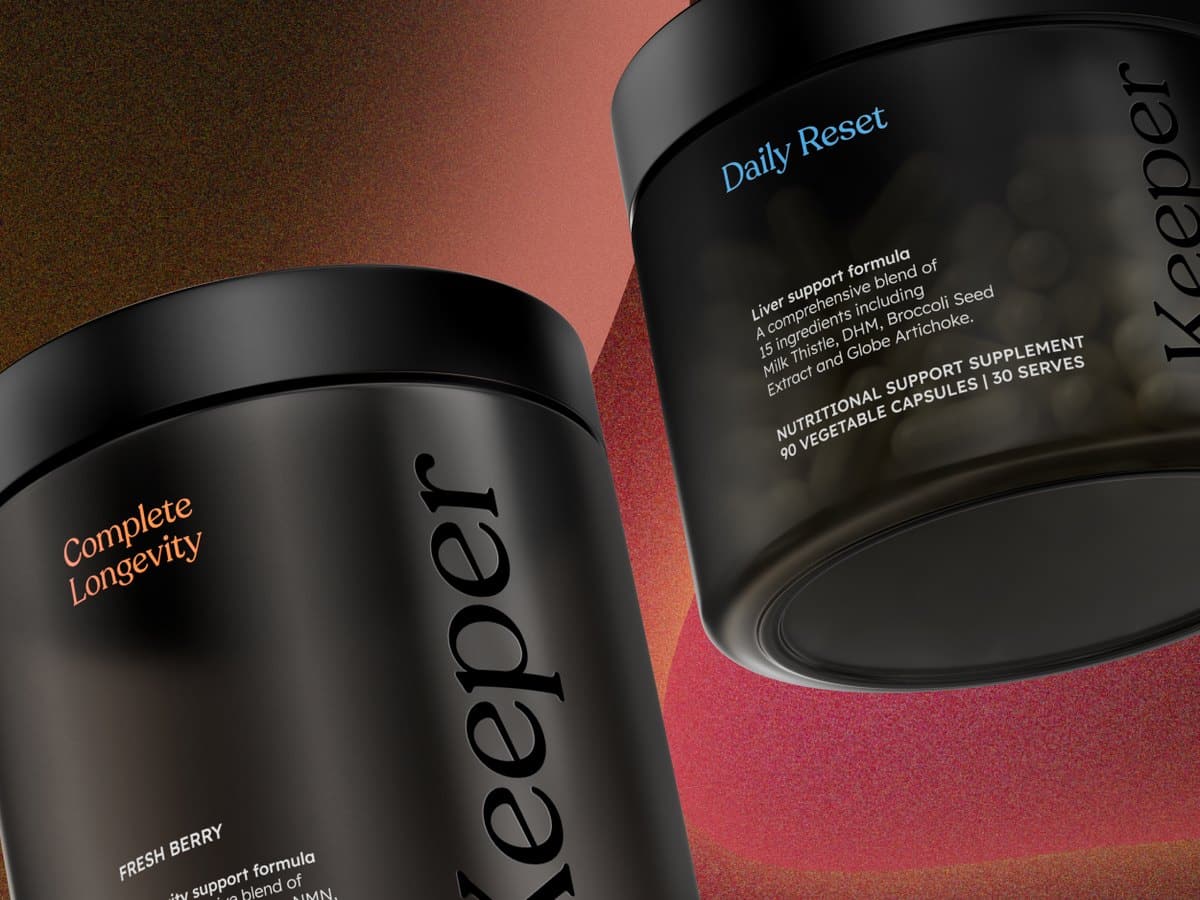
The brand’s flagship powder focuses on cellular health and aging. It features 18 actives, including:
- NAD+ Precursors: NMN and NR (Nicotinamide Riboside).
- Senolytics and Antioxidants: Resveratrol, Spermidine, Fisetin, and Apigenin.
- Mitochondrial Support: CoQ10, PQQ, and Ca-AKG (Calcium Alpha-Ketoglutarate).
Body Boost ($79/month)
A vanilla-flavored powder delivered in 30 single-serve sachets, targeting musculoskeletal and skin health. It includes:

- 5g Type I Marine Collagen and 5g Creatine Monohydrate.
- Supportive Actives: HMB, D-ribose, Hyaluronic Acid, Vitamin C, Zinc, and Biotin.
Good Gut ($79/month)
A chocolate-flavored formulation designed for digestive health and microbiome support. It contains 12 actives, notably:
- 2,500mg Bovine Colostrum and 1,500mg L-glutamine.
- Probiotics: Includes Akkermansia muciniphila, a strain currently at the forefront of metabolic and gut lining research.
Daily Reset ($69/month)
The range’s only capsule-based product, focused on liver support and detoxification pathways. The 15-active formula includes:
- Botanicals: Milk Thistle, Broccoli Seed Extract (standardized to 10% glucoraphanin), and Globe Artichoke.
- Nutrients: Taurine, DHM, and a full activated B-complex featuring 5-MTHF folate.
Broader Impact and Industry Implications
The emergence of brands like Keeper Health signals a maturing of the "longevity economy" in Australia. No longer relegated to niche biohacking communities, the pursuit of "healthspan"—improving the quality of life during the aging process—is becoming a mainstream consumer priority.
Industry analysts suggest that Keeper Health’s model of "radical transparency" regarding ingredient costs and manufacturing could force larger incumbents to reassess their own pricing and formulation strategies. By openly discussing the limitations of the ARTG and providing an alternative pathway for consumers, Keeper Health is also bringing mainstream attention to the complexities of therapeutic regulation in Australia.
However, the brand’s reliance on the Personal Importation Scheme is not without risk. While legal, it places a higher burden of due diligence on the consumer, as the products bypass the TGA’s pre-market assessment. The brand’s commitment to third-party batch testing is an essential countermeasure to this, providing a layer of safety assurance that is often missing from smaller international "white-label" operations.
As Keeper Health looks toward potential international expansion, the founders remain focused on their core mission of simplification. Georgia Macintosh-Reed noted that the company’s growth would be measured, prioritizing the maintenance of their current standards over rapid product proliferation. In a $6.3 billion industry often criticized for "hype" and "woo," Keeper Health’s attempt to lead with data and science-first formulations represents a significant test of whether Australian consumers are ready for a more transparent supplement experience.




 Jia Lissa
 Yuyun Lusiyani
 Joko Widodo
 Eva Lovia

 Pevita Pearce