
 admin
admin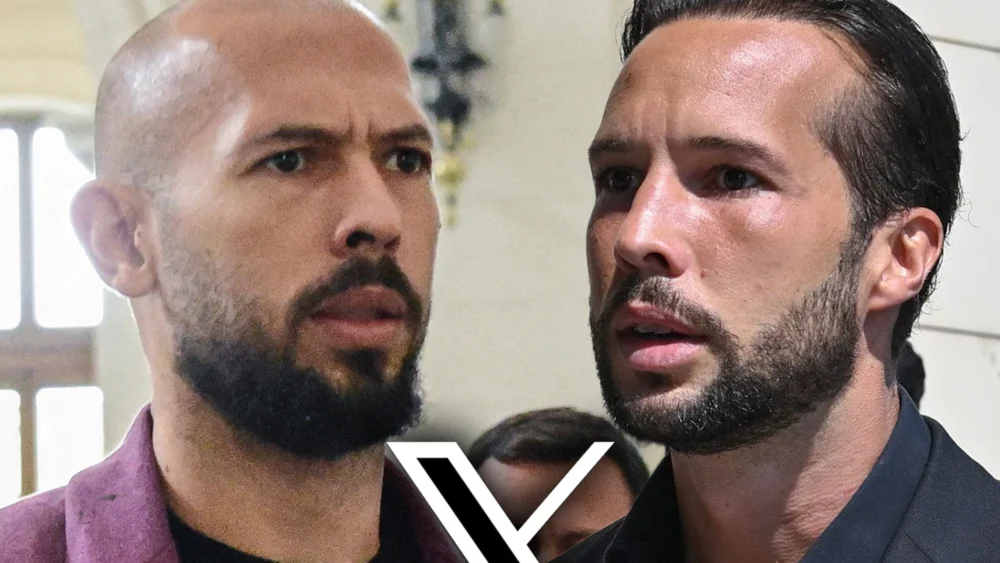
Andrew and Tristan Tate have escalated their legal battle against anonymous detractors, filing a new petition to compel X, the social media platform owned by Elon Musk, to disclose the identities of users they accuse of online harassment and defamation. This move follows the dismissal of an earlier lawsuit against a group of unnamed X users, underscoring the brothers’ unwavering determination to pierce the veil of online anonymity and confront those they claim have orchestrated a campaign to ruin their reputations, finances, and emotional well-being. The legal action, reported on March 6, 2026, at 10:12 AM PST, signals a significant new chapter in the ongoing struggle between public figures and the often-unregulated landscape of social media commentary.
The Core Allegations: A Campaign of Defamation
At the heart of the Tate brothers’ legal pursuit are grave accusations against a collective of anonymous X users. According to court documents, Andrew and Tristan Tate allege that these accounts have engaged in a concerted conspiracy aimed at systematically defaming them. The brothers claim these users have consistently posted "constant and routine allegedly defamatory posts" on X, formerly known as Twitter, with the express intent of inflicting severe damage. The alleged harm extends across multiple facets of their lives, encompassing financial detriment, irreparable reputational damage, and profound emotional distress.
The specifics of the alleged defamation are particularly severe. The Tate brothers assert that the anonymous X accounts have "intentionally and recklessly" accused them of "heinous crimes, including rape and human trafficking, as well as having sexually transmitted diseases." These are not mere criticisms or negative opinions; they are allegations of criminal activity and serious health conditions that, if proven false and maliciously spread, could indeed constitute severe defamation under established legal precedents. Such accusations carry immense weight, especially given Andrew Tate’s high public profile and previous legal entanglements, including ongoing investigations and charges in Romania related to organized crime, human trafficking, and rape, which he has vehemently denied. The confluence of these real-world legal challenges with widespread online accusations amplifies the perceived damage to their public image and personal lives.
A Legal Odyssey: From John Doe Lawsuit to Unmasking Petition
The current legal maneuver is not the Tate brothers’ first attempt to address what they perceive as targeted online abuse. Their journey began with an initial lawsuit filed against a number of anonymous X users, identified only as "John and Jane Does." This type of lawsuit is common when plaintiffs know they have been wronged but cannot identify the specific individuals responsible. The objective is typically to use the legal process to compel internet service providers or social media platforms to reveal the true identities of the anonymous users, thereby allowing the lawsuit to proceed against named defendants.
However, this initial defamation lawsuit was reportedly dismissed. The reasons for the dismissal are not detailed in the available information, but such outcomes can occur for various reasons, including procedural issues, a court deeming the claims insufficiently specific, or failure to meet the stringent legal thresholds for identifying anonymous speakers. Despite this setback, the Tate brothers have not abandoned their cause. Instead, they have pivoted to a new legal strategy: a direct petition to the court to force X to reveal the identities of the accounts they previously sued. This distinction is crucial; rather than trying to relitigate the defamation claims against anonymous parties, they are now focused solely on the discovery process – the legal mechanism to obtain information from another party, in this case, the identities held by X.

This shift indicates a focused effort to overcome the anonymity barrier. If successful, this petition would grant the Tate brothers access to the private information X holds about these users, allowing them to amend their previous lawsuit or file new ones against specific, named individuals. The legal process of unmasking anonymous online speakers is complex and often involves balancing the First Amendment right to anonymous speech against an individual’s right to protect their reputation. Courts typically apply a multi-factor test, such as the Dendrite test or the Cahill test, which requires plaintiffs to demonstrate that they have a strong likelihood of prevailing on the merits of their defamation claim, that the speech is indeed defamatory, and that there are no alternative means to obtain the information.
The Background of the Tate Brothers: Public Persona and Controversies
To fully grasp the context of this legal action, it is essential to understand the public profiles of Andrew and Tristan Tate. Andrew Tate, a former professional kickboxer, rose to global prominence, particularly among young men, through his controversial online content. He presents himself as an advocate for masculine self-improvement, wealth accumulation, and traditional gender roles, often disseminating advice and opinions that are widely criticized as misogynistic, inflammatory, and promoting harmful stereotypes. His brother, Tristan Tate, frequently appears alongside him, sharing similar viewpoints and contributing to their collective brand.
Their online presence exploded across platforms like TikTok, YouTube, and X, amassing millions of followers and generating billions of views. This surge in popularity also brought intense scrutiny and widespread condemnation. Critics, including women’s rights organizations, anti-hate groups, and mainstream media outlets, have accused Andrew Tate of promoting toxic masculinity, misogyny, and inciting violence against women. These criticisms led to his widespread deplatforming from major social media sites, including Facebook, Instagram, YouTube, and TikTok, in 2022 due to violations of their policies on hate speech and dangerous organizations.
However, Andrew Tate’s profile was later reinstated on X following Elon Musk’s acquisition of the platform, which promised a more expansive view of free speech. This reinstatement, along with his continued online activity, has kept him at the center of public discourse and controversy. His highly divisive persona naturally attracts both fervent supporters and vehement detractors, creating an environment ripe for intense online exchanges, some of which, according to the Tate brothers, have crossed the line into actionable defamation.
Beyond online rhetoric, the Tate brothers have faced serious legal challenges. In December 2022, Andrew and Tristan Tate were arrested in Romania on suspicion of human trafficking, rape, and forming an organized crime group. They were held in pre-trial detention for several months before being moved to house arrest and later released under judicial control. These ongoing legal proceedings have significantly impacted their public image and provided a factual basis, however denied by them, for some of the severe allegations they now claim constitute defamation online. The intersection of these real-world criminal allegations with the online accusations of "heinous crimes" makes their current legal fight against anonymous users particularly complex and emotionally charged.
The Role of X and Elon Musk: Free Speech vs. Responsibility
Elon Musk’s acquisition of Twitter and its subsequent rebranding as X has been characterized by a stated commitment to "free speech absolutism." This philosophy has led to the reinstatement of numerous controversial accounts, including Andrew Tate’s, and a generally more permissive approach to content moderation compared to previous management. While proponents argue this fosters open dialogue, critics warn it can embolden hate speech, misinformation, and harassment.
This legal action directly tests X’s commitment to user anonymity versus its potential responsibility to protect users from defamation. X has not yet issued a public statement regarding the Tate brothers’ petition, but the platform’s legal team would likely argue for the protection of user privacy and anonymous speech, citing the importance of such anonymity for whistleblowers, dissidents, and individuals who fear reprisal for expressing unpopular opinions. They may also invoke Section 230 of the Communications Decency Act, a U.S. law that generally protects internet platforms from liability for content posted by their users. However, Section 230 does not typically shield platforms from complying with valid court orders for user data.
The legal standard for compelling an internet platform to disclose user identities is high. Courts typically weigh several factors, including:
- Prima Facie Case: Whether the plaintiff has established a strong enough case that defamation likely occurred.
- Specificity: Whether the alleged defamatory statements are clearly identified and attributed to the anonymous accounts.
- Severity of Harm: The extent of the damage caused by the alleged defamation.
- No Alternative Means: Whether the plaintiff has exhausted all other avenues to identify the anonymous speaker.
- Chilling Effect: The potential impact on anonymous speech if disclosure is compelled.
The Tate brothers’ legal team will need to present compelling evidence that the anonymous posts meet these criteria for defamation and that their claims are not merely opinions or protected speech.
Broader Implications: Anonymity, Defamation, and Platform Liability
This case carries significant implications beyond the immediate parties involved, touching upon fundamental questions of online anonymity, the boundaries of free speech, and the responsibilities of social media platforms.
The Right to Anonymity vs. Right to Reputation
The internet has democratized communication, allowing individuals to express themselves freely, often under pseudonyms or anonymously. This anonymity is frequently hailed as a cornerstone of free speech, enabling individuals to critique power, expose wrongdoing, and participate in public discourse without fear of retaliation, especially in repressive regimes or for marginalized groups. However, anonymity can also be weaponized, facilitating harassment, hate speech, and defamation, making it difficult for victims to seek recourse. This case highlights the perpetual tension between these two fundamental rights: the right to speak anonymously and the right to protect one’s reputation from false and damaging statements.
The Evolving Landscape of Online Defamation Law
The volume and velocity of online communication have made defamation a more pervasive and challenging issue. Traditional defamation laws, developed in an era of print media, often struggle to adapt to the instantaneous and viral nature of internet content. Cases like the Tate brothers’ contribute to the evolving legal precedent, pushing courts to define more clearly when anonymous online speech crosses the line into unlawful defamation and under what circumstances platforms must reveal user identities. The sheer scale of online interactions means that prosecuting every instance of alleged defamation is impractical, but high-profile cases can set important legal benchmarks.

Platform Responsibility and Content Moderation
Social media platforms like X face immense pressure to balance user freedom with safety and legal compliance. While X’s current leadership leans towards minimal content moderation in the name of free speech, legal actions like this underscore the fact that platforms are not entirely immune from judicial oversight. Courts can compel them to act, even against their stated policies, if legal standards for disclosure are met. This case could influence how X and other platforms handle similar requests in the future, potentially leading to more rigorous internal policies for responding to defamation claims, or conversely, reinforcing their stance on user privacy until legally forced otherwise.
The "Streisand Effect" and Public Perception
While the Tate brothers seek to unmask their critics, there is an inherent risk of what is known as the "Streisand Effect," where attempts to suppress information or identify critics can inadvertently draw more attention to the very content or accusations they wish to suppress. Public figures, especially controversial ones, often find that engaging in legal battles against anonymous online users can galvanize their detractors and amplify the original defamatory statements. The extensive media coverage and public discourse surrounding the Tates ensure that any legal action they undertake will be scrutinized, potentially creating more public debate around the very accusations they are trying to silence.
Conclusion: A Precedent-Setting Battle for the Digital Age
The Tate brothers’ legal quest to unmask their anonymous critics on X represents a high-stakes battle with far-reaching implications for online discourse, free speech, and the future of social media platform responsibility. Their claims of concerted defamation, including serious allegations of criminal activity, underscore the severe potential harm of unchecked anonymous online attacks. As the courts grapple with balancing the constitutional right to anonymous speech against the right to protect one’s reputation, the outcome of this petition against X could set a significant precedent. It will define not only the boundaries of acceptable online criticism for controversial public figures but also the extent to which social media platforms are compelled to act as gatekeepers of user identity, shaping the digital landscape for years to come. The legal community, free speech advocates, and social media users worldwide will undoubtedly watch closely as this complex case unfolds.



 Jia Lissa
 Yuyun Lusiyani
 Joko Widodo
 Eva Lovia

 Pevita Pearce