
 admin
admin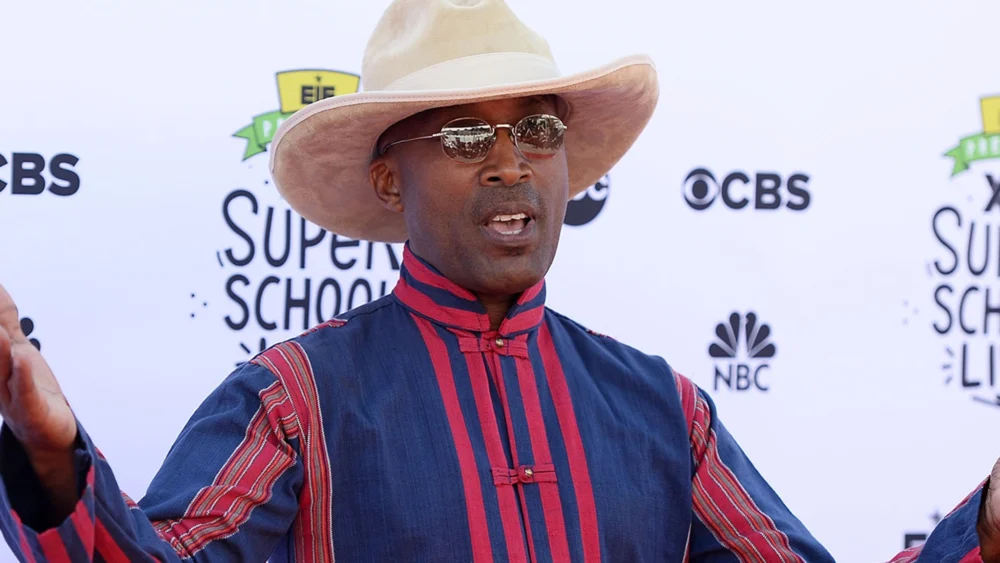
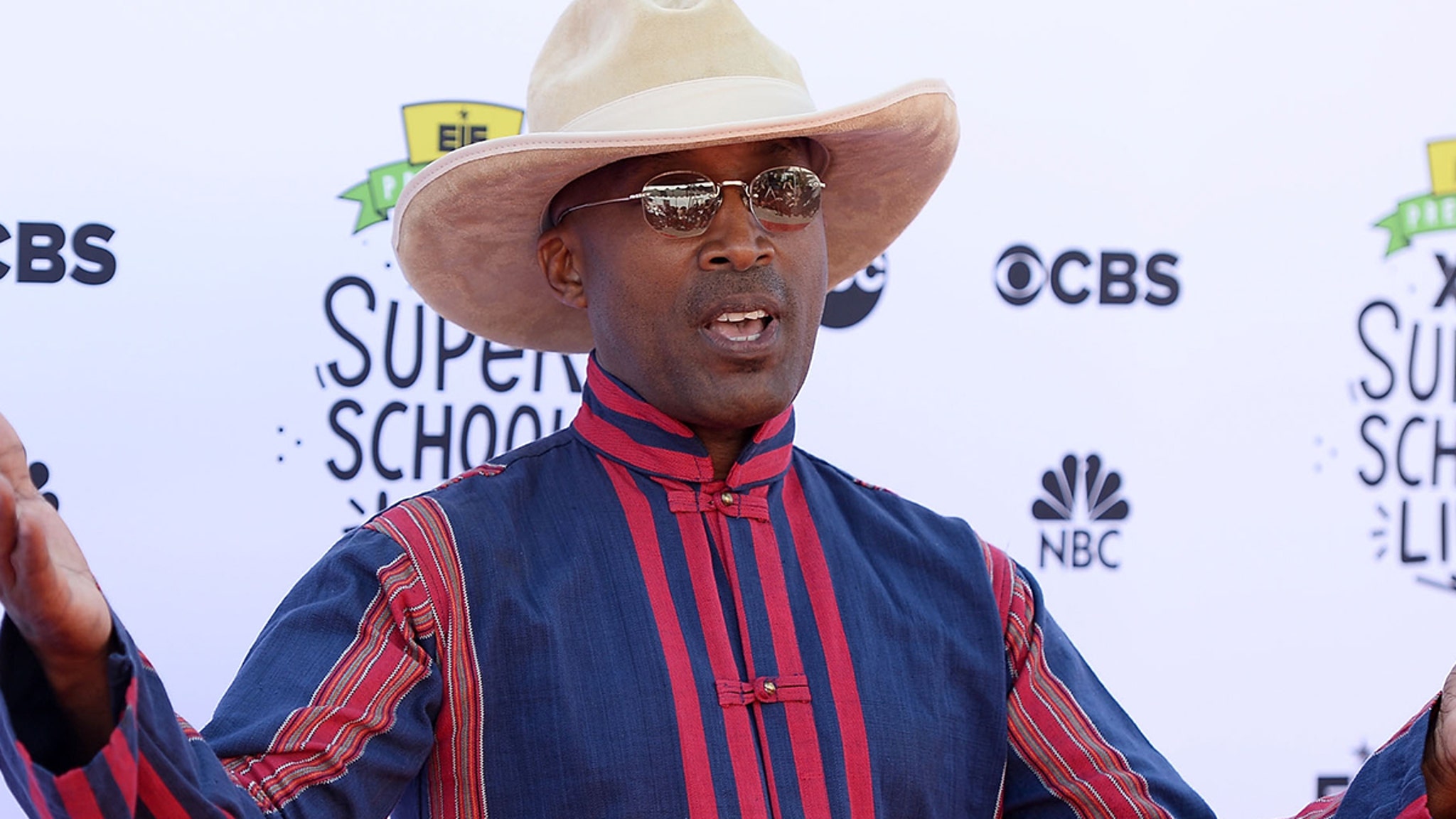
Nearly a year after the passing of Grammy-nominated musician D’Wayne Wiggins, a co-founder of the iconic R&B group Tony! Toni! Toné!, a contentious family dispute has erupted over his estate, valued at an estimated $700,000. The legal battle pits Wiggins’ children against his niece and recently married widow, raising serious questions about the musician’s final wishes and his mental state during the months leading up to his death. Court documents obtained exclusively by TMZ reveal a complex web of allegations, including claims of undue influence and unauthorized financial transactions, threatening to cast a shadow over the legacy of a beloved artist.
The Legacy of D’Wayne Wiggins and Tony! Toni! Toné!
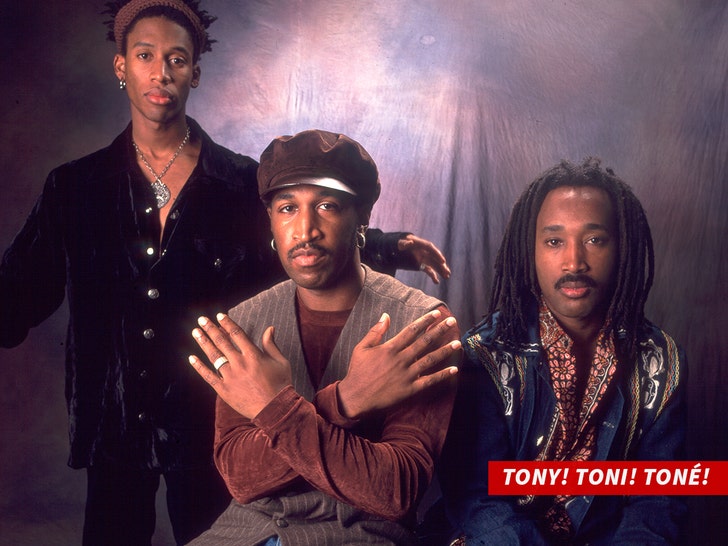
Dwayne Wiggins, born on February 14, 1961, was a pivotal figure in late 20th-century R&B music. As a founding member, guitarist, and primary songwriter for Tony! Toni! Toné!, alongside his brother Raphael Saadiq and cousin Timothy Christian Riley, Wiggins helped define the sound of contemporary soul. Formed in Oakland, California, in the mid-1980s, the group quickly rose to prominence with their distinctive blend of R&B, funk, and soulful melodies. Their innovative sound and heartfelt lyrics produced a string of chart-topping hits and critically acclaimed albums.
Albums like "Who?" (1988), "The Revival" (1990), and "Sons of Soul" (1993) solidified their status as R&B royalty. Tracks such as "Feels Good," "Little Walter," "Anniversary," "It Never Rains in Southern California," and "Whatever You Want" became anthems for a generation, showcasing Wiggins’ sophisticated guitar work and the band’s tight harmonies. Tony! Toni! Toné! garnered multiple Grammy nominations and earned a dedicated fanbase, influencing countless artists in the R&B, neo-soul, and hip-hop genres. Wiggins’ contributions extended beyond the group, as he also worked as a producer and songwriter for other artists, further cementing his reputation as a musical innovator. Throughout his career, he maintained a public image of a dedicated family man, making the current dispute particularly poignant for fans and observers alike. His sudden passing on March 7, 2025, in Oakland, California, due to a battle with bladder cancer, left a void in the music community and among his loved ones.
Allegations of Undue Influence and Estate Mismanagement
The heart of the current conflict lies in a petition filed by Ilahn Wiggins, one of D’Wayne Wiggins’ daughters. According to her filing, the late singer-songwriter’s estate is valued at approximately $700,000. Ilahn’s legal challenge stems from her belief that the administration of her father’s estate has been unlawfully seized and that his final testamentary documents do not reflect his true intentions. She states that her father has two other children, her brothers, and that he married a new wife, Dori Wiggins, just months before his death. This recent marriage adds another layer of complexity to the estate proceedings, as spouses typically have significant claims on an estate, especially if a will is contested or absent.
The central figure in Ilahn’s allegations is D’Wayne Wiggins’ niece, Veleta Savannah. Ilahn claims that Veleta is listed as the informant on her father’s death certificate and, following his death, informed all of D’Wayne’s children that she was the designated trustee of the estate. This declaration, Ilahn asserts, was immediately followed by Veleta barring Wiggins’ children from entering his home, effectively denying them access to personal belongings and potentially crucial documents. More alarmingly, Ilahn alleges that Veleta utilized a Power of Attorney document to withdraw a sum of $20,000 from D’Wayne’s bank account. This specific financial transaction is a key point of contention, suggesting potential misuse of authority and raising questions about the legitimacy and scope of the Power of Attorney in question.
The Contested Will and Mental Capacity
The core of the children’s legal argument revolves around the circumstances surrounding the drafting and execution of D’Wayne Wiggins’ final will. Ilahn and her siblings firmly believe that Veleta Savannah is not the legitimate administrator of their father’s estate and that he never intended to disinherit them. Their suspicion is rooted in the belief that the singer’s final will was drafted and executed while he was receiving intensive end-of-life care, a period during which he was likely ingesting heavy medications that could have significantly impaired his mental faculties and decision-making capacity.
Legally, this challenge centers on the concept of "testamentary capacity," which dictates that a person must be of sound mind, memory, and understanding to create or modify a valid will. The individual must comprehend the nature of the act, the extent of their property, and the natural objects of their bounty (i.e., their heirs). If it can be proven that Wiggins lacked this capacity due to illness, medication, or undue influence, the contested will could be invalidated. The children contend that their father always maintained a loving relationship with them, making a sudden decision to exclude them from his inheritance seem highly uncharacteristic and suspicious, especially if made under compromised mental conditions.
In direct response to these grave allegations, Veleta Savannah has vehemently disputed any claims that D’Wayne Wiggins was not in his right mind when he made changes to his will. She maintains that the musician was fully cognizant and lucid, and that his decision to disinherit his children was a deliberate and conscious choice on his part. Veleta’s defense would likely involve presenting evidence, such as medical records or witness testimonies, to affirm Wiggins’ mental clarity at the time the will was altered. The court will need to weigh conflicting accounts and medical opinions to determine the veracity of these opposing claims. This aspect of the case underscores the profound legal and ethical challenges often encountered in estate disputes involving questions of mental competence.
A Detailed Chronology of Events
The unfolding drama surrounding D’Wayne Wiggins’ estate can be traced through a critical timeline of events:
- Months Prior to March 7, 2025: D’Wayne Wiggins reportedly marries Dori Wiggins. The exact date is not specified, but its proximity to his death becomes a significant factor in understanding the final structure of his estate planning. A new marriage often triggers changes in wills and beneficiaries.
- March 7, 2025: D’Wayne Wiggins passes away in Oakland, California, after a battle with bladder cancer. His death marks the official start of the estate administration process.
- Post-March 7, 2025: Veleta Savannah, Wiggins’ niece, is listed on his death certificate and subsequently informs Wiggins’ children that she is the trustee of the estate. She allegedly bars them from accessing his home.
- Following Death (Specific Date Undisclosed): Ilahn Wiggins alleges that Veleta Savannah uses a Power of Attorney document to withdraw $20,000 from D’Wayne’s bank account. This transaction becomes a central piece of evidence in the children’s claims of mismanagement.
- Undisclosed Date (Prior to March 7, 2026): Ilahn Wiggins files a legal petition challenging Veleta Savannah’s authority as trustee and questioning the validity of her father’s final will, citing concerns over his mental state during its execution.
- March 7, 2026: The news of the family dispute over the estate becomes public, nearly one year to the day after Wiggins’ passing.
- September 2026 (Inferred): A trial is officially set for September to resolve the complex legal issues surrounding the estate. This trial will be a pivotal moment for all parties involved, determining the rightful beneficiaries and administrators of D’Wayne Wiggins’ legacy.
Legal and Financial Implications of the Dispute
The legal battle over D’Wayne Wiggins’ $700,000 estate carries significant financial and emotional implications for all involved. While $700,000 is a substantial sum, it is not in the multi-millions sometimes associated with celebrity estates, meaning the costs of litigation could consume a significant portion of the inheritance, regardless of the outcome.
Key Legal Challenges:
- Testamentary Capacity: The primary legal hurdle for Wiggins’ children will be proving that their father lacked the mental capacity to understand the nature and effect of his will when it was last modified. This often requires expert medical testimony and can be challenging to establish, especially against claims of lucidity.
- Undue Influence: The children may also argue "undue influence," asserting that Veleta Savannah (or another party) exerted improper pressure on Wiggins to change his will in a way that favored her or disinherited his children, particularly given his vulnerable state during end-of-life care.
- Validity of Power of Attorney: The alleged $20,000 withdrawal using a Power of Attorney will be scrutinized. The court will examine the scope and validity of this document, and whether its use for this transaction was legitimate and in Wiggins’ best interest.
- Trustee Appointment: The legality of Veleta Savannah’s appointment as trustee will be challenged. If the will naming her is deemed invalid, her authority as trustee would also be nullified.
Financial Aspects:
- Estate Assets: A $700,000 estate could encompass various assets, including real estate (likely Wiggins’ home in Oakland), bank accounts, investments, personal property (e.g., musical instruments, memorabilia), and crucially, future royalties from his extensive music catalog with Tony! Toni! Toné! and his work as a producer/songwriter. The distribution of these future royalties will be a major point of contention.
- Litigation Costs: Estate litigation can be incredibly expensive, often running into tens or even hundreds of thousands of dollars in legal fees, expert witness costs, and court fees. These costs are typically paid from the estate itself, meaning that the longer the battle ensues, the less will remain for any beneficiaries.
- Impact on Royalties: An ongoing dispute could freeze or complicate the distribution of royalties from Wiggins’ music. This could impact not only his direct beneficiaries but also potentially affect the operations or financial planning of Tony! Toni! Toné! as a band entity, depending on the specifics of their intellectual property agreements.
Broader Context of Celebrity Estate Battles
Unfortunately, disputes over the estates of beloved public figures are not uncommon. High-profile cases, such as those involving Prince, Aretha Franklin, James Brown, and Michael Jackson, have highlighted the complexities and emotional tolls of estate battles. These cases often reveal the critical importance of clear, unambiguous, and regularly updated estate planning. When a will is poorly drafted, outdated, or perceived to be influenced by external factors, it can lead to protracted legal battles that not only deplete assets but also irrevocably damage family relationships and tarnish a celebrity’s legacy. The Wiggins family’s situation serves as another stark reminder of how even seemingly modest celebrity estates can become battlegrounds, emphasizing the need for robust legal frameworks to ensure the true intentions of the deceased are honored.
Inferred Statements and Expert Analysis
While official public statements from the involved parties are yet to be fully detailed beyond the court filings, logical inferences can be made about their likely positions and potential legal strategies.
Ilahn Wiggins and Siblings: Their position is one of profound grief compounded by a sense of betrayal and injustice. They would likely emphasize their lifelong, loving relationship with their father, portraying his alleged disinheritance as an aberration, a decision made under duress or compromised mental capacity. Their legal team would focus on presenting evidence of Wiggins’ declining health, the effects of his medication, and any instances of isolation or undue influence exerted by Veleta Savannah. They would assert that their primary goal is to protect their father’s true wishes and ensure his legacy is distributed equitably among his rightful heirs.
Veleta Savannah: Her stance, as indicated by her dispute, would be one of unwavering adherence to D’Wayne Wiggins’ final, clear intentions. She would likely maintain that she is merely fulfilling her duties as the designated trustee, acting in accordance with a valid will that reflects Wiggins’ sound and deliberate decisions. Her legal counsel would aim to present evidence affirming Wiggins’ mental lucidity at the time the will was changed, perhaps through medical reports or testimonies from independent witnesses who interacted with him during that period. She might argue that Wiggins had legitimate reasons for his choices, even if those reasons are painful for some family members.
Dori Wiggins (New Wife): While not directly named as a defendant in Ilahn’s initial claims, Dori Wiggins’ position as the new wife would make her a crucial interested party. Depending on the terms of the contested will, she could be a significant beneficiary or potentially also excluded. Her legal team would likely align with Veleta Savannah’s position regarding the validity of the final will, as it would likely protect her own interests in the estate. She would likely emphasize her relationship with D’Wayne during his final months and affirm his mental state.
Legal Experts: Independent legal analysts specializing in estate law would likely highlight the significant burden of proof on the children to overturn a validly executed will. They would explain that simply being unwell or on medication doesn’t automatically negate testamentary capacity; it must be proven that the individual lacked the fundamental understanding required. Experts would also point out the potential for complex and emotional testimony, where family dynamics and personal relationships come under intense scrutiny. The outcome will hinge on the strength of the evidence presented regarding Wiggins’ mental state and the circumstances surrounding the will’s creation.
Conclusion: A September Showdown Awaits
The legal battle over D’Wayne Wiggins’ estate is set to reach a critical juncture with a trial scheduled for September. This highly anticipated proceeding will determine the rightful administrators and beneficiaries of the musician’s hard-earned wealth and intellectual property. The case underscores the often-painful reality that even after death, the legacies of public figures can become entangled in deeply personal and complex family disputes. As the Wiggins family navigates these challenging legal waters, the music world watches closely, hoping for a resolution that honors the memory and true intentions of an artist who gave so much to soul music. The outcome will not only distribute an inheritance but will also, in many ways, define the final chapter of D’Wayne Wiggins’ enduring legacy.


 Jia Lissa
 Yuyun Lusiyani
 Joko Widodo
 Eva Lovia

 Pevita Pearce