
 Yuyun Lusiyani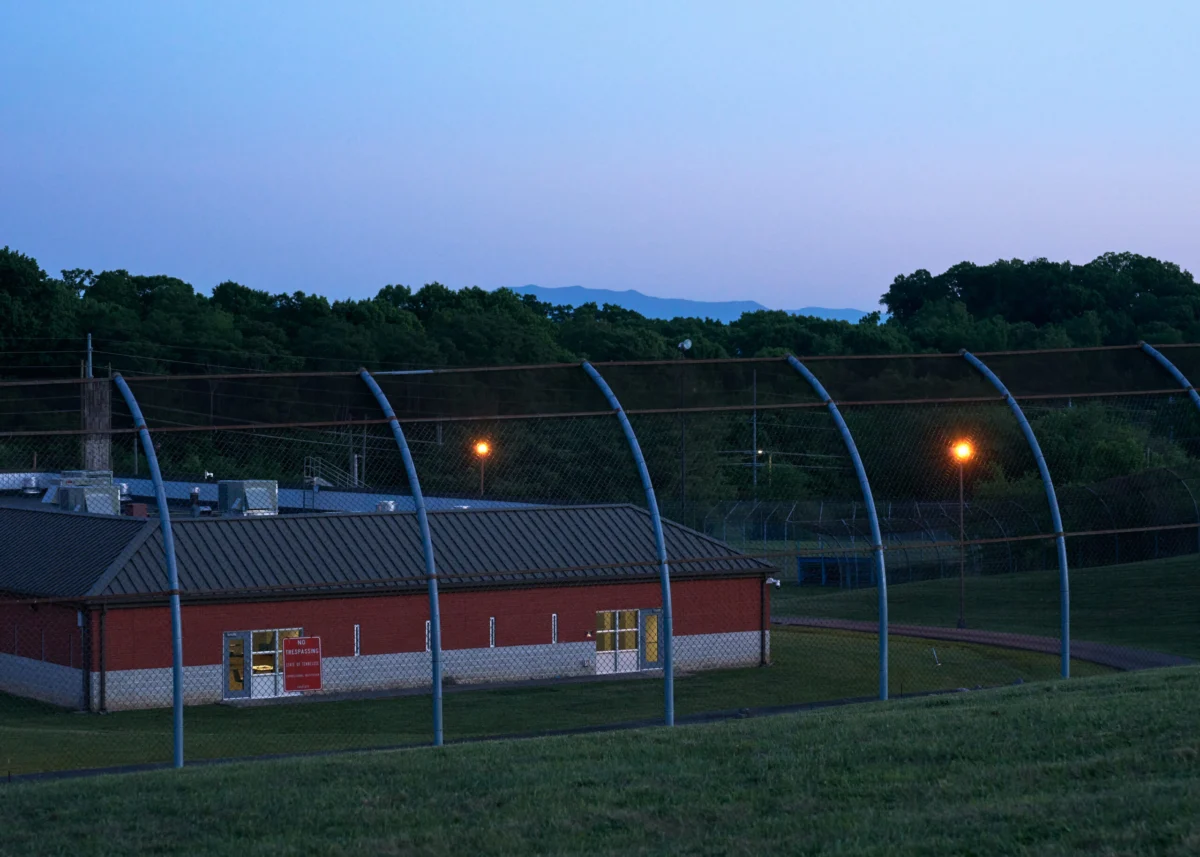
In a stark divergence from a nationwide movement towards reforming juvenile justice, Tennessee is poised to invest an unprecedented $360 million into constructing two new high-security youth facilities, adding up to 256 new beds. This significant commitment to institutionalization comes despite a national trend of states shuttering youth prisons, a response to plummeting juvenile crime rates and compelling research indicating that such facilities are largely ineffective in rehabilitating young offenders and preventing recidivism. Since 2000, the number of the highest-security facilities for youth across the United States has declined by more than 40%, according to the most recent federal data from the Office of Juvenile Justice and Delinquency Prevention (OJJDP). This national paradigm shift emphasizes community-based interventions, smaller therapeutic environments, and a focus on addressing the root causes of delinquent behavior, rather than relying on punitive, large-scale incarceration.
Construction for Tennessee’s new facilities is slated to begin this fall, with projected opening dates in 2028 and 2029. This expansion is championed by the Tennessee Department of Children’s Services (DCS), which asserts a critical shortage of space for youth adjudicated for crimes by the courts. In recent years, DCS has reportedly resorted to holding dozens of teenagers overnight in temporary locations, including, at one point, office buildings, highlighting an undeniable immediate capacity crisis. The agency attributes this lack of bed space to a confluence of factors, including the complex needs of some youth requiring specific mental health services and ongoing temporary staffing issues within its existing facilities. DCS officials maintain that national trends, while noted, "do not determine" the specific bed availability requirements for Tennessee’s unique juvenile population.
However, this rationale faces considerable skepticism from juvenile justice advocates and experts both within and outside Tennessee. Critics argue that the state’s ambitious prison expansion not only flies in the face of national best practices but also fails to align with the underlying data concerning juvenile crime within Tennessee itself. Despite DCS’s claims of increased severity, overall juvenile crime rates in the state have also seen a decline, mirroring the broader national pattern.
The National Shift: A Decades-Long Evolution in Juvenile Justice
The United States has long grappled with the most effective approach to juvenile crime. For much of the 20th century, the focus was often on institutionalization, mirroring the adult correctional system. However, decades of research, particularly emerging in the late 20th and early 21st centuries, began to challenge this model. Studies consistently demonstrated that large, high-security facilities often exacerbated trauma, disrupted educational pathways, and disconnected youth from their families and communities, ultimately leading to higher rates of reoffending.
This growing body of evidence, coupled with a significant and sustained drop in juvenile arrests since the mid-1990s, catalyzed a national movement towards decarceration. States began recognizing the substantial financial burden of large institutions and the ethical imperative to adopt more rehabilitative, developmentally appropriate approaches for youth. Organizations like The Annie E. Casey Foundation have championed reforms, advocating for community-based alternatives that focus on prevention, early intervention, and individualized treatment plans. These reforms have often resulted in not only better outcomes for youth but also significant cost savings for states. The closure of over 40% of the highest-security youth facilities nationwide over two decades is a testament to this profound, evidence-driven policy shift.
Tennessee’s Justification: A Closer Look at the Data
Tennessee DCS officials have pointed to a recent state-commissioned study to substantiate their need for increased capacity, specifically citing an increase in police reports of violent juvenile crimes since 2013. Categories highlighted include murder, aggravated assault, motor vehicle theft, and crimes involving firearms. This data, they argue, necessitates more secure beds for a population presenting more severe behavioral challenges.
However, a deeper dive into the very same state report reveals a more nuanced picture. While police reports of violent juvenile crimes may have seen an uptick, the number of youth actually arrested and formally entering the juvenile justice system, even for violent offenses, has demonstrably decreased over the same period. This discrepancy can be attributed to various factors, such as multiple reports for a single incident or increased public awareness leading to more frequent reporting without a corresponding rise in confirmed offenses or arrests. The singular exception noted in the report for an increase in arrests was murder, rising from 15 cases in 2013 to 26 in 2024. Even this figure, while concerning, remains lower than its peak in 2018, suggesting that the overall trend in serious juvenile offending leading to formal processing is not one of consistent escalation.
Josh Rovner, a senior research analyst at The Sentencing Project, a non-profit research and advocacy group dedicated to reducing incarceration, succinctly articulated this disparity: "The argument that’s made is that [juvenile crime is] worse than ever, right? Or the kids are out of control… The data doesn’t back that up." This sentiment is echoed by many who observe that public perception of rising youth crime often outpaces empirical evidence.
DCS leaders have testified in state hearings that their existing high-security facilities have reached maximum capacity, leading to the aforementioned overflow situations. They further clarify that while overall arrests may decline, the day-to-day number of youth requiring space in a particular type of high-security facility can remain high, creating an immediate operational challenge.
Rehabilitation or Recidivism? The Debate Over Facility Size and Design
Central to the philosophy of the juvenile justice system, distinct from its adult counterpart, is the principle of rehabilitation. Decades of developmental psychology and criminology research underscore that youth, whose brains are still developing, are more amenable to change and intervention than adults. Tennessee DCS maintains that its planned new facilities are being designed with this rehabilitative mission firmly in mind. The agency informed WPLN and ProPublica that the designs will incorporate dedicated spaces for education, job training, and recreation, alongside "calming rooms" and specialized areas for mental health staff to provide trauma-informed behavioral health treatment tailored to individual needs.
However, critics, including Daniel Macallair, executive director of the Center on Juvenile and Criminal Justice, argue that the sheer scale of the proposed facilities undermines any genuine rehabilitative aspirations. "These institutions are not humane places. They’re not rehabilitative. They never have been," Macallair stated, drawing on over 40 years of experience in juvenile justice reform. He contends that any facility housing more than 10 children becomes inherently unwieldy, shifting its primary function from therapeutic intervention to correctional control. Research supports this assertion, linking larger facilities to harsher treatment, including higher rates of sexual abuse and the use of solitary confinement, practices widely condemned for their detrimental effects on youth. The prospect of one of Tennessee’s new prisons housing up to 160 beds, making it the largest in the state, raises significant concerns about its ability to foster individualized care and positive development.
Allegations Against Existing Facilities and the Imperative of Oversight
The effectiveness of Tennessee’s current juvenile justice system, particularly its privately run high-security facilities, has come under intense scrutiny. A 2024 lawsuit filed by Disability Rights Tennessee and multiple unnamed youth in the system against DCS alleges that the state frequently places youth in facilities that are more punitive than rehabilitative, sometimes without adequately considering their mental health needs or other services. The lawsuit claims that some teenagers are inappropriately held in the highest-security settings. While juvenile privacy laws obscure specific charging data, the lawsuit paints a picture of systemic issues.
The suit specifically targets facilities operated by Wayne Halfway House, a company run by Tennessee businessman Jason Crews, which manages all three of the state’s highest-security youth prisons. The lawsuit claims these facilities have implemented policies barring youth from attending school for misbehavior and have failed to provide adequate mental health treatment. One documented case cited a teen diagnosed with PTSD, anxiety, and other conditions who allegedly went months without individual therapy and received only minimal daily education in a Crews facility.
In response to the lawsuit, DCS acknowledged that placement decisions are sometimes influenced by capacity, but denied allegations of improperly holding youth in high-security facilities or providing inadequate education and mental health services. Wayne Halfway House, in a statement, "vehemently denies" any allegations that it discourages staff from reporting serious incidents or that its programs are non-compliant, referencing unspecified "numerous state audits and/or reports" to refute the claims, though declining to share specific documents. This comes in the wake of a recent WPLN/ProPublica investigation that uncovered several serious incidents at Crews’ facilities that were allegedly not reported to the state as required by contract.
These allegations underscore a critical missing component in Tennessee’s juvenile justice framework: robust, independent oversight. Experts, including Michele Deitch, a criminal and juvenile justice expert at the University of Texas at Austin, emphasize that independent external bodies are "crucial" for ensuring transparency and accountability within these facilities. Tennessee currently relies on a single agency to assist families (lacking enforcement power) and a newly formed Juvenile Justice Review Commission, which is not slated to release its first recommendations until 2028.
In 2024, a bipartisan group of Tennessee lawmakers attempted to address this gap by introducing a bill that would grant an independent organization oversight and enforcement powers, enabling it to suspend a facility’s license or halt placements until violations were rectified. However, this bill ultimately failed, reportedly due to opposition from powerful stakeholders. Wayne Halfway House, a significant political donor with a legislative lobbyist, actively opposed the bill, with a lobbyist for the company reportedly pushing for an amendment to exempt privately run facilities. The company stated its concerns about how the bill would "affect accountability in the governance of youth corrections in Tennessee," while simultaneously claiming support for existing state oversight. The failure of this bill leaves a significant vacuum in external accountability, perpetuating concerns about the conditions and practices within these institutions.
The Promise of Community-Based Alternatives: The Missouri Model
In stark contrast to Tennessee’s institutional expansion, successful models across the country demonstrate the efficacy of smaller, community-based programs. The "Missouri Model" stands out as a nationally lauded example. Missouri has established a network of small, therapeutic facilities dispersed throughout the state, ensuring that youth—even those who have committed violent crimes—remain close to their homes and communities. These programs prioritize intensive therapy, education, and family engagement within a supportive, less restrictive environment. Research has consistently shown that the Missouri Model not only achieves better rehabilitative outcomes, including lower rates of reoffending and higher rates of high school graduation, but also operates more cost-effectively than traditional large-scale youth prisons.
Tennessee DCS states it provides community-based services for youth who can safely remain at home. However, state data indicates that the vast majority of youth within the system were not allowed to stay in their communities last year, suggesting an underutilization or underinvestment in these proven alternatives.
Furthermore, a significant impediment to assessing the long-term effectiveness of Tennessee’s juvenile justice system is the state’s acknowledged inability to comprehensively and accurately track recidivism. Officials admit that the lack of a centralized system to monitor when a youth commits a new crime after release makes it impossible to measure the true rehabilitative success (or failure) of its facilities. Without this crucial data, policy decisions, including multi-million dollar investments in new infrastructure, are made in an informational vacuum.
Financial, Ethical, and Long-Term Implications
Tennessee’s decision to invest $360 million in new, large-scale youth prisons at a time when national trends strongly advocate for decarceration and community-based solutions carries profound implications. Financially, this represents a substantial commitment to an infrastructure model that is increasingly being deemed outdated and inefficient. The long-term operational costs, coupled with the potential for underutilization if juvenile crime rates continue their downward trajectory, could place an unnecessary burden on state taxpayers.
Ethically, the state faces questions about its commitment to the rehabilitative ideal of juvenile justice. If larger facilities are inherently less effective at rehabilitation, as experts suggest, then expanding such a system could perpetuate a cycle of incarceration rather than fostering positive change for vulnerable youth. The ongoing lawsuit and the failure of independent oversight legislation amplify concerns about the safety, well-being, and constitutional rights of children entrusted to the state’s care.
The state’s reliance on private contractors, particularly Wayne Halfway House, for its highest-security facilities, also raises questions about accountability and transparency, especially given the company’s opposition to increased independent oversight. While DCS states a bid process will determine operators for the new facilities, the influence of existing private entities on policy decisions remains a point of contention.
As Tennessee moves forward with its ambitious construction plans, it stands at a critical juncture. The path chosen diverges significantly from a national consensus built on decades of research and reform efforts. The coming years will reveal whether this multi-million-dollar investment in traditional institutionalization will genuinely address the complex needs of Tennessee’s youth or if it will solidify a system that risks being out of step with the most effective, humane, and evidence-based practices in juvenile justice. The ongoing legal battle and the eventual opening of these new facilities will undoubtedly keep the spotlight firmly on the future of juvenile justice in the Volunteer State.




 Jia Lissa
 Joko Widodo
 Eva Lovia

 Pevita Pearce