
 Yuyun Lusiyani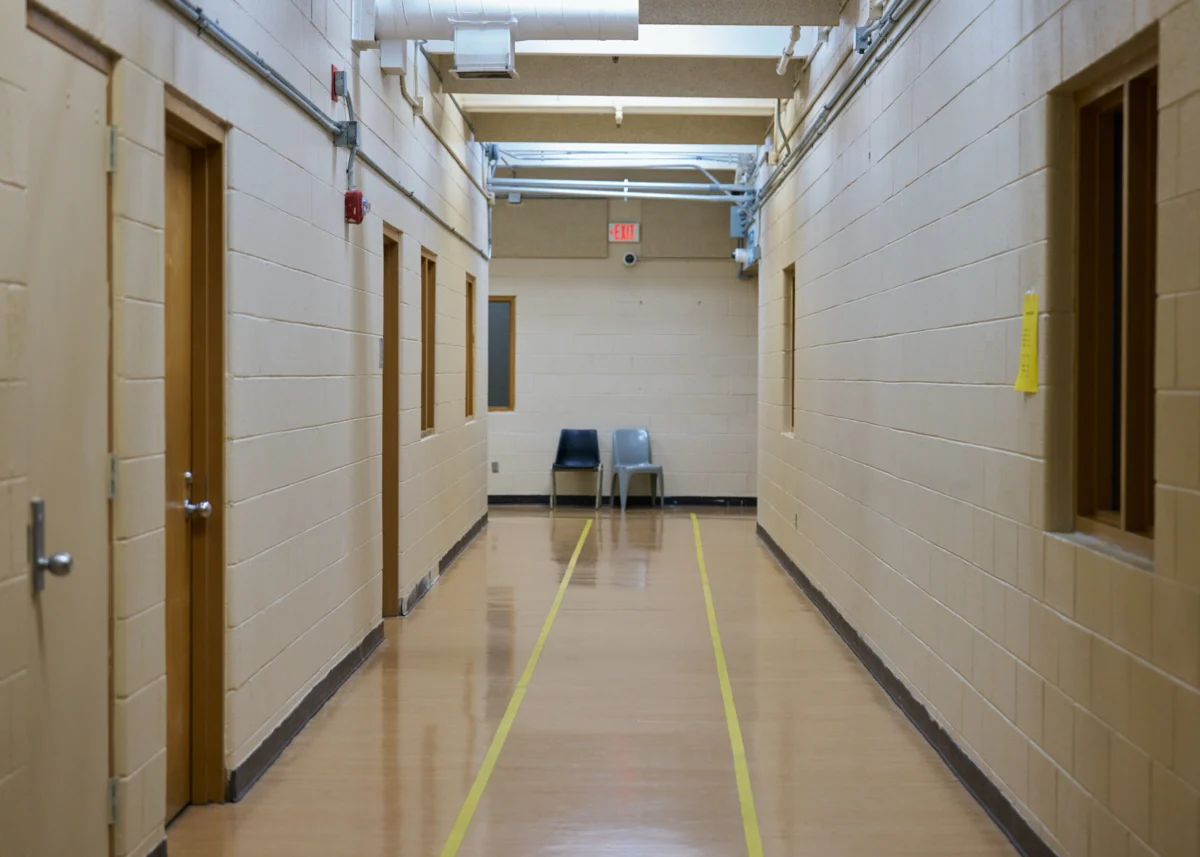
Four Democratic state lawmakers in Tennessee have formally escalated concerns regarding the safety, oversight, and operational integrity of the state’s juvenile justice facilities, sending a scathing letter to the Department of Children’s Services (DCS). The letter, a direct response to a groundbreaking investigative series by WPLN and ProPublica, demands immediate and transparent answers concerning allegations of systemic failures in reporting child abuse and other critical incidents within facilities managed by Tennessee businessman Jason Crews and his company, Wayne Halfway House (WHH). These facilities comprise all three of the state’s highest-security youth prisons, placing a substantial portion of Tennessee’s vulnerable youth under their purview.
The Genesis of Concern: An Investigative Deep Dive
The catalyst for the lawmakers’ urgent intervention was the recent WPLN and ProPublica investigation, which unearthed deeply troubling patterns of alleged misconduct and negligence within WHH-operated facilities. The journalistic exposé, meticulously compiled through interviews with dozens of former staff and youth, alongside an exhaustive review of emergency call logs, internal company records, and state documents, painted a stark picture of an environment where mandated reporting of serious incidents was allegedly routinely circumvented. The investigation highlighted a series of grave allegations, including serious physical and sexual abuse, the use of dangerous restraints, and other significant injuries that purportedly went unreported to state authorities, in direct violation of established protocols and state law.
The lawmakers, in their letter, did not mince words, stating, "The allegations that serious physical and sexual abuse, dangerous restraints, injuries, and other critical incidents have gone unreported by WHH demand an urgent, transparent, and independently verifiable response from the Department of Children’s Services." This statement underscores the gravity of the situation and the perceived inadequacy of existing oversight mechanisms. The reliance on journalistic inquiry to uncover such systemic issues has raised profound questions about the effectiveness of DCS’s monitoring responsibilities and its ability to safeguard children in its care.
Wayne Halfway House Responds to Allegations
In the wake of the WPLN and ProPublica investigation, and specifically after being provided a copy of the lawmakers’ letter, a spokesperson for Wayne Halfway House issued a robust defense of its operations. The company asserted that it "continues to meet or exceed performance standards set by Tennessee," citing favorable state audits as evidence of its compliance and quality of care. Furthermore, the spokesperson highlighted the company’s positive contributions, noting that Wayne Halfway House has facilitated over 200 youth in earning a high school diploma or its equivalent within the last three years, presenting this as a testament to its rehabilitative efforts.
Earlier statements made to WPLN and ProPublica regarding the initial reporting also saw the company vehemently deny any wrongdoing. Wayne Halfway House maintained that it strictly adheres to state policy and law and "vehemently denies" that its leadership, including Jason Crews, ever discouraged staff from reporting serious or life-threatening incidents to the state. The company also sought to discredit the sources of the investigation, describing former employees who spoke with the news organizations as "untrustworthy sources" with a "clear bias" against the company, and dismissing their allegations as "substantially flawed." These conflicting narratives underscore the deep chasm between the allegations raised by former staff and youth, and the official stance of the company operating these critical state-contracted facilities.
Lawmakers’ Specific Demands and Broader Concerns
The Democratic lawmakers’ letter outlined several specific questions directly stemming from the investigative findings, seeking clarity and accountability from DCS. These critical inquiries include:
- What concrete steps the department is currently taking to thoroughly investigate and address the serious allegations of unreported abuse and incidents?
- A transparent breakdown of the financial allocations: specifically, how much state money is being spent to place youth in Wayne Halfway House facilities? This question points to concerns about the fiscal implications of contracting with a company facing such serious accusations.
- Crucially, the lawmakers also sought information regarding the selection process for future operators, asking who is being considered to manage new juvenile facilities that the department is planning to build. This highlights a forward-looking concern about ensuring that past failures are not replicated in future state investments.
Beyond these specific questions, the lawmakers also formally requested a meeting with DCS leadership. The stated purpose of this meeting is to "discuss these issues, review the Department’s response, and identify the legislative and administrative actions necessary to ensure that no child’s safety depends on abuse first becoming a news story." This emphasizes a desire for proactive, systemic change rather than reactive measures, recognizing that relying on investigative journalism to uncover such deep-seated problems is an unsustainable and unacceptable model for child protection.
DCS’s Initial Response and Broader Context
In its initial response to the news organizations’ investigation, DCS acknowledged that it was looking into the incidents uncovered by the reporting. However, the department notably did not provide a comment in response to the lawmakers’ latest letter, leaving an information vacuum that further fueled concerns about transparency and accountability.
This latest development, while significant, is not an isolated incident within Tennessee’s juvenile justice landscape. The lawmakers’ letter explicitly noted that this investigation "joins a long and deeply troubling record of reports" on juvenile justice facilities across the state. This historical context is vital for understanding the systemic nature of the challenges facing Tennessee’s efforts to care for its most vulnerable youth.
A Troubling Chronology of Systemic Failures and Legislative Hurdles
The WPLN and ProPublica investigation into Wayne Halfway House is not the first time these news organizations have shone a light on deficiencies within Tennessee’s juvenile justice system. A previous investigation in 2023 exposed severe violations at a county-run East Tennessee juvenile detention center. That report revealed that the facility was illegally "locking kids in solitary confinement," a practice that contravenes state law and international human rights standards for minors. Following that investigation, DCS publicly stated it would take steps to address the findings, and the superintendent of the facility, Richard Bean, subsequently resigned. While these actions indicated a response to the findings, the recurrence of serious allegations raises questions about the depth and longevity of reforms.
Further underscoring the systemic nature of these challenges, State Sen. Heidi Campbell, a signatory to the current letter, had previously championed legislation in 2024 aimed at establishing independent oversight for juvenile justice facilities. This legislative push was a direct consequence of the earlier WPLN and ProPublica reporting from East Tennessee. However, the proposed oversight bill ultimately failed to pass. A critical detail emerged during the legislative process: a lobbyist representing Wayne Halfway House reportedly asked lawmakers to exempt privately run facilities, like those operated by WHH, from this independent oversight. At the time, the lobbyist stated the company’s concern was about granting regulatory power to an outside agency "without more extensive consideration." The failure of this bill highlights a significant legislative hurdle in establishing robust, independent accountability for facilities, particularly those operated by private entities, which are often less transparent than their public counterparts.
Financial Stakes and Competing Priorities
Beyond the immediate concerns for child safety and oversight, the lawmakers also voiced significant worries about the state’s escalating financial commitment to juvenile justice, particularly in light of plans to invest more than $400 million in constructing new facilities. This substantial capital expenditure, coupled with the ongoing operational costs, brings into sharp focus the economic dimension of juvenile justice reform.
To illustrate their point, the lawmakers provided a compelling comparative statistic: the cost of holding just 31 youth at a Wayne Halfway House facility for one year is roughly equivalent to the amount the state would need to expand grocery benefits for 700,000 school-aged children during the summer months. This stark comparison serves to highlight the immense financial resources being allocated to a system that, according to recent investigations, may be failing to meet its fundamental obligations of safety and care. It raises critical questions about resource allocation, competing societal needs, and whether the state is achieving sufficient value and ethical outcomes for its considerable investment.
The lawmakers concluded this point by stating, "Given the amount of money Tennessee is currently spending, and plans to invest, in juvenile justice and residential facilities, we have serious concerns about repeated findings and allegations of lack of oversight, transparency, and accountability in these facilities." This statement encapsulates the intersection of financial responsibility, ethical governance, and the paramount duty to protect children entrusted to state care.
The Broader Implications: Private vs. Public Operation and Regulatory Gaps
The issues brought to light by the WPLN and ProPublica investigations and the subsequent lawmaker intervention resonate with a broader national debate concerning the role of private entities in the juvenile justice system. States often contract with private companies, citing potential benefits such as cost-efficiency, specialized services, and flexibility. However, critics frequently point to inherent risks, including a potential conflict between profit motives and the welfare of children, reduced transparency compared to public institutions, and diminished public accountability. When allegations of unreported abuse emerge from privately run facilities, it amplifies these concerns and highlights potential gaps in the regulatory framework designed to oversee them.
Tennessee’s existing regulatory framework mandates strict reporting requirements for critical incidents, including physical and sexual abuse. The core of the current allegations – the failure to report – suggests a breakdown at a fundamental level of this oversight system. If incidents are not reported, state audits, however thorough, may not accurately reflect the true conditions within facilities. This places an immense burden on whistleblowers and investigative journalists to expose issues that should ideally be identified and addressed through routine state oversight. The failed oversight bill in 2024 further underscores the challenges in implementing robust, independent monitoring mechanisms that could proactively identify and prevent such failures.
The Human Cost and Path Forward
At the heart of this unfolding crisis is the well-being of vulnerable youth. Children in juvenile justice facilities are often those who have experienced significant trauma, neglect, and instability in their lives. The state, in taking custody of these children, assumes a heightened moral and legal responsibility for their safety, care, and rehabilitation. Allegations of abuse and neglect within these facilities not only compound existing trauma but also undermine the very purpose of a justice system designed to guide youth towards a better path. The long-term psychological and developmental impacts of such experiences can be devastating, perpetuating cycles of harm rather than fostering healing and positive growth.
The demands from the Democratic lawmakers represent a critical juncture for Tennessee’s juvenile justice system. Their call for an "independently verifiable response" from DCS suggests a recognition that the current system may lack the necessary checks and balances. The focus on future facility operators also indicates a desire to learn from past mistakes and implement more rigorous vetting and oversight for all entities entrusted with the care of the state’s children.
Moving forward, Tennessee faces a complex challenge: ensuring that its significant financial investments in juvenile justice translate into safe, humane, and rehabilitative environments for youth. This will likely require a multi-faceted approach, encompassing strengthened legislative oversight, enhanced administrative accountability within DCS, potentially re-evaluating the role and oversight of private contractors, and ensuring that every child’s safety is prioritized above all else, no longer dependent on the revelations of news stories. The current situation demands not just answers, but profound and lasting systemic reform to protect the most vulnerable members of society.



 Jia Lissa
 Joko Widodo
 Eva Lovia

 Pevita Pearce