
 Lina Irawan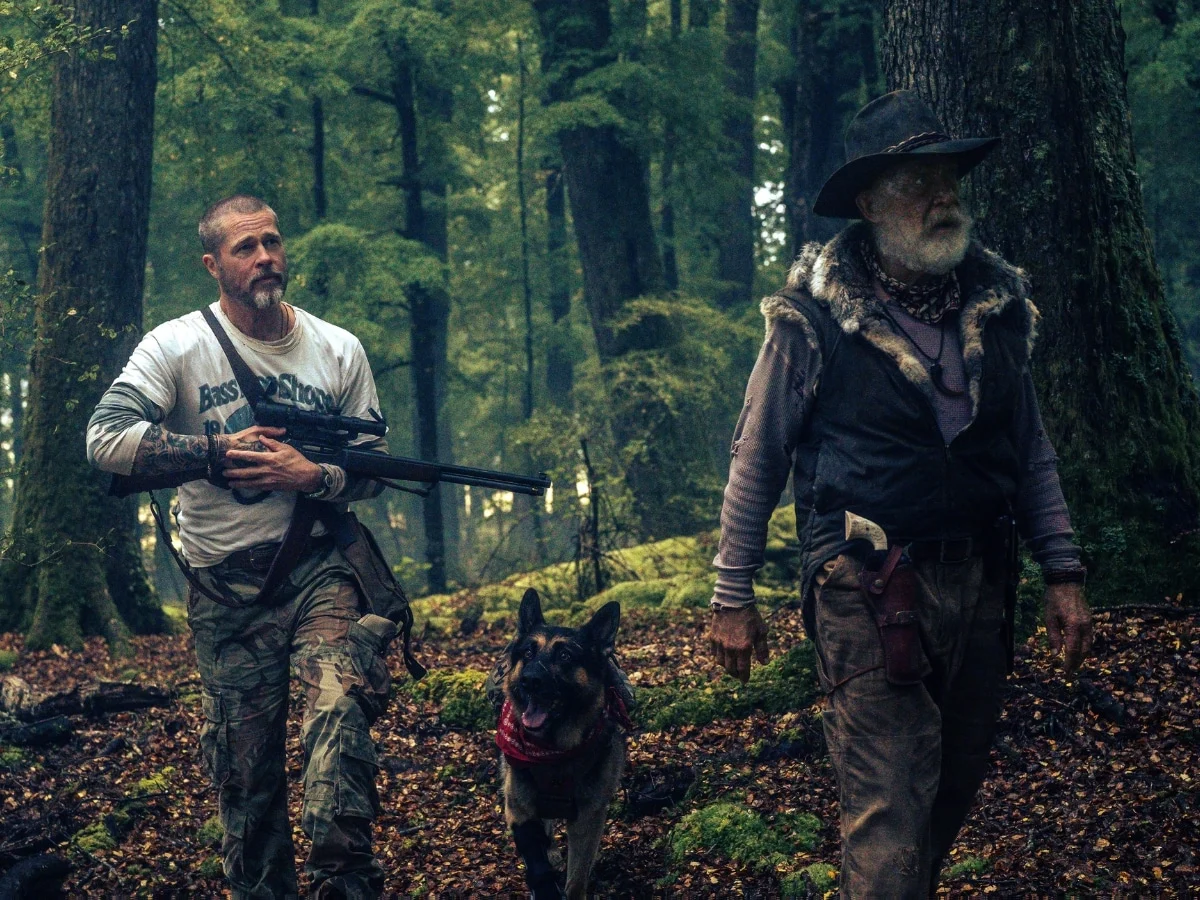
Following their 2014 collaboration on the high-octane World War II drama Fury, Academy Award winner Brad Pitt and director David Ayer have returned to the screen with Heart of the Beast. The film, a stripped-back survival thriller, marks a significant tonal shift for the duo, moving from the mechanical brutality of tank warfare to the primal, isolated struggle of man against nature. Distributed by Paramount, the production delivers a 100-minute narrative that centers on the psychological and physical endurance of a veteran and his canine companion.
The screenplay, penned by Cameron Alexander, gained industry attention nearly a decade ago when it was featured on the 2017 Black List—an influential annual survey of the most-liked unproduced scripts in Hollywood. While the story is a work of fiction, it utilizes a grounded, "true-life" aesthetic to chronicle the journey of James Belmont, a retired Army Special Forces officer played by Pitt. The narrative follows Belmont and his combat dog, Odin, as they are forced to navigate a treacherous 58-mile trek through the Alaskan wilderness toward the nearest outpost of civilization.
The Production Path: From the Black List to Principal Photography
The journey of Heart of the Beast from script to screen reflects a broader trend in Hollywood of reviving highly-regarded "Black List" scripts that prioritize character-driven tension over franchise building. Cameron Alexander’s script was noted for its efficiency and lean dialogue, qualities that David Ayer—known for his "street-level" grit in films like End of Watch and Training Day—has amplified through his directorial lens.
Principal photography for the film took place primarily in New Zealand, which served as a geographic double for the rugged terrain of Alaska. This decision allowed the production to utilize the diverse landscapes of the South Island, providing the sweeping vistas and unforgiving mountain ranges necessary to sell the film’s high-stakes survival elements. The production employed Academy Award-winning cinematographer Mauro Fiore (Avatar, Training Day) to capture the isolation of the environment. Fiore’s work contrasts the vastness of the wilderness with the claustrophobic intimacy of the bond between Belmont and his dog, utilizing natural lighting to enhance the "gritty" realism Ayer is known for.
A Two-Hander Narrative: Brad Pitt and Uber the German Shepherd
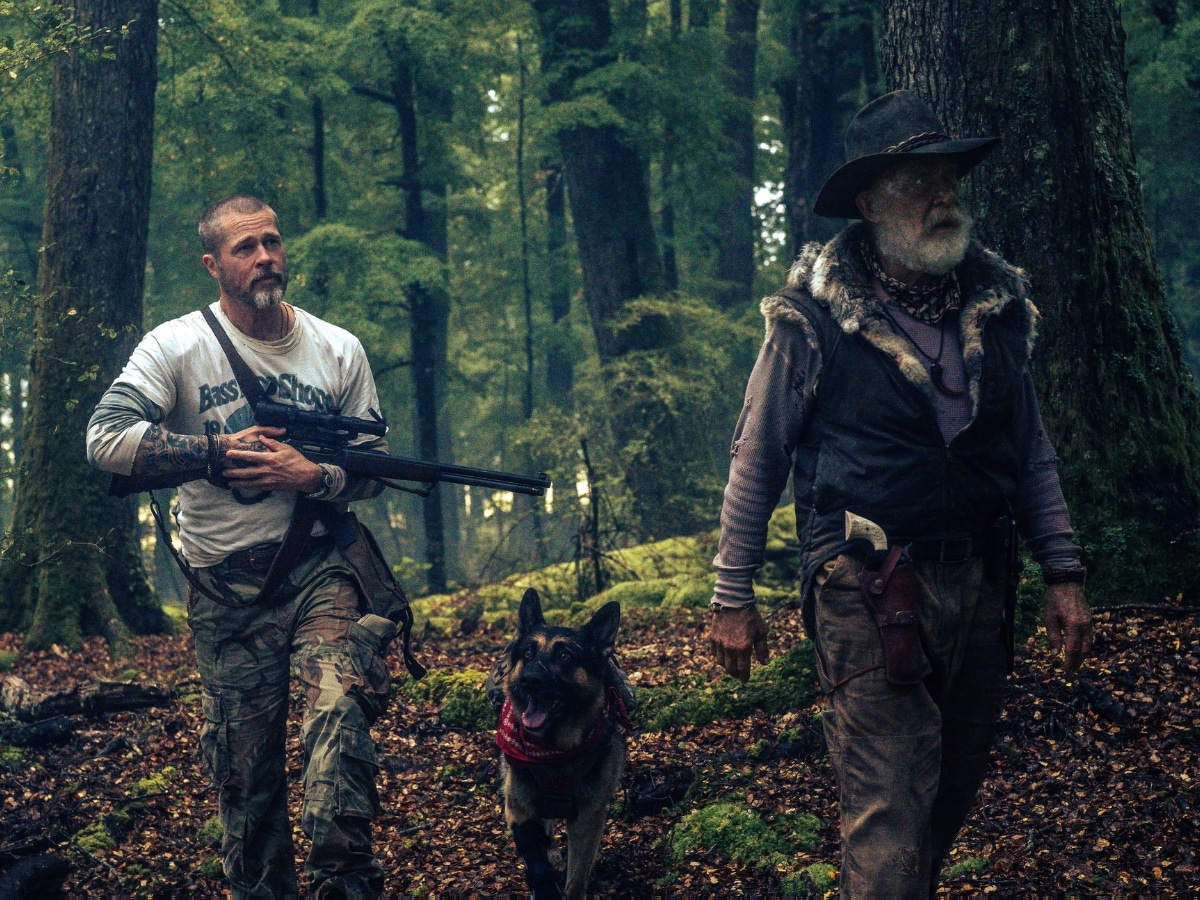
While Brad Pitt remains one of the few global stars capable of anchoring a major studio release, Heart of the Beast functions primarily as a two-hander. Pitt’s co-star is not a human actor, but a German Shepherd named Uber. A former real-life mountain rescue dog, Uber portrays Odin, Belmont’s combat-trained companion.

The decision to use a live animal performer rather than a digital creation has been highlighted as a pivotal creative choice. In an era where many survival films, such as The Call of the Wild (2020), have transitioned to CGI animals, Ayer opted for practical realism. Uber performed the majority of the film’s scenes, supported by three additional German Shepherds for specific stunts and sequences. In a notable detail for the production’s continuity and emotional depth, Uber’s actual puppies were used to portray Odin in flashback sequences that detail the pair’s previous military service.
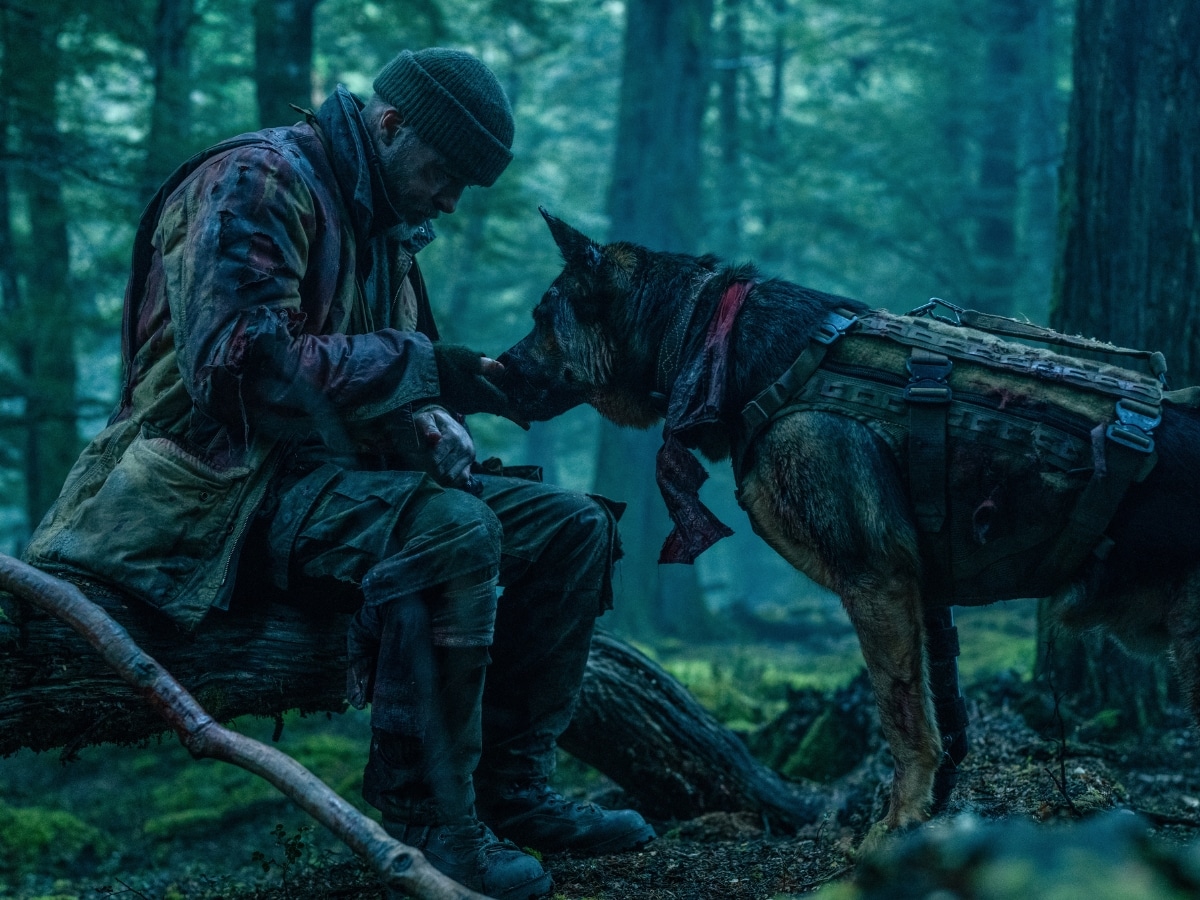
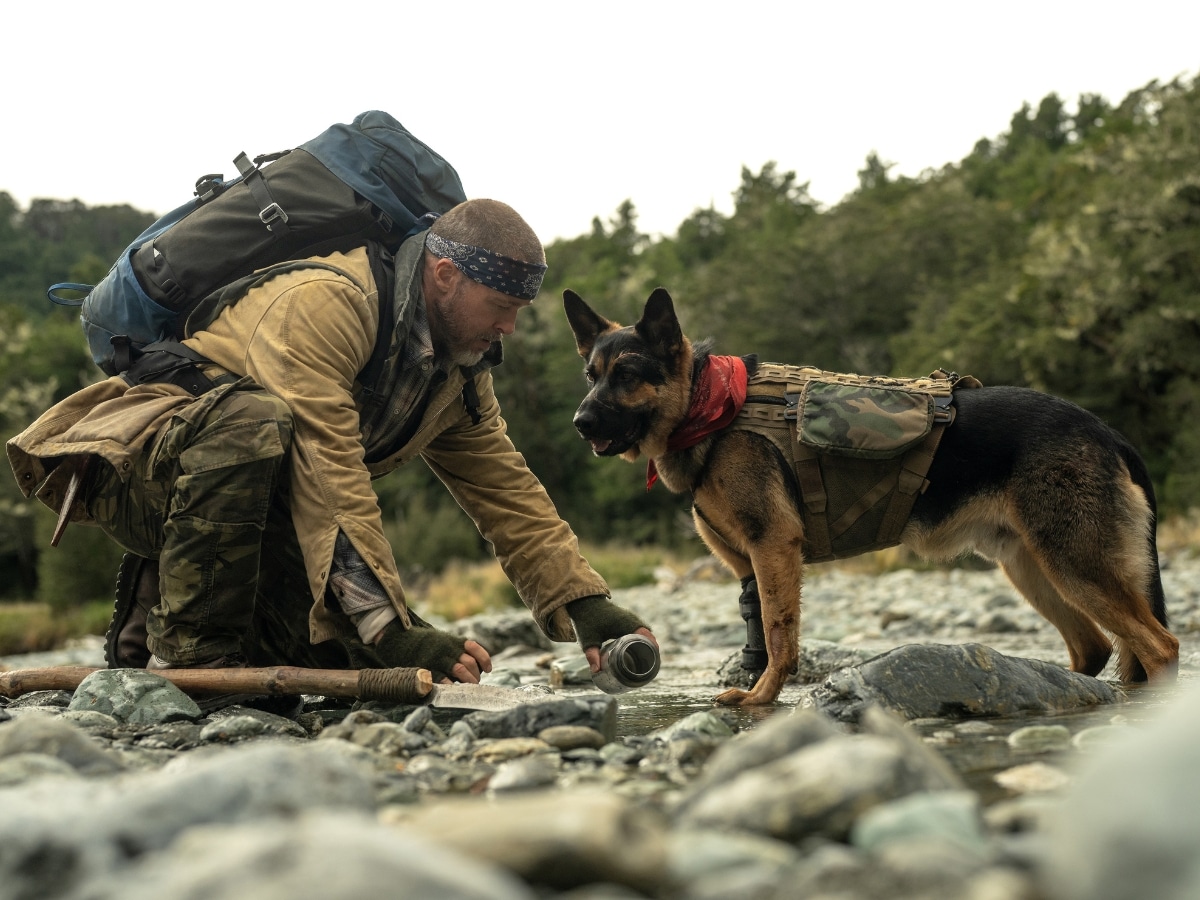
The chemistry between Pitt and Uber is central to the film’s emotional core. Belmont is depicted as a man grappling with the shared trauma of war, and his reliance on Odin transcends simple pet ownership, moving into the realm of a symbiotic military partnership. Analysts suggest that this focus on the "combat dog" dynamic taps into a specific subgenre of film—joining titles like Max (2015) and Dog (2022)—but elevates it through a darker, more mature survivalist framework.
Supporting Cast and Technical Authenticity
Though the film is largely a solo journey, it features a brief but impactful performance by J.K. Simmons. The Oscar-winning actor appears as an weathered, nearly unrecognizable mountain man who serves as a harbinger of the atmospheric dangers Belmont faces. Simmons’ character provides the necessary exposition regarding the impending weather conditions that heighten the stakes of the 58-mile journey.

From a technical standpoint, the film emphasizes military and survivalist authenticity. Given David Ayer’s background as a U.S. Navy veteran, his films often prioritize the accurate depiction of tactical movements and gear. Pitt’s portrayal of Belmont incorporates the physical weight and calculated movements of a Special Forces veteran. Early sequences, including a fly-fishing scene that evokes Pitt’s earlier work in A River Runs Through It (1992), establish Belmont’s proficiency in the outdoors before the situation devolves into a life-or-death struggle.
However, some early critical analyses have pointed toward a disconnect between Belmont’s elite training and the tactical errors he makes during the excursion. The narrative introduces a specific medical condition that affects Belmont at key intervals, a plot device used to escalate tension but one that some viewers have found to be a convenient "deus ex machina" for the script’s survival hurdles.
Structure and Stylistic Choices
One of the more controversial elements of Heart of the Beast is David Ayer’s choice to utilize a frame narrative. The film opens with a sequence that effectively reveals the conclusion of the journey before jumping back one week to show the events leading up to it. This structural change from Alexander’s original Black List script has been noted for its impact on the film’s suspense. By establishing the outcome early, the film shifts from a "will they survive" thriller to a "how did they survive" character study.
The film’s auditory landscape also plays a significant role in its presentation. The soundtrack features a vibrant cover of Ben E. King’s "Stand By Me" by Americana singer-songwriter Stephen Wilson Jr. This musical choice reinforces the film’s themes of loyalty and unconditional companionship, contrasting the harsh visuals with a soulful, emotional undertone.
Chronology of the Ayer-Pitt Partnership
The professional relationship between David Ayer and Brad Pitt has been characterized by a shared interest in the "masculine" archetypes of duty, trauma, and resilience.
- 2014 – Fury: Their first collaboration was a critical and commercial success, grossing over $211 million worldwide. It established their shared visual language—heavy on grit, mud, and historical realism.
- 2017: The script for Heart of the Beast appears on the Black List, circulating among major studios.
- 2023-2024: Development and casting are finalized, with Paramount securing distribution rights and Ayer signing on to direct with Pitt in the lead role.
- 2025: Principal photography commences in New Zealand, utilizing the country’s diverse topography to simulate the Alaskan interior.
- 2026: Heart of the Beast is released, positioned as a mid-budget thriller aimed at adult audiences.
Industry Implications and Broader Impact
The release of Heart of the Beast comes at a time when the "mid-budget" movie—films costing between $30 million and $70 million—is seeing a resurgence in the theatrical market. For Paramount, the film represents a calculated bet on the "last of the true movie stars." In an industry increasingly dominated by intellectual property and superhero franchises, a film sold primarily on the name of its lead actor and a high-concept survival premise is a throwback to the studio models of the 1990s and early 2000s.
Furthermore, the film’s focus on the bond between veterans and service animals touches on real-world themes of PTSD and the therapeutic role of animals in military recovery. While the film is a thriller, its depiction of the "shared trauma" between Belmont and Odin has resonated with advocacy groups for veterans, potentially expanding its reach beyond traditional action-cinema audiences.
The use of New Zealand as a production hub also highlights the ongoing global competition for film production. Through tax incentives and established crew infrastructures, New Zealand continues to draw major Hollywood productions away from traditional North American locations like British Columbia or the actual Alaskan wilderness.
As a cinematic product, Heart of the Beast serves as a testament to the enduring appeal of the survival genre. It strips away the complexities of modern life to focus on a singular goal: endurance. Whether the film’s structural choices and plot contrivances will hinder its longevity remains a point of debate among critics, but the performance of Brad Pitt and the practical involvement of his canine co-star have ensured the film a place in the conversation regarding the evolution of the modern survival thriller.




 Yuyun Lusiyani
 Joko Widodo
 Eva Lovia
 Pevita Pearce
 admin
admin