
 Lina Irawan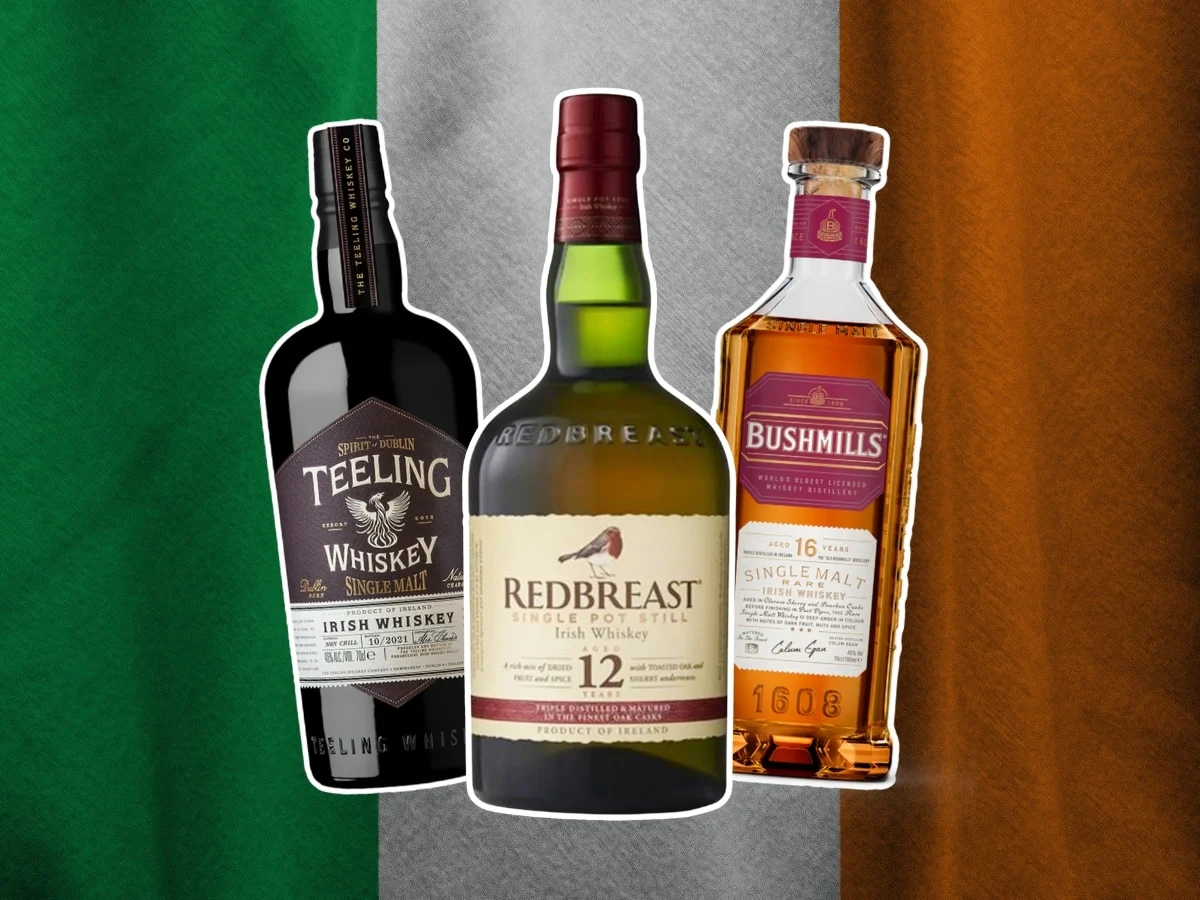
The global spirits market has witnessed a seismic shift over the last decade, with Irish whiskey emerging from the shadow of its Scottish counterparts to reclaim its status as a premier global export. Once the most popular spirit in the world during the 19th century, Irish whiskey suffered a catastrophic decline throughout the 20th century due to a combination of the Irish War of Independence, a trade war with Britain, and the onset of Prohibition in the United States. However, the industry is currently experiencing a historic "renaissance," characterized by an explosion of new distilleries and a diversification of flavor profiles that range from traditional pot still expressions to innovative cask-finished single malts. Today, Irish whiskey is defined not only by its signature triple-distilled smoothness but also by its flexibility in grain usage and a rigorous commitment to aging standards that rival any international spirit.
A Curated Selection of the Finest Expressions in Irish Distilling
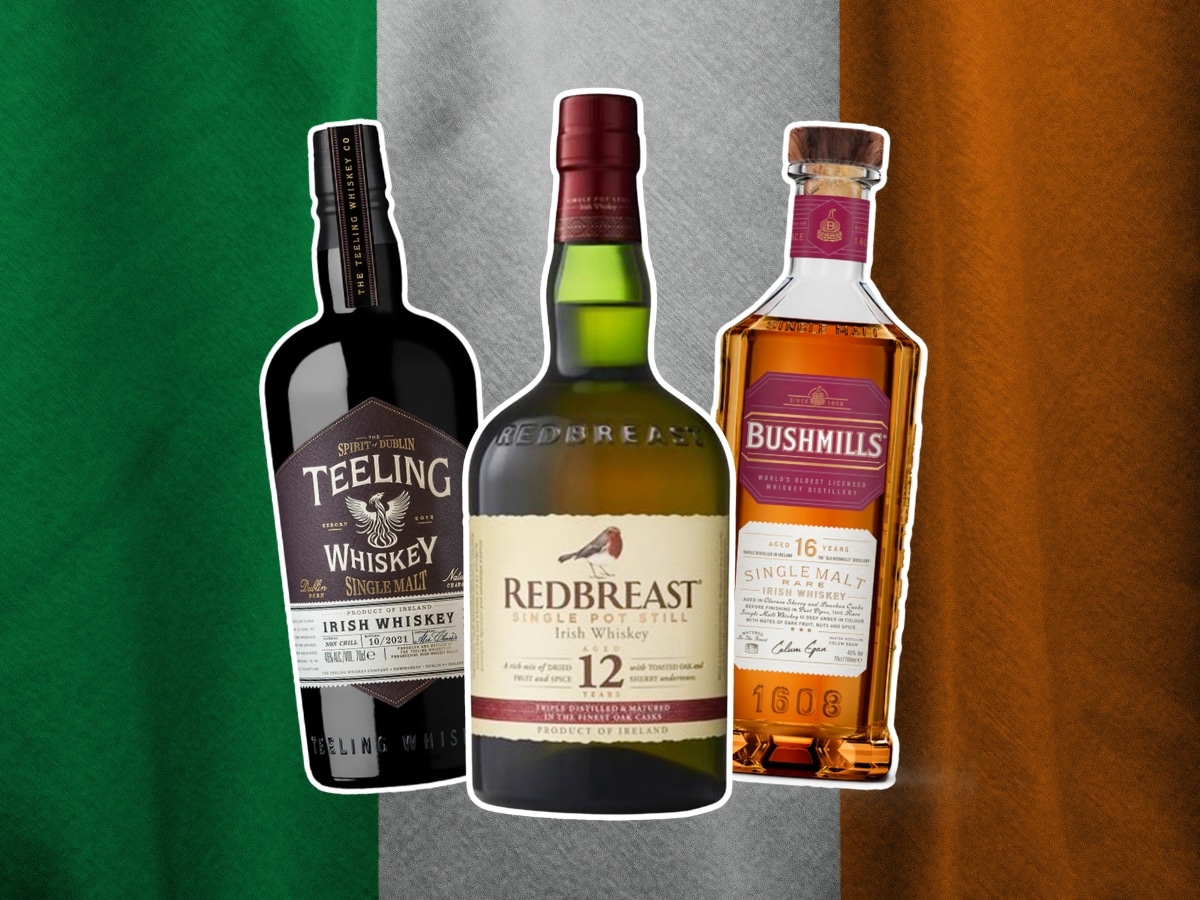
To understand the current state of the industry, one must look at the specific bottles that define the category’s quality and range. The following selections represent the pinnacle of modern Irish whiskey production, vetted for their technical merit, historical significance, and sensory complexity.
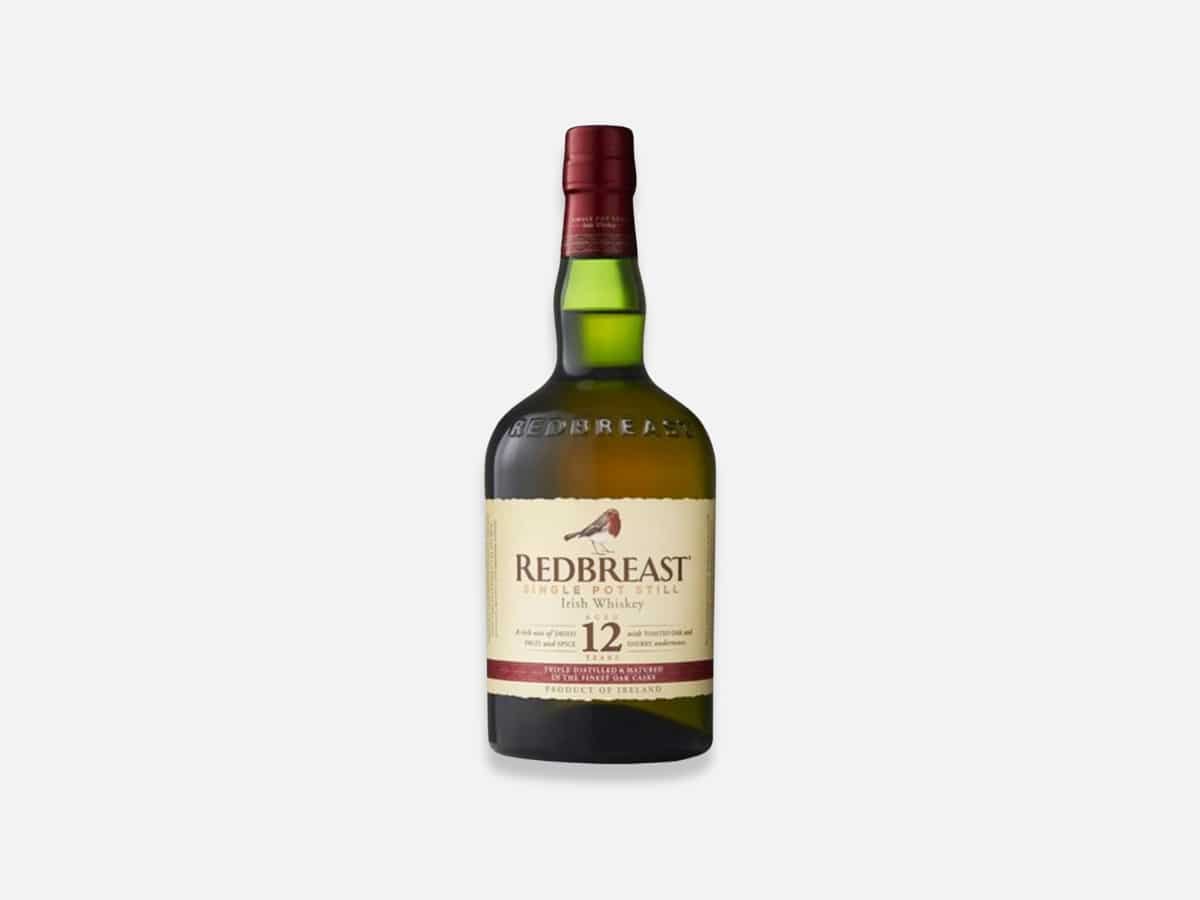
1. Redbreast 12 Year Old: The Pot Still Standard
Redbreast 12 Year Old is widely regarded by connoisseurs as the definitive example of the Single Pot Still style. Produced at the Midleton Distillery in County Cork, it utilizes a mash bill of both malted and unmalted barley. This combination, unique to Ireland, provides a creamy mouthfeel and a spicy "pot still" kick. Triple distilled in copper pot stills and matured in a combination of Bourbon-seasoned American oak barrels and Oloroso Sherry-seasoned Spanish oak butts, the 12-year-old expression offers a profile of toasted bread, dried fruit, and a distinctive oily texture. Recent expansions to the line, such as the American Oak Series and the Lustau Edition, demonstrate the brand’s ability to innovate while maintaining its core identity.

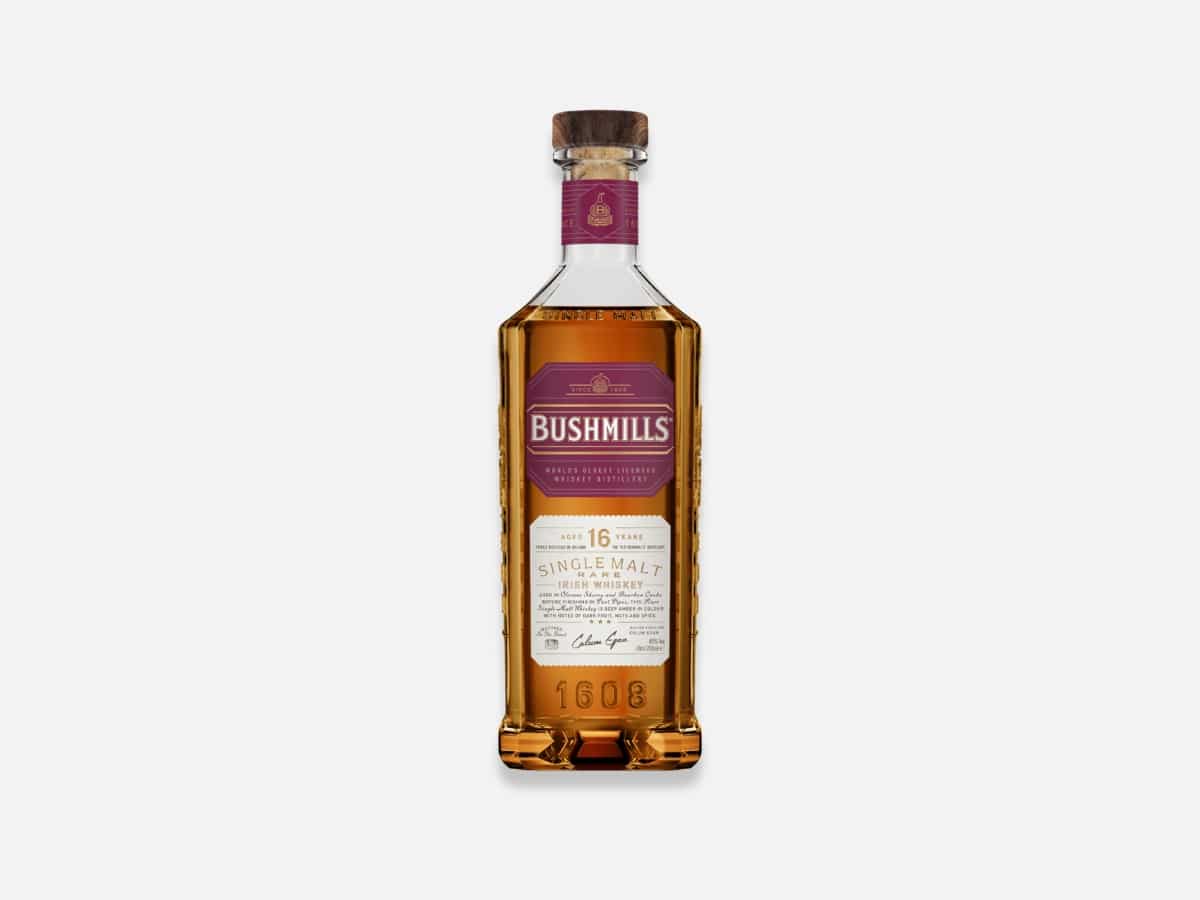
2. Bushmills 16 Year Old: The Triple-Cask Innovation
Hailing from the Old Bushmills Distillery in County Antrim—which holds a distilling license dating back to 1608—the 16-year-old single malt is a masterclass in wood management. The whiskey undergoes a maturation process in three distinct woods: Oloroso Sherry butts, Bourbon barrels, and a final finishing period of six to nine months in Port pipes. This results in a ruby-tinted liquid with notes of dark chocolate, honeyed nuts, and red berries. Bushmills remains a cornerstone of the Northern Irish distilling tradition, emphasizing 100% malted barley and triple distillation to achieve a lighter, fruitier spirit than typical Scotch single malts.
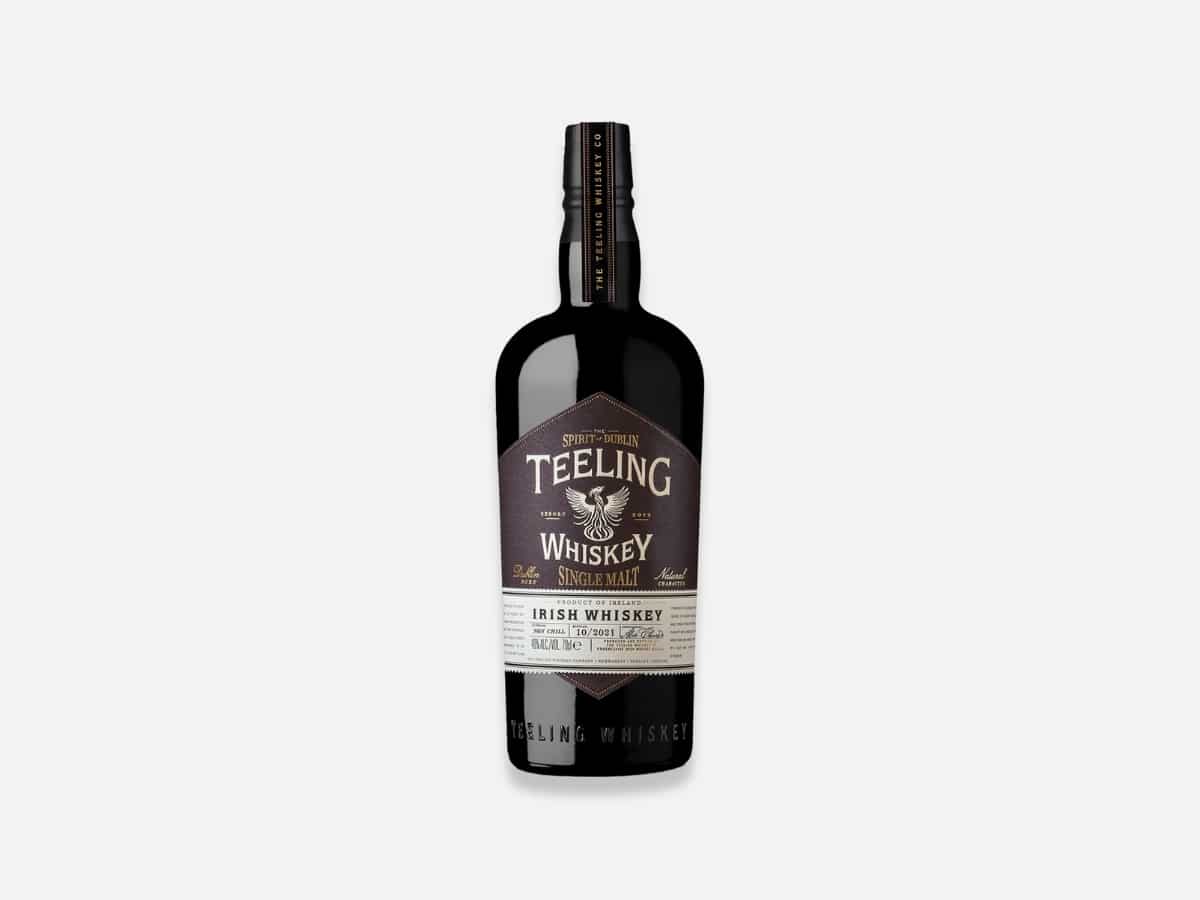
3. Teeling Single Malt: The Dublin Revival
The opening of the Teeling Distillery in 2015 marked the first new distillery in Dublin in over 125 years. Their Single Malt expression is a non-age-statement (NAS) powerhouse that utilizes whiskeys matured in five different wine casks: Sherry, Port, Madeira, White Burgundy, and Cabernet Sauvignon. This unconventional approach yields a highly complex spirit with layers of citrus, melon, and dried fruit. Teeling has been instrumental in repositioning Dublin as a hub for craft distilling, moving away from the mass-market perceptions of the mid-20th century.
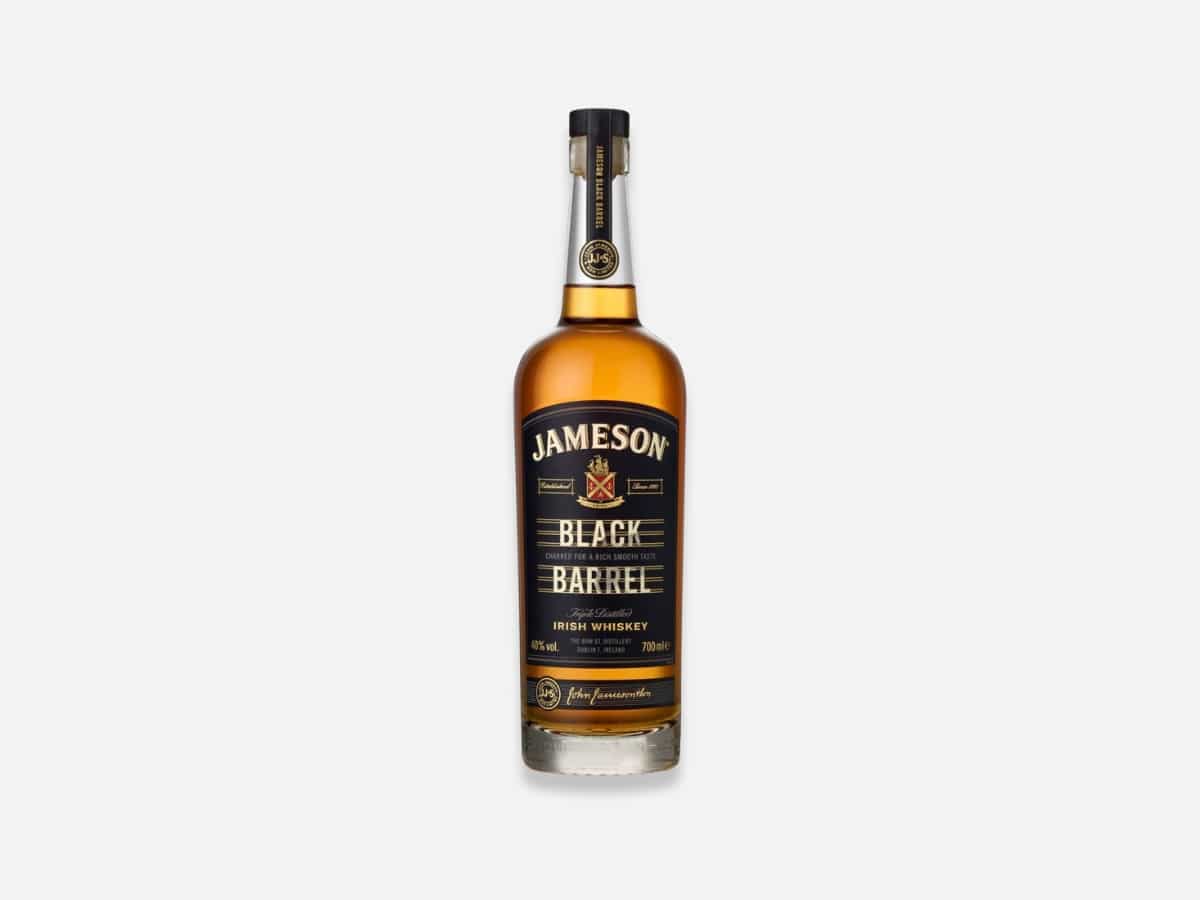
4. Jameson Black Barrel: The Consumer Favorite Enhanced
While the standard Jameson expression is the world’s best-selling Irish whiskey, the Black Barrel variant offers a deeper, more robust experience for enthusiasts. It features a high proportion of pot still whiskey and small-batch grain whiskey, matured in double-charred Bourbon barrels. The intense charring process facilitates a greater interaction between the spirit and the wood, imparting rich notes of butterscotch, vanilla, and spice. It serves as a bridge for Bourbon drinkers looking to explore the Irish category.
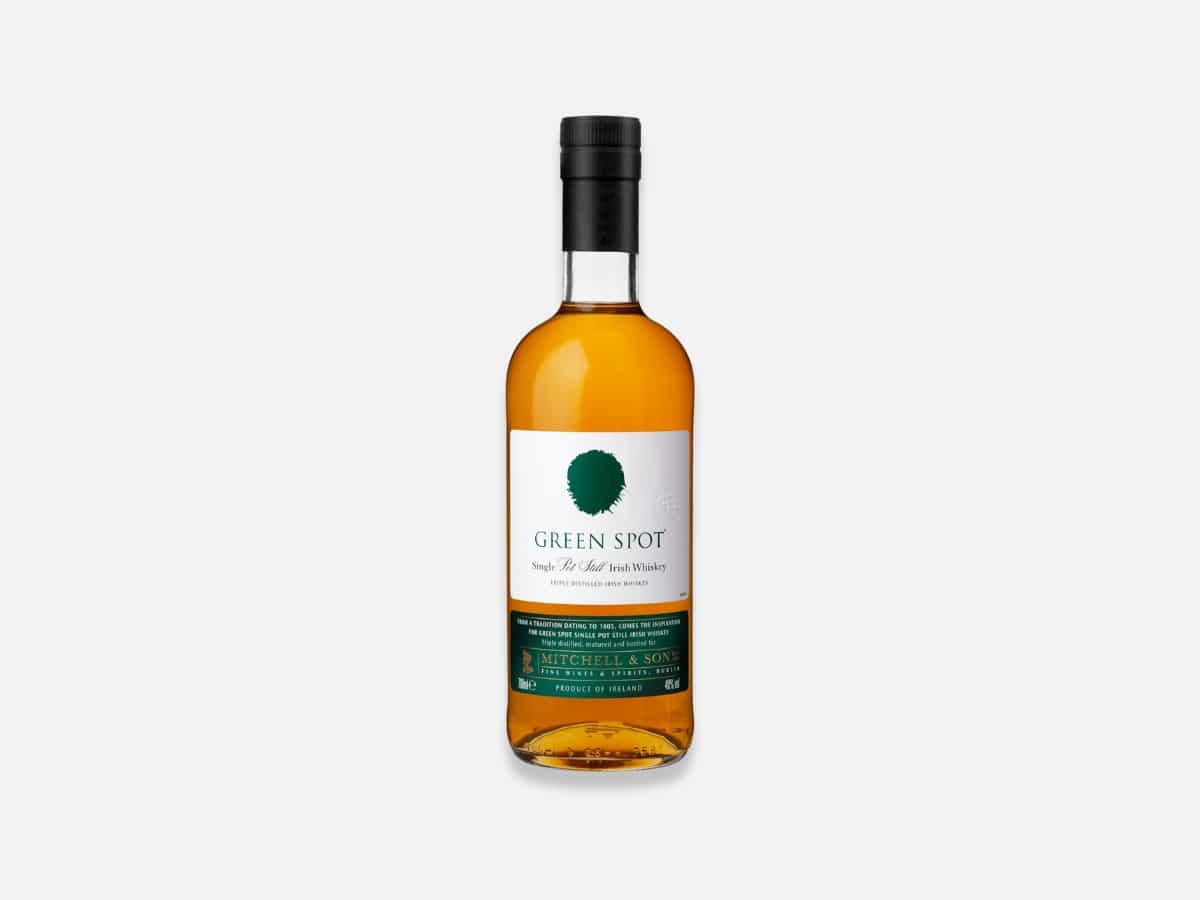
5. Green Spot Single Pot Still: The Historic Bonder’s Legacy
Historically, whiskey "bonders" like Mitchell & Son would buy spirit from large distilleries and age it in their own casks. Green Spot is a remnant of this tradition. It is a single pot still whiskey aged between seven and ten years in a combination of first-fill and refill Bourbon casks and Sherry casks. The result is a vibrant, fruit-forward whiskey characterized by green apple notes and a long, spicy finish.
6. Midleton Very Rare: The Pinnacle of Luxury
Often cited as the "Pappy Van Winkle" of Irish whiskey, the Midleton Very Rare annual release is a blend of the finest distillates selected by the Master Distiller. The 2023 expression, for instance, features whiskeys aged between 12 and 33 years. It is a highly sought-after collector’s item that emphasizes the elegance and aging potential of the Irish spirit, though its high price point positions it as a luxury commodity rather than an everyday sipper.
The Chronology of Irish Whiskey: From Monks to Modernity
The history of Irish whiskey is a timeline of extreme peaks and valleys. While the exact origins are debated, historical records suggest that Irish monks brought the technique of distillation back from the Mediterranean as early as the 12th century.
- 12th – 16th Century: Distillation is primarily a monastic activity, producing "Uisce Beatha" (the Water of Life) for medicinal and ceremonial purposes.
- 1608: King James I grants the first official license to distill in the Bushmills area of County Antrim.
- 19th Century: Irish whiskey enters its "Golden Age." By the mid-1800s, Dublin is the global center of whiskey production, with giants like John Jameson and James Power exporting millions of gallons annually. Irish whiskey is preferred over Scotch for its smoothness and consistent quality.
- 1830s: Aeneas Coffey, an Irishman, patents the Column Still, which allows for continuous distillation. Ironically, Irish distillers largely reject it in favor of traditional pot stills, while Scottish distillers embrace it to create cheaper, blended whiskies.
- 20th Century Decline: The industry is nearly decimated. Prohibition in the US (1920-1933) closes Ireland’s largest export market. The subsequent Anglo-Irish Trade War cuts off the British Empire. By the 1970s, only two distilleries remain active in the Republic of Ireland: Midleton and Bushmills.
- 21st Century Renaissance: In 2010, there were still fewer than five distilleries in operation. As of 2024, there are over 40, with exports reaching over 130 countries.
Technical Standards and Legal Protections
Irish whiskey is protected by the Irish Whiskey Act of 1980 and subsequent European Union Geographical Indication (GI) status. To be legally labeled as "Irish Whiskey," the spirit must meet the following criteria:
- Geographic Origin: It must be distilled and matured on the island of Ireland (including both the Republic of Ireland and Northern Ireland).
- Mash Bill: It must be made from a mash of cereals, saccharified by the diastase of malt contained therein, with or without other natural enzymes.
- Distillation Strength: It must be distilled to an alcoholic strength of less than 94.8% ABV, so that the distillate has an aroma and taste derived from the materials used.
- Maturation: The spirit must be aged in wooden casks (such as oak) for at least three years.
- Minimum Bottling Strength: The final product must be bottled at a minimum of 40% ABV.
Unlike Scotch, which must be made from 100% malted barley for its single malts, Irish whiskey regulations allow for the use of unmalted "raw" barley in its signature "Single Pot Still" category. This tradition began as a way to circumvent the "Malt Tax" imposed by the British crown in the 18th century but evolved into a preferred flavor profile.
Market Analysis: The Economic Impact of the Whiskey Boom
The resurgence of Irish whiskey is not merely a cultural phenomenon but a significant economic driver. According to the Irish Whiskey Association (IWA), global sales reached 15.2 million cases in 2022, representing a doubling of volume over the previous decade. The United States remains the largest market, accounting for roughly 40% of all exports.
"The growth we are seeing is unprecedented," stated a representative from the Irish Whiskey Association during a recent industry summit. "We are seeing a move toward ‘premiumization,’ where consumers are willing to spend more on aged statements and unique finishes. This has allowed smaller, independent distilleries to find a foothold alongside established brands like Jameson and Bushmills."
The industry has also seen a surge in "Whiskey Tourism." In 2023, Irish whiskey distilleries attracted over 800,000 visitors, contributing significantly to the local economies of rural counties. The capital investment in new facilities over the last five years is estimated to exceed €1.5 billion.
Broader Implications and the Future of the Industry
The future of Irish whiskey appears to be rooted in innovation. While the "smooth and accessible" reputation of Irish whiskey helped it regain market share, distillers are now experimenting with peated malts (traditionally a Scotch trait), heritage grains like oats and rye, and exotic wood finishes including Japanese Mizunara oak and Irish virgin oak.
The industry also faces challenges, including the global supply chain for high-quality casks and the environmental impact of large-scale distillation. Many new distilleries are pivoting toward sustainable practices, utilizing biomass boilers and heat recovery systems to reduce their carbon footprint.
As the category continues to mature, the distinction between Irish whiskey and Scotch whisky is becoming more about "innovation versus tradition." While Scotch remains bound by more rigid production rules, the Irish category is leaning into its flexibility, positioning itself as a playground for a new generation of master blenders and distillers. For the consumer, this means an ever-expanding library of flavors that honor a thousand-year-old heritage while embracing the possibilities of modern craft.



 Yuyun Lusiyani
 Joko Widodo
 Eva Lovia
 Pevita Pearce
 admin
admin