
 Lina Irawan
The ritualized consumption of Guinness Draught has transcended traditional pub culture to become a global social media phenomenon centered on a precision-based drinking challenge known as Splitting the G. This practice, which requires a participant to take a single, calculated sip of the nitrogenated stout to align the beer’s settling line with the horizontal stroke of the "G" in the branded Guinness logo, has evolved from a niche Irish pastime into a widely recognized test of steady hands and visual estimation. While the challenge remains an unofficial game among patrons, its rise highlights the intersection of centuries-old brewing traditions and modern digital trends, influencing how a new generation of consumers interacts with one of the world’s most recognizable beverage brands.
The Mechanics and Technical Requirements of the Challenge
To execute a successful "G-Split," several technical variables must be met, beginning with the vessel itself. The challenge is predicated on the use of the official Guinness gravity glass, also known as the tulip glass, which features the brand’s wordmark and the Brian Boru harp logo. The geometry of the glass is essential, as the outward flare and subsequent taper affect the volume of liquid displaced during a single gulp.
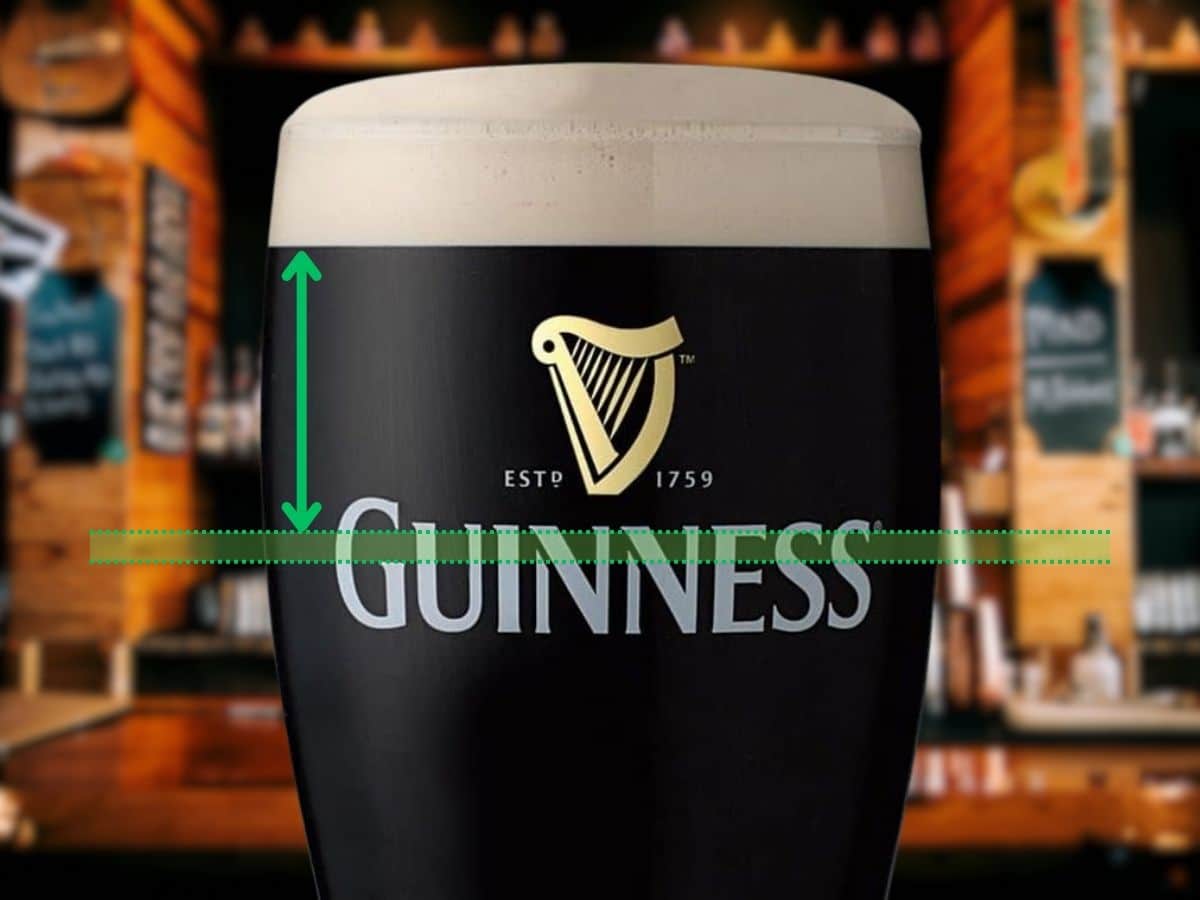
The primary objective is for the drinker to consume enough liquid in one continuous motion so that, once the beer has fully settled, the meniscus of the black liquid sits precisely in the center of the "G." This requires an understanding of the beer’s unique physical properties. Unlike standard carbonated lagers, Guinness utilizes a nitrogen-CO2 blend (typically 75% nitrogen and 25% carbon dioxide), which produces smaller bubbles and a denser, creamier head. This "surge and settle" effect means that the final level of the beer can shift by several millimeters after the sip is taken, adding a layer of stochastic difficulty to the game.
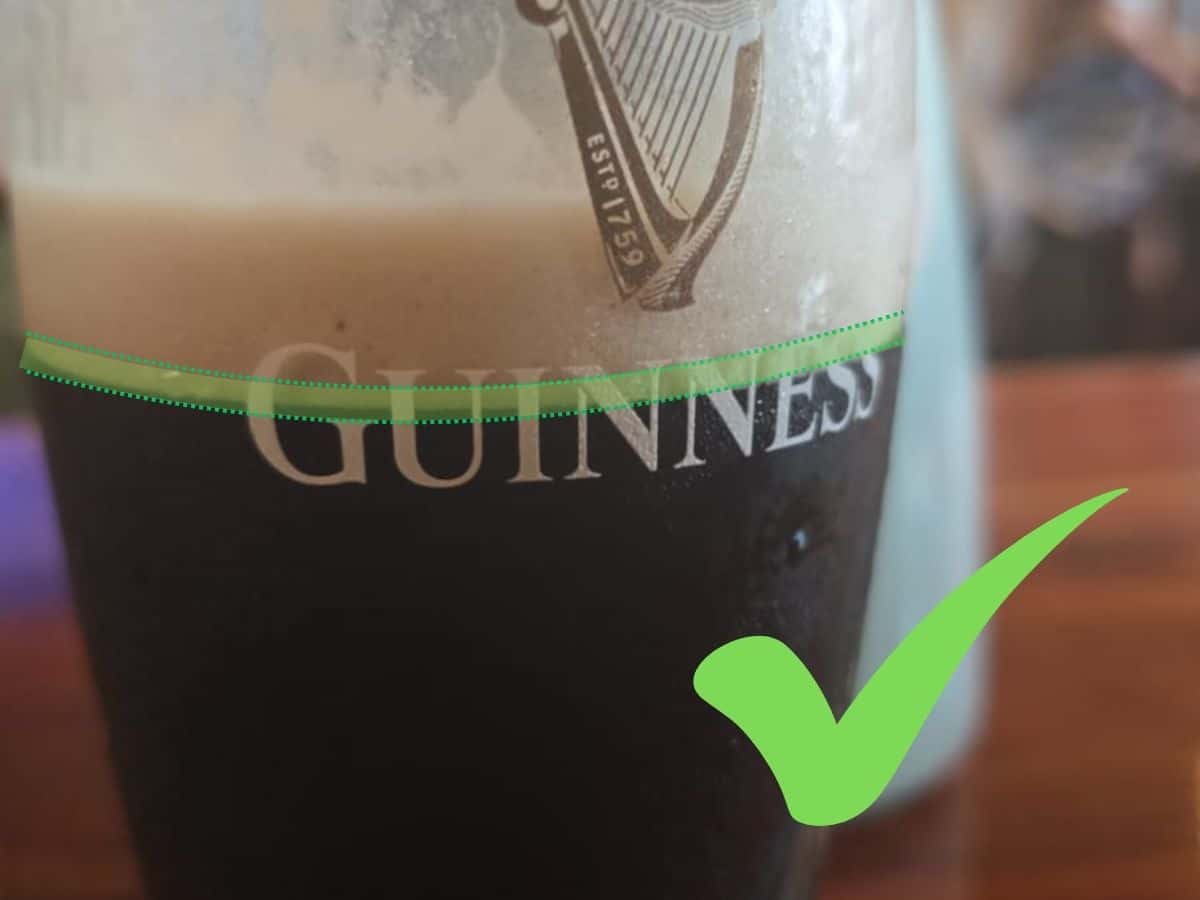
Experienced participants often allow for a "settle margin," recognizing that as the nitrogen bubbles rise to form the head, the liquid level will slightly adjust. In some circles, a successful split is defined by the foam line resting exactly on the horizontal bar of the letter, while others argue for the gap in the middle of the "G." Regardless of the local interpretation, the requirement for a single, uninterrupted sip remains the standard rule of engagement.
Historical Context and the Evolution of the Guinness Pour
The Splitting the G phenomenon is deeply rooted in the meticulous "Six-Step Pour" ritual established by the Guinness brewery at St. James’s Gate, Dublin. Founded by Arthur Guinness in 1759, the brewery has spent over 260 years cultivating a specific brand identity centered on patience. The famous "119.5 seconds" settle time—the interval required for a perfect two-part pour—serves as the temporal foundation for the drinking game.

Historically, Guinness was not always nitrogenated. The creamy texture that facilitates the "Split the G" challenge was only perfected in 1959, marking the 200th anniversary of the brewery. This innovation, led by Michael Ash, introduced nitrogen gas to the dispensing process, creating the stable, long-lasting foam head necessary for the visual alignment required in the challenge. Without this stable foam "cap," the clear demarcation line between the dark stout and the white head would dissipate too quickly for the game to be judged accurately.
The game’s migration to international markets, particularly Australia and New Zealand, began in the mid-19th century. During this era, "Extra Stout" was exported with higher hop content to survive the months-long sea voyage from Ireland. Today, the ubiquity of the brand in the Southern Hemisphere has made Australia a primary hub for the "Split the G" trend, where it is often referred to as "Guinness Golf."
Chronology of the Viral Trend
While the origins of Splitting the G are likely found in the informal banter of Irish public houses, its transformation into a global trend can be traced through a specific timeline of digital exposure:
- Pre-2020: The challenge exists as a localized pub game in Ireland and the UK, used primarily as a "loser buys the next round" stakes-setter.
- 2021-2022: Short-form video platforms, specifically TikTok and Instagram Reels, see a surge in "satisfying" content. The visual aesthetics of the Guinness surge provide a perfect backdrop for the "Split the G" challenge.
- 2023: High-profile celebrities and athletes begin participating in the trend. Figures such as Jason Momoa, Ed Sheeran, and various professional rugby players are filmed attempting the split, further legitimizing the practice among younger demographics.
- 2024: The emergence of dedicated technology, such as the "Split the G" web application, allows users to upload photos of their pints to receive an objective score based on pixel-perfect alignment. This period marks the formalization of the game into a measurable "sport."
Supporting Data and Brewing Specifications
To understand the difficulty of the challenge, one must look at the specifications of the beverage. A standard pint of Guinness Draught contains approximately 210 calories and has an Alcohol by Volume (ABV) of 4.2%. The nitrogen bubbles are roughly 1/10th the size of carbon dioxide bubbles found in standard beer, which is why the foam remains firm enough to "hold" the line against the glass logo.
The "G" on a standard 20-ounce gravity glass is positioned at a specific height that represents roughly 15-20% of the total volume of the pint. Therefore, a successful split requires the consumption of approximately 3 to 4 ounces of liquid in a single draught. For many, the challenge is not just the volume, but the suppression of the swallowing reflex to ensure the glass remains at a consistent tilt throughout the sip.
Official Responses and Responsible Drinking Concerns
As the trend has grown, it has drawn the attention of Diageo, the parent company of Guinness. Formally, the brand maintains a neutral stance on the "Split the G" challenge. Corporate communications typically focus on the quality of the pour and the "Beautiful Cadence" of the beer rather than drinking games. This distance is maintained to adhere to strict international marketing codes regarding responsible alcohol consumption, which discourage the promotion of rapid drinking or "chugging."
However, industry analysts note that the organic reach of the trend has provided the brand with millions of dollars in earned media value. By turning the consumption of a pint into a skill-based activity, the trend encourages patrons to focus on the quality of the pour, indirectly pressuring bartenders to maintain high standards for their Guinness taps.
Public health advocates have raised minor concerns regarding the "single sip" aspect of the game, noting that it encourages larger-than-average gulps of alcohol. However, because the game is limited to the initial sip of a single pint rather than repeated rapid consumption, it is generally viewed by sociologists as a form of "ritualized moderation" compared to more aggressive drinking games like beer pong or "sculling."
Broader Impact on Pub Culture and Industry Standards
The "Split the G" phenomenon has had a measurable impact on the hospitality industry. Pubs that serve a "sub-par" Guinness—characterized by a thin head, incorrect temperature (the standard is 5°C to 7°C), or a dirty glass—are frequently "called out" on social media. This has led to a renewed emphasis on "cellar management" and staff training.
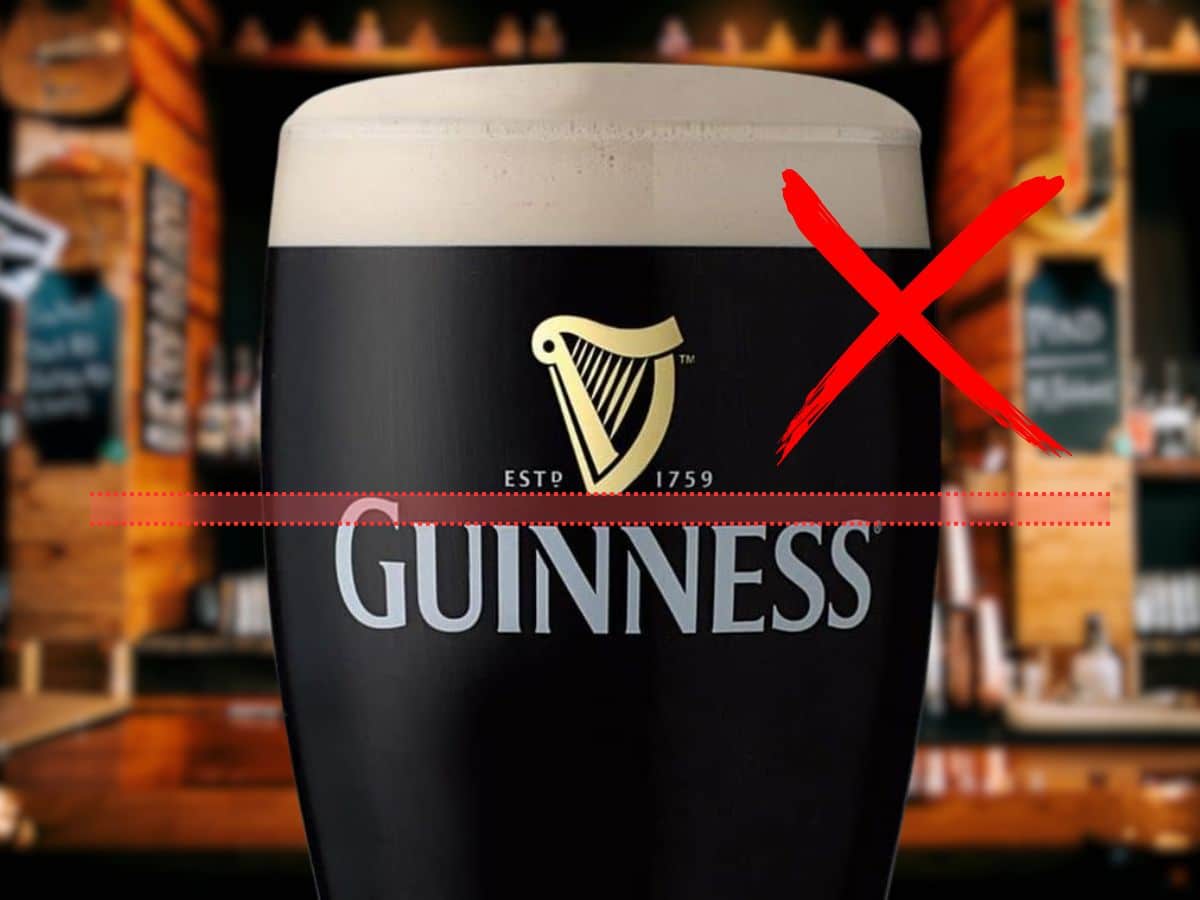
Furthermore, the trend has clarified the distinction between various pub games. A common point of contention in the community is the confusion between "Splitting the G" and "Guinness Golf." In the latter, the goal is often to land the foam line between the harp logo and the wordmark, a significantly easier feat. The "Split the G" purists argue that anything less than hitting the letter "G" itself is a failure, a distinction that has sparked countless debates across bar counters globally.
The rise of the "Split the G" app and similar digital tools represents a broader shift in how consumers interact with physical products. By gamifying the pint, Guinness has remained relevant in a competitive craft beer market, relying not on new flavors or flashy packaging, but on the mechanical ritual of the drink itself.
Implications for the Future of Tradition
As "Splitting the G" continues to permeate global culture, it serves as a case study in how tradition can be rebranded for the digital age. The challenge does not require a change to the product, which has remained largely consistent for decades; instead, it changes the consumer’s relationship with the product. What was once a simple act of ordering a beer has become a performance, a test of skill, and a social currency.
Whether the trend will endure as a permanent fixture of pub etiquette or fade as a social media relic remains to be seen. However, for the time being, the sight of a patron staring intently at a settling pint, calculating the exact trajectory of their first sip, has become a hallmark of the modern Guinness experience. The "G" remains the target, and for those who hit it, the reward is a mixture of digital clout and the timeless satisfaction of a well-earned stout.



 Yuyun Lusiyani
 Joko Widodo
 Eva Lovia
 Pevita Pearce
 admin
admin