
 Eva Lovia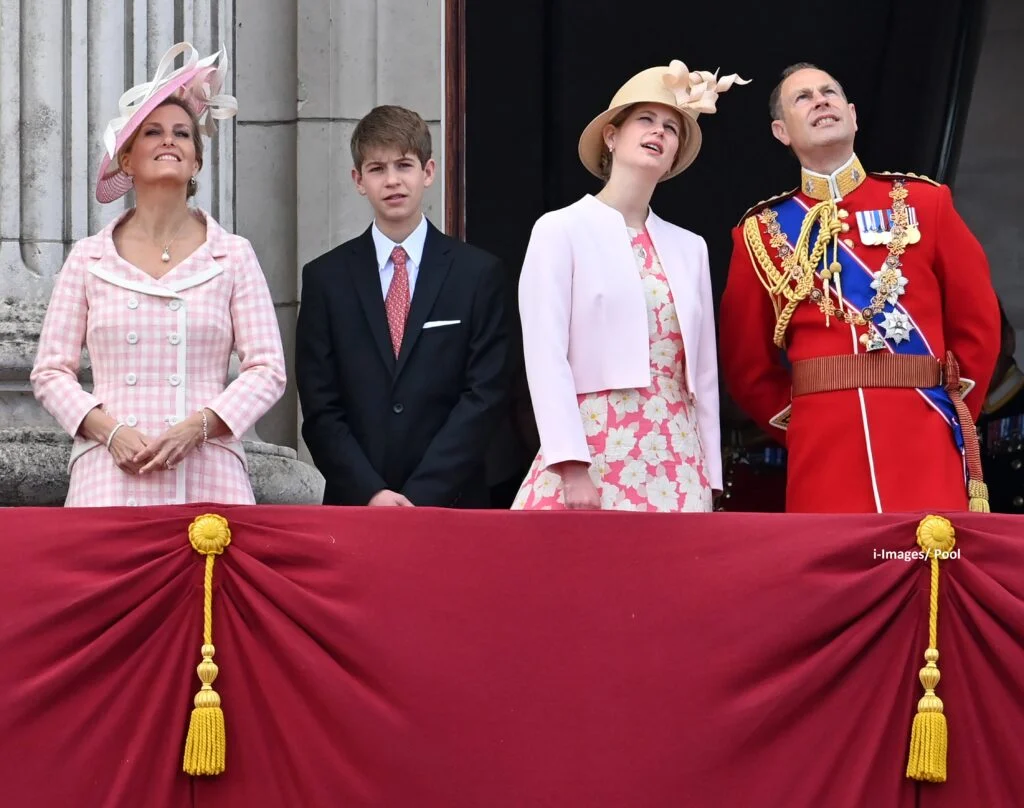
As the summer sun cast its golden hue over the rugged Scottish Highlands, the Royal Family convened for their annual sojourn at the picturesque Balmoral estate. Amidst the familiar rituals of their traditional holiday, a notable milestone was observed: the Earl of Wessex, James Mountbatten-Windsor, was pictured behind the wheel of a vehicle for the first time. This development, coinciding with the confirmed return of the Duke and Duchess of Sussex to the United Kingdom, marks a significant period of transition and familial convergence for the British monarchy.
A Milestone for the Young Earl
The 18-year-old Earl, who has recently achieved commendable results in his A-Level examinations, was observed driving on the expansive Balmoral grounds. Accompanied by his father, the Duke of Edinburgh, Prince Edward, the young royal navigated the estate’s winding roads. This appearance signifies a personal rite of passage, as James prepares to embark on his university studies in the coming weeks. While it is legal to commence learning to drive in the UK at the age of seventeen, the exact duration of James’s driving tutelage remains undisclosed. The image of father and son sharing this moment underscores the private nature of royal family life during their summer retreat, offering a glimpse into the evolving dynamics of the younger generation.
The sighting of James driving is particularly noteworthy given his status as a younger member of the Royal Family, approaching a new phase of adulthood. His upcoming university education, a path increasingly embraced by younger royals, signals a move towards personal and academic pursuits beyond their direct royal duties. This aligns with a broader trend observed in recent decades, where members of the Royal Family are encouraged to pursue higher education and develop independent careers before potentially taking on more significant public roles. The specific institution James will attend has not been officially confirmed, adding to the air of anticipation surrounding his next steps.
A Family Affair at Balmoral
The Balmoral estate, a cherished private residence of the Royal Family since 1852, serves as a sanctuary for relaxation and familial bonding. It is here that the Windsors traditionally gather to escape the rigors of public life and reconnect. This year’s assembly appears to be particularly significant, with a notable presence of various senior and younger members of the family.
Princess Anne, the Princess Royal, was also seen actively participating in the estate’s activities, at the wheel of her own vehicle, conveying her husband, Sir Tim Laurence. The King, Charles III, was similarly observed driving within the Balmoral grounds, a testament to the informal and relaxed atmosphere that pervades the estate during their summer break. The presence of Mike and Zara Tindall, further underscores the inclusive nature of these gatherings, highlighting the familial bonds that extend beyond immediate royal duties.
The arrival of the Prince and Princess of Wales, William and Catherine, along with their three children – Prince George, Princess Charlotte, and Prince Louis – on Thursday, further cemented the sense of a united family gathering. Their presence signals a continuation of tradition, with the younger generation actively engaged in the familiar rhythms of Balmoral life. This annual retreat provides a crucial period for the family to consolidate their relationships away from the constant glare of public scrutiny, allowing for a more personal and intimate dynamic to flourish.
The Sussexes’ Impending Return
Adding another layer of intrigue to the royal summer narrative is the confirmed return of the Duke and Duchess of Sussex, Prince Harry and Meghan Markle, to the United Kingdom. The couple has indicated their intention to establish a base in Britain before the end of August, with their two children, Archie and Lilibet, set to commence their education in British schools in September. This decision marks a significant shift in their current lives, which have been primarily based in California since their departure from senior royal roles in early 2020.
The Sussexes’ return is understood to be as private citizens, without any intention of resuming working royal responsibilities. This clarifies any potential ambiguity surrounding their status, emphasizing a definitive break from the "half-in, half-out" arrangement that was once a topic of discussion following their initial announcement to step back. Their intention to reside in a non-royal residence further reinforces their commitment to a private life away from the traditional confines of royal residences.
A Recent Decision with Far-Reaching Implications
The timing of the Sussexes’ relocation appears to be a recent development. Reports suggest that King Charles III was only informed of this decision on the preceding Sunday. Notably, no prior indication of a potential move to the UK had been communicated to His Majesty during their afternoon tea engagement at Highgrove House in July. This suggests a degree of spontaneity or a recent shift in plans on the part of the Duke and Duchess.
Potential Career Re-engagement for the Duchess
Further speculation surrounding the Duchess of Sussex’s return to the UK centers on her potential re-engagement with her acting career. Reports have suggested that this move might be partly motivated by opportunities on the small screen. Meghan Markle, an accomplished actress prior to her marriage to Prince Harry, has previously expressed an interest in pursuing creative projects. The UK’s vibrant television and film industry could offer a platform for her to rekindle this aspect of her professional life.
Financial Considerations and Legal Obligations
Beyond personal and familial considerations, Prince Harry also faces a significant financial obligation. He is reportedly due to contribute his share of the initial £9.5 million in costs stemming from a legal case he, along with several others, lost against Associated Newspapers. The deadline for this payment is set for the end of August, underscoring the practical and financial realities that accompany their intended return to the UK. This legal outcome, involving a protracted legal battle concerning privacy and media intrusion, highlights the ongoing complexities and challenges faced by the Sussexes in navigating their public and private lives.
Broader Context and Royal Family Dynamics
The convergence of these events – the Earl of Wessex’s driving milestone, the traditional Balmoral gathering, and the Sussexes’ impending return – paints a picture of a Royal Family in a state of evolution. The younger generation, represented by James and the Cambridge children, are progressing through key life stages, while senior members continue to uphold their constitutional duties. The Sussexes’ return, while framed as a private endeavor, inevitably brings their distinct narrative back into the orbit of the British monarchy, prompting ongoing public and media interest.
The annual Balmoral holiday has historically served as a period of reflection and strategic planning for the Royal Family. The juxtaposition of the Earl of Wessex’s coming-of-age moment and the Sussexes’ return to British shores amidst their children’s schooling could signify a recalibration of familial relationships and future trajectories. For the Royal Family, maintaining a united front while respecting individual choices remains a perpetual balancing act. The events unfolding at Balmoral offer a microcosm of these ongoing dynamics, showcasing both continuity and change within one of the world’s most closely watched institutions.
The increased visibility of younger royals like the Earl of Wessex in traditional milestones, such as learning to drive, reflects a modern approach to royal upbringing, encouraging personal development and independence. This contrasts with the more protected childhoods of previous generations. Simultaneously, the return of Prince Harry and Meghan Markle, even as private citizens, will undoubtedly continue to shape public perception and media coverage of the Royal Family, presenting both opportunities for reconciliation and potential challenges in managing narratives. The coming months will likely reveal more about the nature of their integration into British life and their future engagement, if any, with the wider royal circle.


 Yuyun Lusiyani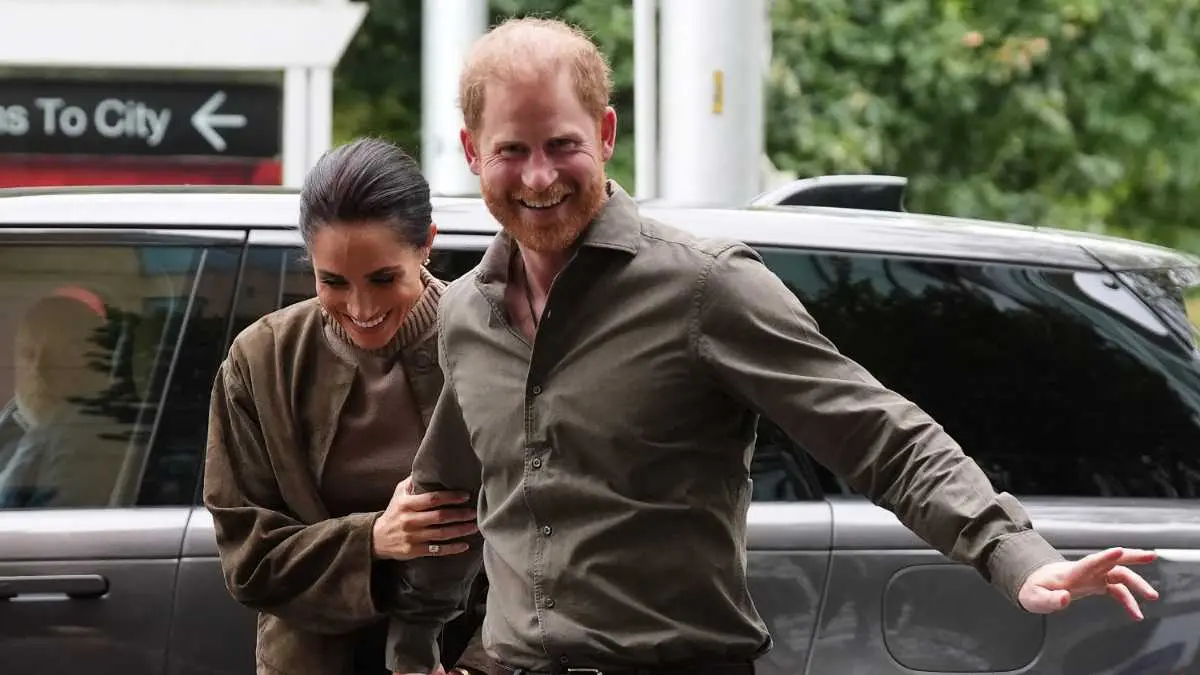
 Joko Widodo
 Pevita Pearce
 admin
admin
 Lina Irawan