
 Yuyun Lusiyani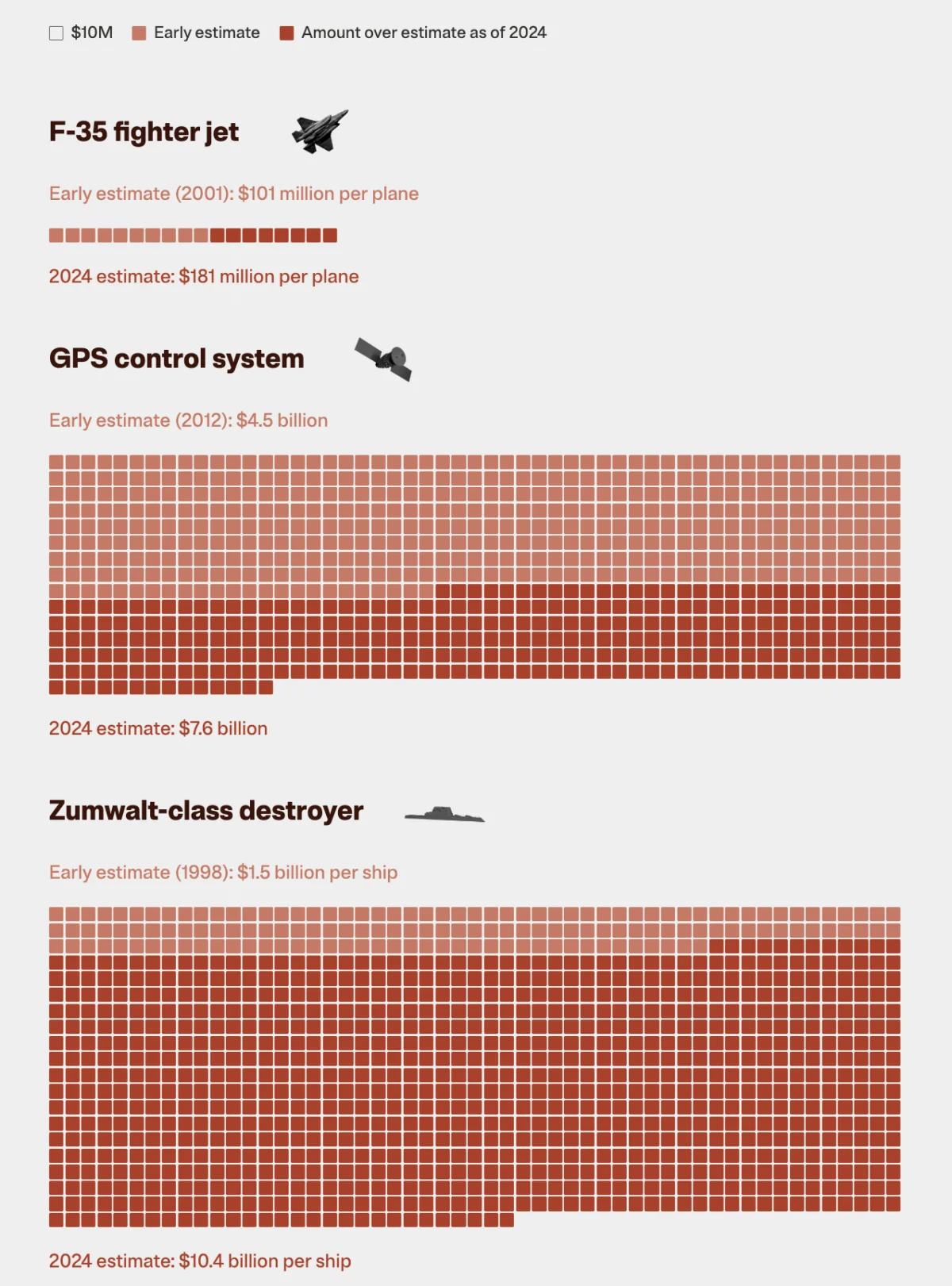
The sums allocated to the United States Department of Defense are staggering, yet the justifications for this vast expenditure often remain shrouded in ambiguity, bordering on the inscrutable. A closer look at the recent law funding the Department of Defense reveals categories like "$32.6 billion for ‘Other Procurement, Air Force’" and "$35.2 billion for ‘Research, Development, Test and Evaluation, Defense-Wide’." Even more baffling is the allocation of "$650 million for ‘supplies and associated support services’ related to U.S. Code Title 10 Section 3601 subsection(c)(3)(B) clauses (i) through (iv)." Deciphering the precise destination of these immense public funds demands an arduous journey through thousands of pages of convoluted financial tables, intricate accounting records, and voluminous congressional committee documents, a task that would daunt even the most determined fiscal investigator. This opaque system, however, constitutes the official explanation for how the U.S. government manages the budget for the world’s most expensive military, a cost that continues its relentless ascent.
The Opaque Labyrinth of Pentagon Finances
The inherent lack of transparency in defense budgeting is not merely an inconvenience; it represents a fundamental challenge to accountability. John Ferrari, a retired Army major general and a nonresident senior fellow at the American Enterprise Institute, starkly encapsulates the predicament: "There’s no way that you can follow the money, because it keeps getting twisted like a Rubik’s Cube. None of it is set up to be transparent." This "black box" approach to the Pentagon budget conceals a complex world of ambitious plans, formidable consequences, and substantial financial commitments. From the procurement of extraordinarily expensive jets, ships, and missiles to high-stakes projects that have veered disastrously off course, and the intricate, often closed-door, dealings with the world’s most powerful arms manufacturers, the lack of clarity has profound implications for taxpayers and national security alike.
The sheer scale of this fiscal enterprise is difficult to fully grasp. Congress appropriated an astonishing $1 trillion for defense this year, a figure that surpasses the combined appropriations for critical domestic agencies overseeing health, veterans affairs, education, housing, agriculture, and justice—in fact, it is more than double that collective sum. Should the President’s budgetary priorities for the coming fiscal year prevail, defense spending is projected to soar dramatically higher, reaching an unprecedented $1.5 trillion. Adjusted for inflation, this proposed figure would exceed the annual defense expenditure during the zenith of World War II. Compounding the issue of oversight, the Pentagon’s internal balance sheets are so complex that the agency as a whole has consistently failed to receive a passing grade on any comprehensive financial audit. The Department of Defense, when asked for comment on these audit failures, did not respond, underscoring the systemic nature of the transparency deficit.
A History of Cost Overruns and Delays: Case Studies in Mismanagement
A recurring pattern within this opaque system is the funneling of vast sums into the development of costly weapons systems that frequently suffer from significant budget overruns, chronic delays, or are rendered technologically obsolete by the time they are finally completed – if they reach completion at all. These poor outcomes invariably follow grand promises of efficiency and innovation.
Consider the Zumwalt class of naval destroyers, initially lauded for its "affordable and flexible design." In 1998, the estimated price tag for each Zumwalt ship was approximately $1.5 billion. Today, the expected cost per ship has escalated to over $10 billion. This staggering increase is partly attributable to the Navy’s decision to drastically reduce the ordered quantity from an initial 32 ships to just three, thereby concentrating the research and development costs over a much smaller production run. Only three of the originally planned 32 Zumwalts have been constructed, representing a significant scaling back of a program once envisioned as a cornerstone of naval modernization.
Similarly, the Next Generation Operational Control System (OCX) for GPS satellites was billed as the "best-value GPS control system for the future." Initial cost projections for this vital ground-control system stood at $4.5 billion. However, the program experienced protracted delays and ballooned in cost, with expected expenditures rising to over $7.5 billion. After a protracted 16-year development period and total program costs of $6.27 billion, including substantial payments to defense contractor RTX (formerly Raytheon Technologies), the GPS system was ultimately canceled, leaving a critical gap in satellite control modernization and a massive bill for taxpayers with no functional output.
Perhaps the most emblematic example of these issues is the F-35 Joint Strike Fighter. Upon its inception, the F-35 was promised as "a truly remarkable, capable and affordable multirole fighter" that would be built "on schedule and on cost." Yet, this program has become notorious for its monumental cost overruns and persistent developmental challenges. The development, production, and ongoing maintenance of the F-35 are now anticipated to require an astonishing $2 trillion over its lifetime, solidifying its status as the most expensive weapon system in the Department of Defense’s history. Despite these unprecedented investments, the F-35s are currently capable of performing all their designated missions only a quarter of the time, raising serious questions about operational readiness and return on investment. A Lockheed Martin spokesperson, while acknowledging the challenges, maintained that the jet is "a critical capability for the United States and our allies" and affirmed the company’s pride in serving as its prime contractor.
Systemic Flaws: Why the Pentagon Budget Persists in Opacity
Experts in defense spending point to a confluence of systemic causes underpinning these persistent outcomes. A frequent preference within the Pentagon for "exquisite" and overly complex designs often leads to intricate systems that are difficult and expensive to develop and maintain. Another critical issue is the habit of "concurrency," whereby production begins before the design has been fully finalized and rigorously tested. This practice often results in costly retrofits and redesigns as issues are discovered late in the development cycle.
Moreover, the defense industrial base is characterized by a heavy dependency on a few dominant companies that often operate as virtual monopolies over niche defense products. This lack of genuine competition allows contractors to exert significant leverage over pricing and development terms. Crucially, there are often few lasting financial or reputational consequences for contractors who fail to deliver on time or within budget. As one congressional staffer, speaking anonymously to discuss internal defense spending deliberations, candidly put it: "Industry just says, ‘Shucks, write us another check.’ Congress just throws cash at the problem." This environment disincentivizes efficiency and innovation, fostering a culture where cost overruns are an accepted norm rather than an anomaly to be vigorously addressed.
Beyond Major Weapon Systems: Other Instances of Questionable Spending
The issues of waste and questionable spending extend beyond the headline-grabbing, multi-billion-dollar weapons programs. Other figures highlight a broader pattern of fiscal laxity:
- Luxurious Expenditures: Reports surfaced of the Pentagon reportedly spending $7 million on lobster tail in a single month last year, an expenditure that raises eyebrows given the broader context of fiscal austerity debates.
- Regulatory Burden: Would-be Pentagon contractors must navigate thousands of pages of complex regulations, a bureaucratic labyrinth that can deter smaller, innovative companies from entering the defense market, further entrenching the dominance of established players.
- Excessive Markups: Instances have been uncovered where companies were found to be marking up products sold to the Department of Defense by as much as 4,000%, indicating egregious profiteering at taxpayer expense.
- Fraud and Deception: The Department of Justice revealed that RTX fraudulently extracted $111 million from the Pentagon by misleading the agency. In 2024, RTX admitted to engaging in two schemes to defraud the Pentagon, including for Patriot missile systems, ultimately paying over $950 million to resolve federal investigations. These cases underscore not just waste, but outright criminal activity within the contracting process.
The "Revolving Door" and Political Influence
The current high-spending status quo in U.S. military expenditure is not without its beneficiaries, creating a powerful ecosystem that resists fundamental reform. A well-documented phenomenon is the "revolving door," where former four-star generals, high-ranking Pentagon officials, and congressional staffers transition into lucrative positions within the defense industry they once oversaw or regulated. This creates potential conflicts of interest and fosters an environment where insider connections can influence contracting decisions.
Defense spending bills also present excellent opportunities for members of Congress to direct jobs and funding to their districts, a practice that, while politically beneficial, can prioritize local economic interests over strategic defense needs or fiscal efficiency. The largest defense firms, including Lockheed Martin, Boeing, General Dynamics, RTX, and Northrop Grumman, consistently enjoy annual profits in the billions of dollars, a testament to the immense financial rewards of this sector. The concentration of wealth is striking: between 2020 and 2024, these five companies alone received DOD contracts worth a combined $771 billion, cementing their status as the primary beneficiaries of Pentagon spending.
Decades of Debate, Cycles of Reform
The issues plaguing U.S. defense spending are far from new. Four decades ago, during another significant military buildup under a Republican president, reports of the Pentagon paying an exorbitant $400 for a simple hammer ignited public outrage and prompted a presidential commission to investigate wasteful defense spending. The fact that similar dynamics have persisted for decades, despite periodic reform efforts, underscores the deeply entrenched nature of the problem and highlights why this topic demands renewed and sustained attention. Historical attempts at reform, such as the Goldwater-Nichols Act of 1986, focused on improving inter-service coordination, but the core issues of procurement efficiency and financial transparency have remained stubbornly resistant to comprehensive overhaul.
Current Administration’s Stance and Future Outlook
The current administration, for its part, claims to be undertaking its own reforms. Initiatives have been announced to limit stock buybacks by defense contractors, boost the entry of new players into the defense industry, and promising a passing audit for the Department of Defense by 2028. These pledges aim to project an image of fiscal responsibility and increased competition.
However, concerns persist, particularly regarding the potential for even more unrestrained Pentagon spending in what some refer to as the "second Trump era." Two of the administration’s marquee Pentagon programs, the "Golden Fleets" battleship and the "Golden Dome" nuclear defense system, have been criticized by some experts as costly boondoggles. These two initiatives alone are estimated to collectively exceed $1 trillion. Furthermore, companies with ties to the President’s family and appointees have reportedly secured numerous Department of Defense deals, raising questions about potential favoritism. The administration has also faced criticism for gutting the office responsible for independently testing weapons systems for safety and efficacy, a move that some fear increases the risk of undetected flaws in critical defense hardware. The sentiment among industry leaders reflects this landscape, with Lockheed Martin CEO Jim Taiclet telling investors in April, "This is a golden opportunity right now based on who’s in government," a statement that suggests a perception of favorable conditions for defense contractors.
Counterarguments and Perspectives
It is important to acknowledge that not everyone views U.S. military spending as excessive. A segment of "defense hawks" has consistently advocated for increased defense appropriations, arguing that current levels are insufficient to meet evolving global threats. They often point out that, when measured as a percentage of gross domestic product, U.S. defense spending has actually fallen from its previous Cold War highs. A significant portion of the defense budget, they also note, is allocated to paying the salaries and benefits of service members, a necessary cost for maintaining an all-volunteer force.
Furthermore, proponents argue that despite the delays and cost overruns, American defense products remain highly sought after globally, reflecting their advanced capabilities and technological superiority. Jim Dyer, a longtime defense lobbyist, articulates this perspective: "Weapons are expensive because our standards are high. The outcomes are good." This viewpoint emphasizes the critical role of a robust defense budget in maintaining national security and projecting global power, suggesting that the costs, while high, are justifiable given the strategic imperatives.
ProPublica’s Investigative Initiative and Public Call to Action
In light of these enduring challenges and the vast implications for national security and public trust, ProPublica is embarking on a comprehensive series of investigative articles aimed at untwisting this Rubik’s Cube of military spending and its outcomes. The initiative seeks to shed light on how taxpayer money is being spent at the Department of Defense and to bring to light vital, previously untold investigative stories.
To achieve this, ProPublica is actively seeking assistance from those with firsthand knowledge. If you have worked within the intricate world of defense budgeting, spending, or contracting, your insights and experiences are invaluable. The call to action is clear: share your military defense spending tips to help foster greater transparency and accountability in one of the most critical and least understood areas of government expenditure. The national interest demands a clearer understanding of how the United States funds its formidable military and whether those investments are truly delivering the promised security and value.



 Joko Widodo
 Eva Lovia
 Pevita Pearce
 admin
admin
 Lina Irawan