
 Lina Irawan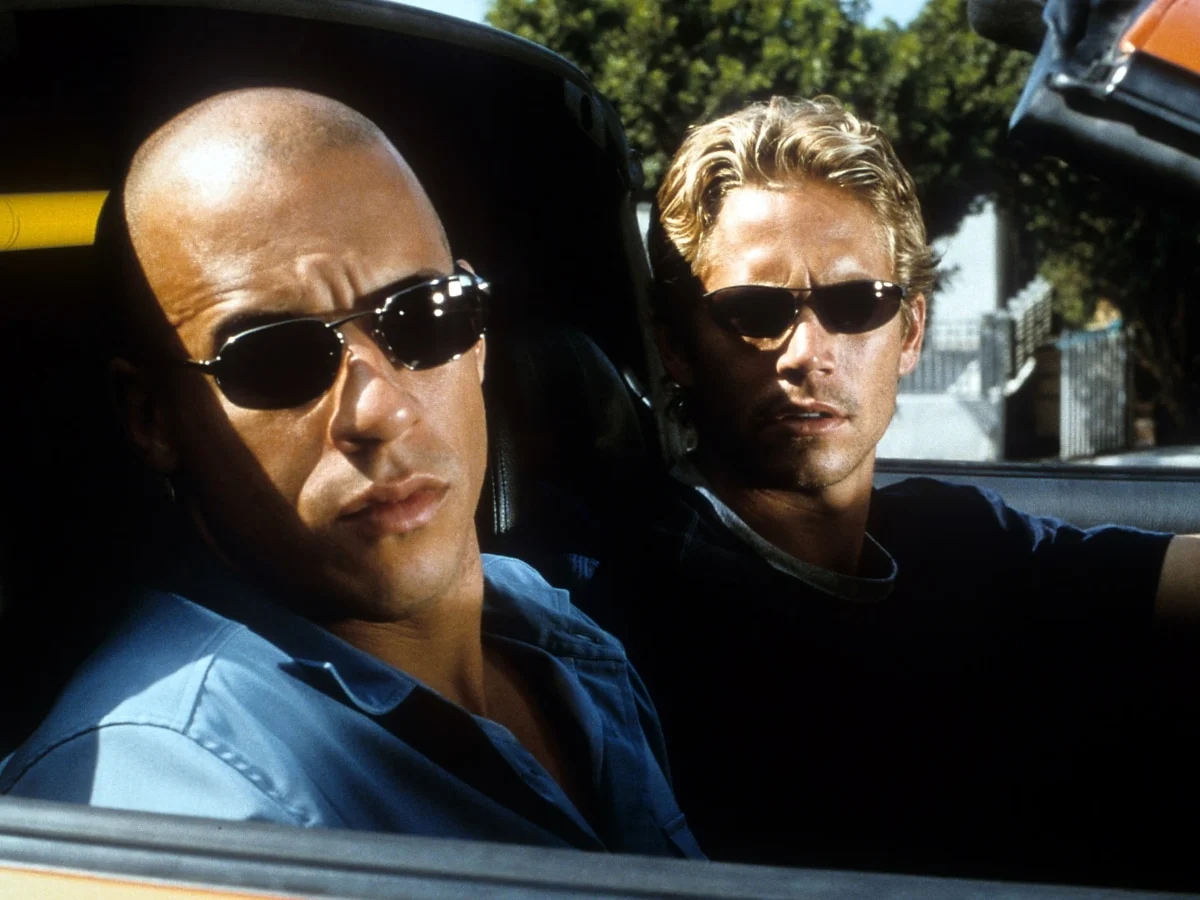
The release of The Fast and the Furious in 2001 marked the beginning of an era in contemporary cinema that would eventually redefine the action genre. What began as a mid-budget crime drama centered on the underground street-racing subculture of Los Angeles has transformed over a quarter-century into a multi-billion dollar global phenomenon. To commemorate the 25th anniversary of the franchise, the Petersen Automotive Museum has launched a dedicated exhibition, bringing together the iconic vehicles that served as the backbone of the series. This milestone provides a critical opportunity to examine the trajectory of the "Fast Saga," from its grounded origins in mechanical realism to its current status as a physics-defying blockbuster juggernaut.
The Evolution of the Fast Saga: From Street Racing to Global Espionage
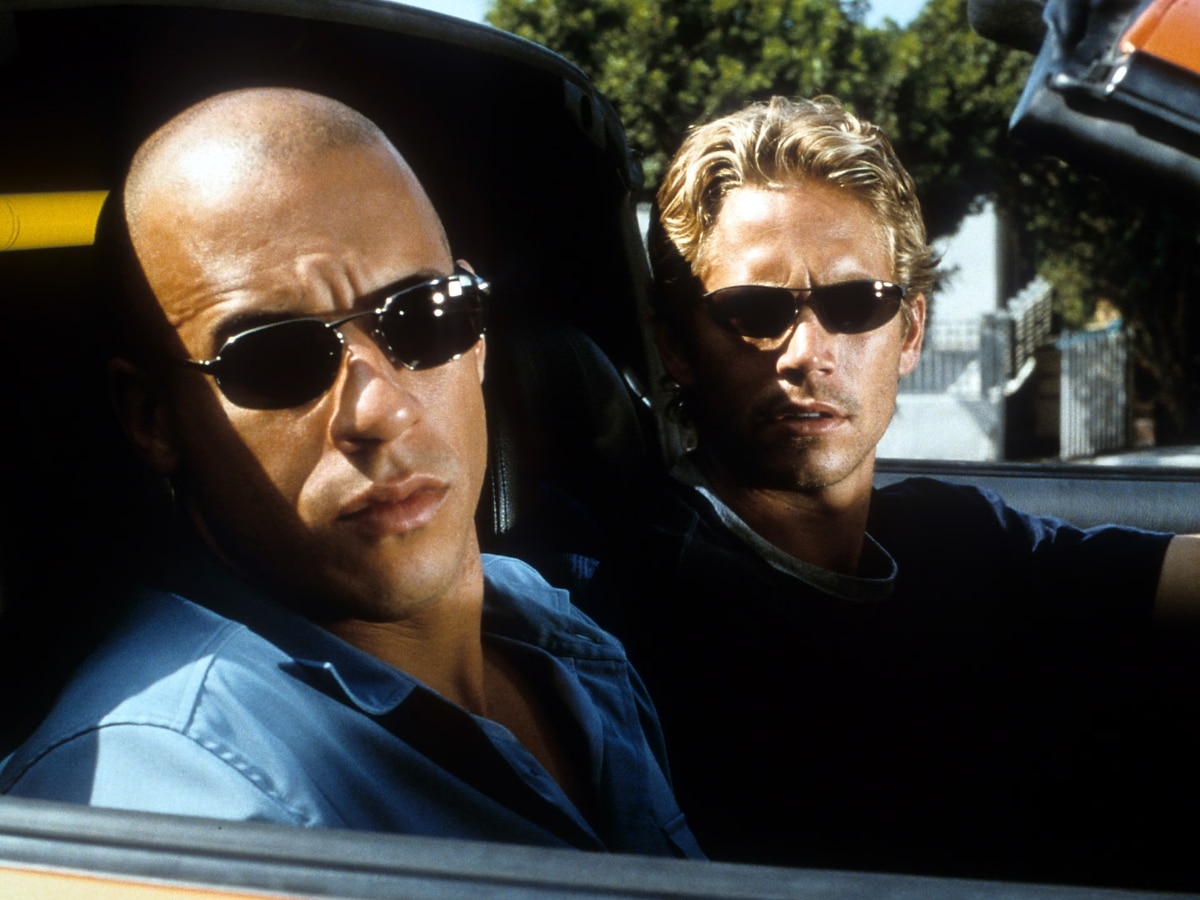
In 2001, the narrative stakes of the franchise were relatively modest. The primary conflict involved an undercover LAPD officer, Brian O’Conner, infiltrating a crew of street racers led by Dominic Toretto, who were suspected of hijacking trucks to steal consumer electronics. The film’s success was rooted in its authentic portrayal of the "tuner" scene, showcasing modified Japanese imports and American muscle cars.
However, by the time the tenth installment, Fast X, reached theaters in 2023, the scope of the series had expanded to include cyber-terrorism, satellite-guided weaponry, and orbital space travel. The transition from local car enthusiasts to international special-ops operatives occurred gradually, primarily catalyzed by the creative shift in 2011 with Fast Five. This pivot saved the franchise from a potential direct-to-video future, re-establishing it as a premier cinematic property.

Comprehensive Ranking of the Fast & Furious Films
The following ranking evaluates the eleven films produced to date, including the official spin-off, based on critical reception, narrative coherence, and their contribution to the franchise’s legacy.
1. Fast Five (2011)
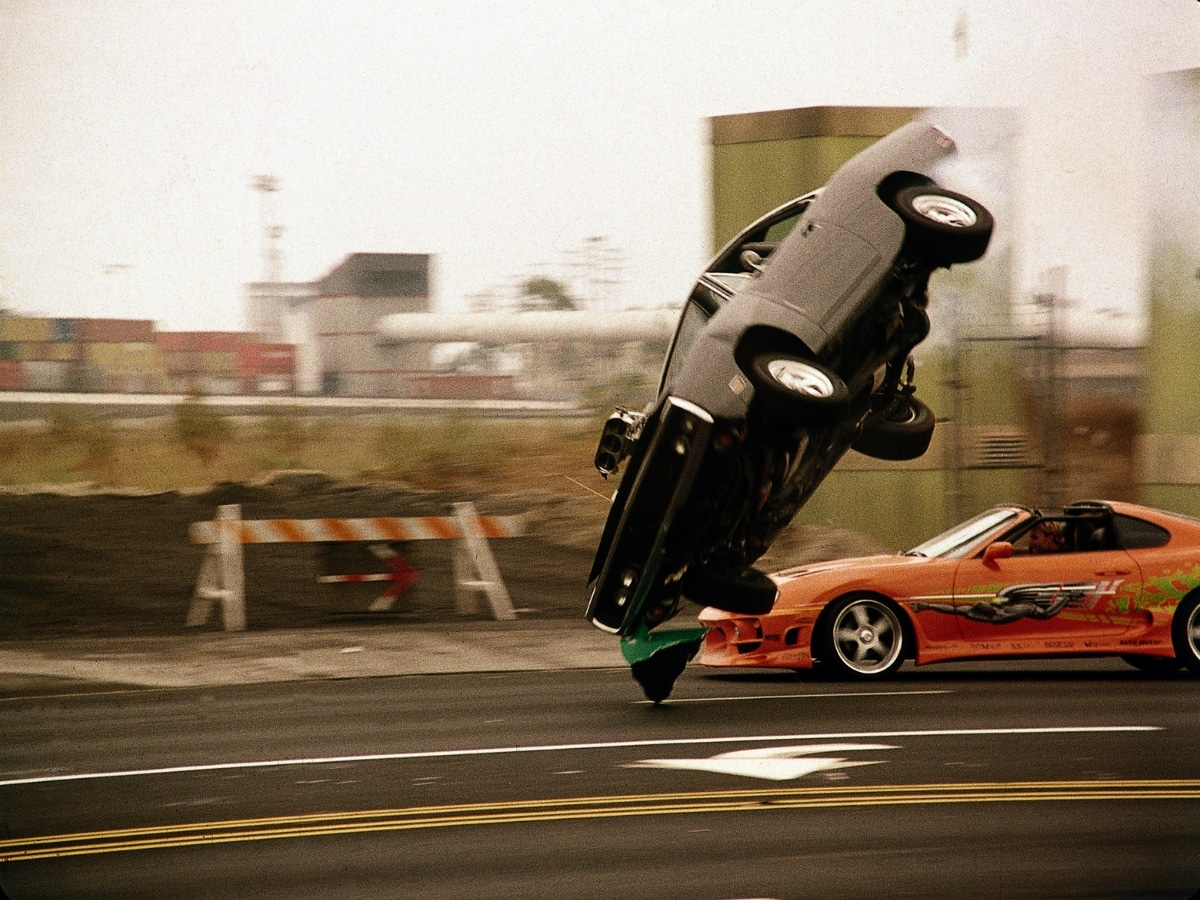
Fast Five is widely regarded by industry analysts and fans as the definitive peak of the series. Directed by Justin Lin, the film successfully transitioned the franchise into the heist genre. The introduction of Dwayne "The Rock" Johnson as federal agent Luke Hobbs provided a formidable physical foil for Vin Diesel’s Dominic Toretto. The film’s climax, featuring two Dodge Chargers towing a massive bank vault through the streets of Rio de Janeiro, remains a benchmark for practical stunt coordination in modern action cinema.
2. The Fast and the Furious (2001)
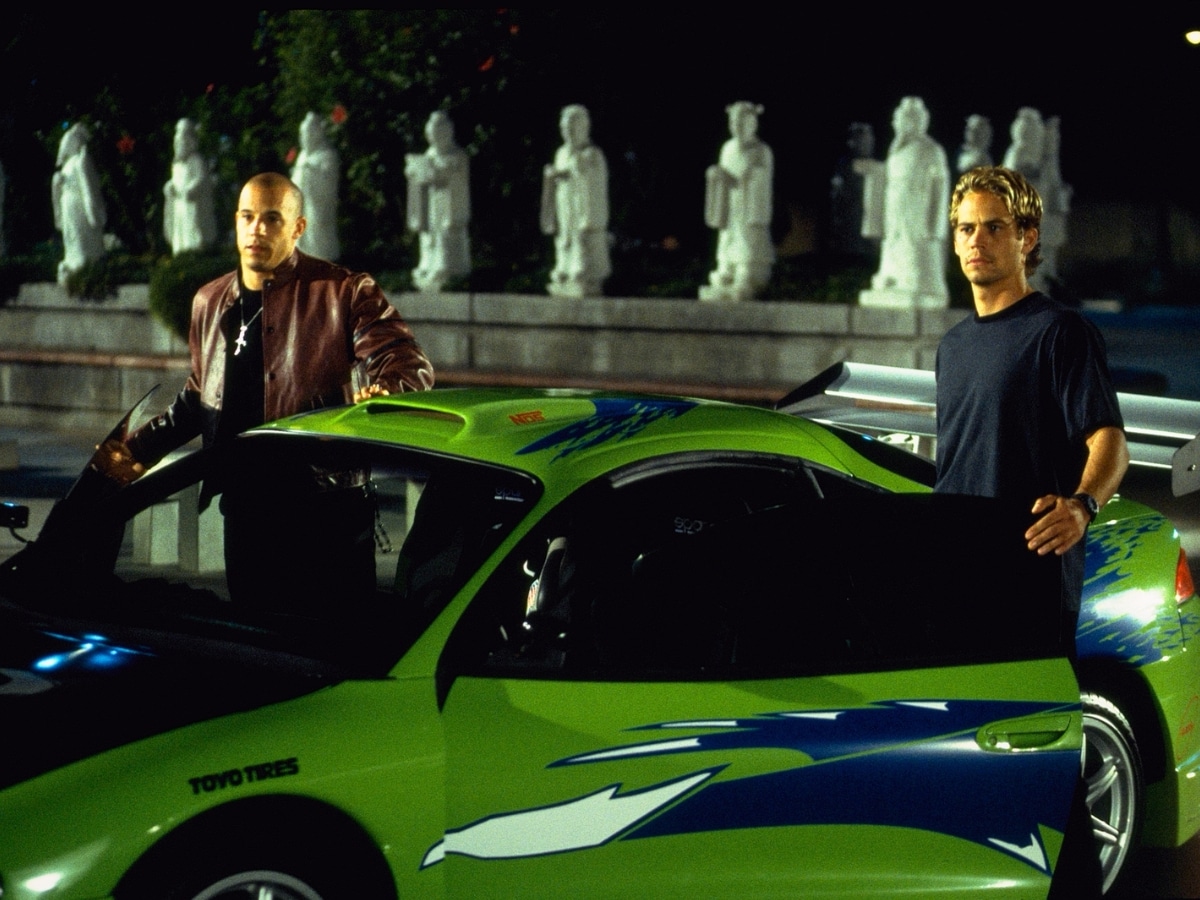
The original film remains the most grounded entry. Directed by Rob Cohen, it captured the zeitgeist of early-2000s automotive culture. While critics at the time noted its similarities to the 1991 film Point Break, the chemistry between Paul Walker and Vin Diesel established the "family" dynamic that would become the franchise’s emotional core.
3. 2 Fast 2 Furious (2003)
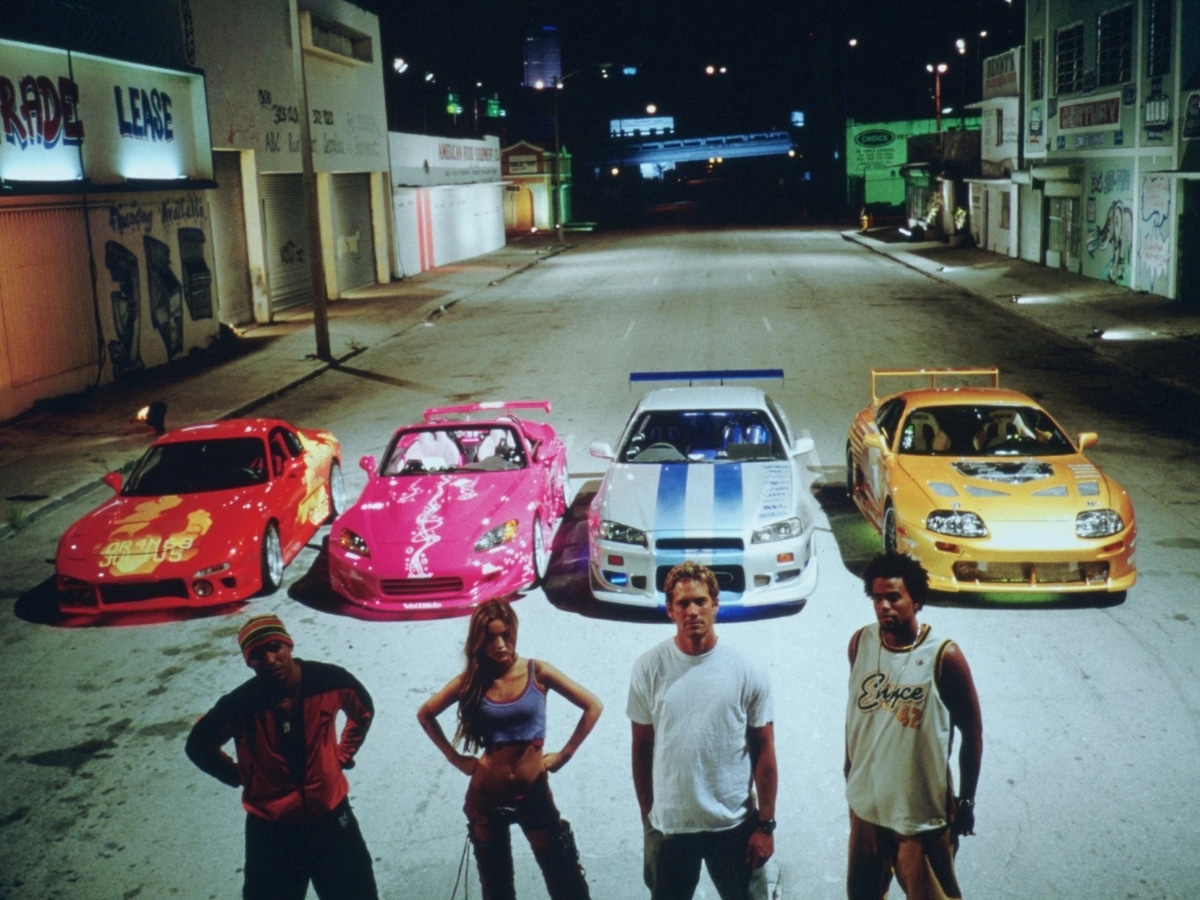
Following the departure of Vin Diesel for the first sequel, the series shifted its focus to Miami. This entry is notable for introducing key supporting characters Roman Pearce (Tyrese Gibson) and Tej Parker (Ludacris). It leaned heavily into the vibrant, neon-soaked aesthetic of the Florida car scene and featured high-stakes stunt driving that expanded the series’ visual vocabulary.
4. Fast & Furious (2009)
The fourth installment served as a soft reboot, reuniting the original four leads (Diesel, Walker, Michelle Rodriguez, and Jordana Brewster) for the first time since 2001. It moved away from the lighter tone of the previous two sequels, adopting a darker, more procedural crime-thriller atmosphere that set the stage for the high-octane entries to follow.
5. The Fast and the Furious: Tokyo Drift (2006)
Initially viewed as a commercial outlier due to the absence of the original cast, Tokyo Drift has since gained a cult following. It introduced the character of Han Lue (Sung Kang) and director Justin Lin, who would go on to helm five subsequent films. The movie is praised for its focus on the technical art of drifting and its unique international setting.
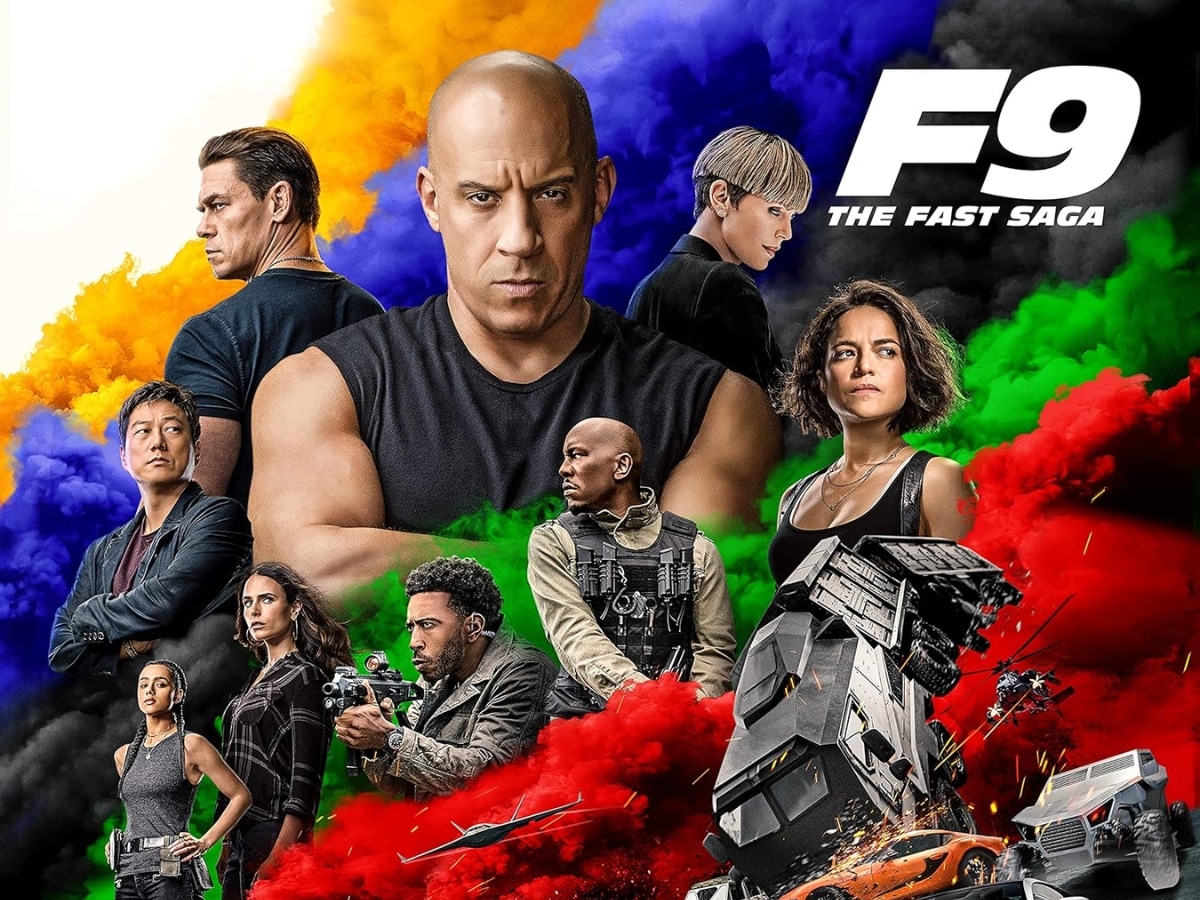
6. Fast & Furious 6 (2013)
This entry solidified the "superhero" turn of the franchise. It featured a globe-trotting plot involving a mercenary driver played by Luke Evans. The film is remembered for its massive set pieces, including a highway chase involving a tank and a final sequence on an impossibly long airport runway.
7. Furious 7 (2015)
The production of Furious 7 was marked by the tragic death of Paul Walker. The film was completed using a combination of body doubles and CGI, resulting in a poignant tribute that resonated deeply with audiences. It remains the highest-grossing film in the franchise, totaling over $1.5 billion worldwide.
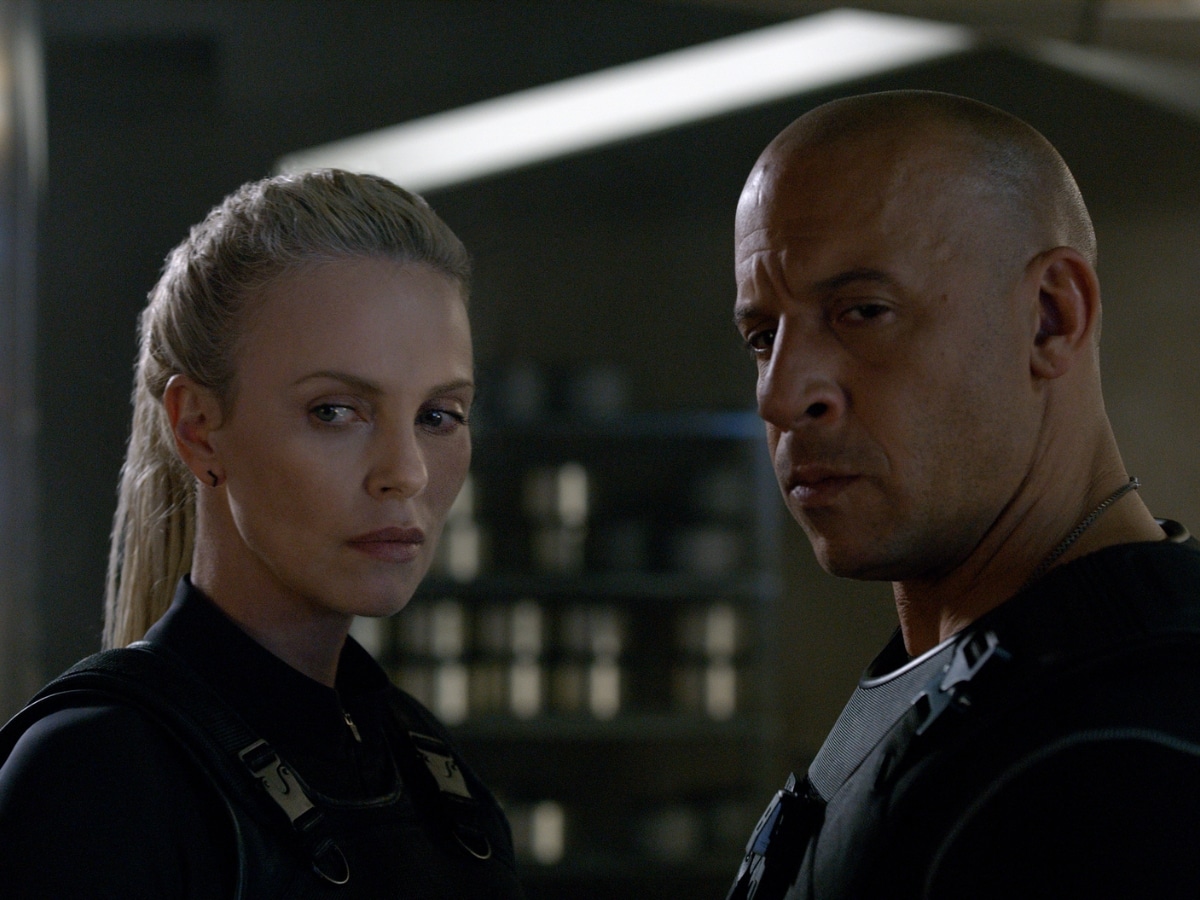
8. The Fate of the Furious (2017)
The eighth film introduced Charlize Theron as the villainous hacker Cipher. It leaned further into high-tech espionage, featuring a "zombie car" sequence in New York City and a confrontation with a submarine in the Arctic. Despite its commercial success, behind-the-scenes tensions between Diesel and Johnson began to surface during this production.
9. F9: The Fast Saga (2021)
F9 pushed the boundaries of suspension of disbelief by sending characters into space in a rocket-powered Pontiac Fiero. While visually spectacular, some critics argued that the series had lost its connection to the car culture that originally defined it. The film also introduced John Cena as Dom’s long-lost brother, Jakob Toretto.
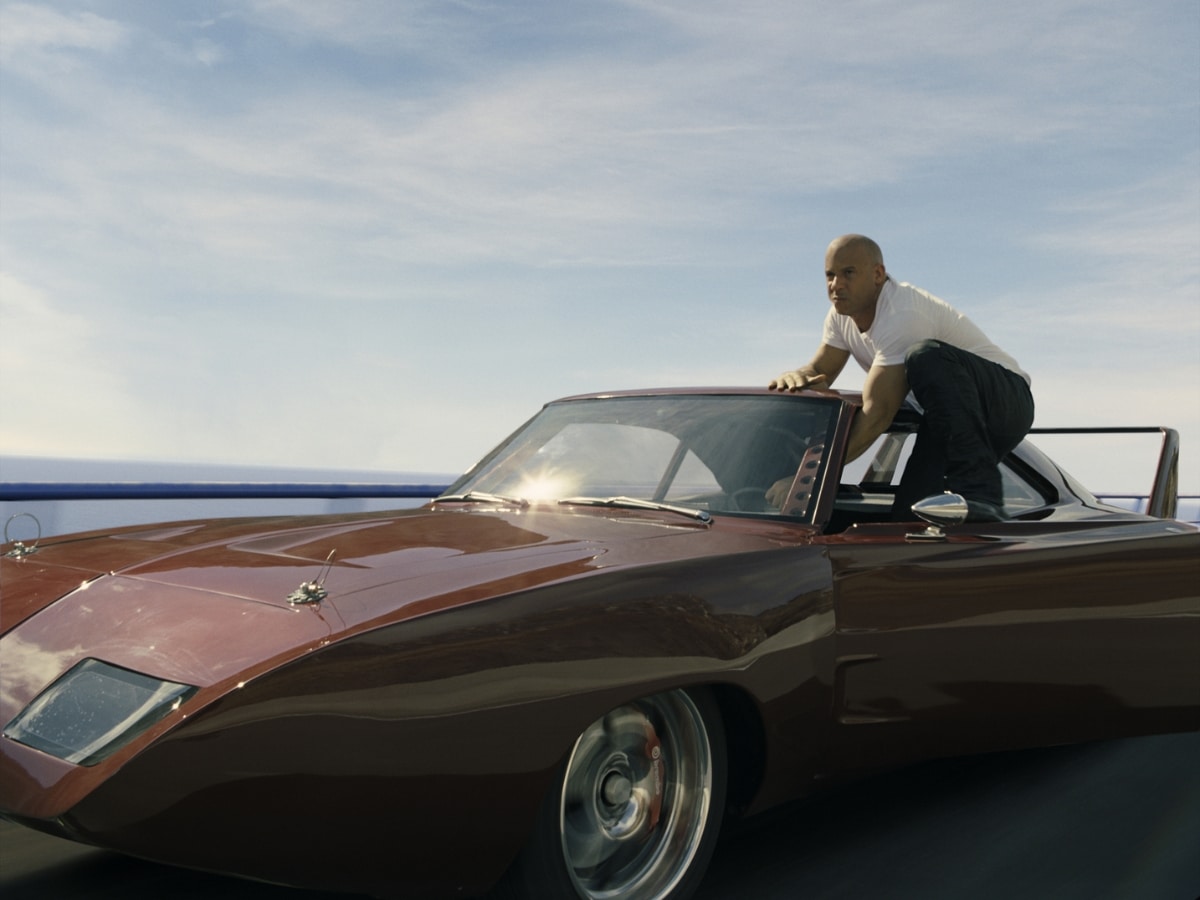
10. Fast X (2023)
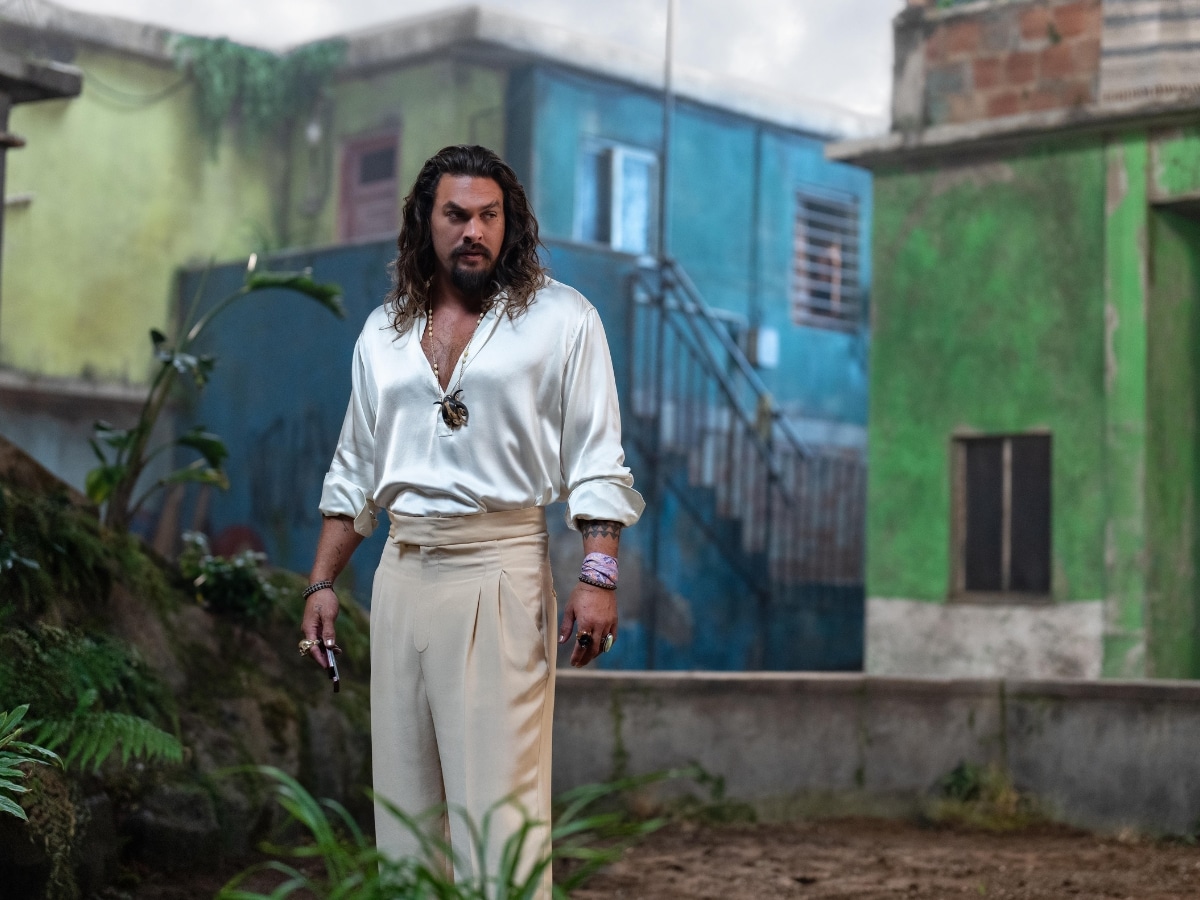
The most recent mainline entry serves as the first part of a planned multi-film finale. Jason Momoa’s performance as the eccentric villain Dante Reyes was a highlight, though the film was criticized for its bloated cast and unresolved cliffhanger ending.
11. Fast & Furious Presents: Hobbs & Shaw (2019)
The first official spin-off focused on the chemistry between Johnson and Jason Statham. While a commercial success, the film moved even further into the realm of sci-fi, featuring a genetically enhanced antagonist played by Idris Elba, which distanced it from the mainline "Fast" identity.
Chronological Timeline of the Fast Saga
For audiences seeking to view the series in narrative order, the timeline is complicated by the placement of the third film. The chronological order is as follows:
- The Fast and the Furious (2001)
- The Turbo Charged Prelude for 2 Fast 2 Furious (2003 Short Film)
- 2 Fast 2 Furious (2003)
- Los Bandoleros (2009 Short Film)
- Fast & Furious (2009)
- Fast Five (2011)
- Fast & Furious 6 (2013)
- The Fast and the Furious: Tokyo Drift (2006)
- Furious 7 (2015)
- The Fate of the Furious (2017)
- Fast & Furious Presents: Hobbs & Shaw (2019)
- F9: The Fast Saga (2021)
- Fast X (2023)
The decision to place Tokyo Drift later in the timeline was a retcon necessitated by the popularity of Han Lue, allowing the character to appear in the fourth, fifth, and sixth films despite his apparent demise in the third.
Supporting Data: Box Office and Critical Performance
The financial trajectory of the Fast Saga demonstrates an unprecedented growth pattern for an action franchise. From its humble $207 million start, it reached a peak with Furious 7.
| Rank | Film | Year | Worldwide Gross | Rotten Tomatoes |
|---|---|---|---|---|
| 1 | Furious 7 | 2015 | $1.515 Billion | 81% |
| 2 | The Fate of the Furious | 2017 | $1.236 Billion | 67% |
| 3 | Fast & Furious 6 | 2013 | $788.7 Million | 71% |
| 4 | Hobbs & Shaw | 2019 | $760.7 Million | 67% |
| 5 | F9: The Fast Saga | 2021 | $726.2 Million | 59% |
| 6 | Fast X | 2023 | $704.8 Million | 56% |
| 7 | Fast Five | 2011 | $626.1 Million | 78% |
| 8 | Fast & Furious | 2009 | $360.4 Million | 28% |
| 9 | 2 Fast 2 Furious | 2003 | $236.4 Million | 37% |
| 10 | The Fast and the Furious | 2001 | $207.3 Million | 55% |
| 11 | Tokyo Drift | 2006 | $158.9 Million | 38% |
Official Industry Responses and Future Outlook
Universal Pictures has signaled that the franchise is nearing its conclusion, though the exact nature of the finale remains in flux. Vin Diesel confirmed in early 2026 that the eleventh mainline installment, titled Fast Forever, is scheduled for release on March 17, 2028. This film is expected to resolve the Dante Reyes storyline and, according to production notes, return the series to its roots in Los Angeles.
Dwayne Johnson’s return to the franchise, following his cameo in Fast X, indicates a reconciliation between the series’ lead stars, a move analysts believe is essential for the commercial success of the finale. Universal has also explored the possibility of further female-led spin-offs, though no official production dates have been set.
Broader Impact and Implications
The Fast & Furious franchise has left an indelible mark on both the film industry and global car culture. It is frequently cited as one of the most diverse franchises in Hollywood, featuring a multicultural cast that has contributed to its immense popularity in international markets, particularly in China, Brazil, and Mexico.
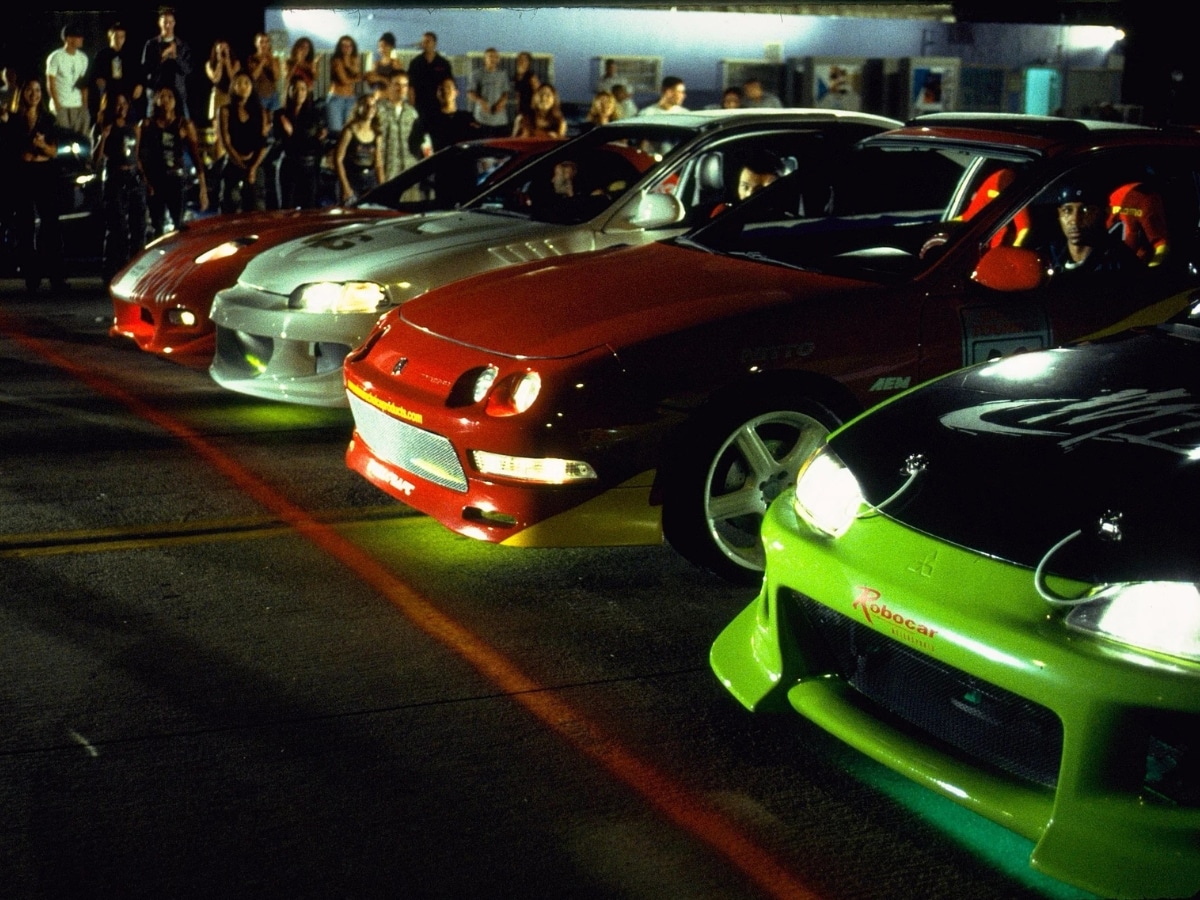
Furthermore, the series sparked a massive increase in interest in automotive modification and "tuner" culture during the early 2000s. The vehicles featured—such as the 1970 Dodge Charger R/T and the Nissan Skyline GT-R R34—have seen their market values skyrocket, becoming cultural icons in their own right. As the series approaches its 30th year and its final cinematic entries, its legacy as a pioneer of the modern ensemble action blockbuster is securely established. The transition from DVD players to deep space may have strained the laws of physics, but it has undoubtedly secured the franchise’s place in cinematic history.



 Jia Lissa
 Yuyun Lusiyani
 Joko Widodo
 Eva Lovia
 Pevita Pearce