
 Lina Irawan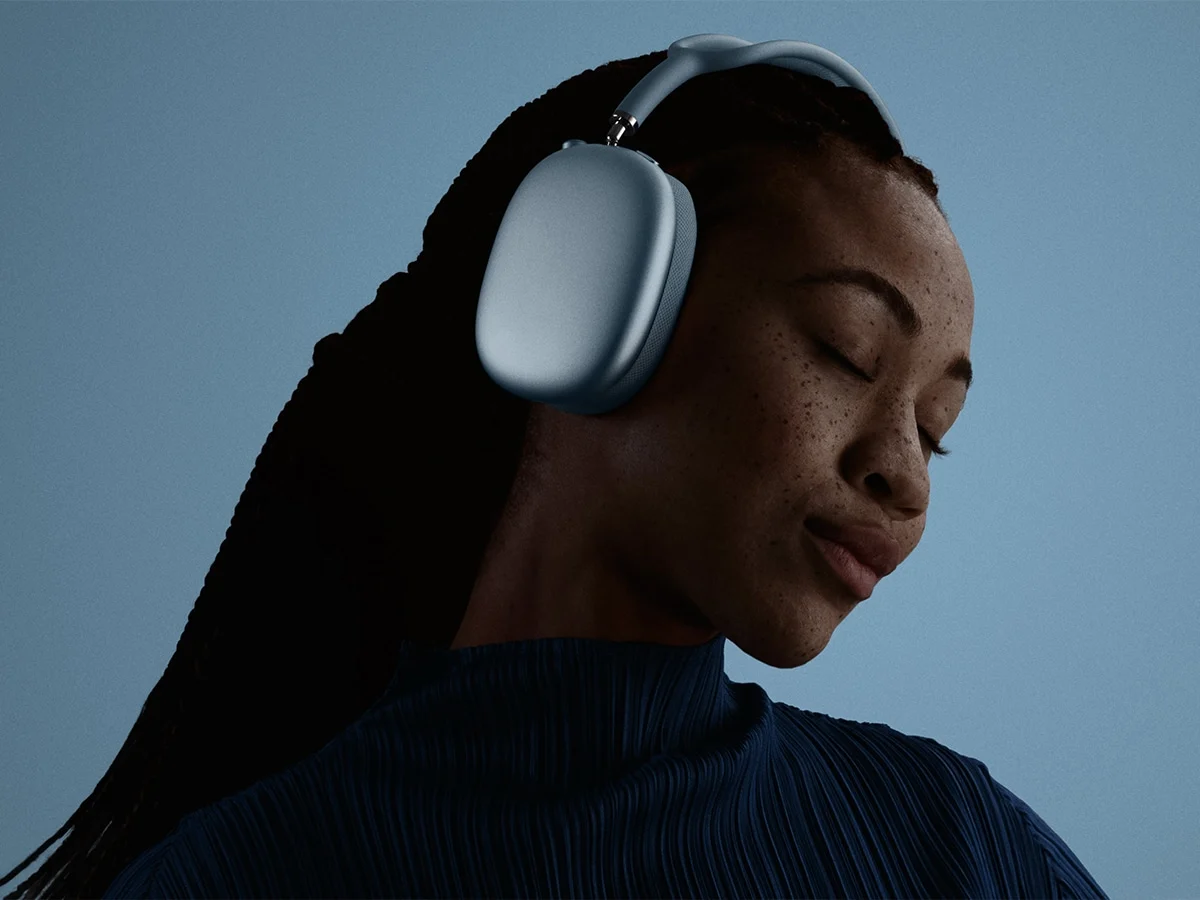
Apple Inc. has officially announced the second generation of its premium over-ear headphones, the AirPods Max 2, marking the first significant hardware overhaul of the product line since its debut in late 2020. Priced at AUD$999, the new model introduces the high-performance H2 silicon chip, which enables a suite of advanced computational audio features previously reserved for the company’s smaller in-ear offerings. The announcement comes as Apple seeks to re-establish its dominance in the high-end consumer audio market, a segment that has seen increasing pressure from established audiophile brands. The AirPods Max 2 will be available for pre-order starting Thursday, 26 March, 2026, with retail availability and shipping expected to commence in early April.
Technical Evolution and the H2 Silicon Integration
The core of the AirPods Max 2 upgrade is the transition from the legacy H1 chip to the new H2 processor. This shift represents more than a mere incremental speed boost; it fundamentally alters how the headphones process environmental data and digital signals. The H2 chip utilizes advanced computational audio algorithms to manage sound quality, battery efficiency, and noise mitigation in real-time.
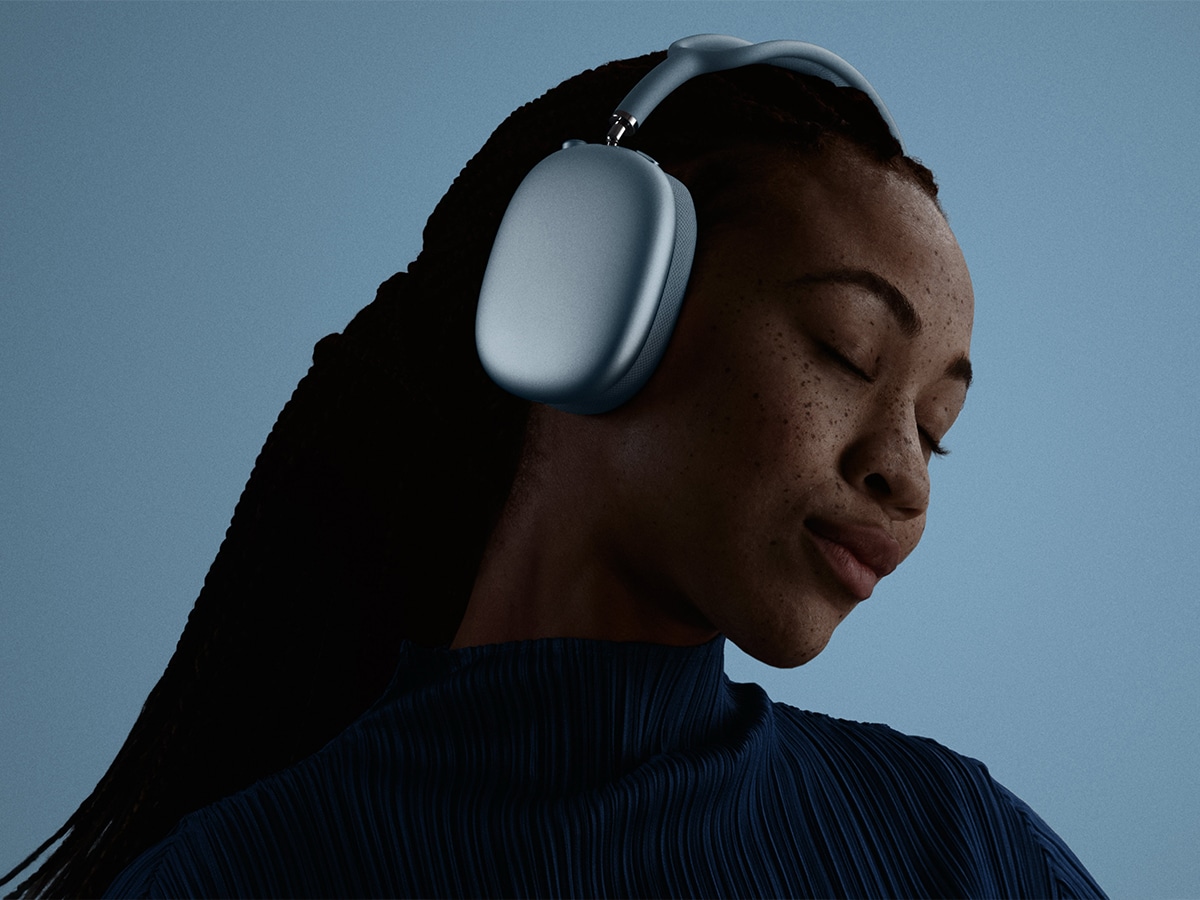
According to technical specifications released by Apple, the H2 chip allows for Active Noise Cancellation (ANC) that is up to 1.5 times more effective than the original model. This improvement is achieved through a combination of more powerful processing and an optimized microphone array that samples external noise at higher frequencies. This enhancement is specifically engineered to neutralize persistent low-frequency sounds, such as those found in aircraft cabins or commuter trains, as well as unpredictable mid-frequency noises often found in office environments.
Beyond noise cancellation, the H2 chip facilitates "Adaptive Audio." This feature dynamically blends Transparency mode and Active Noise Cancellation to tailor the noise control experience as the user moves between different environments. For instance, the headphones can automatically lower the volume of media and enhance the clarity of voices when the wearer begins speaking, or suppress sudden loud noises—like a passing siren—while maintaining a general awareness of the surroundings.
Chronology of the AirPods Max Line
The release of the AirPods Max 2 concludes a nearly six-year cycle for the original hardware platform. To understand the significance of this release, it is necessary to examine the timeline of Apple’s over-ear audio development:

- December 8, 2020: Apple revealed the original AirPods Max. Despite its high entry price, the model became a cultural staple, praised for its industrial design and integration with the Apple ecosystem.
- 2021–2024: The original model remained largely unchanged, though software updates introduced features like "Find My" support and improved Spatial Audio tracking.
- Late 2025: Apple introduced a minor hardware revision that replaced the Lightning charging port with USB-C. This update also included enhanced Find My support and ultra-low-latency audio capabilities for use with the Apple Vision Pro, though the internal H1 chip remained.
- March 26, 2026: Official pre-orders open for the AirPods Max 2, featuring the H2 chip, a new amplifier, and expanded software capabilities.
This extended development cycle suggests that Apple viewed the original industrial design as a long-term platform, focusing on internal processing power rather than aesthetic redesign for the second generation.
Audio Fidelity and Lossless Connectivity
A critical focus for the AirPods Max 2 is the catering to the "prosumer" and audiophile markets. While wireless audio remains limited by the constraints of Bluetooth bandwidth, Apple has addressed high-fidelity demands through wired connectivity. When connected via a USB-C cable, the AirPods Max 2 supports 24-bit, 48 kHz lossless audio.
This capability is particularly relevant for professional audio editors using applications such as Logic Pro or Final Cut Pro, where latency and signal compression can interfere with the production process. Furthermore, the headphones feature a new high-dynamic-range amplifier. This hardware component is designed to produce cleaner audio across the frequency spectrum, reducing total harmonic distortion even at high volume levels.
Spatial Audio, Apple’s proprietary 3D sound technology, has also been refined. The AirPods Max 2 utilizes the H2 chip to provide more accurate localization of instruments and voices within a virtual soundstage. This is complemented by a more consistent bass response, which uses internal microphones to adjust the low-end frequencies based on the fit and seal of the ear cushions against the user’s head.
Design, Materials, and Aesthetic Updates
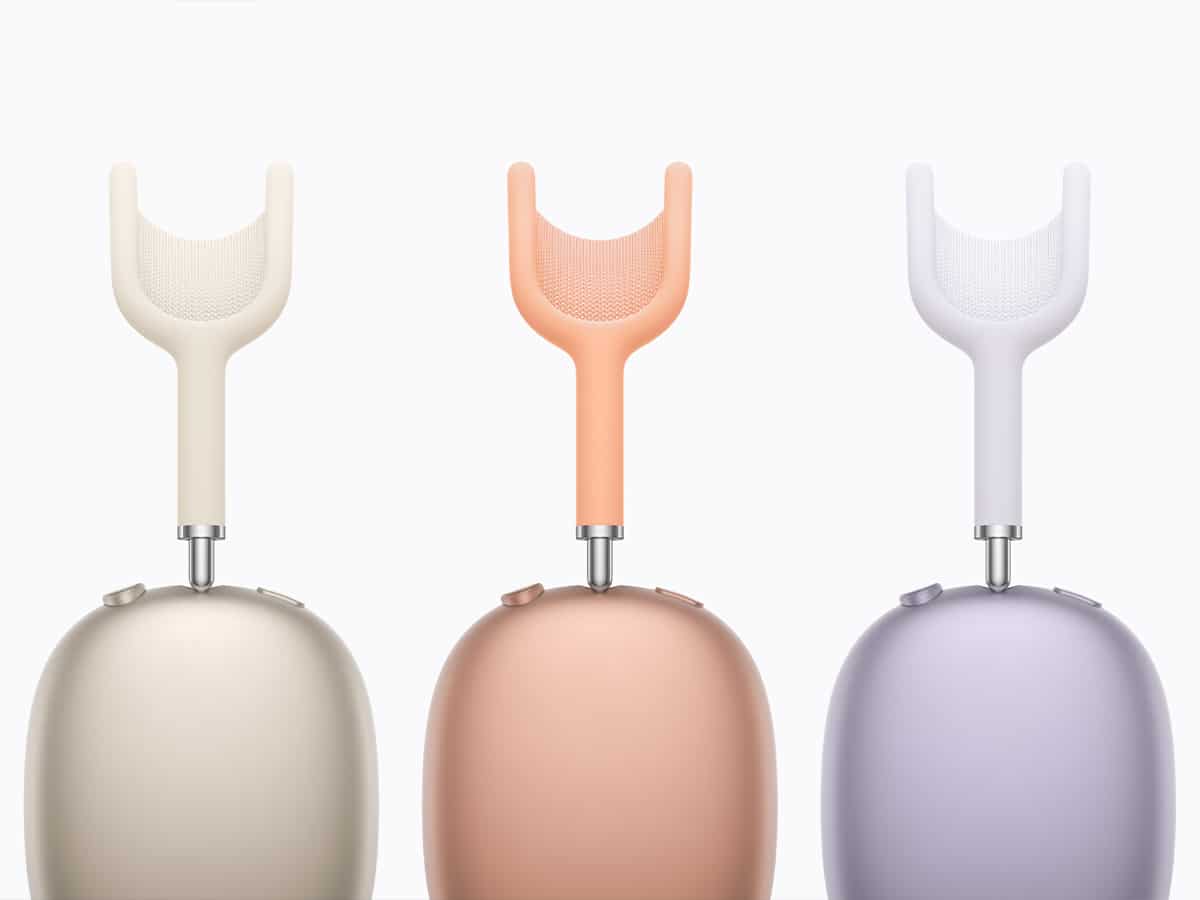
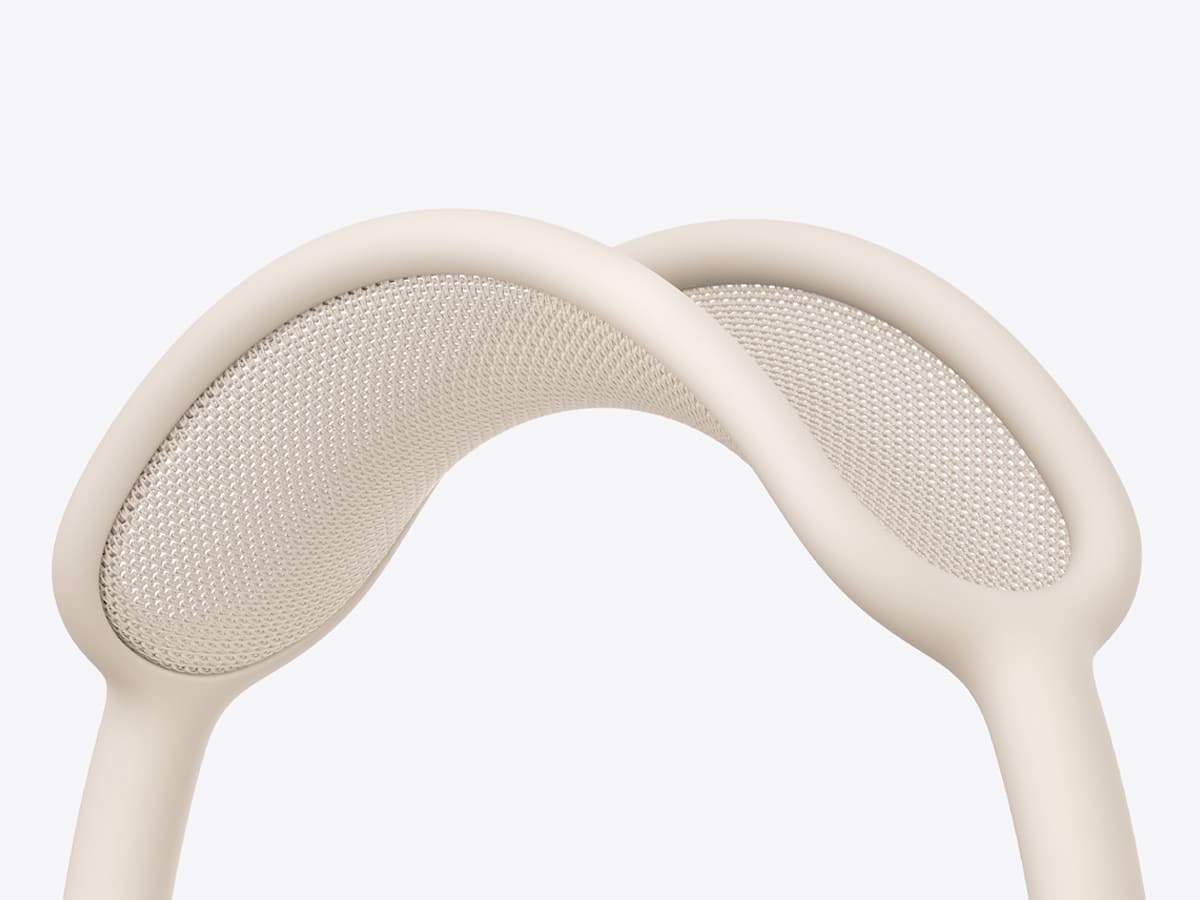
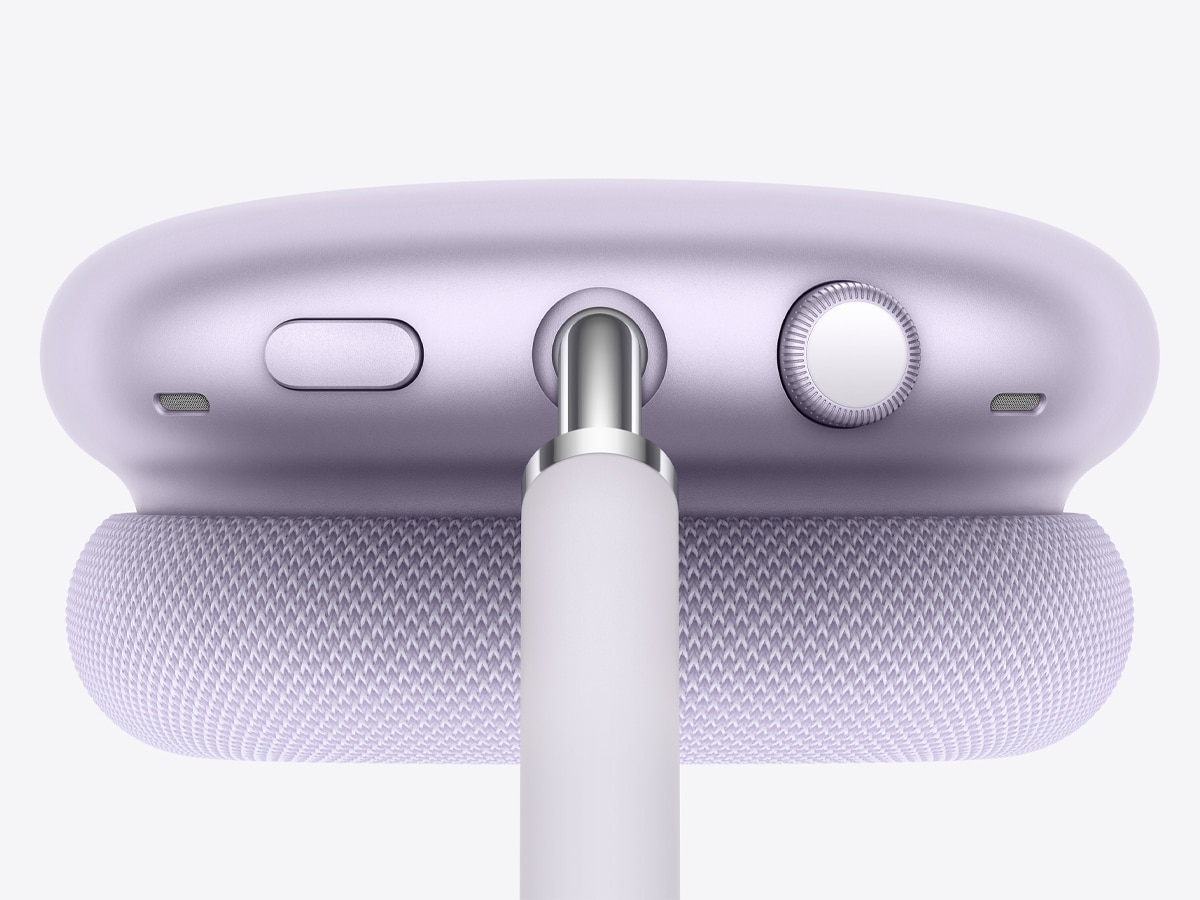
While the silhouette of the AirPods Max 2 remains largely identical to its predecessor—featuring the signature mesh canopy headband and anodized aluminum earcups—Apple has updated the color palette to align with its current hardware aesthetic. The 2026 lineup includes:
- Midnight: A deep, near-black matte finish.
- Starlight: A warm, metallic champagne hue.
- Orange: A vibrant, saturated tone.
- Purple: A soft, pastel-leaning violet.
- Blue: A classic navy-inspired finish.
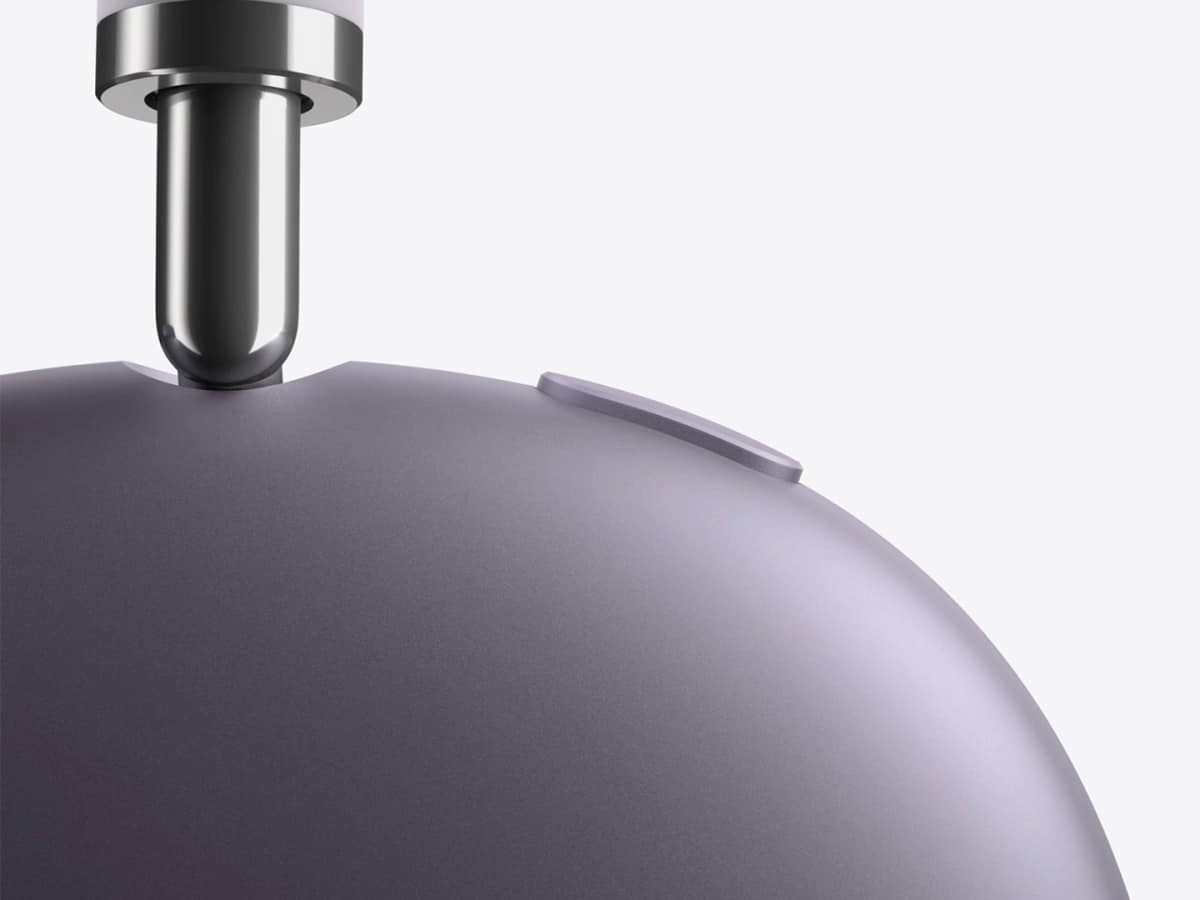
The ear cushions continue to use acoustically engineered memory foam wrapped in a breathable knit mesh. Notably, the digital crown remains the primary interface for volume control and playback, a decision that maintains tactile feedback in an era where many competitors have moved to touch-sensitive gestures.
Market Positioning and Competitive Landscape
At AUD$999, the AirPods Max 2 sits at the apex of the consumer headphone market. This pricing strategy places Apple in direct competition with "luxury" and "high-fidelity" specialists rather than mass-market brands.
Industry analysts note that while the Sony WH-1000XM series and Bose QuietComfort Ultra remain the primary choices for the general consumer, Apple is targeting the segment occupied by the Sennheiser Momentum 4, Bowers & Wilkins Px8, and Bang & Olufsen Beoplay H95. Apple’s advantage in this space is not solely based on hardware specifications, but on deep ecosystem integration. Features such as "Automatic Switching" between an iPhone, iPad, and Mac, and the "Live Translation" feature—which utilizes the H2 chip to provide real-time language translation directly into the user’s ears—create a value proposition that third-party manufacturers struggle to replicate.
However, the decision to maintain a 20-hour battery life has drawn some criticism from industry observers. In a market where competitors like Sennheiser offer up to 60 hours of playback on a single charge, Apple’s decision to prioritize the power-hungry H2 chip functions over extended battery longevity indicates a focus on feature density rather than endurance.
New Software-Driven Functionalities
The inclusion of the H2 chip enables several new features that expand the utility of the headphones beyond music playback:
- Live Translation: Leveraging the neural engine within the H2 chip, the AirPods Max 2 can assist in real-time translation during conversations, providing a whispered translation to the wearer.
- Camera Remote Integration: Users can now trigger their iPhone camera shutter or start a video recording using the physical buttons on the headphones, a feature useful for content creators using the rear-facing cameras for vlogging.
- Enhanced Transparency Mode: The microphone array now processes environmental sounds at a higher sample rate, resulting in a more natural "Transparency" experience that minimizes the "occlusion effect" (the muffled sound of one’s own voice).
Broader Implications for the Audio Industry
The launch of the AirPods Max 2 signals Apple’s commitment to the premium audio space despite the high cost of entry. By doubling down on computational audio rather than traditional analog driver improvements, Apple is shifting the definition of "high-end" sound from pure hardware specs to software-optimized experiences.
For the Australian market, the AUD$999 price point reflects both the premium nature of the product and current currency exchange trends. As the headphones arrive in Apple Store locations next month, the critical reception will likely hinge on whether the 1.5x improvement in ANC and the addition of lossless wired audio justify the significant investment for existing owners of the first-generation model.
The AirPods Max 2 represents a strategic refinement of a product that has already redefined the premium headphone category. While it may not offer a radical visual departure, the internal upgrades suggest a product designed to remain technologically relevant for another five-year cycle in an increasingly competitive landscape.


 Yuyun Lusiyani
 Joko Widodo
 Eva Lovia
 Pevita Pearce
 admin
admin