
 Jia Lissa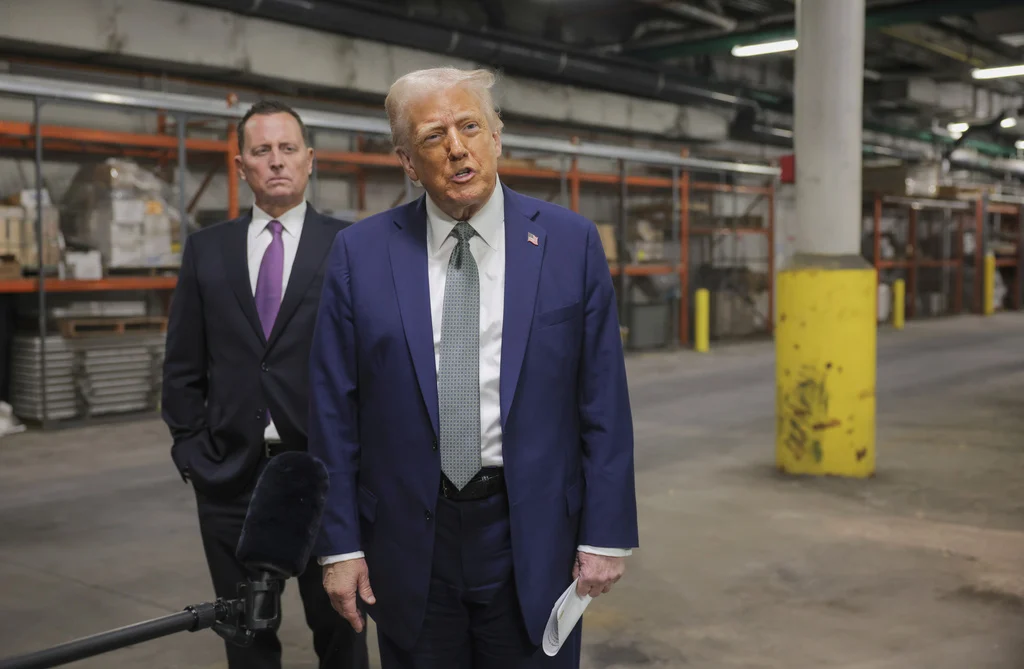
The John F. Kennedy Center for the Performing Arts, long considered the premier cultural institution in the United States, has entered a period of unprecedented transition following a contentious administrative cycle and the announcement of a two-year operational hiatus. This development comes as Ric Grenell, the official appointed to oversee the institution’s transformation, concludes a tenure marked by significant friction with the artistic community, legal challenges regarding board governance, and a controversial effort to rebrand the historic memorial. On Monday, the Kennedy Center Board of Trustees met to ratify a decision to shutter the building for a minimum of twenty-four months, citing the need for extensive renovations. However, the closure occurs against a backdrop of declining programming, high-profile artist withdrawals, and a breakdown in the traditional relationship between the federal government and the performing arts sector.
The Rebranding Initiative and Legislative Conflict
The crisis at the Kennedy Center originated with a directive from the Trump administration to integrate the current president’s name into the institution’s official identity. Established by the John F. Kennedy Center Act of 1964, the facility serves as a "living memorial" to the 35th president of the United States. The proposal to rename the site the "Trump-Kennedy Center" represented a significant departure from the institution’s historical mandate. Unlike federal agencies under the direct purview of the executive branch, the Kennedy Center is a public-private partnership with a mission defined by an act of Congress.
Ric Grenell, a former diplomat and intelligence official with no prior experience in arts administration, was tasked with implementing this vision. Critics and constitutional scholars noted that such a change would likely require congressional approval, as the building was designated by law as a monument to John F. Kennedy. The administration’s approach was characterized by observers as an attempt to apply a political and administrative playbook to a cultural entity, treating the center’s branding as a matter of executive prerogative rather than legislative or historical precedent.
The Artistic Exodus and Programming Decline
The most immediate consequence of the administrative shift was a visible erosion of the Kennedy Center’s seasonal calendar. In the performing arts world, prestige and participation are governed by long-term contracts and informal networks of trust. Beginning in late 2025 and accelerating into early 2026, a significant number of performers, conductors, and theater companies began withdrawing from scheduled appearances or declining invitations to book future dates.
The exodus was not limited to individual performers. Entire productions and touring companies redirected their schedules toward alternative venues in the Mid-Atlantic region. Grenell publicly attributed these cancellations to external interference, alleging that major news organizations, including CNN and the Washington Post, were actively orchestrating a boycott by contacting performers. These claims were met with skepticism from industry professionals, who noted that the decision to perform at a venue is typically a commercial and reputational choice made by artists and their management teams.
As the schedule thinned, the institution’s primary stages remained dark for extended periods. This lack of activity prompted questions regarding the facility’s financial viability and its ability to meet its federal mandate to provide diverse cultural programming to the public.
Chronology of the 2026 Administrative Crisis
The situation reached a critical juncture in March 2026. The following timeline outlines the key events leading to the current closure:
- Early March 2026: Reports surface that the Kennedy Center is struggling to fill its 2026-2027 season, with several cornerstone Broadway tours and orchestral residencies opting out of the venue.
- March 12, 2026: A federal judge orders the Kennedy Center administration to release internal documents related to proposed renovations and budget allocations following a lawsuit regarding transparency.
- March 16, 2026 (Morning): President Trump announces the two-year closure of the Kennedy Center for renovations, preempting the scheduled Board of Trustees meeting.
- March 16, 2026 (Afternoon): The Board of Trustees meets to ratify the closure. Congressional members of the board are permitted to attend but are reportedly barred from casting votes on the final resolution.
- March 17, 2026: Ric Grenell’s departure from his leadership role is confirmed, though the administration denies that he was dismissed, characterizing the exit as a natural conclusion to his phase of the project.
Governance and Legal Challenges
The governance of the Kennedy Center is dictated by a board that includes both presidential appointees and members of Congress from both parties. During the March 16 meeting, the role of these congressional members became a point of legal and political contention. By preventing the legislative representatives from voting, the administration effectively bypassed the checks and balances traditionally inherent in the center’s oversight.
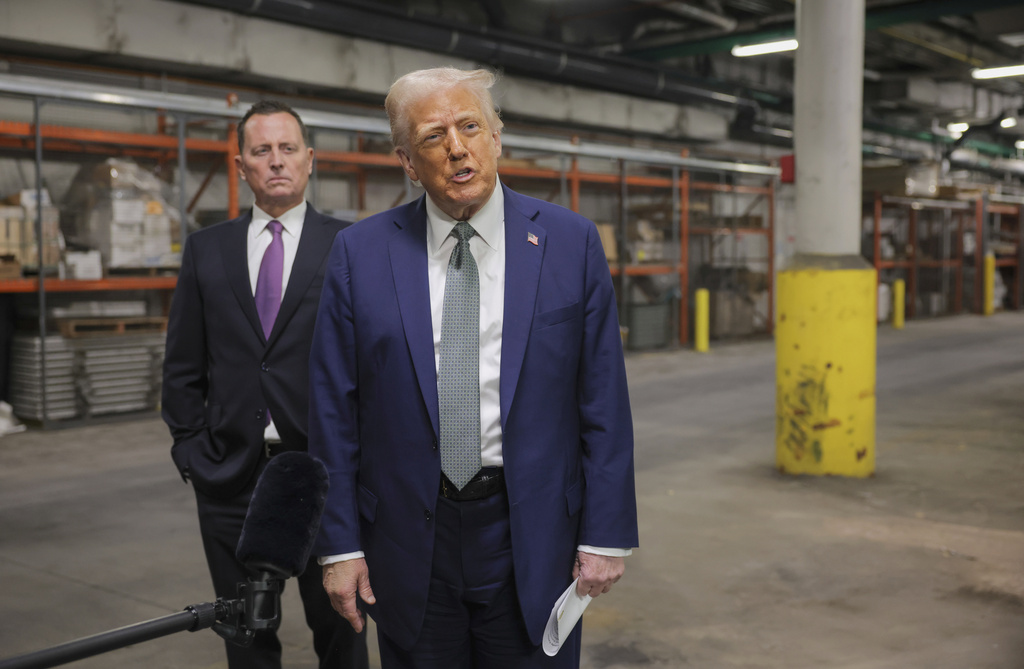
Furthermore, the involvement of the judiciary highlighted the breakdown in institutional norms. The court order to turn over renovation documents suggests that the administration had been withholding information from stakeholders regarding the true state of the building’s infrastructure. While the Kennedy Center, which opened in 1971, undeniably requires periodic maintenance, the suddenness of a two-year total shutdown raised questions among donors and the public about whether the renovations were a primary necessity or a secondary justification for a failing programming schedule.
Expert Testimony and Economic Implications
The impact of the closure and the preceding administrative turmoil has been assessed by several leading figures in the arts world. Deborah Borda, President Emerita of the New York Philharmonic and a veteran of major facility renovations at Walt Disney Concert Hall and Lincoln Center, provided a sworn declaration detailing the long-term risks associated with the current trajectory.
Borda’s analysis focused on three primary areas of concern:
- Audience Retention: A two-year hiatus risks severing the connection between the institution and its subscriber base. Historically, long-term closures without a "bridge" program lead to a permanent loss of a significant percentage of patrons.
- Staff and Talent Drain: Cultural institutions rely on specialized administrative and technical staff. The uncertainty surrounding the closure has already led to the departure of key personnel whose institutional knowledge is difficult to replace.
- Donor Realignment: Philanthropy in the arts is highly competitive. Borda warned that major donors who redirect their contributions to other organizations during the two-year closure may not return to the Kennedy Center once it reopens, particularly if the institution remains a focal point of political controversy.
The economic implications extend to the District of Columbia’s tourism sector. The Kennedy Center is a major draw for visitors, and its closure will affect local hospitality businesses, including restaurants and hotels that cater to theater-goers.
Analysis of Institutional Capture
The events at the Kennedy Center serve as a case study in "institutional capture," a process where a non-partisan or cultural entity is redirected toward the political objectives of an executive administration. In the case of the performing arts, this process often encounters unique resistance. Unlike bureaucratic agencies where employees are subject to civil service rules and executive orders, the "workforce" of a cultural center consists of independent artists and private donors.
The failure to recognize the autonomy of these stakeholders appears to have been a central miscalculation in Grenell’s strategy. The attempt to utilize the prestige of the Kennedy Center as a tool for a "culture war" resulted in the erosion of that very prestige. When an institution’s value is derived from its reputation for artistic excellence and its status as a national symbol, the introduction of overt partisanship can act as a deterrent to the talent required to sustain it.
Future Outlook and Reopening Prospects
As Ric Grenell exits and the building prepares for its two-year dark period, the future of the Kennedy Center remains uncertain. The official narrative maintains that the facility will emerge in 2028 as a modernized, state-of-the-art venue. However, the task of rebuilding the institution’s reputation may prove more challenging than the physical renovations.
Restoring the trust of the global artistic community will require a return to traditional governance models and a clear separation between the center’s cultural mission and the political climate of the day. The next administration of the center will face the immediate challenge of recruiting a new artistic director and staff capable of navigating the aftermath of this period.
For now, the Kennedy Center stands as a silent monument to a period of intense institutional friction. The coming years will determine whether the "living memorial" can recover its status as the nation’s premier stage or if the damage sustained during this administrative cycle has permanently altered its place in the American cultural landscape. The closure represents not just a pause in performances, but a critical test of whether national cultural institutions can survive the pressures of extreme political polarization.


 Yuyun Lusiyani
 Joko Widodo
 Eva Lovia
 Pevita Pearce
 admin
admin
 Lina Irawan