
 Eva Lovia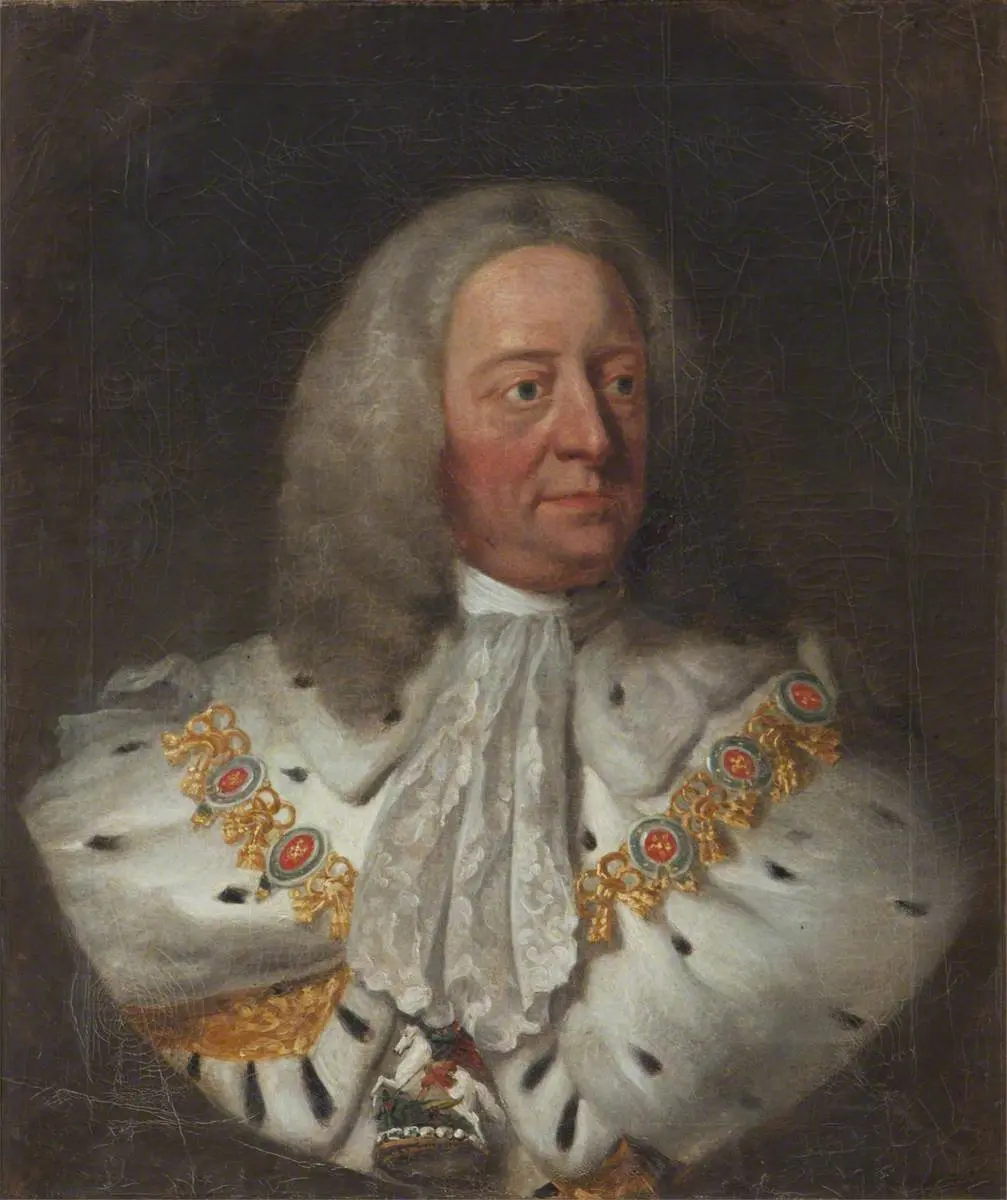
October, a month often celebrated for its vibrant transformation of the natural world, also holds a unique distinction in British royal history. It marks the birth month of five English monarchs, each whose ascension to the throne followed vastly different paths and whose reigns left indelible marks on the nation. From the son of a controversial king destined for the crown from birth, to a younger sibling thrust into power amidst turmoil, and a monarch whose lineage secured a foreign dynasty, these "October Kings" offer a fascinating tapestry of royal succession, political intrigue, and historical circumstance. This exploration delves into the lives and legacies of Henry III, Richard III, Edward VI, James II, and George II, examining the contexts of their births, their journeys to the throne, and the significant impact of their reigns.
The Dawn of an October Reign: Henry III
Henry III, born on October 1st, 1207, in Winchester, stands as the first English king to grace the calendar with an October birthday. His birth was strategically significant for his father, King John, one of England’s most controversial monarchs. John, who had ascended the throne in 1199, urgently needed a male heir to solidify the succession and counter the widespread discontent that plagued his reign. Henry’s mother, Isabella of Angoulême, was approximately 19 years old at the time of his birth, a relatively young age for bearing the heir to the English crown.
The circumstances of Henry III’s ascension were as dramatic as his father’s reign. On October 19th, 1216, following the death of King John, the nine-year-old Henry was proclaimed king. His coronation took place later that year, on October 28th, firmly cementing his status as an "October King" from the very beginning of his royal journey. His early years as monarch were marked by the ongoing conflicts and political instability inherited from his father, notably the ongoing challenges from France and the lingering dissent within England. The young king’s reign was largely guided by regents, including William Marshal, 1st Earl of Pembroke, who played a crucial role in stabilising the kingdom.
Henry III’s reign, which lasted for 56 years, was one of the longest in English history. It witnessed significant developments, including the establishment of the Parliament of Simon de Montfort in 1265, a pivotal moment in the evolution of English governance and a precursor to the modern parliamentary system. Despite initial challenges and periods of unrest, Henry III ultimately navigated the complexities of medieval kingship, leaving a legacy of a more unified and institutionally developed England.
A Throne Forged in Conflict: Richard III
In stark contrast to Henry III’s predetermined destiny, Richard III’s birth on October 2nd, 1453, at Fotheringay Castle in Northamptonshire, placed him far from the immediate prospect of kingship. He was the twelfth child of Richard, Duke of York, a powerful magnate who had recently assumed the role of Protector of England. This appointment came during a period of severe mental health struggles experienced by King Henry VI, which rendered him incapable of ruling. While his father was a formidable figure with a legitimate claim to the throne, young Richard entered the world as a member of the nobility rather than a direct heir apparent.
The turbulent era of the Wars of the Roses, a protracted series of dynastic civil wars fought between the House of Lancaster and the House of York, profoundly shaped Richard’s life. His father’s ambition for the crown ignited fierce conflict, and the friction and shifting alliances characteristic of these wars would ultimately pave the way for Richard’s own ascent. However, on the autumn day of his birth, the prospect of wearing the crown was a distant reality, overshadowed by the immediate power struggles and the uncertain future of the English monarchy.
Richard’s journey to kingship was marked by his active participation in the military campaigns of the Wars of the Roses. He distinguished himself as a capable commander, notably at the Battle of Barnet (1471) and the Battle of Tewkesbury (1471), where he played a crucial role in securing victory for the House of York. Following the death of his brother, Edward IV, in 1483, Richard was proclaimed king. His reign, however, was brief and remains one of the most controversial in English history, largely due to the enduring mystery surrounding the disappearance of his nephews, the "Princes in the Tower," and the subsequent narrative established by his Tudor successors. His reign ended tragically at the Battle of Bosworth Field in 1485, where he was killed, marking the end of the Plantagenet dynasty and the beginning of the Tudor era.
A Long-Awaited Heir: Edward VI
The birth of Edward VI on October 12th, 1537, at Hampton Court Palace, represented the fulfilment of a deeply cherished ambition for his father, King Henry VIII. After years of seeking a male heir to secure the Tudor dynasty, the arrival of Edward was met with immense relief and celebration. This most anticipated of royal births, however, came at a significant personal cost to his mother, Jane Seymour. She endured three days of arduous labour and tragically succumbed to childbed fever shortly after her son’s birth, marking the third of Henry VIII’s six wives to die.

Similar to Henry III, Edward VI ascended to the throne at a tender age, assuming the crown at nine years old upon his father’s death in 1547. Unlike his predecessor, Edward’s reign proved to be remarkably short. He reigned for six years, dying in 1553 just shy of his sixteenth birthday. Edward’s reign was characterized by the continued implementation of the English Reformation, with significant Protestant reforms being enacted under the guidance of his regents, particularly Edward Seymour, Duke of Somerset, and later John Dudley, Duke of Northumberland. Despite his youth, Edward was a devout Protestant and played an active role in shaping the religious landscape of England, advocating for further reforms and the establishment of a more thoroughly Protestant church. His premature death led to a succession crisis, ultimately resulting in the brief and contested reign of Lady Jane Grey, followed by the accession of his Catholic half-sister, Mary I.
From Younger Son to King and Exile: James II
James II, born on October 14th, 1633, at St James’s Palace in London, began his life with little apparent prospect of wearing the crown. As the second son of King Charles I, his elder brother, Charles, was the designated heir to the throne. His mother, Henrietta Maria of France, a devout Catholic, struggled to gain widespread popularity in Protestant England, although she was instrumental in filling the royal nursery with sons.
James’s formative years were profoundly shaped by the tumultuous events of the English Civil War. When he was fifteen, his father was executed in 1649, a pivotal moment that plunged England into a period of republican rule. During this time, James lived in exile, gaining military experience in the service of France and Spain. The Restoration of the Monarchy in 1660, with the return of his elder brother as Charles II, brought James back to England. He played a significant role in military affairs and governance during his brother’s reign, serving as Lord High Admiral.
His path to kingship was indirect, inheriting the throne in 1685 upon Charles II’s death. However, James II’s avowed Catholicism and his increasingly autocratic style of rule quickly ignited widespread opposition and fear. His attempts to promote Catholicism and his suspension of parliamentary authority led to the Glorious Revolution of 1688. A coalition of prominent figures invited William of Orange, James’s Protestant nephew and son-in-law, to invade England. Faced with overwhelming opposition, James II fled the country in December 1688, effectively abdicating the throne. He was later declared to have forfeited his kingdoms, and the crown was offered jointly to William and his wife, Mary II, James’s daughter. James II spent the remainder of his life in exile in France, attempting to regain his throne through military campaigns in Ireland and Scotland, but his efforts were ultimately unsuccessful. His reign, though brief, was a stark reminder of the fragility of monarchical power and the deep religious divisions within English society.
A Foreign Dynasty’s Embrace: George II
George II, born on October 30th, 1683, in Hanover, Germany, also entered the world without the immediate expectation of ruling Britain. His mother, Sophia Dorothea of Celle, gave birth to her first child, a boy, who was initially heir to a dukedom. However, the trajectory of his life changed dramatically due to dynastic circumstances in Britain. Seventeen years later, his father, George, Elector of Hanover, became the heir to the British throne when the Protestant line of the House of Stuart came to an end with Queen Anne. By 1706, George was formally invested as Duke of Cambridge, as the Hanoverian succession to the British throne was solidified.
George II arrived in England in 1714, accompanying his father, who ascended the throne as George I. He became king in 1727, embarking on a reign that lasted for 33 years. His reign was a period of significant consolidation for the Hanoverian dynasty and witnessed the continued growth of Britain as a global power. Key events during his rule include the War of the Austrian Succession and the Seven Years’ War, both of which saw British military and naval successes that expanded its empire and influence. George II was the last British monarch to lead his troops into battle, notably at the Battle of Dettingen in 1743.
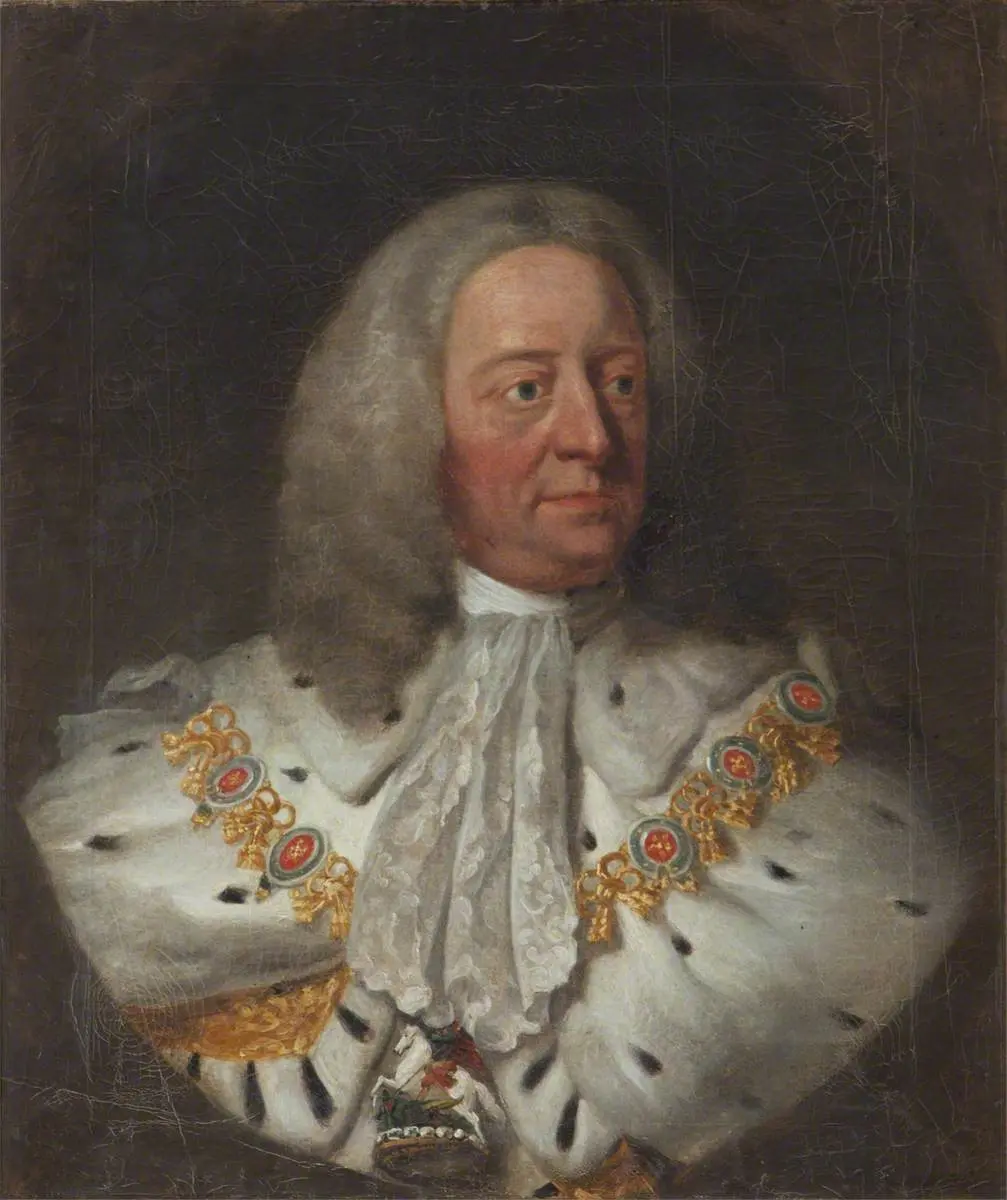
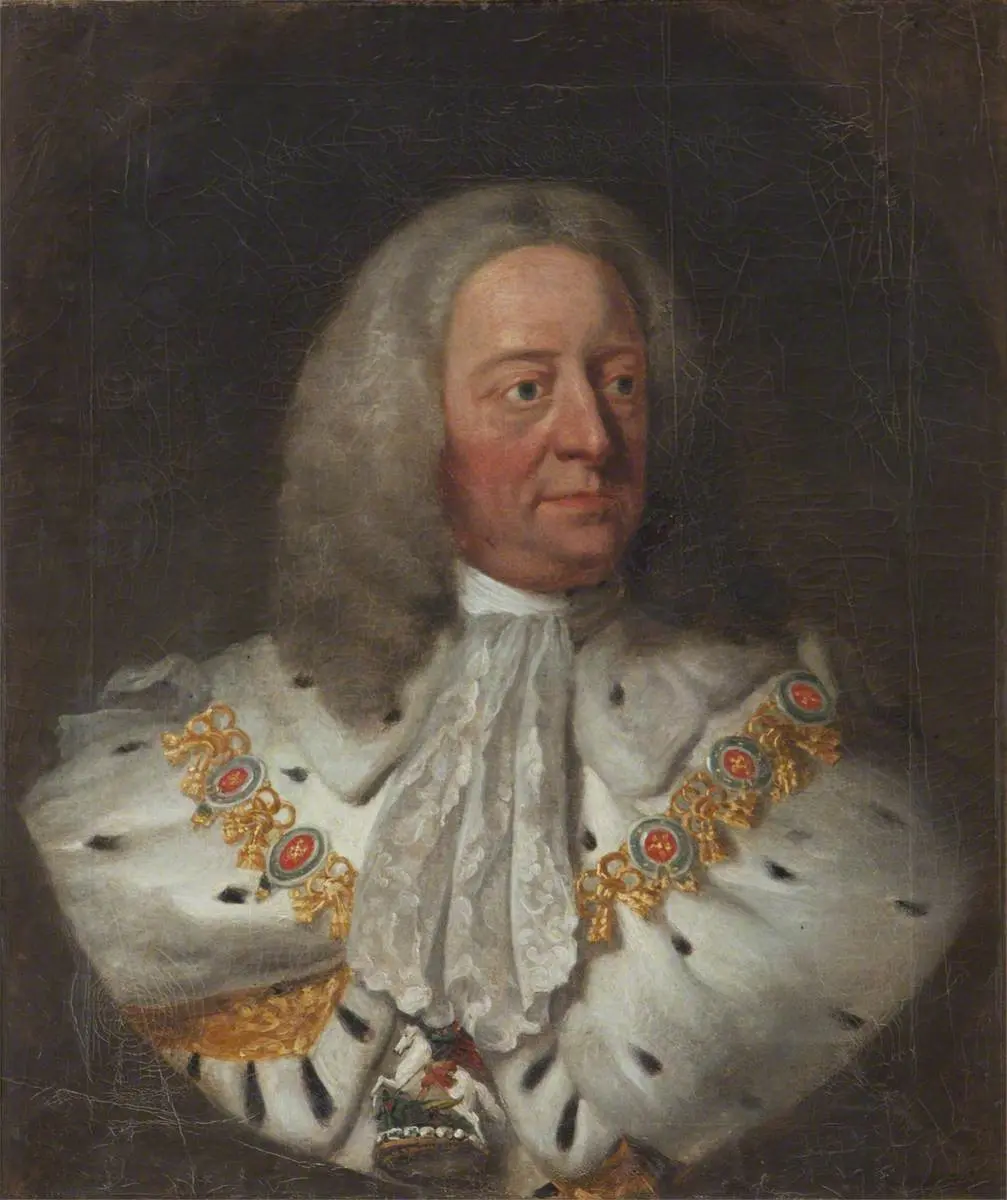
While George II was born in October, he represents the last monarch to date to share this birth month. His reign marked the end of a particular chapter in royal history, with subsequent monarchs born in different months, but his legacy as a Hanoverian king who oversaw a period of significant imperial expansion and political development remains an important part of the British historical narrative.
The five monarchs born in October – Henry III, Richard III, Edward VI, James II, and George II – represent a diverse array of royal experiences. Their lives illustrate the unpredictable nature of succession, the profound impact of political and religious upheaval, and the enduring evolution of the British monarchy. Each, in their own way, shaped the course of English and British history, leaving behind legacies that continue to be studied and debated centuries later. Their autumnal births serve as a historical marker, connecting them through a shared month while highlighting the vastly different paths they trod on their journeys to the throne and their subsequent impact on the nation.


 Yuyun Lusiyani
 Ana Megawati
 Joko Widodo
 Jia Lissa
 Pevita Pearce