
 Eva Lovia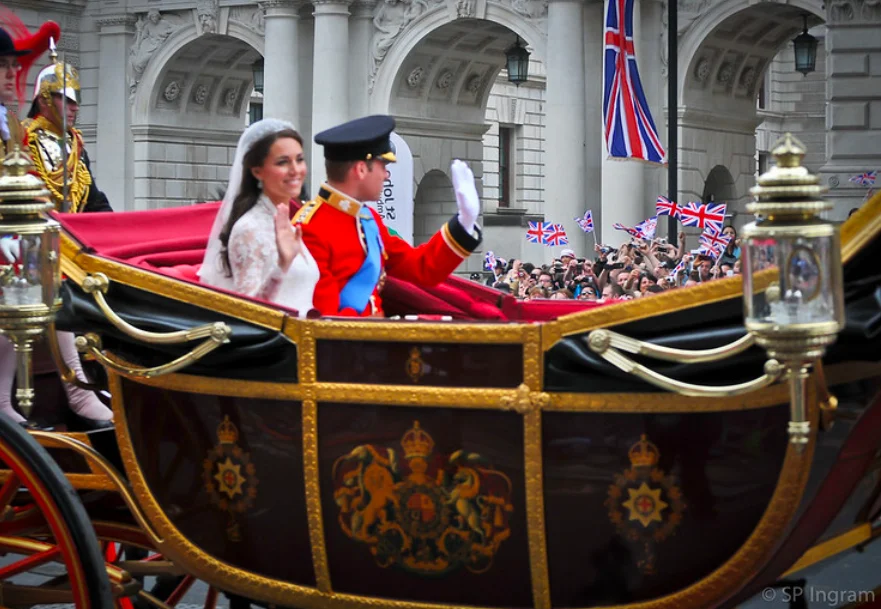
All brides, whether commoners or royalty, cherish the bouquet that graces their wedding day. For a royal bride, this floral arrangement transcends mere decoration; it becomes a silent narrator, weaving in personal tributes, historical echoes, and profound symbolic meanings that enrich the tapestry of the nuptial ceremony. The bouquet carried by Catherine Middleton, now Her Royal Highness the Princess of Wales, at her marriage to Prince William on April 29, 2011, was a masterful composition that fulfilled these expectations with grace and understated elegance. Far from being a simple accessory, it was a meticulously curated collection of blooms, each chosen for its distinct significance, contributing to a deeply personal and regally resonant narrative.
A Bloom-by-Bloom Chronicle of Meaning
Catherine’s bouquet was notably small, neat, and fashioned entirely from locally sourced, white flowers, accented by lush green leaves. Its design was wired into a sophisticated shield shape, a practical choice that ensured its structural integrity throughout the extensive festivities of the day, from the solemn vows at Westminster Abbey to the subsequent public appearances. This careful construction allowed the delicate blooms to maintain their pristine appearance, a testament to the attention to detail that characterized the entire royal wedding.
The dominant flower in this exquisite arrangement was the lily of the valley. This highly fragrant plant, typically in bloom as May commences, has long been a favoured choice for bridal bouquets, its delicate white bells symbolizing purity and the sweet return of happiness. The choice of lily of the valley for the Princess of Wales’s bouquet immediately drew comparisons to that carried by Princess Grace of Monaco at her wedding in 1956, a testament to its enduring appeal and timeless elegance in royal circles. This parallel underscored a sense of continuity and shared heritage within royal matrimonial traditions.
A particularly poignant and personal touch was the inclusion of Sweet William. This common yet cherished garden flower, with its vibrant colours and hardy nature, served as a direct and charming nod to the groom, Prince William. It was a subtle yet unmistakable way for the bride to express her affection and connection to her future husband, embedding a personal message within the broader symbolism of the bouquet.
Complementing these central elements were sprigs of ivy and hyacinth. Ivy, with its evergreen nature and tenacious growth, symbolizes eternal love and fidelity, a fitting representation of the vows being exchanged. Hyacinths, known for their rich fragrance and clusters of bell-shaped flowers, represent constancy of love, further reinforcing the theme of enduring commitment.
However, the most historically significant bloom within the bouquet was a sprig of myrtle. This fragrant evergreen, a staple in royal wedding bouquets for over a century and a half, was taken from a bush originally planted at Osborne House on the Isle of Wight by Queen Victoria herself. The tradition of incorporating myrtle into royal bridal arrangements dates back to Queen Victoria’s own wedding in 1840, symbolizing marriage and eternal love. By including this specific sprig, the Princess of Wales was not only adhering to a cherished royal custom but also symbolically linking her union to the enduring legacy of the British monarchy.
The Language of Flowers: A Silent Declaration
The careful selection of each flower within the Princess of Wales’s bouquet was steeped in the Victorian art of floriography, the language of flowers, where each bloom conveys a specific sentiment. This practice allowed the bouquet to act as a silent, eloquent declaration of the bride’s innermost feelings and aspirations for her marriage.
- Lily of the Valley: Signifying the "return to happiness," these delicate bells offered a message of joy and renewed optimism. Their inclusion spoke to the personal happiness the couple had found in each other and the anticipated joy of their shared future.
- Sweet William: Representing "gallantry," this flower offered a direct tribute to Prince William, acknowledging his admirable qualities and the gentlemanly nature that likely drew Catherine to him.
- Ivy: Symbolizing "wedded love" and fidelity, its presence reinforced the sacred bond of marriage and the commitment to a lifelong partnership.
- Hyacinth: Conveying "constancy of love," this bloom emphasized the enduring and unwavering nature of the couple’s affection for one another.
- Myrtle: As the quintessential emblem of marriage and true love, its inclusion was a powerful affirmation of the sanctity of their union and its place within the historical continuum of royal matrimony.
Together, these floral choices formed a cohesive narrative of love, fidelity, and enduring commitment, subtly woven into the fabric of the royal wedding.

A Tradition Honoring Sacrifice: The Bouquet’s Final Journey
Beyond its symbolic significance during the ceremony, the Princess of Wales’s wedding bouquet embarked on a final, deeply moving journey, continuing a poignant tradition initiated by the Queen Mother. Following the wedding celebrations, the bouquet was carefully returned to Westminster Abbey and placed upon the Tomb of the Unknown Warrior.
This solemn act is a powerful tribute to sacrifice and remembrance. The tradition was first established by Lady Elizabeth Bowes-Lyon, the future Queen Mother, on April 26, 1923, the day of her own royal wedding to the Duke of York (later King George VI). Having lost her brother, Fergus, in the First World War, she laid her bridal bouquet on the tomb as a poignant memorial to him and to all those who had fallen in that devastating conflict. Since that heartfelt gesture, every royal bride has followed suit, transforming the wedding bouquet from a symbol of new beginnings into a solemn offering of gratitude and remembrance for those who made the ultimate sacrifice. This practice imbues the bouquet with a profound sense of national duty and historical continuity, linking each royal marriage to the sacrifices made for the nation.
Critical Reception and Echoes of the Past
At the time of the wedding, the Princess of Wales’s bouquet garnered considerable attention and sparked varied opinions. Some commentators praised its delicate beauty, viewing it as the perfect complement to Catherine’s now-iconic lace wedding dress. They felt its understated elegance harmonized with the grandeur of Westminster Abbey without overpowering it. However, a segment of the media and public found the bouquet to be too small, leading to concerns that it might be lost amidst the imposing architecture of the Abbey and the scale of the royal occasion.
This perceived diminutive size also reignited comparisons to the bouquet carried by Princess Grace of Monaco in 1956. Like Catherine’s, Princess Grace’s bouquet was described as small and discreet, with lily of the valley forming its primary component. While Grace Kelly’s bouquet also featured tea roses for her chief bridesmaid and daisies for other attendants, the bride herself carried a posy predominantly of lily of the valley. These comparisons highlighted a shared aesthetic preference for understated floral arrangements among royal brides, prioritizing delicate beauty and symbolic meaning over ostentatious display. Both bouquets, despite their modest size, left an indelible mark on wedding fashion and royal history.
A Symbol of a New Era
Catherine Middleton’s wedding bouquet, therefore, was more than just a collection of flowers. It was a carefully constructed narrative, a dialogue between personal sentiment and royal tradition, and a bridge connecting the past with the future. Its inclusion of the Sweet William was a modern, personal touch, while the myrtle represented a deep connection to centuries of royal lineage. The lily of the valley, a perennial favourite, offered a timeless message of happiness and purity.
The bouquet became an integral part of the Princess of Wales’s wedding ensemble, as iconic as her gown, veil, and tiara. It served as a symbolic harbinger of her new married life, embodying the hopes, commitments, and historical weight that accompanied her entry into the royal family. Its journey to the Tomb of the Unknown Warrior further cemented its significance, transforming it into a symbol not only of a joyous union but also of national remembrance and enduring respect.
The legacy of this particular bouquet extends beyond its visual impact. It represents a continuation of deeply meaningful traditions, a subtle yet powerful form of communication within the royal sphere, and a testament to the enduring power of symbolic gestures in marking life’s most significant moments. It is a reminder that even in the grandest of ceremonies, the most profound messages can be conveyed through the quiet eloquence of nature’s finest creations.
This detailed exploration of the Princess of Wales’s wedding bouquet is part of a broader collection of insights into royal matrimonial history. Further in-depth features on royal wedding floral arrangements and their significance can be found in "Royal Weddings: A Collection from Royal Central," available in both ebook and paperback formats on Amazon.


 Yuyun Lusiyani
 Joko Widodo
 Pevita Pearce
 admin
admin
 Lina Irawan