
 Eva Lovia
A significant display of royal remembrance and solidarity will underscore London’s commemorations of ANZAC Day this year, with both Catherine, Princess of Wales, and Anne, the Princess Royal, taking prominent roles. Their participation signifies a deep respect for the sacrifices made by Australian and New Zealand service personnel and veterans, highlighting the enduring historical ties between the Commonwealth nations and the United Kingdom. The joint royal presence at these solemn events serves as a powerful visual representation of shared history and ongoing mutual respect.
A Dawn of Remembrance and Royal Dedication
The solemn commemorations begin with the early morning dawn service, a tradition steeped in solemnity and reflection. Princess Anne will preside over the moving dawn service held at the Wellington Arch, Hyde Park Corner. This iconic location, overlooking the historic heart of London, becomes a focal point for those seeking to honour the memory of the ANZACs. The service, commencing as the first light of dawn breaks, is timed to coincide with the anniversary of the fateful landings at Gallipoli on April 25, 1915. This pivotal event in World War I saw thousands of Australian and New Zealand soldiers land on the shores of the Gallipoli peninsula, a campaign that, despite its tragic outcome, forged an indelible bond between the two nations and gave birth to the ANZAC legend.
The dawn service itself is a carefully orchestrated act of remembrance. It typically includes the poignant sounding of the Last Post, a bugle call that evokes a profound sense of loss and tribute. This is followed by the sounding of the Reveille, signalling the awakening to a new day, a symbol of hope and the continuation of life in the face of sacrifice. The readings often include excerpts from letters and diaries of soldiers who served, bringing personal narratives to the fore and reminding attendees of the human cost of conflict. The national anthems of Australia and New Zealand are sung with heartfelt devotion, reinforcing the sense of shared identity and remembrance. Princess Anne’s attendance underscores her longstanding commitment to military charities and her deep understanding of the sacrifices made by service personnel.
The Princess of Wales’s Solemn Duty at the Cenotaph
Later in the day, Catherine, the Princess of Wales, will undertake a profoundly significant duty: laying a wreath at the Cenotaph in Whitehall on behalf of His Majesty King Charles III. The Cenotaph, a national monument to the fallen, stands as a stark and powerful symbol of Britain’s collective grief and remembrance. This act, performed on behalf of the Sovereign, signifies the highest level of royal acknowledgement and respect for the sacrifices of all who have served and died for their country.
The Princess of Wales’s presence at the Cenotaph is particularly meaningful. As a senior member of the Royal Family, her participation in such a pivotal national event highlights the continuity of royal commitment to remembrance. The wreath-laying ceremony is a moment of profound reflection, typically observed with a two-minute silence, during which the nation pauses to remember. Following the wreath-laying, a memorial service will take place at the Cenotaph, often accompanied by a parade of veterans and serving members of the armed forces from Australia, New Zealand, and the United Kingdom. This parade is a visual testament to the enduring camaraderie and shared service that binds these nations.
A Service of Commemoration and Thanksgiving at Westminster Abbey
The royal engagement continues with a Service of Commemoration and Thanksgiving at Westminster Abbey, a venue synonymous with national ceremonies of great import. This service offers a more formal and spiritual reflection on the ANZAC legacy. The readings during this service are often delivered by the High Commissioners of Australia and New Zealand, lending an official and representative voice from each nation. These readings typically focus on themes of courage, sacrifice, and the enduring spirit of the ANZACs.
A particularly moving element of the Westminster Abbey service is the inclusion of prayers read by children from both Australia and New Zealand. This intergenerational element underscores the importance of passing down the legacy of remembrance to future generations. The inclusion of a Māori waiata, a traditional song, performed by Ngāti Rānana, a London-based Māori cultural group, adds a rich cultural dimension to the service, celebrating the unique heritage of New Zealand’s indigenous people and their contribution to the ANZAC story. This blend of solemnity, cultural expression, and intergenerational engagement makes the Westminster Abbey service a powerful and comprehensive tribute.
Historical Context: The Genesis of ANZAC Day
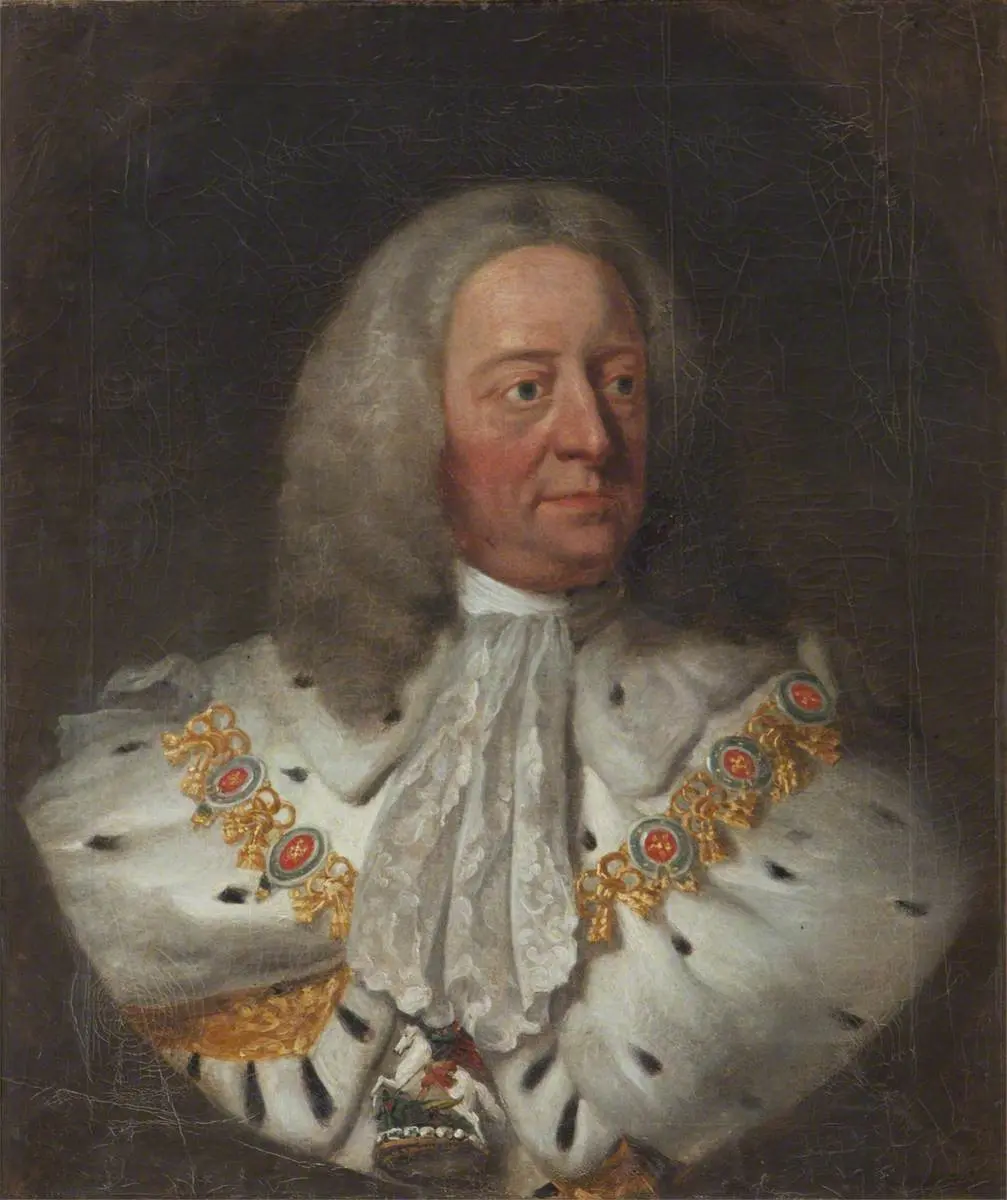
The origins of ANZAC Day are deeply rooted in the history of World War I. King George V himself attended the first ANZAC Day commemorations held in London in 1916, marking the first anniversary of the Gallipoli landings. This early royal endorsement set a precedent for the enduring connection between the British monarchy and the commemoration of ANZAC sacrifices. Over the decades, ANZAC Day has evolved from a commemoration of a single campaign to a broader recognition of the service and sacrifice of all Australians and New Zealanders who have served in wars, conflicts, and peacekeeping operations.
April 25th is now a public holiday in both Australia and New Zealand, a testament to its national significance. This allows for widespread participation in memorial services, parades, and other commemorative events, ensuring that the memory of those who have lost their lives in conflict is honoured by as many people as possible. The shared observance of ANZAC Day across these nations reinforces a sense of collective identity and shared historical experience.
A Week of Royal Commemoration: Honoring Queen Elizabeth II
The ANZAC Day commemorations are not the only significant royal events scheduled for this period. Earlier in the week, the Royal Family will gather to commemorate the centenary of the birth of the late Queen Elizabeth II, a momentous occasion falling on April 21st. This centenary provides an opportunity for the Royal Family to reflect on the remarkable life and enduring legacy of the longest-reigning British monarch.
Both the Princess of Wales and the Princess Royal will be actively involved in these centenary events. Princess Anne will have the honour of officially opening the Memorial Gardens dedicated to Queen Elizabeth II, a fitting tribute to a monarch who was deeply connected to the natural world and the preservation of heritage.
Later, the Princess of Wales, alongside her husband Prince William, will join other members of the Royal Family at Buckingham Palace for a reception marking the Queen’s centenary. This reception will be a significant gathering, with His Majesty King Charles III set to present birthday cards to a select group of individuals who are also celebrating their 100th birthdays this year. This thoughtful gesture connects the royal commemoration of Queen Elizabeth II’s centenary with the celebration of other centenarians, drawing a parallel between a life of service and longevity.
Broader Implications and Royal Continuity
The prominent roles assigned to the Princess of Wales and the Princess Royal in both ANZAC Day commemorations and the Queen Elizabeth II centenary events carry significant weight. For the Princess of Wales, these engagements serve to further solidify her position as a key figure within the modern monarchy, demonstrating her readiness to undertake high-profile ceremonial duties and represent the Crown with grace and dignity. Her participation in the ANZAC Day events, particularly her wreath-laying at the Cenotaph on behalf of the King, is a clear indication of her growing responsibilities and her commitment to upholding royal traditions.
The Princess Royal, with her extensive experience and steadfast dedication to military and charitable causes, provides a crucial link to the established traditions of royal service. Her leadership at the dawn service and her involvement in the Queen Elizabeth II centenary events underscore her unwavering commitment to duty and her invaluable experience in representing the Royal Family.
The joint presence of these two senior royal women at significant national and international commemorative events speaks to the continuity and evolution of the British monarchy. It highlights a deliberate emphasis on the contributions and roles of women within the Royal Family, showcasing their capacity to lead, represent, and engage with the public on matters of national importance.
These events are more than just ceremonial occasions; they are vital in maintaining the historical narrative and reinforcing the bonds of shared history and mutual respect between the United Kingdom, Australia, and New Zealand. By actively participating in these commemorations, the Royal Family ensures that the sacrifices of past generations are not forgotten and that the values of courage, duty, and remembrance continue to resonate with contemporary society. The presence of the Princess of Wales and the Princess Royal at these solemn and celebratory events underscores the enduring relevance of the monarchy in connecting the past, present, and future.



 Yuyun Lusiyani
 Joko Widodo
 Pevita Pearce
 admin
admin
 Lina Irawan