
 Eva Lovia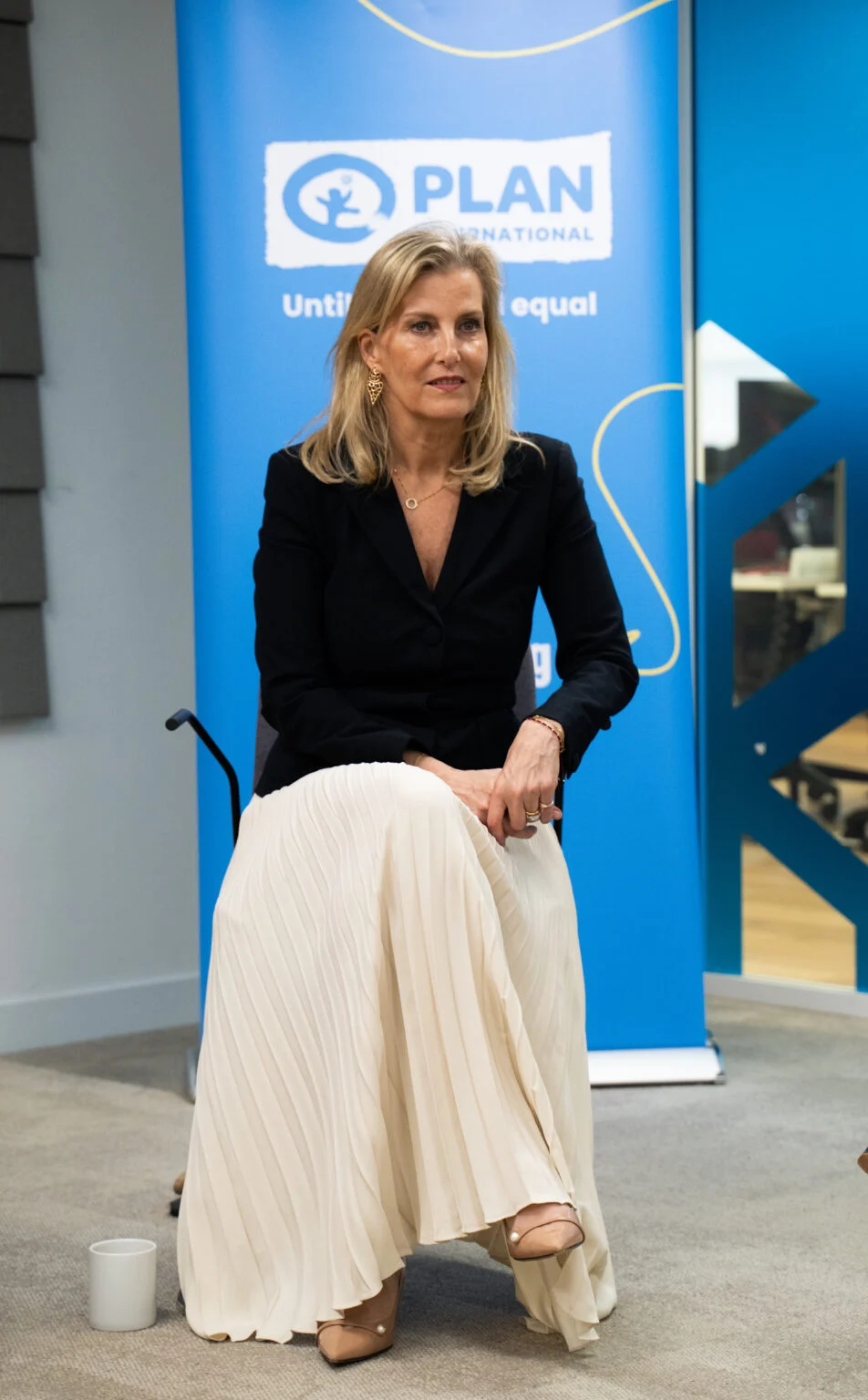
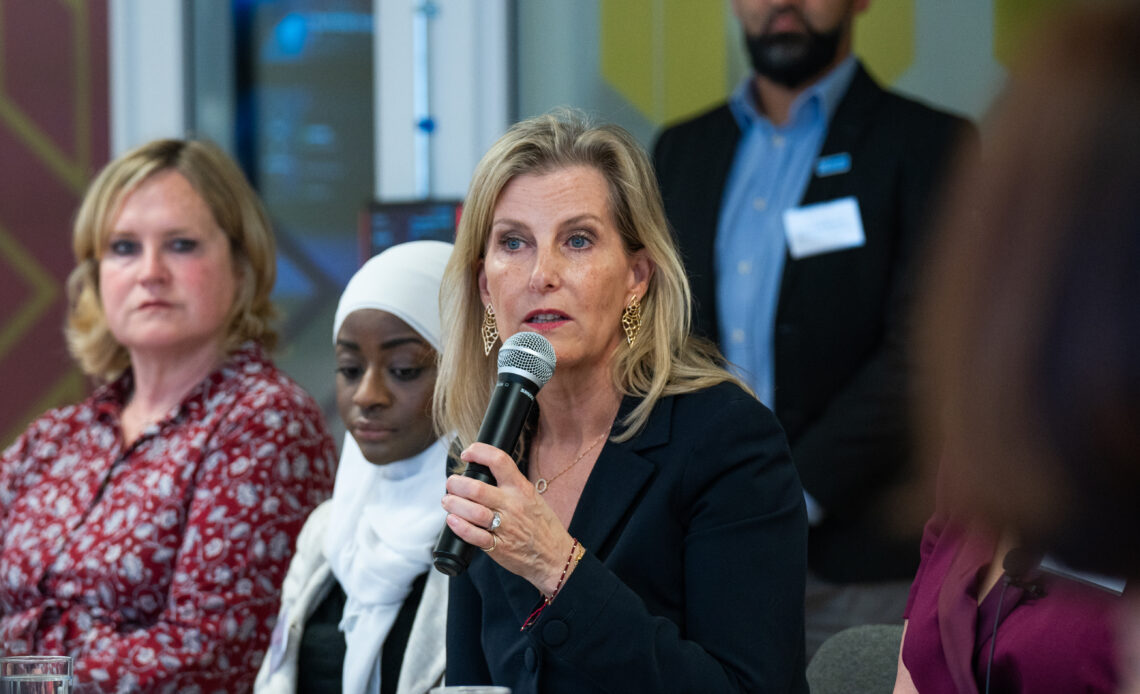
The Duchess of Edinburgh has issued a fervent call for an immediate cessation of hostilities in Sudan, a conflict that has plunged millions into a desperate humanitarian crisis. Her Royal Highness, a dedicated patron of the global children’s charity Plan International UK, participated in a high-level roundtable discussion in London, underscoring the profound and devastating impact of the ongoing war on the Sudanese population. The event, held on the third anniversary of the conflict’s outbreak, served as a critical platform to amplify the voices of those affected and to highlight the urgent need for international intervention and support.
A Royal Voice for a Forgotten Crisis
In her poignant address at the roundtable, the Duchess of Edinburgh did not mince words, stating, "Sudan is reaping the most horrendous human cost on the planet." This stark declaration encapsulates the grim reality faced by an estimated 30 million individuals who are now in dire need of humanitarian assistance. The conflict, which erupted in April 2023, has spiraled into what the United Nations has unequivocally described as the world’s largest humanitarian crisis, characterized by mass displacement, widespread violence, and systemic failures in basic services.
The Duchess’s commitment to the cause is deeply personal and informed. Having visited the Chad/Sudan border in 2024, she has witnessed firsthand the harrowing conditions faced by those fleeing the violence. The roundtable discussion provided an opportunity for her to engage directly with individuals who have experienced the conflict’s brutal realities, gaining invaluable insights into the specific challenges confronting girls and women in Sudan. The figures are staggering: an estimated 12 million people are at risk of gender-based violence, while countless girls are being denied their fundamental right to education, their futures jeopardized by displacement and pervasive insecurity.
Reflecting on her conversations with those impacted, the Duchess shared, "I’ve had the privilege of speaking to women impacted by conflicts from all over the world – but the stories from Sudan are the most harrowing I have ever heard. No human should ever have to encounter such devastation and violence." This profound empathy underscores the human dimension of a conflict often reduced to geopolitical statistics. Her commitment to sustained advocacy was equally clear: "We must not forget about Sudan and I will keep raising my voice where and when I can." This promise signals a dedication to keeping the crisis in the international spotlight, a vital task given the ongoing underreporting and underfunding it faces.
Understanding the Roots of the Conflict: A Chronology of Instability
The current conflagration in Sudan is the culmination of years of political instability and power struggles. The conflict officially began in April 2023, ignited by a bitter power dispute between Sudan’s regular army and the paramilitary Rapid Support Forces (RSF). This animosity stems from a complex history of shifting alliances and military coups.
Key Chronological Milestones:
- 2019: The Sudanese army and the RSF, then allies, collaborated to oust the long-standing authoritarian ruler, Omar al-Bashir. This event ushered in a period of tentative transition towards civilian rule.
- 2021: The fragile civilian-led government was overthrown in a military coup, with the armed forces, led by General Abdel Fattah al-Burhan, consolidating power. This move derailed the democratic aspirations of many Sudanese citizens.
- Early 2023: Tensions escalated between the Sudanese army, under General al-Burhan, and the RSF, led by General Mohamed Hamdan Dagalo, often referred to as Hemedti. Disagreements emerged over the proposed integration of the RSF into the regular army and the future command structure of the nation’s security forces.
- April 2023: The simmering tensions erupted into open warfare. The army perceived the movement of RSF troops around Sudan as a provocative threat, leading to a rapid escalation of violence that has since engulfed much of the country.
The protracted fighting has resulted in tens of thousands of confirmed deaths, with actual figures likely much higher. The scale of displacement is unprecedented, forcing millions to flee their homes in search of safety, both internally and across borders into neighboring countries like Chad, South Sudan, and Egypt.
The Unfolding Humanitarian Catastrophe: Statistics and Implications
The humanitarian crisis in Sudan is characterized by its sheer magnitude and devastating impact across multiple sectors. The figures paint a grim picture of a nation on the brink:
- 30 Million People in Need of Aid: This staggering number represents a significant portion of Sudan’s population, indicating a pervasive and systemic breakdown of essential services and livelihoods.
- 12 Million at Risk of Gender-Based Violence: The conflict has exacerbated pre-existing vulnerabilities, creating an environment where women and girls are disproportionately targeted. This includes sexual violence, forced marriage, and exploitation, with profound long-term consequences for individuals and communities.
- Mass Displacement: Millions have been forced to abandon their homes, becoming internally displaced persons (IDPs) or refugees. This exodus strains resources in neighboring countries and creates immense hardship for those on the move, often lacking access to food, shelter, and medical care.
- Food Insecurity: The disruption of agricultural production, supply chains, and humanitarian access has led to widespread food shortages. The World Food Programme has warned of a looming famine in many parts of the country, with children being the most vulnerable to malnutrition and its irreversible effects.
- Health System Collapse: Hospitals and health facilities have been damaged, looted, or are inaccessible due to fighting. Essential medicines and medical supplies are scarce, and outbreaks of diseases like cholera and measles are increasingly difficult to control.
- Education Interruption: Millions of children, particularly girls, have had their education severely disrupted or halted altogether. This loss of learning not only impacts individual futures but also hinders the long-term development and recovery of the nation.
The implications of this crisis extend far beyond Sudan’s borders. The regional destabilization, the massive influx of refugees, and the potential for prolonged insecurity pose significant challenges to neighboring countries and the international community. The failure to adequately address the crisis risks creating a generation lost to violence and despair, with lasting repercussions for global peace and stability.
A Call for Solidarity: The Reflection Tree Initiative
At the heart of the roundtable event was an initiative designed to foster a sense of shared humanity and express solidarity with the Sudanese people. Guests were invited to write messages of hope and support on paper leaves, which were then affixed to a symbolic "reflection tree." This act served as a powerful visual representation of collective concern and a commitment to not forgetting Sudan.
The Duchess of Edinburgh’s own message, penned with evident sincerity, read: "Peace is the only option. The people of Sudan are not forgotten." This concise yet potent statement encapsulates the core message of the event: an urgent plea for peace and a reaffirmation of the international community’s moral obligation to remember and support those suffering in Sudan.
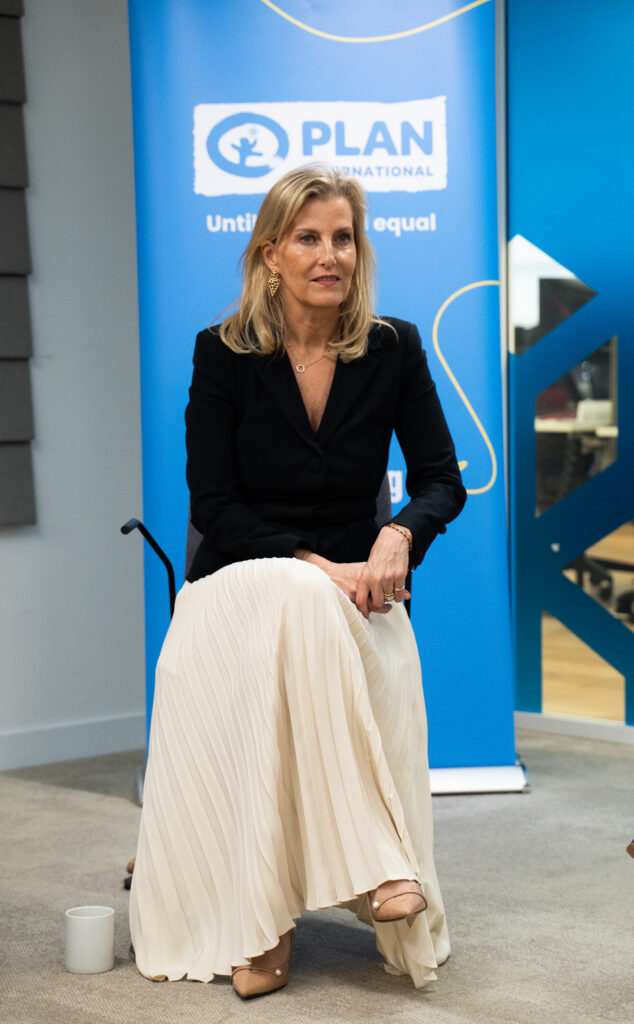
Rose Caldwell, CEO of Plan International UK, emphasized the critical importance of the Duchess’s patronage and the ongoing need for advocacy. "As we mark three years since the start of the conflict, millions of children – especially girls – continue to face immense challenges, from disrupted education to increased risk of violence," she stated. "Despite the scale of this crisis, it remains critically underreported and underfunded. We are honored by The Duchess of Edinburgh’s continued support in helping to shine a light on Sudan and amplify the voices of young people calling for change."
Broader Implications and the Path Forward
The Duchess of Edinburgh’s engagement with the Sudan crisis highlights the critical role that prominent figures can play in drawing attention to forgotten conflicts. Her active participation and powerful statements serve to elevate the issue on the international agenda, potentially influencing diplomatic efforts and humanitarian funding.
The roundtable discussion itself, organized by Plan International UK, underscores the vital work of non-governmental organizations on the ground. These organizations are often the first responders and primary providers of essential services in conflict zones, working tirelessly under perilous conditions to alleviate suffering. Their efforts, however, are consistently hampered by a lack of adequate resources and sustained international attention.
The implications of the ongoing conflict in Sudan are multifaceted:
- Regional Instability: The prolonged fighting risks further destabilizing an already volatile region, potentially drawing in neighboring countries and exacerbating existing tensions.
- Humanitarian Burnout: The sheer scale of the crisis and its protracted nature can lead to donor fatigue and a decline in humanitarian aid, leaving millions even more vulnerable.
- Lost Potential: The disruption to education and the psychological trauma inflicted on a generation of children represent an immeasurable loss of human potential that will have long-term consequences for Sudan’s future development.
- Erosion of International Norms: The world’s failure to effectively prevent or resolve such a devastating conflict can embolden aggressors and undermine the principles of international law and human rights.
Moving forward, a multifaceted approach is urgently required. This includes:
- Diplomatic Pressure: Renewed and concerted diplomatic efforts are needed to broker a lasting ceasefire and facilitate a political resolution to the conflict.
- Increased Humanitarian Funding: International donors must significantly increase their financial commitments to address the escalating humanitarian needs.
- Protection of Civilians: All parties to the conflict must be held accountable for protecting civilians and ensuring unimpeded access for humanitarian organizations.
- Support for Girls’ Education: Targeted interventions are crucial to ensure that girls can return to school and continue their education, safeguarding their futures and the future of Sudan.
- Sustained Advocacy: Continued efforts to raise awareness and maintain international focus on the crisis are essential to prevent it from fading from global consciousness.
The Duchess of Edinburgh’s voice, amplified by her royal status and her commitment to Plan International UK, serves as a powerful reminder that the crisis in Sudan is not merely a statistic but a human tragedy demanding urgent and sustained global attention and action. The reflection tree, bearing messages of hope, stands as a testament to the enduring spirit of solidarity and the profound hope for a peaceful resolution to this devastating conflict.



 Jia Lissa
 Yuyun Lusiyani
 Joko Widodo

 Pevita Pearce