
 Lina Irawan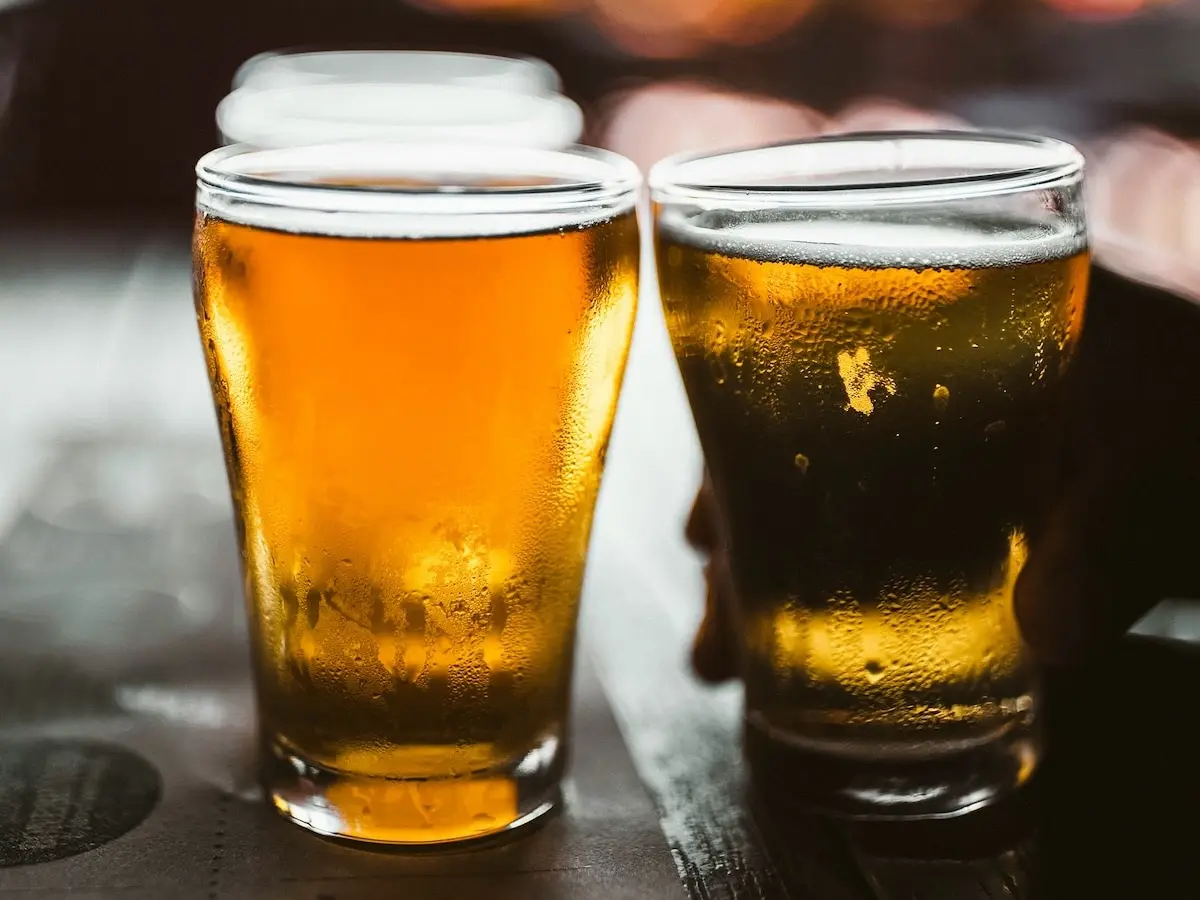
As temperatures rise across the Southern Hemisphere, the Australian beverage market is witnessing a significant shift in consumer preferences, marked by the rapid ascent of the Radler. Traditionally a staple of Central European drinking culture, this hybrid beverage—composed of beer and citrus soda—is carving out a substantial niche among domestic consumers who are increasingly prioritizing refreshment and moderation. While the "ice-cold lager" remains a cultural icon, the heavy caloric load and higher alcohol content of traditional beers are leading many to seek alternatives that facilitate longer social engagements without the associated physical toll.
The Definition and Technical Composition of Radler
The Radler is a biermischgetränk (beer-mixed drink) that traditionally consists of a 50/50 or 60/40 blend of beer and a carbonated citrus lemonade or soda. In its most authentic German form, the base beer is typically a Helles (a pale, malty lager) or a Pilsner. The objective is to create a beverage that retains the foundational characteristics of beer—specifically the bready malt notes and a subtle hop bitterness—while introducing the bright acidity and sweetness of citrus.
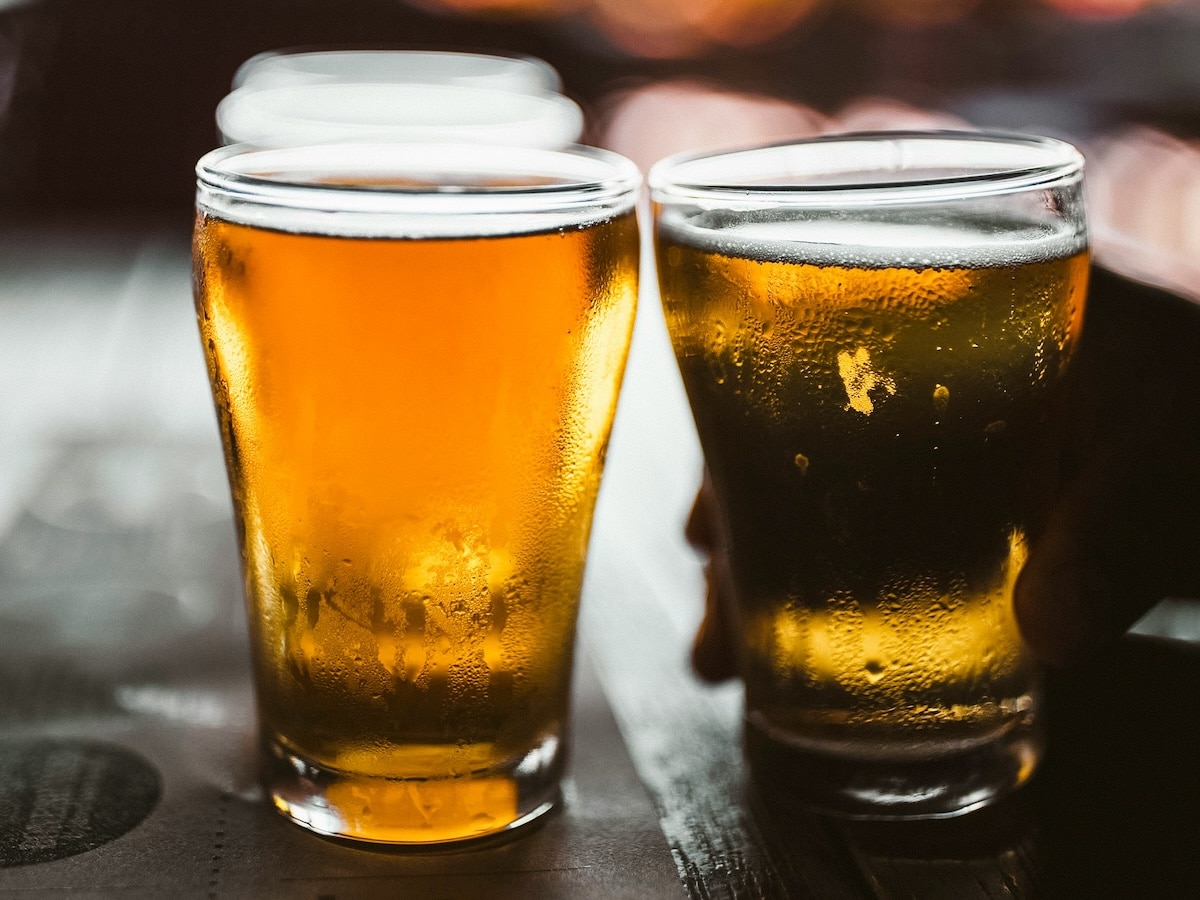
Modern interpretations have expanded this definition significantly. Today, Radlers are brewed using a variety of bases, including wheat beers (Hefeweizen), and flavored with a spectrum of fruits ranging from the traditional lemon to grapefruit, blood orange, and even ginger. Unlike a standard fruit beer, where fruit is often added during the fermentation process to create a complex, integrated flavor, many Radlers are "blended" products, where the fruit component is added post-fermentation to ensure a vibrant, soda-like profile.
Historical Context: The Legend of Franz Xaver Kugler
The origins of the Radler are rooted in the 1920s Bavarian cycling boom. The most widely cited historical account attributes the invention to Franz Xaver Kugler, an innkeeper who operated the Kugler-Alm in Deisenhofen, just outside Munich. According to beer folklore, on a particularly sweltering Saturday in June 1922, thousands of cyclists descended upon Kugler’s establishment via a newly blazed trail through the woods.
Facing an imminent shortage of beer, Kugler allegedly improvised by mixing his remaining supply of lager with lemon soda. He marketed the concoction as "Radlermass"—with "Radler" meaning cyclist and "Mass" referring to the traditional liter-sized glass. Kugler claimed the drink was specifically designed to prevent cyclists from becoming too intoxicated to complete their journey home. While historians have noted that beer-and-soda mixtures likely existed in various forms across Germany and England (as the "shandy") prior to 1922, Kugler’s marketing genius solidified the "Radler" name and its association with outdoor activity and moderation.

Chronology of the Style’s Evolution
- Late 19th Century: Mixed beer drinks gain popularity in British pubs as "shandygaffs," typically a mix of ginger ale and beer.
- 1922: The legendary creation of the Radlermass at the Kugler-Alm in Bavaria.
- 1970s-80s: Commercial bottling of Radlers begins in Germany, allowing the style to move from the pub to the grocery shelf.
- 2000s: German exports like Schöfferhofer Grapefruit begin to penetrate international markets, introducing the US and Australia to the wheat-beer-based Radler.
- 2015-Present: The global "No-Lo" (No and Low alcohol) movement accelerates. Craft breweries begin experimenting with "brewed" Radlers rather than simple blends, using high-quality fruit purees and sophisticated hop profiles.
Market Analysis: The Rise of "Mindful Drinking"
The growth of Radler in Australia is not an isolated phenomenon but rather a reflection of broader global trends in the beverage industry. Data from market research firms, such as IWSR Drinks Market Analysis, indicates that the "no-and-low" alcohol category is expected to grow at a compound annual growth rate (CAGR) of over 7% globally through 2026.
In Australia, this trend is driven by several factors:
- Health Consciousness: Consumers are increasingly wary of the "empty calories" found in high-ABV beers and sugary pre-mixed spirits.
- Social Longevity: The lower Alcohol by Volume (ABV)—typically between 2% and 4%—allows for "sessionability," enabling consumers to enjoy multiple drinks over a long afternoon without excessive impairment.
- Flavor Profiles: The modern palate is moving toward "spritz" styles—drinks that are light, effervescent, and possess a balance of sweet and tart.
Radler vs. Shandy: A Technical Distinction
While often used interchangeably, "Radler" and "Shandy" represent different regional and technical lineages. The Shandy is a British term, traditionally a mix of lager or ale with ginger beer or lemonade. In the Australian context, a "shandy" has historically been a pub-poured mix of draught lager and Sprite or 7-Up.
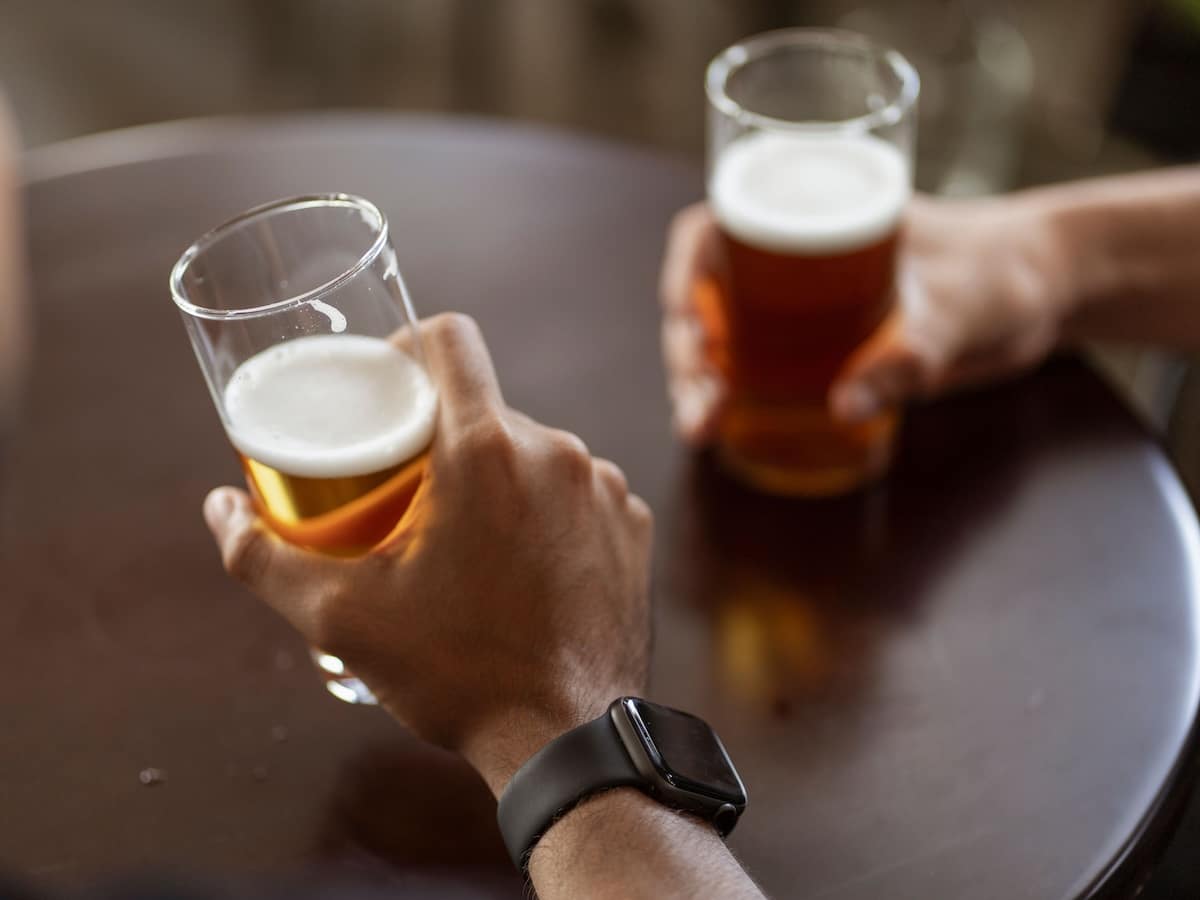
The Radler, however, carries a more specific German connotation. It almost exclusively uses lager (or wheat beer) and is increasingly treated as a distinct "style" by craft brewers who integrate the citrus elements during the production process. For instance, whereas a shandy is a 50/50 physical mix in a glass, a modern craft Radler might be brewed with citrus peel in the kettle or fruit puree in the bright tank, resulting in a more cohesive and less sugary beverage.
Leading Radler Offerings in the Australian Market
As the style gains traction, several domestic and international brands have emerged as leaders in the category.
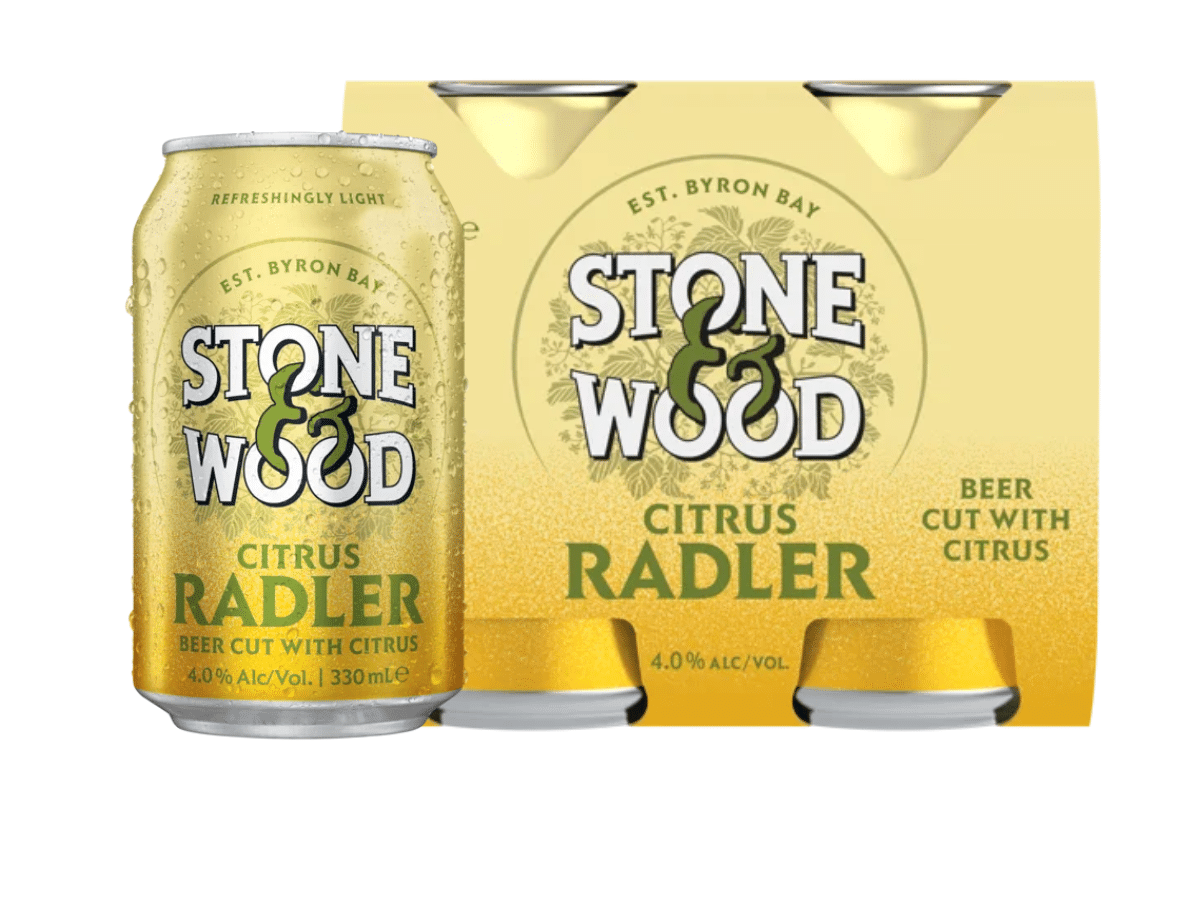
1. Stone & Wood Citrus Radler (4% ABV)
Byron Bay’s Stone & Wood has been instrumental in legitimizing the style for craft beer enthusiasts. Their Citrus Radler is a departure from the 2% ABV European norm. It is brewed with pale malts and Australian Galaxy hops. The brewery adds lemon puree during the boil and natural orange and grapefruit flavors post-fermentation. This results in a 4% ABV drink that retains a significant beer "backbone" while offering a sophisticated citrus profile.
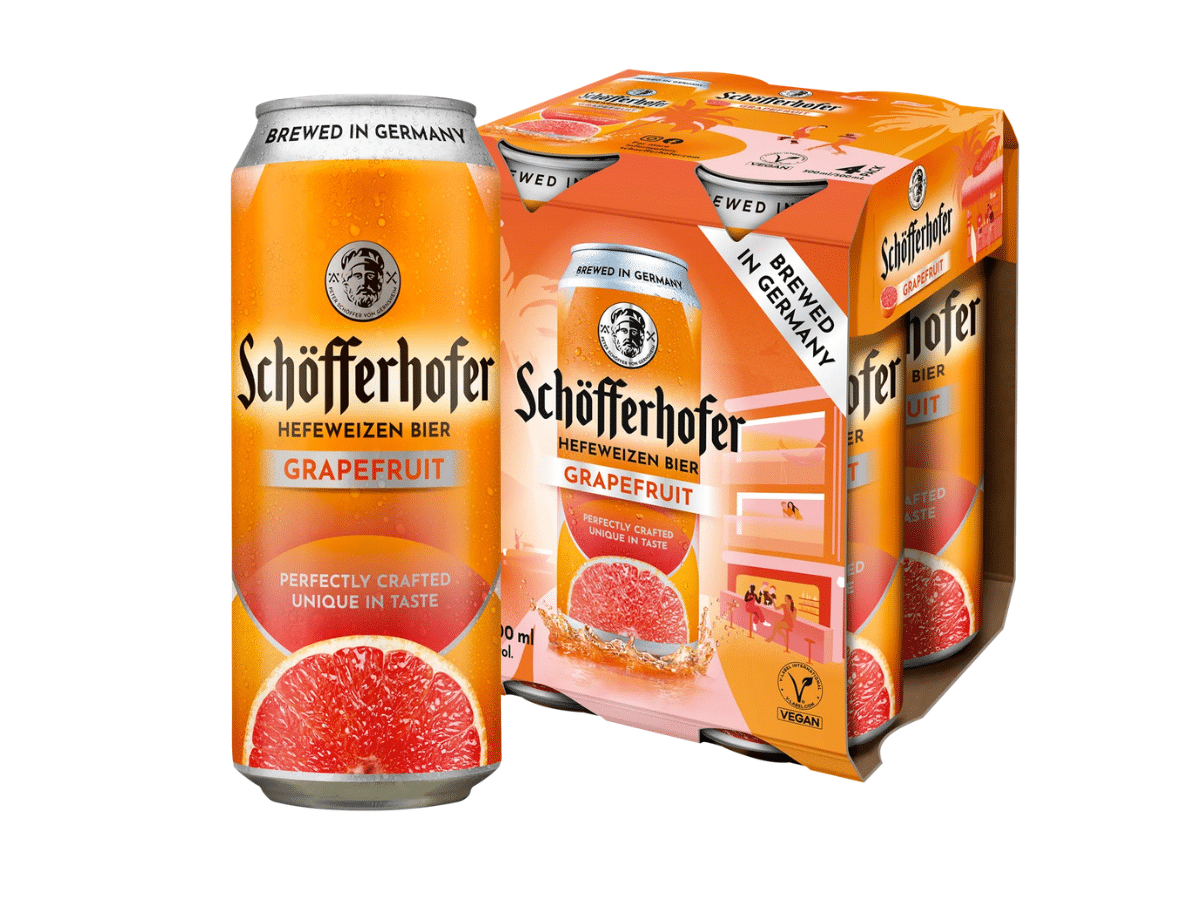
2. Schöfferhofer Grapefruit Radler (2.5% ABV)
This German import is often credited with sparking the modern grapefruit beer craze. Unlike most Radlers that use a lager base, Schöfferhofer uses a Hefeweizen (wheat beer). The natural cloudiness of the wheat beer complements the grapefruit juice, creating a silky mouthfeel and a flavor profile that leans more toward a mimosa than a traditional pint.
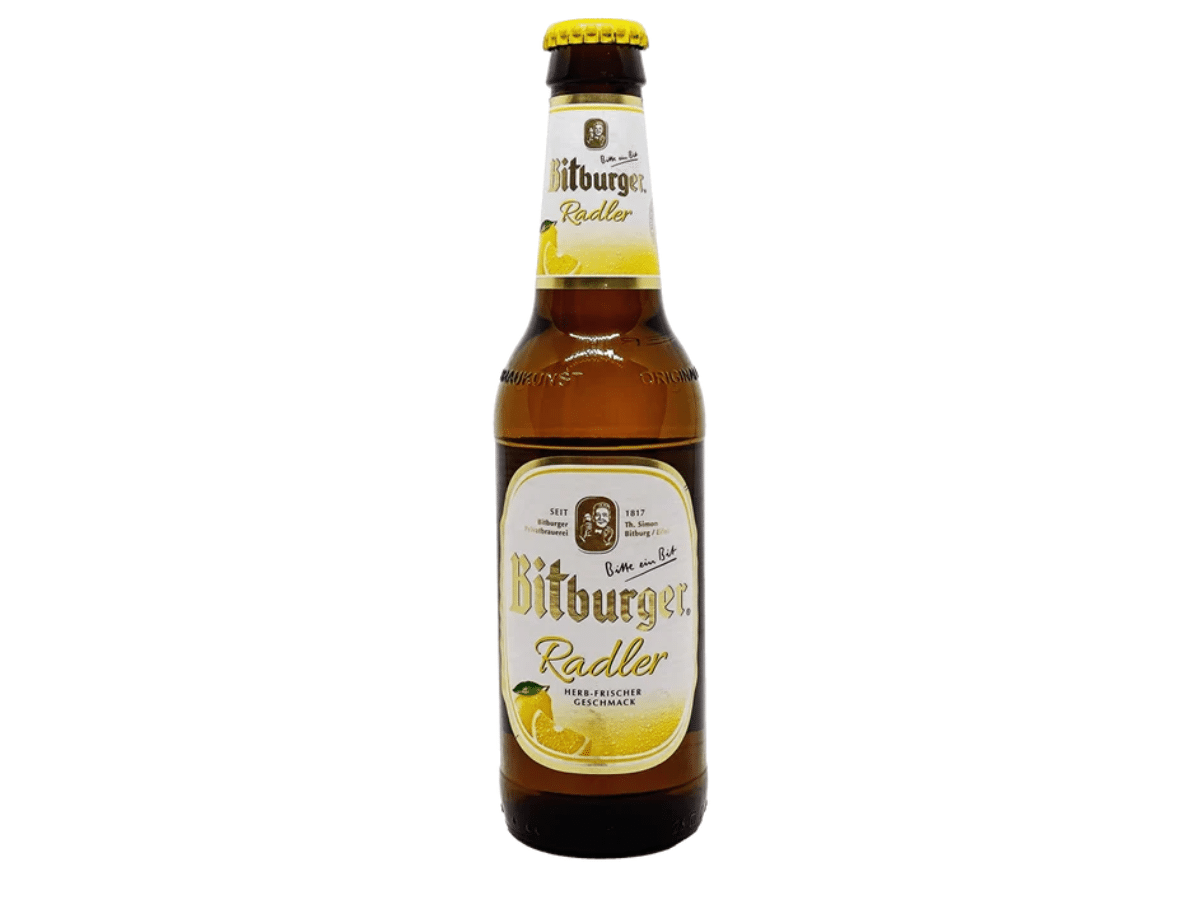
3. Bitburger Radler (2.5% ABV)
For those seeking the traditional German experience, Bitburger is the gold standard. It utilizes a 50/50 mix of Bitburger Premium Pils and lemonade. Because the base pilsner is quite dry and bitter, the resulting Radler is less cloying than its competitors, offering a crisp, clean finish that appeals to traditional lager drinkers.
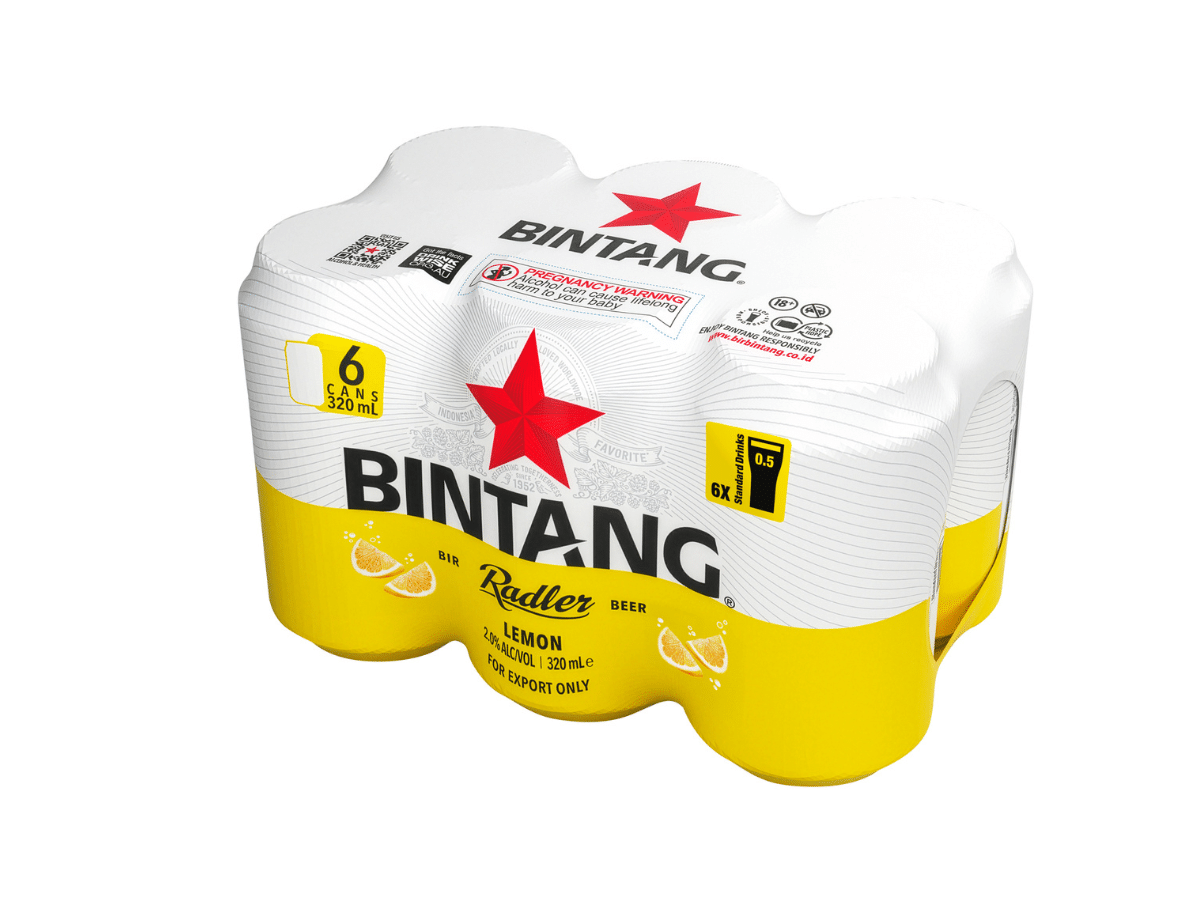
4. Bintang Radler (2% ABV)
A favorite of Australians traveling to Indonesia, Bintang Radler has become a staple in domestic liquor stores. It is a highly accessible, low-ABV option that prioritizes sweetness and a dominant lemon flavor. At 2% ABV, it serves as an ideal entry point for non-beer drinkers.
5. Chuck & Son’s Touring Radler (4% ABV)
A newer entrant from the Sydney craft scene, Chuck & Son’s Touring Radler won a bronze medal at the 2025 Australian International Beer Awards. This version is notable for its inclusion of ginger juice alongside citrus, providing a subtle heat that cuts through the sweetness of the malt.
6. Paulaner Grapefruit Radler (2.5% ABV)
Available through major retailers like ALDI, Paulaner offers a value-driven authentic Munich Radler. It is characterized by its large 500mL format and a juicy, fruit-forward profile that minimizes hop bitterness.
Broader Implications for the Brewing Industry
The proliferation of Radlers suggests a permanent shift in the brewing landscape. Major breweries are no longer viewing low-alcohol mixed drinks as "fringe" products. Instead, they are becoming essential components of a diversified portfolio.
Industry analysts suggest that the Radler serves as a crucial "bridge" product. It attracts younger consumers who may be moving away from hard seltzers but find traditional IPAs or stouts too aggressive. Furthermore, it provides an "exit ramp" for older consumers who wish to remain in the beer category but are reducing their alcohol intake for health reasons.
From a production standpoint, Radlers offer breweries a way to manage seasonal fluctuations. The high demand for these drinks in summer allows breweries to utilize their fermentation capacity for lighter, quicker-turning lagers that are then blended, increasing overall throughput during peak periods.
Summary of Consumer Advice
For consumers looking to explore the category this summer, experts recommend serving Radlers as cold as possible—ideally between 2°C and 4°C. While they are excellent directly from the can or bottle, pouring them into a glass can help release the aromatic citrus oils.
As the Australian summer approaches, the Radler stands as a testament to the evolution of beer culture—a blend of 1920s German tradition and 21st-century health trends. Whether it is the artisanal, ginger-infused versions from Sydney or the classic pilsner blends from the heart of Bavaria, the Radler is poised to be the defining beverage of the season.
Frequently Asked Questions
Is Radler gluten-free?
Generally, no. Because the base of a Radler is traditional beer made from barley or wheat, it contains gluten. Those with celiac disease or gluten sensitivities should look for specifically labeled gluten-free fruit beers.
How many calories are in a Radler?
A typical 330mL Radler contains between 120 and 150 calories. While the alcohol content is lower, the sugar from the citrus soda or juice adds to the caloric count, often making them comparable to a standard full-strength lager.
Can I make a Radler at home?
Absolutely. The traditional ratio is 50% lager and 50% sparkling lemonade. To elevate the drink, use a high-quality German Pilsner and a lemonade made with real fruit juice rather than artificial flavorings.


 Yuyun Lusiyani
 Ana Megawati
 Joko Widodo
 Eva Lovia
 Jia Lissa
 Pevita Pearce