
 Eva Lovia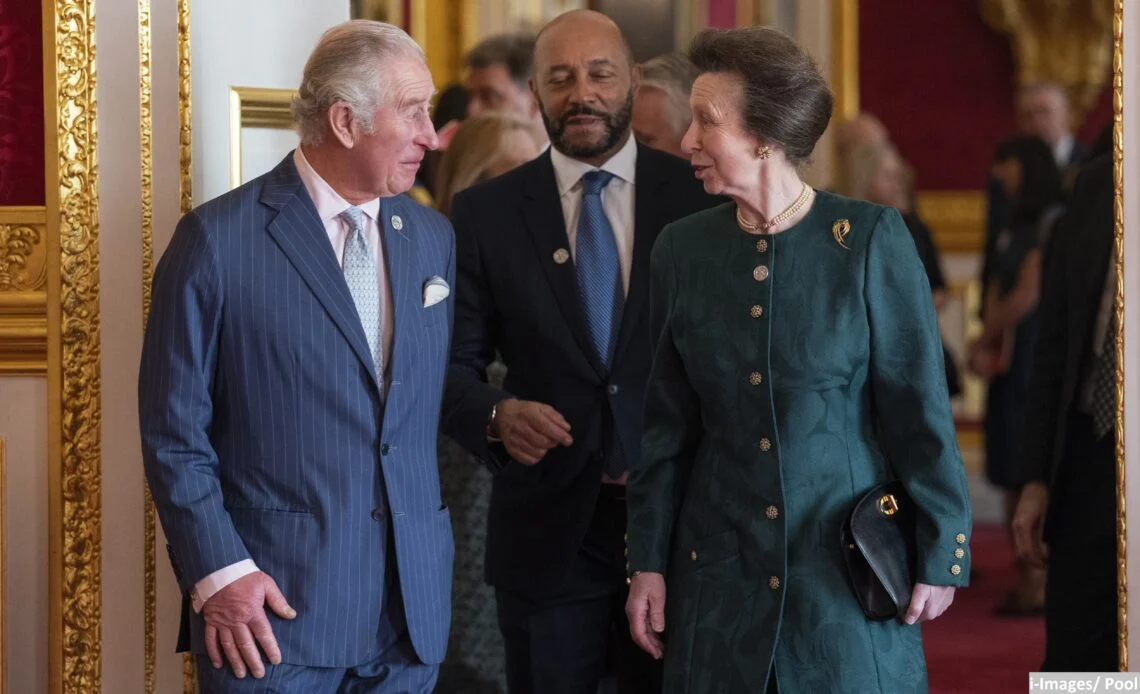
The United Kingdom is poised to commemorate a significant milestone as the Royal Family prepares to honor the centenary of Queen Elizabeth II’s birth on April 20th and 21st. This special anniversary will be marked by a series of carefully planned events, with King Charles III playing a central role and bestowing a particularly poignant duty upon his sister, Princess Anne. The Princess Royal will have the honor of officially opening a new memorial garden dedicated to their late mother, underscoring the personal and familial significance of this occasion.
The centenary events are designed to reflect on the extraordinary life and enduring legacy of Queen Elizabeth II, the longest-reigning monarch in British history. Her 70-year reign, which concluded with her passing in September 2022, left an indelible mark on the nation and the Commonwealth. The planned commemorations aim to offer opportunities for public reflection, historical appreciation, and familial remembrance.
A Garden of Reflection: Princess Anne’s Central Role
On the morning of April 20th, the precise anniversary of Queen Elizabeth II’s birth in 1926, Princess Anne will inaugurate the Queen Elizabeth II Memorial Garden. Located in the picturesque surroundings of Regent’s Park in London, this new garden is envisioned as a tranquil sanctuary for reflection and remembrance. The choice of Regent’s Park holds particular resonance, as it was a place where the young Princess Elizabeth, and later Queen Elizabeth II, spent cherished hours of her childhood. This connection imbues the memorial with a deep sense of personal history and nostalgia, making its unveiling by her daughter a profoundly symbolic gesture.
The establishment of such a garden signifies a lasting tribute, providing a physical space where future generations can connect with the memory of the late Queen. The development of memorial sites often involves extensive planning and consultation, reflecting a collective desire to honor significant historical figures. The creation of this garden is expected to become a focal point for those wishing to pay their respects and contemplate the Queen’s remarkable service.
A Glimpse into a Royal Life: Exhibition Opens
In anticipation of the centenary, King Charles III and Queen Camilla have already visited a compelling new exhibition dedicated to the life and legacy of Queen Elizabeth II. Titled "Queen Elizabeth II: Her Life in Style," the exhibition is currently open to the public at The King’s Gallery, situated in close proximity to Buckingham Palace. This exhibition offers a unique perspective on the monarch’s reign, exploring it through the lens of her personal style and iconic fashion choices.
The exhibition promises to showcase a curated selection of significant items, including the very wedding dress worn by the young Elizabeth and the magnificent Coronation dress that symbolized the beginning of her historic reign. Additionally, visitors will have the opportunity to view the stunning ruby and aquamarine tiaras, designed and worn by the Queen throughout her time on the throne, highlighting her enduring elegance and sophisticated taste. Such exhibitions are invaluable in providing the public with tangible connections to historical figures, allowing for a deeper understanding of their impact and personal journey. The fashion choices of monarchs often reflect the times in which they lived and the evolving role of royalty, making this exhibition a particularly insightful exploration of Queen Elizabeth II’s public and private persona.
National Memorial Plans Unveiled
The morning of the anniversary, April 20th, will also see members of the Royal Family convene to receive updates on the ongoing development of the national memorial dedicated to Queen Elizabeth II. This significant undertaking, designed to commemorate her life and reign, is being spearheaded by renowned designer Lord Norman Foster. The Royal Family will be briefed on the latest plans and the progress of this ambitious project.
The national memorial is intended to be a comprehensive tribute, encompassing artistic contributions from a diverse range of experts. The involvement of Lord Foster, a globally recognized architect, suggests a design that is both visionary and enduring, aiming to create a landmark that will stand as a testament to the Queen’s unparalleled service. The inclusion of art from various specialists indicates a multi-faceted approach, likely incorporating elements of sculpture, landscaping, and potentially digital or interactive components, designed to engage visitors and convey the breadth of the Queen’s impact. The development of such national memorials often reflects a society’s gratitude and recognition of significant contributions, serving as a focal point for collective memory and national identity.
A Celebration of Longevity and Service
Later on April 20th, the Royal Family will join King Charles III and Queen Camilla at Buckingham Palace for a special reception. This gathering will serve a dual purpose: to mark the centenary of Queen Elizabeth II’s birth and to celebrate other centenarians. In a touching gesture, King Charles will personally present royal cards to individuals who are also celebrating their 100th birthdays in the current year.
This inclusion of other centenarians underscores a broader theme of longevity and a life well-lived, drawing a parallel between the Queen’s extraordinary lifespan and the achievements of individuals who have also reached this remarkable milestone. The royal card, a tradition signifying a monarch’s acknowledgement of significant birthdays, becomes a symbol of shared celebration and recognition. It highlights the personal touch that the monarchy can offer, extending its reach beyond formal duties to connect with the personal achievements of its subjects. This reception offers a unique opportunity for intergenerational connection and a shared reflection on the passage of time and the enduring spirit of individuals.
Historical Context and Significance
Queen Elizabeth II was born on April 21, 1926, at 17 Bruton Street, Mayfair, London. Her accession to the throne in 1952 marked the beginning of an era of unprecedented change and development for the United Kingdom and the Commonwealth. Throughout her reign, she was a constant presence, a symbol of stability and continuity through periods of immense social, political, and technological transformation. Her dedication to duty and her unwavering commitment to public service earned her widespread respect and admiration across the globe.
The centenary of her birth presents an opportunity for national reflection on the profound impact of her reign. Her ability to adapt and evolve with the times, while maintaining a deep sense of tradition, was a hallmark of her leadership. The events planned for April 20th and 21st are therefore not merely commemorative; they are designed to engage the public with the Queen’s story, her values, and her enduring influence. The focus on a memorial garden, a historical exhibition, and a national monument reflects different facets of remembrance – personal, stylistic, and monumental.
Supporting Data and Background
- Queen Elizabeth II’s Reign: 70 years and 214 days, the longest of any British monarch and the second-longest verifiable reign of any monarch of a sovereign country in history.
- Birth Date: April 21, 1926.
- Accession Date: February 6, 1952.
- Coronation Date: June 2, 1953.
- Key Milestones: Silver Jubilee (1977), Golden Jubilee (2002), Diamond Jubilee (2012), Platinum Jubilee (2022).
- Public Perception: Consistently ranked as one of the most admired women in the world, with high approval ratings throughout her reign.
The planning and execution of these centenary events are a testament to the enduring affection and respect held for Queen Elizabeth II. The involvement of key members of the Royal Family, particularly King Charles and Princess Anne, ensures that the commemorations are both official and deeply personal. The exhibition at The King’s Gallery, by focusing on "Her Life in Style," offers a relatable and accessible entry point for understanding the Queen’s public image and her role as a fashion icon. This approach can resonate with a broad audience, transcending traditional historical narratives.
The development of the national memorial, under the guidance of Lord Norman Foster, signals a commitment to creating a lasting and significant tribute. The selection of a world-renowned architect suggests a project of considerable scale and ambition, intended to become a landmark of national importance. Such projects often take years to come to fruition, involving extensive consultation with heritage bodies, the public, and architectural experts. The progress updates for the Royal Family indicate that the design and planning phases are well underway.
The reception at Buckingham Palace, with its dual focus on the Queen’s centenary and celebrating other centenarians, adds a layer of human interest and inclusivity. It recognizes that while Queen Elizabeth II’s life was extraordinary, the achievement of reaching 100 years of age is a significant milestone for any individual. King Charles’s personal involvement in presenting the royal cards emphasizes the continuation of royal traditions and the monarchy’s connection with the lives of its subjects.
Broader Impact and Implications
The centenary of Queen Elizabeth II’s birth serves as a moment for national introspection and remembrance. It provides an opportunity for citizens to reflect on the pivotal role she played in shaping modern Britain and the Commonwealth. Her long reign spanned a period of immense global change, from the post-war era to the digital age, and she navigated these shifts with remarkable resilience and grace.
The events are also likely to reinforce the public’s connection with the Royal Family, particularly under the new reign of King Charles III. By actively participating in these commemorations, the King and other senior royals demonstrate their commitment to honoring their predecessors and continuing the traditions of service. Princess Anne’s prominent role in opening the memorial garden is a clear indication of her own dedication and the esteem in which she is held within the family and by the public.
Furthermore, the emphasis on a memorial garden and a national monument highlights the enduring legacy of Queen Elizabeth II. These physical structures will serve as lasting testaments to her life and reign, offering spaces for future generations to learn about and connect with her impact. The exhibitions and receptions provide more immediate opportunities for engagement, allowing the public to celebrate and commemorate this significant anniversary. The success of these events will depend on their ability to engage a wide audience, fostering a sense of shared history and national pride. The thoughtful curation of the events, balancing solemn remembrance with public engagement and personal connection, is crucial for their overall impact.


 Jia Lissa
 Yuyun Lusiyani
 Joko Widodo

 Pevita Pearce