
 Eva Lovia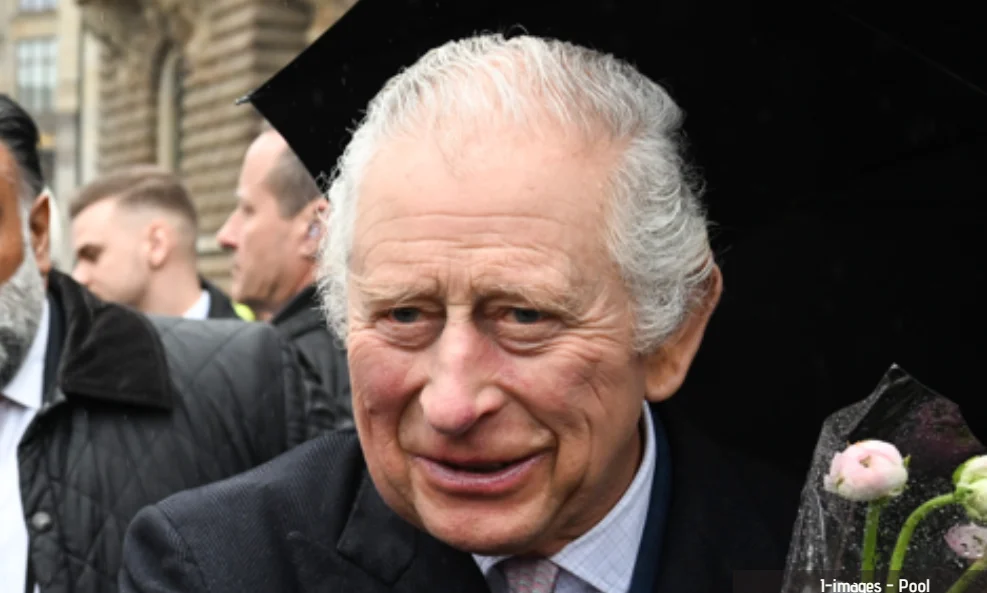
The House of Windsor, a cornerstone of British tradition, is currently navigating a period of subtle yet significant shifts, marked by a series of important events that underscore the evolving nature of the monarchy. While King Charles III is poised to set a personal record in the coming days, the public’s attention is increasingly drawn to the milestones of the younger generation, particularly the transition of Prince George into his teenage years. As the second in line to the throne, Prince George’s upcoming thirteenth birthday on July 22nd marks not just a personal coming-of-age, but a symbolic step towards his future constitutional role. This milestone, occurring amidst a relatively quieter period for official royal engagements, highlights the intricate balance between personal growth and public duty within the modern monarchy.
Prince George: A Teenage Milestone Approaching
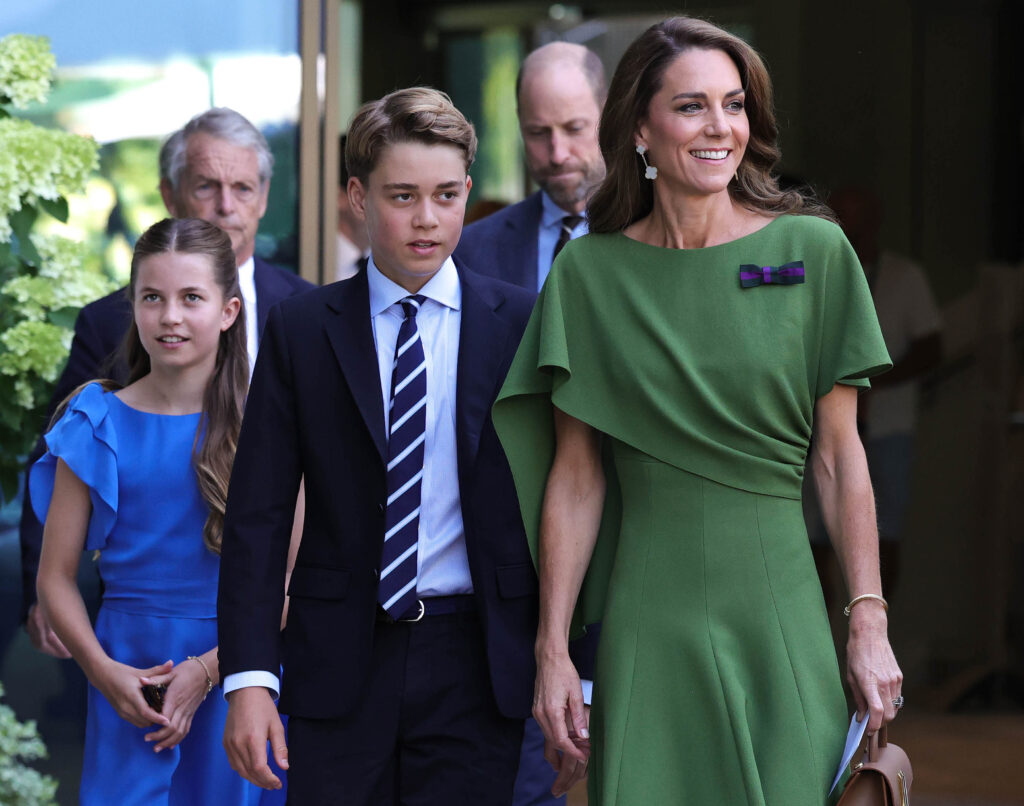
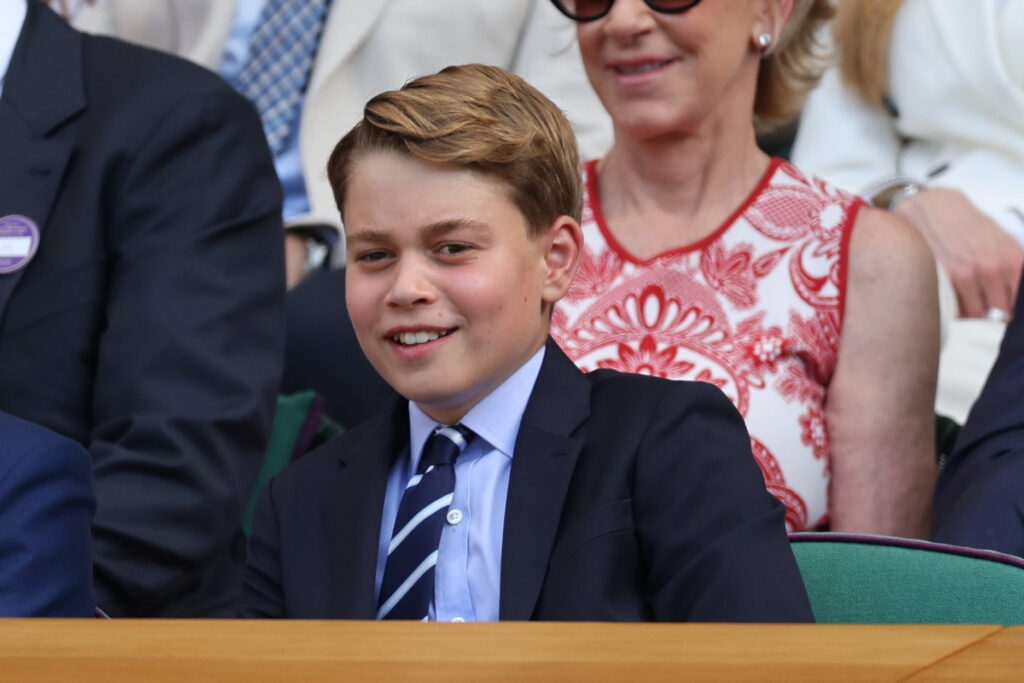
Prince George, already a familiar face who has charmed the public with his appearances at events like Wimbledon, is set to enter his teenage years. His thirteenth birthday signifies a pivotal moment, moving him from childhood towards young adulthood. This transition is mirrored in his educational journey. Having recently completed his prep school and experienced boarding school life, Prince George is now preparing to embark on his secondary education at Eton College. This prestigious institution, renowned for its academic excellence and its tradition of educating future leaders, notably served as the alma mater for his father, the Prince of Wales, who is reported to have cherished his time there.
The choice of Eton College is significant, reflecting a long-standing royal tradition. Both his father and his uncle, Prince Harry, attended the school, underscoring the continuation of a lineage of education and preparation for future roles. Prince George will spend five years at Eton, a period that will undoubtedly shape his development and readiness for the responsibilities that lie ahead. By the time he concludes his studies at eighteen, he will be legally capable of acting as a Counsellor of State, able to deputise for the Monarch in specified circumstances, a role that requires maturity and understanding of constitutional duties. This impending capability underscores the profound significance of his thirteenth birthday, acting as a gentle prelude to the more substantial constitutional responsibilities he will one day assume.
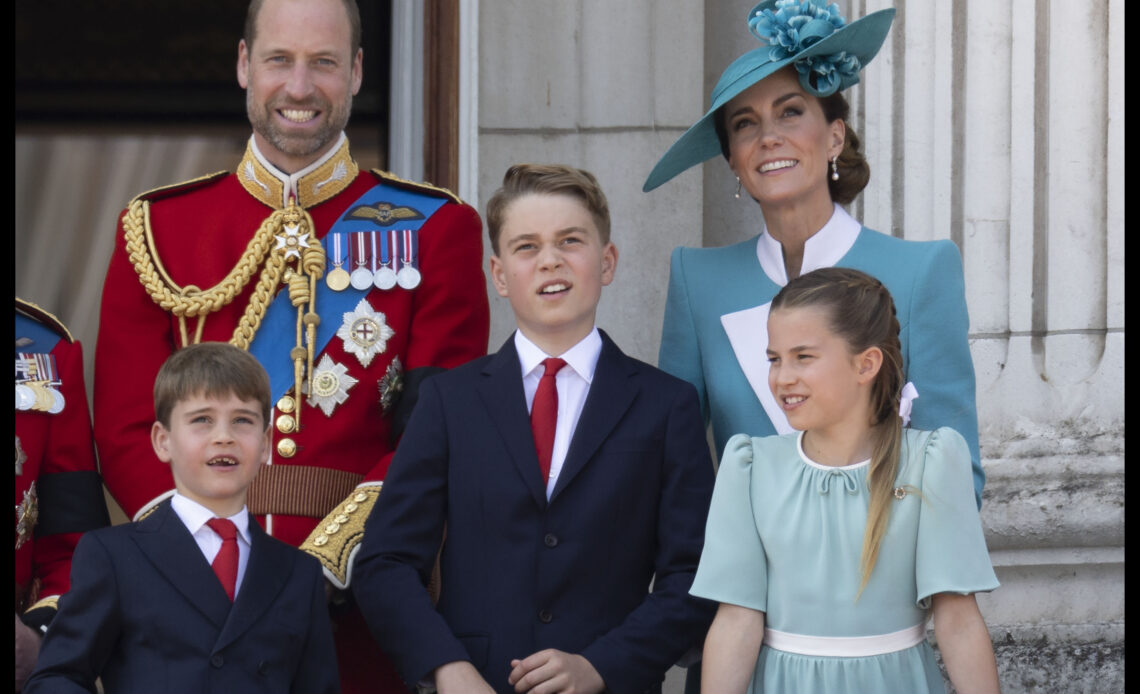
The progression from youngster to young adult within the royal context carries immense weight. It signifies a gradual but discernible shift in his public persona and the expectations placed upon him. While the exact nature of his thirteenth birthday celebrations remains private, it is anticipated that new photographs will be released, a tradition consistently upheld by the Prince and Princess of Wales. Given the meticulous planning often associated with these releases, it is plausible that such images have already been captured, perhaps even including a wider family portrait to commemorate this special occasion. This visual documentation serves not only to mark the personal milestone but also to offer the public a glimpse into the evolving face of the future monarchy.
Royal Birthdays: A Blend of Personal Celebration and Public Engagement
The focus on Prince George’s birthday arrives shortly after Queen Camilla celebrated her own milestone, turning seventy-nine on July 17th. The release of a birthday portrait for Queen Camilla, a tradition that has become a cherished aspect of royal communications, was accompanied by a thoughtful initiative that subtly underscored her commitment to public service and her personal passions. Buckingham Palace announced that every Year 6 child in the United Kingdom would receive a free reading book at Christmas, an initiative directly linked to Queen Camilla’s long-standing advocacy for literacy.
This dual approach – a personal celebration combined with a tangible public benefit – exemplifies a modern interpretation of royal duty. It demonstrates a conscious effort by the monarchy to connect with the public on issues of importance, moving beyond mere ceremonial representation. Queen Camilla’s consistent engagement with literacy programs, her patronage of numerous charities, and her active role in supporting the King demonstrate a proactive approach to her position. Her upcoming eighty-first birthday will undoubtedly see further engagement with her philanthropic endeavours, continuing a pattern of impactful contributions.
The tradition of releasing official photographs to mark significant royal birthdays has been embraced by the Royal Family in recent years, providing accessible and positive content for the public. These images offer a window into the lives of the royals, fostering a sense of connection and continuity. The public response to these releases is generally positive, reinforcing the value of such communications in maintaining public engagement with the monarchy.
King Charles III: Navigating Constitutional Waters Amidst Political Transitions
While the public narrative may be captivated by personal milestones and evolving royal personas, the practicalities of constitutional monarchy continue to unfold behind the scenes. King Charles III is set to preside over a significant constitutional event on July 20th, 2026, when he will formally receive the resignation of Sir Keir Starmer as Prime Minister. This follows a hypothetical scenario where Sir Keir Starmer, after winning a substantial majority in a General Election two years prior, would have concluded his tenure. The circumstances leading to his resignation, as posited, relate to potential internal party dynamics rather than a lack of electoral success.
This event will mark the fourth time in less than four years that King Charles III has been required to invite a new Prime Minister to form a government, a frequency that stands in contrast to the lengthy premierships often associated with his mother, Queen Elizabeth II. During her reign of over seventy years, the late Queen welcomed only fifteen Prime Ministers. King Charles III’s experience, therefore, represents a significantly higher rate of governmental change, a testament to the dynamic nature of contemporary British politics.
Following Sir Keir Starmer’s resignation, King Charles III will then invite Mr. Andy Burnham, who would have recently returned to parliamentary service and now leads the Labour Party with a commanding majority in the House of Commons, to form a new administration. This process, known as "kissing hands," is a formal ceremony where the incoming Prime Minister accepts the monarch’s invitation to govern. While traditionally this involved a physical act of kissing the monarch’s hand, modern practice has evolved to a more representative handshake. Furthermore, King Charles III has reportedly dispensed with the practice of showing the incoming Prime Minister bowing in official photographs, a subtle shift possibly influenced by past experiences, such as the widely discussed interaction with former Prime Minister Liz Truss.
This recurring constitutional duty, while perhaps less visually engaging than a birthday portrait, is fundamental to the functioning of the United Kingdom’s parliamentary democracy. It highlights the monarch’s crucial, albeit largely symbolic, role in the peaceful transfer of power and the continuity of government. The King’s ability to navigate these transitions with discretion and adherence to constitutional protocols is a vital aspect of his reign.
Broader Implications: The Evolving Face of Monarchy
The concurrent events of Prince George’s entry into adolescence and King Charles III’s constitutional duties underscore a broader trend within the British monarchy: the need to adapt and remain relevant in the 21st century. Prince George’s journey from a charming child to a future monarch is being shaped by a modern approach that blends tradition with contemporary expectations. His education at Eton, his public appearances, and the careful management of his image all contribute to preparing him for a role that demands both gravitas and relatability.
Queen Camilla’s initiatives, such as the reading book program, illustrate a strategic approach to royal engagement, demonstrating that public service can be integrated seamlessly with personal celebrations. This focus on tangible contributions and advocacy for important causes resonates with a public that increasingly values authenticity and impact.
King Charles III’s experience with frequent changes in Prime Ministers, while perhaps a personal challenge, also highlights the monarchy’s enduring role as a stable presence amidst political flux. The adherence to constitutional procedures, even in rapidly changing political landscapes, reinforces the monarchy’s foundational importance.
Ultimately, the narrative surrounding the House of Windsor in this period is one of evolution. The subtle shifts in tradition, the emphasis on public engagement, and the careful preparation of future heirs all point towards a monarchy that is consciously adapting to maintain its relevance and appeal. The public’s fascination with personal milestones, like Prince George’s birthday, coexists with an underlying appreciation for the constitutional stability that the monarchy provides, a delicate balance that the Royal Family continues to navigate with considerable skill. The coming years will undoubtedly see further developments as Prince George matures and King Charles III continues to define his reign, shaping the future of the British monarchy for generations to come.


 Yuyun Lusiyani
 Ana Megawati
 Jia Lissa
 Pevita Pearce
 admin
admin