
 Amara Maple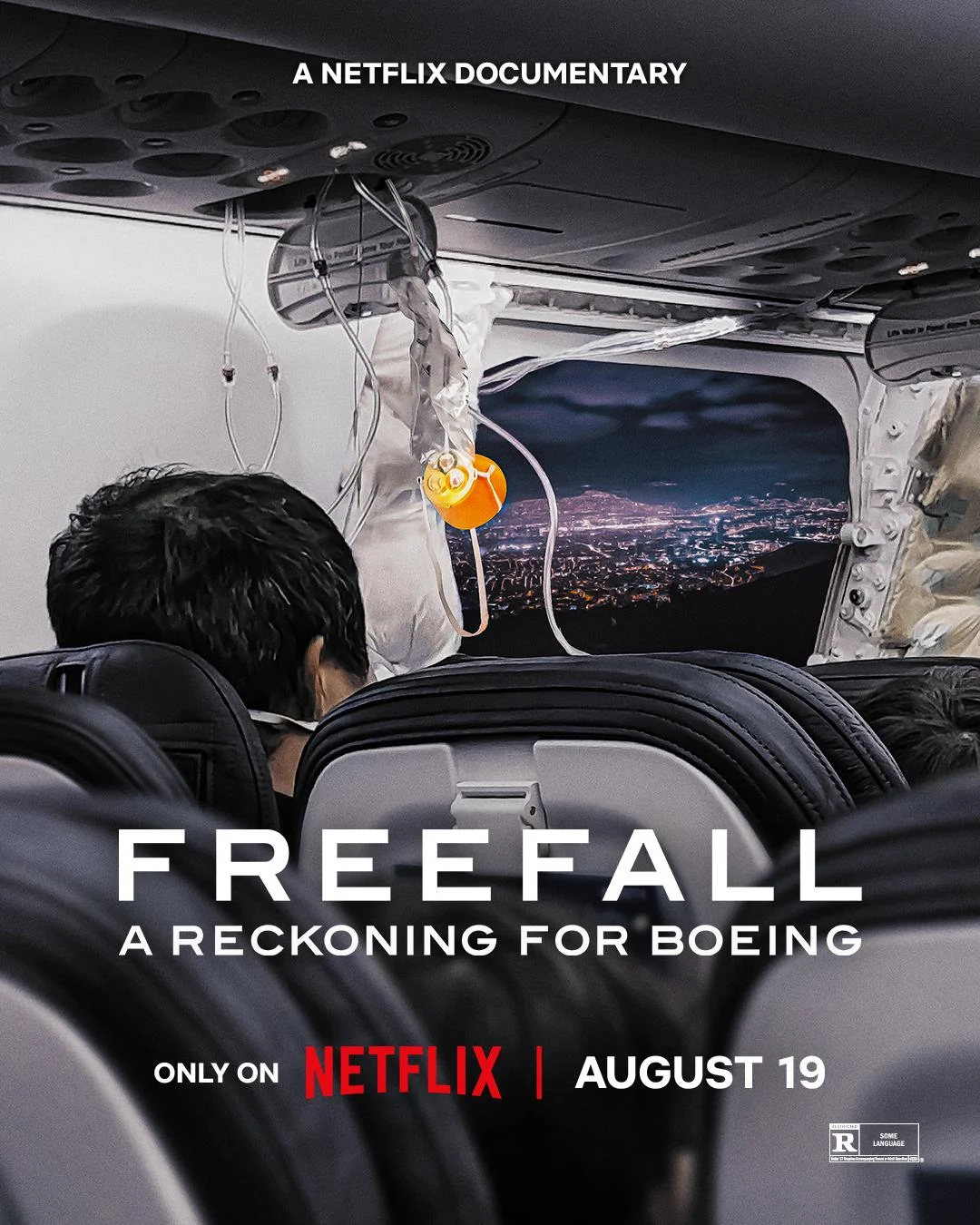
In March 2024, John Barnett, a former quality manager and outspoken whistleblower for Boeing, was found dead in his truck at a hotel in Charleston, South Carolina. His death occurred amidst a break in depositions for a whistleblower retaliation lawsuit he had filed against the aerospace giant. This tragic event has cast a long shadow over Boeing’s ongoing struggles with safety and quality control, bringing renewed scrutiny to the company’s corporate culture and the perils faced by those who dare to speak out.
The Untimely Death of a Whistleblower
John Barnett, 62, had dedicated decades of his life to Boeing, retiring in 2017 after 32 years of service, primarily at the company’s North Charleston, South Carolina, plant where he worked on the 787 Dreamliner. In the years leading up to his death, Barnett had become a prominent figure in raising serious concerns about production standards at Boeing, alleging that the company prioritized speed over safety, leading to critical quality control lapses.
At the time of his death, Barnett was engaged in an AIR21 whistleblower retaliation lawsuit against Boeing. The AIR21 Act is a federal law designed to protect aviation industry employees who report safety violations. Barnett’s legal team, led by attorneys Brian Knowles and Rob Turkewitz, were conducting depositions in Charleston. According to an email from Brian Knowles to Corporate Crime Reporter at the time, Barnett was scheduled for his third day of deposition.
"Today is a tragic day," Knowles wrote. "John had been back and forth for quite some time getting prepared. The defense examined him for their allowed seven hours under the rules on Thursday. I cross-examined him all day yesterday (Friday) and did not finish. We agreed to continue this morning at 10 a.m. (co-counsel) Rob (Turkewitz) kept calling this morning and his (Barnett’s) phone would go to voicemail. We then asked the hotel to check on him. They found him in his truck dead from an ‘alleged’ self-inflicted gunshot. We drove to the hotel and spoke with the police and the coroner." The Charleston County Coroner’s Office later confirmed Barnett’s death as a suicide, a ruling that has been met with skepticism by his family and supporters, fueling public debate about the pressures faced by whistleblowers.
A Legacy of Warning: Barnett’s Specific Allegations
Barnett’s whistleblowing efforts began years before his death, stemming from his direct observations at the North Charleston plant. He alleged that under pressure to accelerate production, workers at the plant were deliberately fitting substandard parts to aircraft, sometimes even taking parts from scrap bins and installing them on new jets. He claimed that he found metallic shavings near wiring bundles, which could lead to catastrophic failures if ingested by electrical systems, and that efforts to remove these shavings were ignored. Barnett also asserted that the company’s oxygen systems, critical for passenger safety during depressurization, had a failure rate of 25%, indicating that one in four masks might not deploy in an emergency. He contended that managers actively discouraged workers from documenting such defects and even retaliated against those who reported them.
These allegations were not just internal complaints; Barnett had also communicated his concerns to the Federal Aviation Administration (FAA), leading to an FAA review in 2017. While the FAA found that Boeing was taking some corrective actions, Barnett maintained that the underlying issues persisted. His persistent advocacy underscored a fundamental concern: that a revered American industrial icon was compromising its bedrock commitment to safety in pursuit of profit and accelerated delivery schedules.
Boeing’s Troubled Trajectory: A History of Cultural Shift
To fully understand the context of Barnett’s concerns and the broader challenges facing Boeing, one must look back at a pivotal moment in the company’s history: its 1997 merger with McDonnell Douglas. Prior to this, Boeing was largely known for its engineering-first culture, where technical excellence and safety were paramount. Engineers often held significant sway, and the company’s reputation was built on meticulous design and rigorous testing.
However, the merger brought a different corporate philosophy, one heavily influenced by the financial engineering and cost-cutting ethos of McDonnell Douglas. Critics argue that this shift prioritized shareholder value, aggressive production targets, and financial metrics over the traditional engineering-driven approach. This cultural transformation, often referred to as the "Boeingization of McDonnell Douglas" turning into the "McDonnell Douglasization of Boeing," gradually eroded the company’s internal checks and balances, creating an environment where dissent was stifled and quality control processes were streamlined to the point of being compromised.
This change in culture was not immediately apparent to the public but manifested in various production issues and, most tragically, in the two catastrophic crashes of the 737 MAX aircraft.
The Shadow of the MAX Crashes
The Lion Air Flight 610 crash in October 2018 and the Ethiopian Airlines Flight 302 crash in March 2019, which together killed 346 people, brought Boeing’s new corporate culture into stark, global relief. Investigations revealed that a new flight control system, the Maneuvering Characteristics Augmentation System (MCAS), designed to compensate for the MAX’s larger engines, was a primary factor. Crucially, pilots were largely unaware of MCAS, and it relied on a single angle-of-attack sensor, making it vulnerable to malfunction.
These crashes highlighted a profound breakdown in Boeing’s design, certification, and oversight processes, as well as a troubling lack of transparency with regulators and airlines. The ensuing worldwide grounding of the 737 MAX fleet for 20 months represented an unprecedented crisis for the company, costing billions of dollars and severely damaging its reputation. The public outcry and regulatory scrutiny following these events laid bare many of the systemic issues that whistleblowers like John Barnett had been warning about for years.
"Freefall: A Reckoning for Boeing": A Cinematic Investigation
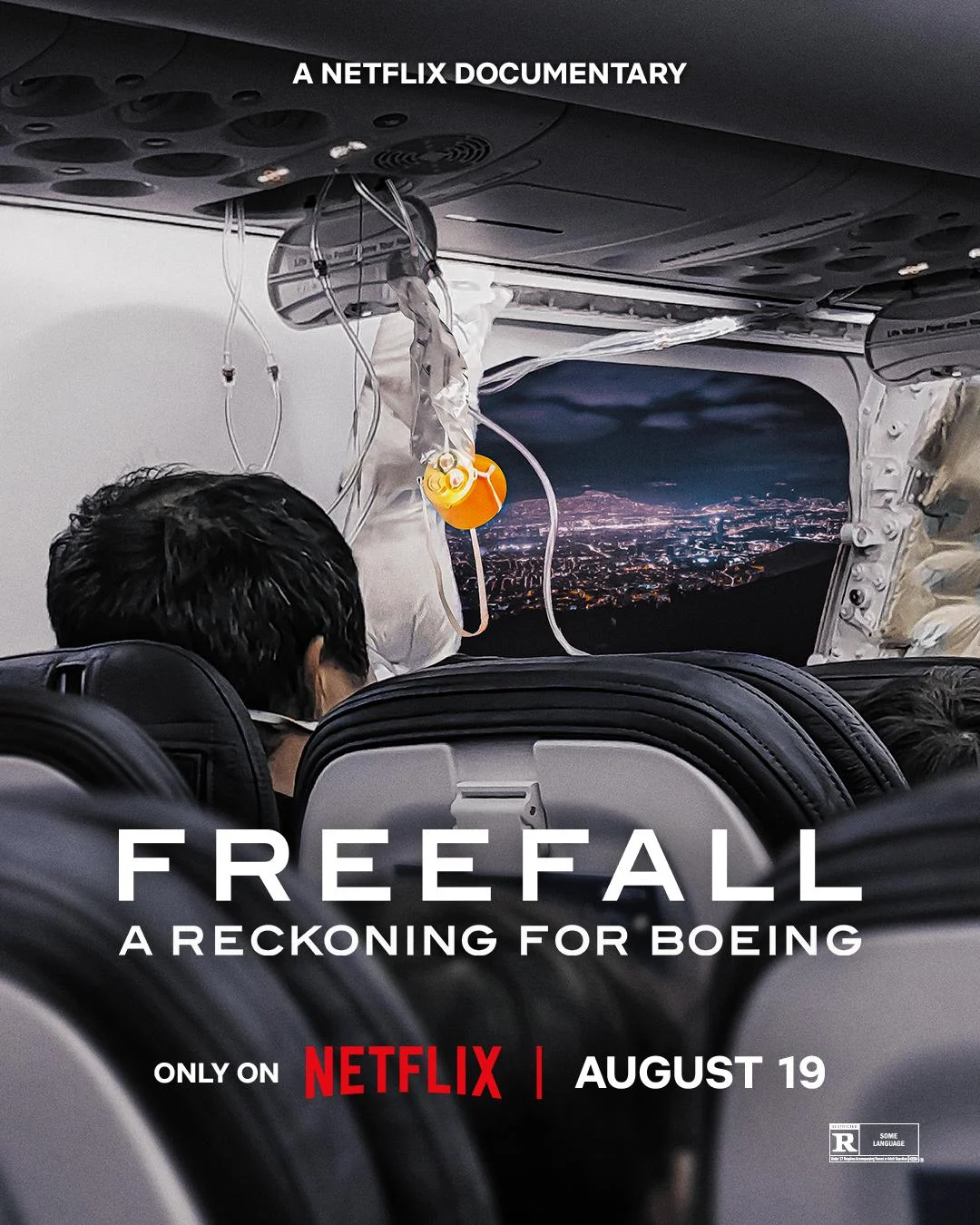
Inspired by John Barnett’s whistleblowing and the ongoing saga at Boeing, documentary filmmaker Rory Kennedy released a new Netflix special, "Freefall: A Reckoning for Boeing," on August 19, 2026. This documentary serves as a follow-up to her 2022 Netflix film, "Downfall: The Case Against Boeing," which focused on the 737 MAX crashes.
"Freefall" takes a deep dive into the once-iconic aviation giant, uncovering new revelations and capturing voices from inside Boeing, including powerful testimony from whistleblowers and regulators who have risked everything to unveil the deteriorating safety standards and chaotic conditions within the company. The film delves into concerns surrounding Boeing aircraft following a series of shocking incidents, including the catastrophic door plug blowout on Alaska Airlines Flight 1282 in January 2024, which occurred just two months before Barnett’s death.
The Alaska Airlines incident, where a door plug detached mid-flight shortly after takeoff, forced an emergency landing and reignited public fears about Boeing’s manufacturing quality. Investigations by the National Transportation Safety Board (NTSB) revealed that the door plug was missing four critical bolts, pointing to a profound lapse in production control at Boeing and its supplier, Spirit AeroSystems. "Freefall" uses such incidents to underscore Boeing’s broken promises to enhance safety and increase transparency, shining a light on the fight for justice by the families of the 737 MAX crash victims and paying tribute to the extraordinary courage of those who continue to challenge the industry’s most formidable giant.
The documentary features interviews with John Barnett’s attorneys, Brian Knowles and Rob Turkewitz, offering intimate insights into Barnett’s character and the legal battles he waged.

Legal Battles and Lingering Questions
Brian Knowles, in an interview with Corporate Crime Reporter on the day "Freefall" premiered, provided an update on Barnett’s legal cases. "The first was the AIR21 Whistleblower Protection case with the Department of Labor administrative law judges," Knowles stated. "That was resolved for an undisclosed sum. Then there was a follow-up case we filed in federal court in South Carolina against Boeing alleging a wrongful death and abuse of process. We are consummating the settlement in that case. We still have to get court approval."
The settlement of the wrongful death case, even if not directly attributing blame for Barnett’s passing, signifies an acknowledgment of the immense pressure and suffering he endured. Rob Turkewitz, Barnett’s co-counsel, is quoted in the documentary as asserting that while Boeing might not have "pulled the trigger," the company nonetheless "caused John Barnett’s death" through its alleged retaliation and the stress it inflicted. This statement encapsulates the sentiment that corporate actions, even if not criminal, can have devastating human consequences.
A Cascade of Voices: The Post-Barnett Whistleblower Surge
Perhaps one of the most significant impacts of John Barnett’s death and the subsequent documentary has been the surge in new whistleblowers coming forward. Knowles confirmed this trend: "We started being contacted by dozens and dozens of folks within the aviation industry that had concerns. They were inspired by John and what he had done. He inspired a lot of people to come forward – people who had previously hesitated about coming forward."
This influx of new voices suggests that Barnett’s ultimate sacrifice, whether directly or indirectly, removed a significant barrier for others. "John was an honest person who had a lot of integrity. Those are the characteristics folks who speak up typically have," Knowles explained. "People felt that John Barnett shouldn’t be the only one out there carrying this. If they were seeing issues within the company, they felt compelled to speak out after hearing about what happened to him."
Among the prominent whistleblowers who have emerged are:
- Sam Mohawk: An employee in Renton, Washington, working on the 737 MAX program, who alleged improper storage of damaged or out-of-spec parts, some of which he claimed went missing, potentially ending up on aircraft. His case was resolved, and he remains employed.
- Merle Meyers: A third-generation Boeing employee and long-time quality manager who publicly came forward in April 2024. Meyers discovered corroded 787 landing gear axles that had been scrapped were being put back onto Boeing planes. He now hosts a support group for other whistleblowers.
- Sam Salehpour: A quality engineer who alleged serious defects in the assembly of 787 Dreamliner fuselages, specifically concerns about gaps in fuselage sections that could lead to premature fatigue and structural failure. He testified before Congress, claiming Boeing had ignored his warnings.
- Roy Irvin and Bill Seitz: Other individuals within Boeing and its supply chain who have come forward with concerns about production quality and safety.
These individuals, along with others like Cynthia Kitchens, paint a consistent picture of a company where internal mechanisms for reporting issues are broken, and retaliation against those who speak up is a common experience.
Corporate Accountability and the "Speak Up" Paradox
The documentary portrays Boeing as a company that has seemingly failed to learn crucial lessons from its multiple disasters. The cultural shift from integrity and quality control to slashing costs and prioritizing financial metrics is a recurring theme. Even internal reform efforts, such as Boeing’s "Speak Up" program, designed to provide a safe channel for employees to report concerns, appear to have been ineffective.
Knowles highlighted the failure of this program with Sam Mohawk’s case: "One of his allegations was that he had contacted the Speak Up program, and the case was given to his direct managers – the same people he was complaining about. That’s not the proper or ethical way to handle complaints." This systemic flaw indicates a lack of genuine commitment to fostering an environment where safety concerns can be addressed without fear of reprisal.
The FAA has also significantly increased its oversight, conducting audits of Boeing’s production lines and that of its key supplier, Spirit AeroSystems. Following the Alaska Airlines incident, the FAA placed a cap on Boeing’s 737 MAX production, demanding a comprehensive plan to address its quality control issues. This unprecedented intervention underscores the severity of the problems.
The Path Forward: Rebuilding Trust and Culture
Despite the mounting pressure and adverse publicity, the transformation of Boeing’s corporate culture is not an overnight fix. "It’s not something where the company will just heal and get better overnight and get back on track. It’s a large organization and it’s going to take a lot of strong leadership to turn itself around. It’s going to be a long process," Knowles observed.
Rory Kennedy’s "Freefall" aims to contribute to this process by raising public awareness and pressuring Boeing to enact meaningful change. "I believe one reason she did this was to try and help Boeing correct their problems. I hope this movie helps Boeing get back on track and turn around," Knowles stated. "I don’t want to be constantly receiving calls from people saying they are being retaliated against for raising safety concerns. It’s not a good thing."
The core issue, as articulated by whistleblowers and legal advocates, is the perceived shift away from a diligent, safety-first approach. When dealing with aircraft carrying hundreds of lives, quality and safety must be the absolute top priority. The documentary, and the testimony within it, reinforce the idea that the post-McDonnell Douglas merger culture at Boeing transitioned from "quality and safety to profits over safety," leading to the "stripmining" of the company through financial maneuvers like stock buybacks at the expense of engineering excellence.
Broader Implications for Aviation Safety
Boeing is not just a company; it is a critical component of national infrastructure, a top exporter, and a key player in the defense industry. Its failure to uphold the highest safety standards has far-reaching implications, not only for its employees and customers but for global aviation safety and national security.
Merle Meyers, a third-generation Boeing employee featured in "Freefall," laments that there will not be a fourth generation from his family working for the company, a stark indicator of the lost trust and talent. "The company should want people like Sam Mohawk, Roy Irvin and Bill Seitz, Merle Meyers and Sam Salehpour, John Barnett, Cynthia Kitchens – all of these other folks who have stood up and tried to tell the company – you are doing it the wrong way, here are the issues that need to be addressed, fix them. But no, when they raised these issues, they were retaliated against," Knowles emphasized.
The constant flow of whistleblower calls to Knowles’s office—"at least one or two calls a week from folks"—confirms that the cultural shift has yet to genuinely reverse. "I’m getting the exact opposite," Knowles said when asked if things were improving. "I’d like to not hear from people saying they are being retaliated against. That would tell me the company is back on track. But until then, folks need to continue doing the right thing and come forward if the problems are not being addressed. That will help the company and help the flying public stay safe."
The enduring legacy of John Barnett and the ongoing efforts of current whistleblowers serve as a potent reminder of the vigilance required to maintain safety in complex industries. Their courage, highlighted in "Freefall," is not just about holding one company accountable, but about safeguarding the integrity of an entire industry that billions rely on for safe passage. The path for Boeing to reclaim its reputation as the "flagship of the industry" is long and arduous, demanding a profound re-commitment to the values that once made it a global leader: quality, integrity, and above all, safety.


 Jia Lissa
 Yuyun Lusiyani
 Joko Widodo
 Eva Lovia

 Pevita Pearce