
 Amara Maple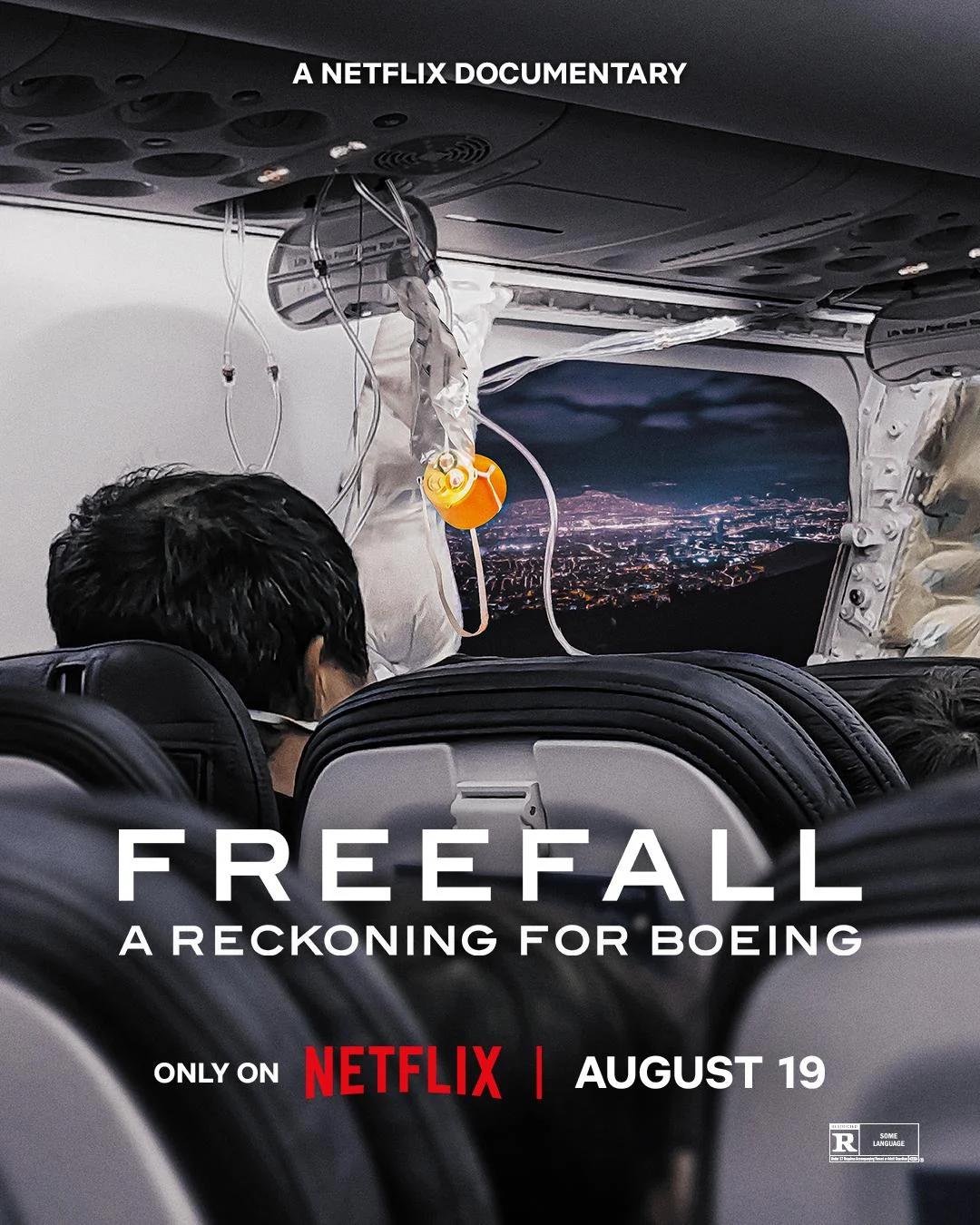
In March 2024, the aviation world was rocked by the tragic death of Boeing whistleblower John Barnett, found deceased in his truck at a Charleston, South Carolina hotel. His passing occurred during a break in depositions for a whistleblower retaliation lawsuit against the aerospace giant. This somber event cast a long shadow over Boeing, intensifying scrutiny on its safety practices and corporate culture, and reigniting crucial conversations about whistleblower protection in high-stakes industries. Barnett’s untimely death serves as a poignant backdrop to the recently released Netflix documentary, "Freefall: A Reckoning for Boeing," which delves deep into the company’s tumultuous journey and the courageous individuals who have dared to speak out.
The Tragic End of a Crusader for Safety
John Barnett, a former quality manager at Boeing, had been a vocal critic of the company’s production standards at its North Charleston plant. For years, he had raised alarms about alleged shortcuts and quality control lapses in the manufacturing of the 787 Dreamliner, specifically concerning issues like faulty oxygen systems and the installation of substandard parts. His commitment to exposing these alleged deficiencies led him to file an AIR21 whistleblower retaliation lawsuit, a federal statute designed to protect aviation industry employees who report safety violations.
The circumstances surrounding Barnett’s death are particularly unsettling. On March 9, 2024, his attorney, Brian Knowles, recounted the events in an email to Corporate Crime Reporter. Barnett was in Charleston for the third day of his deposition in the AIR21 case. The defense had examined him for their allotted seven hours on Thursday, followed by Knowles’ cross-examination all day Friday, which remained unfinished. They had agreed to resume on Saturday morning at 10 a.m. However, when co-counsel Rob Turkewitz repeatedly called Barnett’s phone that morning, it went straight to voicemail. Concerned, they requested the hotel to check on him. He was subsequently discovered in his truck, deceased from what was initially reported as an "alleged" self-inflicted gunshot wound. Knowles and Turkewitz drove to the hotel, speaking with police and the coroner. This sudden and suspicious death, occurring mid-litigation, immediately sparked widespread speculation and calls for a thorough investigation, underscoring the immense pressure and potential risks faced by corporate whistleblowers.
"Freefall: A Reckoning for Boeing" – A Deep Dive into Corporate Culture
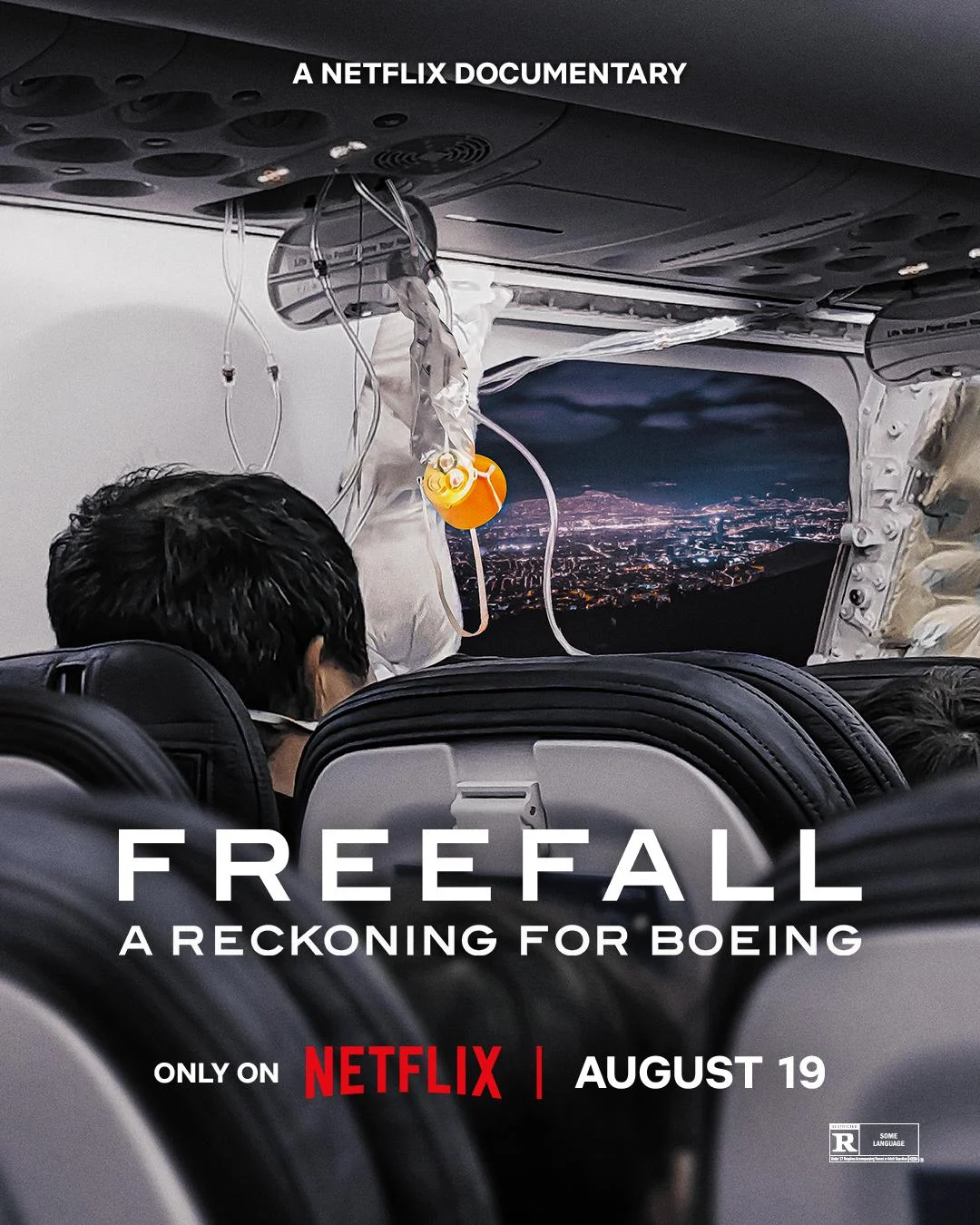
Inspired by John Barnett’s unwavering commitment to exposing safety concerns, acclaimed documentary filmmaker Rory Kennedy has released "Freefall: A Reckoning for Boeing" on Netflix. This powerful film offers an in-depth exploration of the once-revered aviation icon, unearthing new revelations and featuring compelling testimonies from individuals within Boeing who have witnessed its transformation firsthand.
"Freefall" serves as a direct follow-up to Kennedy’s 2022 Netflix production, "Downfall: The Case Against Boeing," which meticulously examined the two catastrophic 737 MAX crashes in 2018 and 2019 that claimed 346 lives. While "Downfall" focused on the immediate aftermath and technical failures, "Freefall" broadens the scope, delving into the systemic issues that persist within the company, particularly in the wake of recent incidents and Barnett’s tragic death.
The new documentary meticulously explores the pervasive concerns surrounding Boeing aircraft following a series of shocking incidents, including the January 2024 door plug blowout on Alaska Airlines Flight 1282. It critiques Boeing’s perceived broken promises to enhance safety and increase transparency, featuring powerful testimonies from whistleblowers and regulators who have risked their careers and reputations to shed light on the deteriorating safety standards and chaotic conditions reportedly plaguing the company. Beyond the corporate narrative, "Freefall" also highlights the ongoing fight for justice waged by the families of the 737 MAX crash victims, paying tribute to the extraordinary courage of those who continue to challenge the formidable giant of the aviation industry. John Barnett’s attorneys, Brian Knowles and Rob Turkewitz, are prominently featured in the film, providing critical insights into the legal battles and the personal toll exacted by these corporate struggles.
Legal Battles and Posthumous Advocacy
Brian Knowles, interviewed by Corporate Crime Reporter on August 19, 2026, the day "Freefall" premiered, provided an update on the legal proceedings stemming from Barnett’s whistleblowing. He confirmed that the initial AIR21 Whistleblower Protection case, which was heard by Department of Labor administrative law judges, had been resolved for an undisclosed sum. This settlement, while offering some measure of vindication for Barnett’s claims, came too late for him to witness.
Beyond the initial whistleblower case, Knowles revealed that a follow-up lawsuit was filed in federal court in South Carolina against Boeing, alleging wrongful death and abuse of process. This case aimed to hold Boeing accountable for the immense pressure and retaliation Barnett faced, which his legal team implicitly linked to his death. Knowles stated, "We are consummating the settlement in that case. We still have to get court approval." He confirmed that it was his colleague, Rob Turkewitz, who famously articulated the sentiment that "while Boeing might not have pulled the trigger, they nonetheless caused John Barnett’s death," a powerful statement that encapsulates the legal team’s perspective on the profound impact of corporate retaliation.
The Whistleblower Effect: A Ripple of Courage
The release of "Freefall" and the ongoing discourse surrounding John Barnett’s death have had a significant impact, particularly on other employees within the aviation industry. Knowles observed a profound shift: "We started being contacted by dozens and dozens of folks within the aviation industry that had concerns. They were inspired by John and what he had done. He inspired a lot of people to come forward – people who had previously hesitated about coming forward."
While Barnett had garnered considerable media attention during his lifetime for his outspoken critiques, his death appears to have acted as a powerful catalyst for others. Knowles elaborated, "John was an honest person who had a lot of integrity. Those are the characteristics folks who speak up typically have. People felt that John Barnett shouldn’t be the only one out there carrying this. If they were seeing issues within the company, they felt compelled to speak out after hearing about what happened to him." This phenomenon highlights the double-edged sword of whistleblower stories: while the risks are evident, the ultimate sacrifice of one can galvanize many others to action, creating a collective voice that is harder to ignore.
Knowles currently represents "about eight to ten Boeing and Spirit employees," noting that he still receives "at least one or two calls a week from folks." These individuals, though not all with active cases, are engaged in whistleblowing to government agencies, signaling a sustained concern within the industry.

Boeing’s Cultural Transformation and Persistent Challenges
The narrative presented in "Freefall" and echoed by whistleblowers like Barnett paints a stark picture of Boeing’s cultural transformation. Once lauded for its engineering excellence and a steadfast commitment to safety, the company is portrayed as having shifted its priorities dramatically after its 1997 merger with McDonnell Douglas. This merger is often cited as a turning point, where a culture of "engineers first" was supplanted by a focus on shareholder value, cost-cutting, and aggressive production targets. Quality control, once paramount, allegedly fell by the wayside in this new corporate ethos.
The documentary and whistleblower testimonies suggest that even attempts at reform have faltered. Boeing implemented a "Speak Up" program, ostensibly designed as a safe channel for employees to report issues on the shop floor without fear of reprisal. However, whistleblowers allege that this program often failed in its stated purpose. Instead of independent investigation and problem resolution, complaints were reportedly sometimes routed back to the very managers or departments being accused, effectively turning the company against the whistleblowers themselves.
Sam Mohawk, a Boeing employee working on the 737 MAX program in Renton, Washington, is a case in point. Knowles confirmed that his firm represented Mohawk in an AIR21 complaint against Boeing. One of Mohawk’s core allegations was that his concerns, raised through the "Speak Up" program, were directed to his direct managers – the subjects of his complaints. "That’s not the proper or ethical way to handle complaints," Knowles stated. While Mohawk’s case was resolved and he remains employed, his experience underscores the systemic issues in Boeing’s internal reporting mechanisms.
The question of whether things have improved at Boeing since Barnett’s death elicits a candid response from Knowles: "It’s not something where the company will just heal and get better overnight and get back on track. It’s a large organization and it’s going to take a lot of strong leadership to turn itself around. It’s going to be a long process." He expressed hope that "Freefall" could contribute to this necessary turnaround, stating, "I hope this movie helps Boeing get back on track and turn around. I don’t want to be constantly receiving calls from people saying they are being retaliated against for raising safety concerns. It’s not a good thing."
Erosion of Due Diligence and the Cost of Profit Over Safety
The documentary and the experiences of whistleblowers highlight a troubling trend: a perceived erosion of due diligence and a prioritization of profits over safety. "That’s clearly the sense of the whistleblowers in the movie," Knowles affirmed. "You’re dealing with airplanes that carry hundreds of people. Quality and safety have to be your top priority. And Freefall shows how after the McDonnell Douglas merger, the culture at Boeing changed from quality and safety to profits over safety. They stripmined the company. All the stock buybacks."
This shift has had tangible consequences. In recent years, Boeing has faced intense scrutiny from regulators like the Federal Aviation Administration (FAA) and the National Transportation Safety Board (NTSB) following a series of high-profile incidents. The two 737 MAX crashes led to a 20-month grounding of the fleet worldwide, billions in financial losses, and a deferred prosecution agreement with the U.S. Justice Department. More recently, the Alaska Airlines door plug blowout in January 2024 led to another grounding of specific 737 MAX 9 aircraft, further investigations, and restrictions on Boeing’s production expansion. The FAA issued a notice of proposed rulemaking to mandate inspections for all Boeing 737 MAX 9 aircraft and launched an investigation into Boeing’s manufacturing practices, indicating a systemic lack of confidence in the company’s quality control.
Merle Meyers, a third-generation Boeing employee and former quality manager, appears in "Freefall," epitomizing the cultural decline. Meyers publicly blew the whistle in an April 2024 New York Times interview, revealing that corroded 787 landing gear axles, initially deemed scrap, were being repurposed and installed on new Boeing planes. Meyers, who now hosts a support group for other whistleblowers, laments the loss of the multi-generational talent pipeline at Boeing, noting that his family’s legacy will likely end with him due to the corporate culture.
Knowles emphasized the value of such individuals: "The company should want people like Sam Mohawk, Roy Irvin and Bill Seitz, Merle Meyers and Sam Salehpour, John Barnett, Cynthia Kitchens – all of these other folks who have stood up and tried to tell the company – you are doing it the wrong way, here are the issues that need to be addressed, fix them. But no, when they raised these issues, they were retaliated against." The consistent pattern of retaliation against those who identify problems is seen as a critical impediment to genuine safety improvements.
Boeing’s Imperative: A Return to Core Values
Despite its challenges, Boeing remains a cornerstone of the American economy and global aviation. "Boeing is still one of our country’s largest organizations. It’s a top exporter. They are a part of the defense industry. It’s a company that cannot fail," Knowles stressed. "It needs to reverse its culture and get back to one that puts quality and safety over everything else. The company needs to be the flagship of the industry."
The journey to a culture of integrity and safety is not swift or easy. It demands sustained leadership, a genuine commitment to addressing internal criticisms, and a robust system that protects and rewards those who identify risks, rather than punishing them. The whistleblowers, often risking their livelihoods and well-being, embody the moral compass that large corporations sometimes lose sight of. As Knowles concluded, "These folks come forward and they truly are heroes in my book. They risk their careers. It’s not an easy thing to do to stand up and do the right thing against powerful interests. But I enjoy helping people. That’s why I got into the law – to help people."
When asked if he hears any indications that Boeing is changing its ways, taking complaints seriously, and fixing problems instead of retaliating, Knowles’ answer was sobering: "No. I’m getting the exact opposite. Like I said – I’d like to not hear from people saying they are being retaliated against. That would tell me the company is back on track. But until then, folks need to continue doing the right thing and come forward if the problems are not being addressed. That will help the company and help the flying public stay safe."
The legacy of John Barnett and the revelations in "Freefall" serve as a stark reminder of the critical importance of corporate accountability and the profound impact of a company’s culture on public safety. The ongoing calls for reform at Boeing are not merely about a single company; they represent a broader demand for industries that prioritize human lives over profit margins, ensuring that the skies remain safe for everyone.


 Jia Lissa
 Yuyun Lusiyani
 Joko Widodo
 Eva Lovia

 Pevita Pearce