
 Yuyun Lusiyani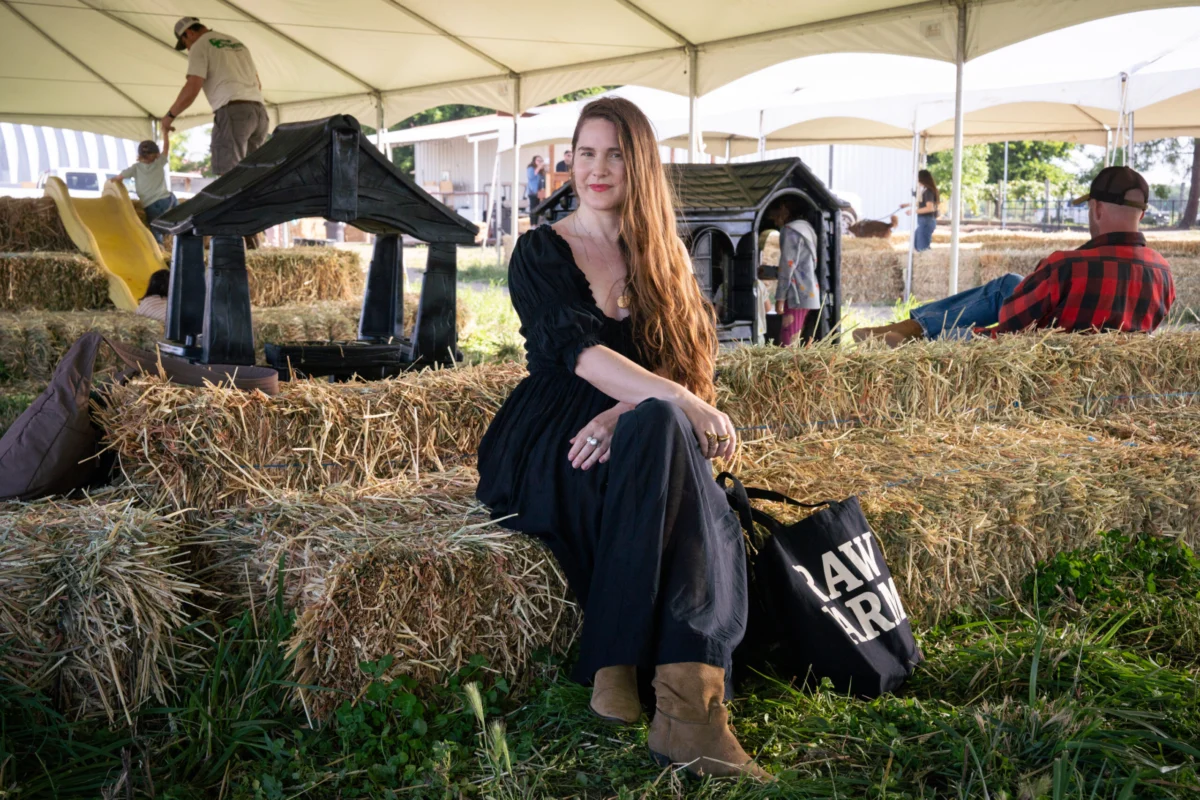
For half a year, an investigation delved into the complex and often contentious world of raw milk, culminating in a detailed report featuring Mark McAfee, proprietor of America’s largest raw-milk dairy. This extensive inquiry, initially sparked by concerns over the Trump administration’s policies and their impact on federal health agencies, uncovered a landscape where routine scientific consensus faced increasing politicization, dramatically shifting the federal approach to unpasteurized dairy.
The Enduring Debate: Raw Milk’s Risks vs. Perceived Benefits
Raw milk, by definition, is milk that has not undergone pasteurization, a heating process designed to eliminate harmful bacteria. The scientific and public health communities overwhelmingly agree that raw milk offers no significant, proven nutritional benefits over its pasteurized counterpart and exposes consumers to a risk of foodborne illness that is over 100 times higher. Before pasteurization became a widespread practice in the early 20th century, milk-borne diseases such as tuberculosis, diphtheria, typhoid fever, and scarlet fever were rampant, claiming thousands of lives annually, particularly among infants and young children. Louis Pasteur’s revolutionary discovery in the mid-19th century transformed dairy safety, making milk a staple accessible to all without grave health risks.
Despite this bedrock of scientific understanding and historical evidence, a growing movement advocates for raw milk, claiming it contains beneficial enzymes, probiotics, and nutrients lost during pasteurization. Proponents often cite anecdotal evidence of improved health, digestion, and alleviation of allergies. However, exhaustive reviews of published scientific literature by leading health organizations like the FDA, CDC, and various medical associations have consistently failed to substantiate these claims. Instead, they underscore the inherent, unavoidable risk of contamination from deadly pathogens such as Salmonella, E. coli O157:H7, Listeria monocytogenes, and Campylobacter jejuni, even with stringent hygiene practices on farms. These bacteria can cause severe gastrointestinal illness, kidney failure (especially in children), neurological problems, and even death.

The Mainstreaming of a Fringe Product
For decades, raw milk appealed to a niche, often fringe, demographic. However, recent years have seen a dramatic shift, thrusting raw milk into the mainstream. Over 10 million Americans now consume it, and national weekly sales surged by an astonishing 65% from 2023 to 2024 alone. This meteoric rise can be attributed to a confluence of factors: a growing distrust in industrial food systems, the allure of "natural" and "unprocessed" products, and the powerful amplification of pro-raw milk messages through online influencers and social media.
Central to this movement is Mark McAfee, whose Raw Farm operation has become America’s largest raw-milk dairy, boasting annual revenues of approximately $30 million. McAfee has been a vocal advocate for raw dairy for over two decades, skillfully leveraging consumer sentiment and fostering a community around his products. His narrative often frames raw milk consumption as a form of personal autonomy and a rejection of what he portrays as an overreaching or misinformed government. "If raw milk was a fad or a lie," McAfee stated, "then why would people repeatedly buy raw milk and then tell the world how they love it? Our consumers read their gut and watch their kids thrive." He also frequently argues that the government has not adequately invested in research to assess raw milk’s claimed benefits, suggesting a bias against the product.
Political Winds Shift: Robert F. Kennedy Jr.’s Influence

The investigation revealed a significant political dimension to the raw milk phenomenon. Under the leadership of Health Secretary Robert F. Kennedy Jr., a known proponent of alternative health theories and a skeptic of mainstream scientific consensus, the federal approach to raw milk began to align with his personal priorities. Current and former government workers described a palpable "climate of fear" within federal health agencies, where routine scientific guidance faced politicization.
Kennedy openly "advocated" for raw milk, even celebrating the release of a federal report, "Make America Healthy Again," with a toast of raw-milk shooters in the White House. This symbolic gesture underscored a profound shift in official stance, signaling a potential softening of regulatory oversight for a product widely considered a public health risk by most experts. Notably, McAfee counts Kennedy as a customer, highlighting the direct connection between the industry leader and the highest echelons of health policy. This political patronage created an environment ripe for the deregulation and diminished enforcement that would soon follow.
A History of Outbreaks: Raw Farm Under the Microscope
Despite its growing popularity and political backing, Raw Farm has attracted significant scrutiny due to a troubling history of links to foodborne illness outbreaks and product recalls. Federal and state regulators have connected McAfee’s business to more than a dozen such incidents, collectively leaving hundreds of people ill. The cumulative toll is almost certainly an undercount, as many individuals who contract foodborne illnesses recover at home without seeking medical testing, thus escaping official tracking.

A chronological review of incidents linked to Raw Farm paints a stark picture:
- 2006: E. coli Outbreak: Six people contracted E. coli in the first major outbreak linked to McAfee’s farm. The median age of those affected was just 8 years old. Seven-year-old Chris Martin suffered permanent kidney damage from a dangerous strain of E. coli (O157:H7). Now 27, Martin faces a lifetime of nephrological care and elevated risk of chronic kidney disease. While the specific strain wasn’t found in the products, investigators reported high bacterial counts indicating contamination. McAfee acknowledged this incident opened his eyes to the risks and prompted him to develop internal standards for unpasteurized dairies.
- Subsequent Outbreaks (2007, 2011, 2012, 2016): Despite McAfee’s stated commitment to better practices, customers continued to fall ill, and the farm issued recalls multiple times after pathogens were detected in its products. These incidents included links to Salmonella and Campylobacter infections, prompting state health officials to issue warnings and impose temporary sales bans.
- 2023-2024: Major Salmonella Outbreak: Regulators linked Raw Farm to one of the largest publicly known raw-dairy outbreaks in decades, with over 170 people sickened by Salmonella. McAfee, however, disputed his farm’s connection to many of these outbreaks, including this significant one, arguing that regulatory practices for tracking illnesses did not constitute "smoking-gun proof" of direct causation.
In total, at least 233 people have been sickened in eight distinct outbreaks that federal and state regulators have connected to McAfee’s farm since 2006, with at least 40 requiring hospitalization. These numbers underscore the persistent public health risk associated with unpasteurized dairy, regardless of the producer’s claims of safety protocols. McAfee, reflecting on his journey, adopted a "pioneer" mentality: "I’ve put a couple kids in the hospital, and they have been sick, but they recovered. But here’s the thing: I’m a pioneer. And I’m going against the grain here. I’m climbing a mountain they say you can’t climb."
The Controversial Practice of "Red-Flag" Cheesemaking
A particularly alarming revelation emerged during the investigation concerning Raw Farm’s cheesemaking practices. McAfee initially described a "red-flag system" where milk deemed "out of whack" due to bacterial concerns would be diverted to cheese production, asserting that "cheese is resistant to pathogens." This statement directly contradicts established scientific understanding. Research has unequivocally shown that raw cheese is not resistant to pathogens. While aging can mitigate some risks, harmful bacteria can survive the typical 60-day maturation process required by federal regulations for raw milk cheeses. Pathogens like E. coli O157:H7 and Listeria monocytogenes have been repeatedly isolated from aged raw milk cheeses and linked to outbreaks.

The Food and Drug Administration (FDA) became aware of Raw Farm’s "standard practice" of producing cheese from milk suspected or known to contain pathogens in 2024. The agency promptly ordered the farm to cease this practice and destroy any cheese made with contaminated milk. However, Raw Farm resisted these orders, arguing that it complied with federal regulations by aging and testing its cheese before sale. The legal battle to enforce the FDA’s directive faced significant delays due to court backlogs, pushing the case well into 2025.
By the time the legal process was set to proceed, the political landscape had shifted dramatically with the new administration and Robert F. Kennedy Jr. at the helm of the Department of Health and Human Services (HHS). McAfee later claimed that the farm no longer diverted problematic milk to cheesemaking, a statement that would later be challenged by the reporter.
Regulatory Retreat and Its Broader Implications
In January, the federal government unexpectedly withdrew its efforts to take enforcement action against Raw Farm. A former federal employee with direct knowledge of the suit indicated that cases involving raw milk were "deprioritized" within the new administration, directly linking this decision to Health Secretary Kennedy’s known stance on unpasteurized dairy.

The Justice Department offered a vague response to inquiries about the withdrawal, stating only that the administration "will always be concerned about risks to public health and will continue to take enforcement action as appropriate to protect American consumers." However, the Department of Health and Human Services, the FDA, and Secretary Kennedy himself did not respond to requests for comment, leaving the public to infer the motivations behind the regulatory retreat.
McAfee celebrated the withdrawal as a "big win," framing it in terms of ancient Chinese military philosophy. He told the reporter he had learned to engage not in "their war" but his own, clearly implying a victory over federal regulators through a strategy that leveraged public sentiment and, implicitly, political influence. This outcome signals a potentially dangerous precedent, suggesting that scientific consensus and public health warnings can be sidelined by political agendas and powerful industry advocates.
Continuing Challenges and Eroding Trust
Just weeks after the reporter’s visit to Raw Farm, federal regulators publicly linked the company’s cheese to yet another E. coli O157:H7 outbreak. Nine people were infected across three states, with more than half of the victims younger than 5 years old, highlighting the particular vulnerability of young children to raw milk pathogens. The farm took a staggering 18 days to issue a recall, doing so "under protest," maintaining that its internal testing found no pathogens and therefore it was not at fault.

When confronted about his earlier statements regarding diverting problematic milk to cheesemaking, McAfee’s narrative shifted again. He first denied the practice, then admitted, "I think you have caught me in something where there’s an issue between practice and what I’m saying." He then asserted that Raw Farm "now we do not use any questionable milk." This conflicting testimony raises serious questions about the transparency and reliability of the farm’s safety protocols and its communication with the public and regulators.
Adding to the concerns, the FDA closed its investigation into this recent E. coli outbreak in April without taking any enforcement action. Consequently, McAfee’s raw-cheese products were soon back in stores. Major retail chains like Sprouts and H-E-B, which carry Raw Farm’s cheese, declined to respond to questions about the outbreak or their continued stocking of the product.
McAfee, emboldened by the lack of federal enforcement, articulated a strategy that thrives on public skepticism: "Our sales are highest they’ve ever been, and feedback online with influencers is: If the FDA says something, do the opposite. It’s safer. They don’t trust them at all." This statement reveals a calculated approach to marketing and public relations that exploits a growing anti-establishment sentiment, further eroding trust in established public health institutions.
The raw milk debate encapsulates a broader societal tension between individual liberty, alternative health beliefs, and evidence-based public health policy. The political embrace of raw milk, coupled with the retreat of regulatory enforcement, poses significant challenges to consumer safety. As sales continue to surge and public health warnings are dismissed as politically motivated, the stage is set for potential future outbreaks and a continuing battle over the scientific integrity of food safety in America. The long-term implications for public health, especially for vulnerable populations like children, remain a pressing concern as this unpasteurized truth unfolds.


 Jia Lissa
 Joko Widodo
 Eva Lovia

 Pevita Pearce