
 Eva Lovia
When history meticulously chronicles the legacies of monarchs, it often focuses on the grand pronouncements, the symbolic gestures, and the enduring institutions they embody. The Crown, with its resplendent history and weighty symbolism, invariably takes centre stage. Yet, beneath the glittering surface of royal narratives lies a figure of profound, albeit often invisible, influence: the Private Secretary to the Sovereign. As Sir Clive Alderton, King Charles III’s principal aide for many years, prepares for his departure, Buckingham Palace finds itself at a critical juncture, tasked with one of the most significant appointments of the King’s early reign. This transition, while unlikely to garner widespread public attention, holds immense implications for the future direction and stability of the British monarchy.
The Power Behind the Throne: Understanding the Role of the Private Secretary
The position of Private Secretary to the Sovereign is arguably one of the most powerful, yet least publicly acknowledged, roles within the British establishment. Unlike elected officials or military leaders, the Private Secretary operates without the fanfare of public acclaim or the direct scrutiny of electoral mandates. Their influence is wielded not through public pronouncements or grand ceremonies, but through the quiet counsel and strategic advice provided to the monarch. This role transcends mere administrative duties; the Private Secretary serves as the monarch’s principal advisor, a constitutional sounding board, a crisis manager, and, crucially, the individual tasked with delivering uncomfortable truths that others may shy away from.
The essence of this role lies in its dual custodianship: protecting both the individual Sovereign and the institution of the monarchy itself. A skilled Private Secretary understands that their ultimate allegiance is not to the person occupying the throne at any given moment, but to the enduring continuity and integrity of the Crown. This principle guides their advice, ensuring that decisions made are not merely expedient but are also constitutionally sound and historically considered.
A Legacy of Counsel: Sir Clive Alderton’s Tenure
Sir Clive Alderton’s tenure as Private Secretary to King Charles III has been marked by a period of significant transition for the monarchy. Ascending to the role in 2015 as Private Secretary to the then Prince of Wales, and continuing his service upon Charles’s accession to the throne in September 2022, Alderton has been an integral figure in shaping the operational and strategic direction of the royal household during a pivotal era. His long-standing relationship with Charles, built over years of service, suggests a deep understanding of the monarch’s vision and priorities.
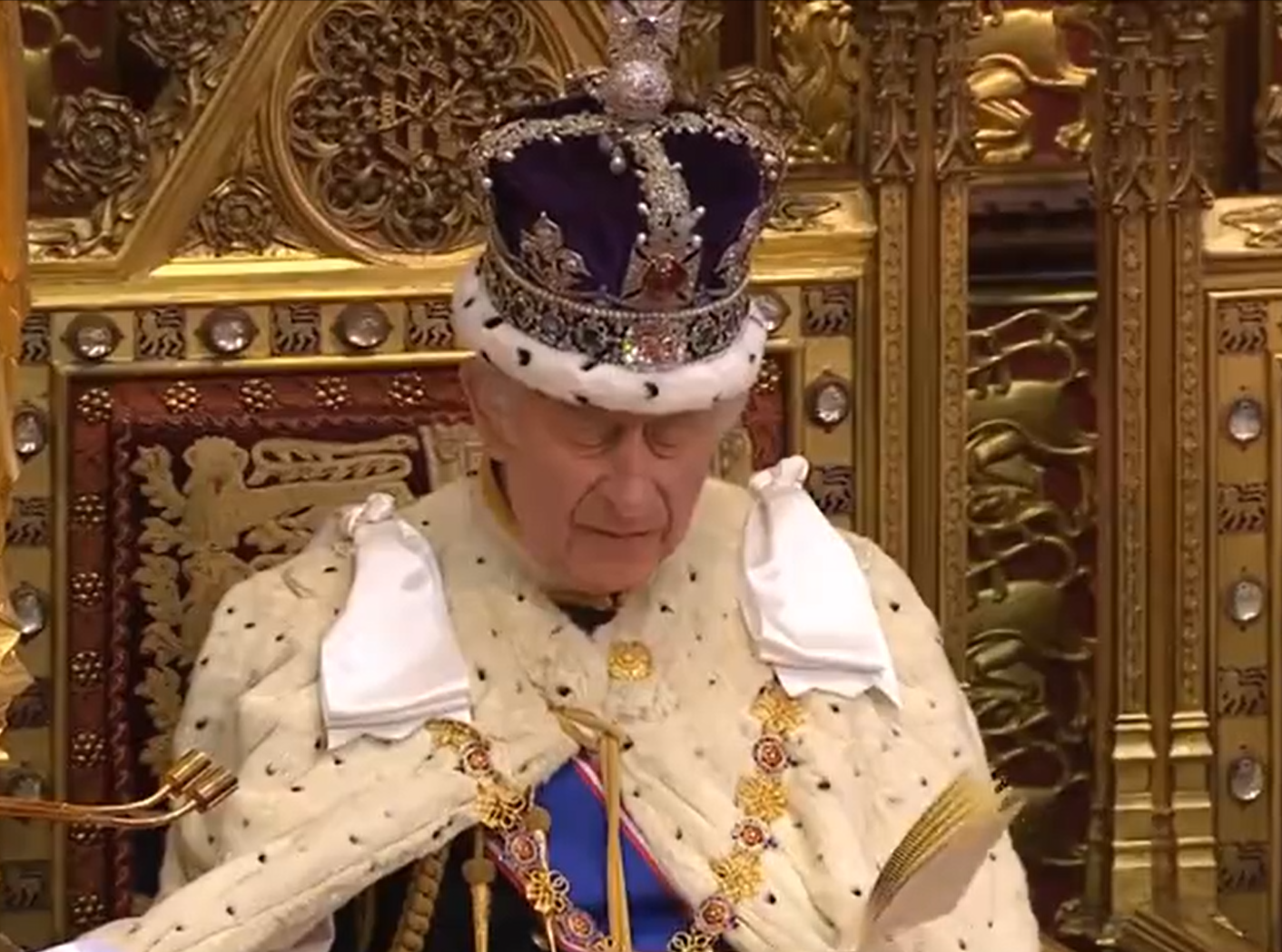
The transition from Prince of Wales to King necessitated a recalibration of the monarch’s public and private engagements, as well as a re-evaluation of the core functions of the monarchy in a modern context. Alderton’s presence during this period provided a crucial element of continuity and institutional memory. His departure marks the end of an era for King Charles, necessitating the selection of a successor who can not only maintain but also evolve the effective support system around the monarch.
Historical Precedents: The Impact of Private Secretary Changes
The significance of a Private Secretary’s departure is underscored by historical examples where the counsel provided, or the lack thereof, has had tangible consequences for the monarchy. The role is not simply a matter of personnel management; it is a strategic appointment that can profoundly alter the dynamics within the royal household and the monarch’s relationship with the government and the public.
A notable instance often cited in discussions of this role’s influence is that of Lord Geidt, the Private Secretary to Queen Elizabeth II. Lord Geidt was widely regarded as a formidable figure, known for his preparedness to offer challenging advice when required. His departure in 2017, though officially attributed to differing views on the future direction of the monarchy, reportedly involved tensions within the Royal Household. While Buckingham Palace consistently refuted suggestions of an internal power struggle, the episode highlighted the potential for significant shifts in advisory relationships and the impact these can have. The departure of such a key advisor, even if not publicly dramatic, invariably alters the flow of information and the nature of counsel received by the Sovereign.
The Crucial Qualities of a Successor
As Buckingham Palace embarks on the search for Sir Clive Alderton’s successor, the qualities required for this demanding role are paramount. The King has articulated a desire for a "modern monarchy," a vision that extends beyond mere rhetoric and requires tangible implementation guided by sound counsel. The next Private Secretary must be an individual capable of navigating complex constitutional landscapes, effectively managing unforeseen crises, and commanding the unwavering confidence of government ministers and senior officials.
However, perhaps the most critical and rarest of these qualities is the courage to disagree with the King when necessary. The Private Secretary’s primary duty is to safeguard the institution and the monarch’s long-term standing. This often necessitates providing advice that may be unpopular or challenging, pushing back against potentially detrimental courses of action, and offering a sober perspective that prioritises the Crown’s enduring interests over immediate desires. As the article poignantly asks, "Who tells a King he is wrong?" The answer, in the context of effective governance, should always be the individual sitting on the other side of the desk.
Supporting Data and Context
- The Monarchy’s Economic Contribution: The British monarchy contributes significantly to the UK economy, primarily through tourism. In 2022, the Sovereign Grant, which funds the monarch’s official duties, was £86.3 million. This funding is derived from the profits of the Crown Estate, a portfolio of land and property worth an estimated £19.5 billion as of March 2023. The effective management and strategic guidance provided by the Private Secretary’s office play a role in maintaining the public perception and institutional stability that underpins this economic relationship.
- Constitutional Role: The monarch, while politically neutral, plays a vital constitutional role. This includes the formal opening of Parliament, the approval of legislation, and the appointment of the Prime Minister. The Private Secretary acts as a crucial intermediary, ensuring the monarch’s actions align with constitutional norms and governmental processes. This requires a deep understanding of parliamentary procedure and the unwritten rules of British governance.
- Public Opinion: While the day-to-day operations of the monarchy are often shielded from public view, public opinion remains a significant factor in its continued relevance. Polls consistently show varying levels of support for the monarchy, with younger generations often expressing more scepticism. The Private Secretary’s advice indirectly influences how the monarchy engages with the public and navigates contemporary societal issues, thereby impacting public perception.
Broader Impact and Implications
The appointment of a new Private Secretary is far more than an internal reshuffling of staff; it is an event that has the potential to shape the trajectory of King Charles III’s reign. The individual selected will be instrumental in advising the King on a multitude of pressing issues, from domestic policy and international relations to the ongoing evolution of the monarchy’s role in the 21st century.
The ability of the new Private Secretary to foster strong relationships with key figures in government, civil society, and the Commonwealth will be critical. Their counsel will inform the King’s engagement with the Prime Minister, parliamentary committees, and foreign dignitaries. In an era marked by rapid societal change and evolving geopolitical landscapes, the monarch’s ability to offer a steadying presence and informed perspective is invaluable. The success of this endeavour hinges significantly on the quality of the advice received behind closed doors.
Conclusion: A Quietly Pivotal Moment
The impending departure of Sir Clive Alderton signifies a moment of quiet but profound importance for the British monarchy. While the public may remain largely unaware of the intricate machinations of royal administration, the selection of his successor will be a decision of considerable consequence. The Private Secretary’s role, often unseen and unheralded, is indispensable to the smooth functioning and enduring strength of the Crown. The individual who steps into this powerful position will bear the weighty responsibility of guiding King Charles III, ensuring that the monarchy continues to adapt and thrive, not by merely reflecting public desires, but by embodying the wisdom and foresight necessary to lead. History, it is often said, is written by the victors, but the foundations of enduring monarchies are often laid by those who serve with quiet diligence and unwavering integrity, the unseen architects of the Crown.



 Yuyun Lusiyani
 Joko Widodo
 Pevita Pearce
 admin
admin
 Lina Irawan