
 admin
admin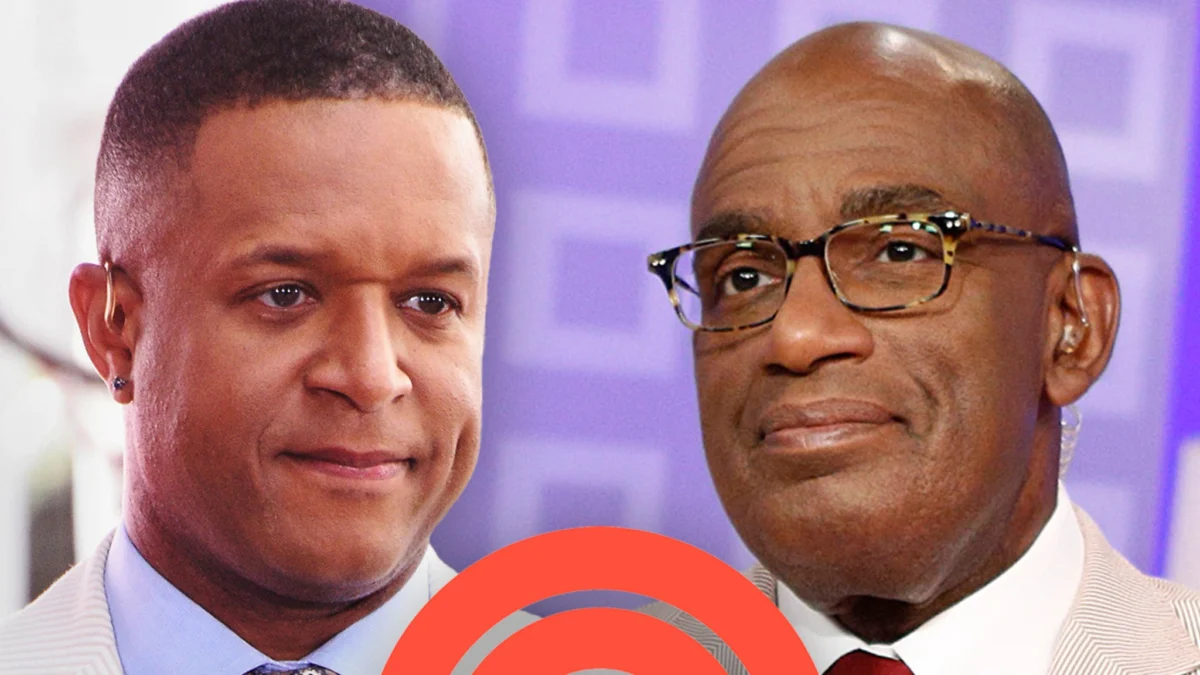
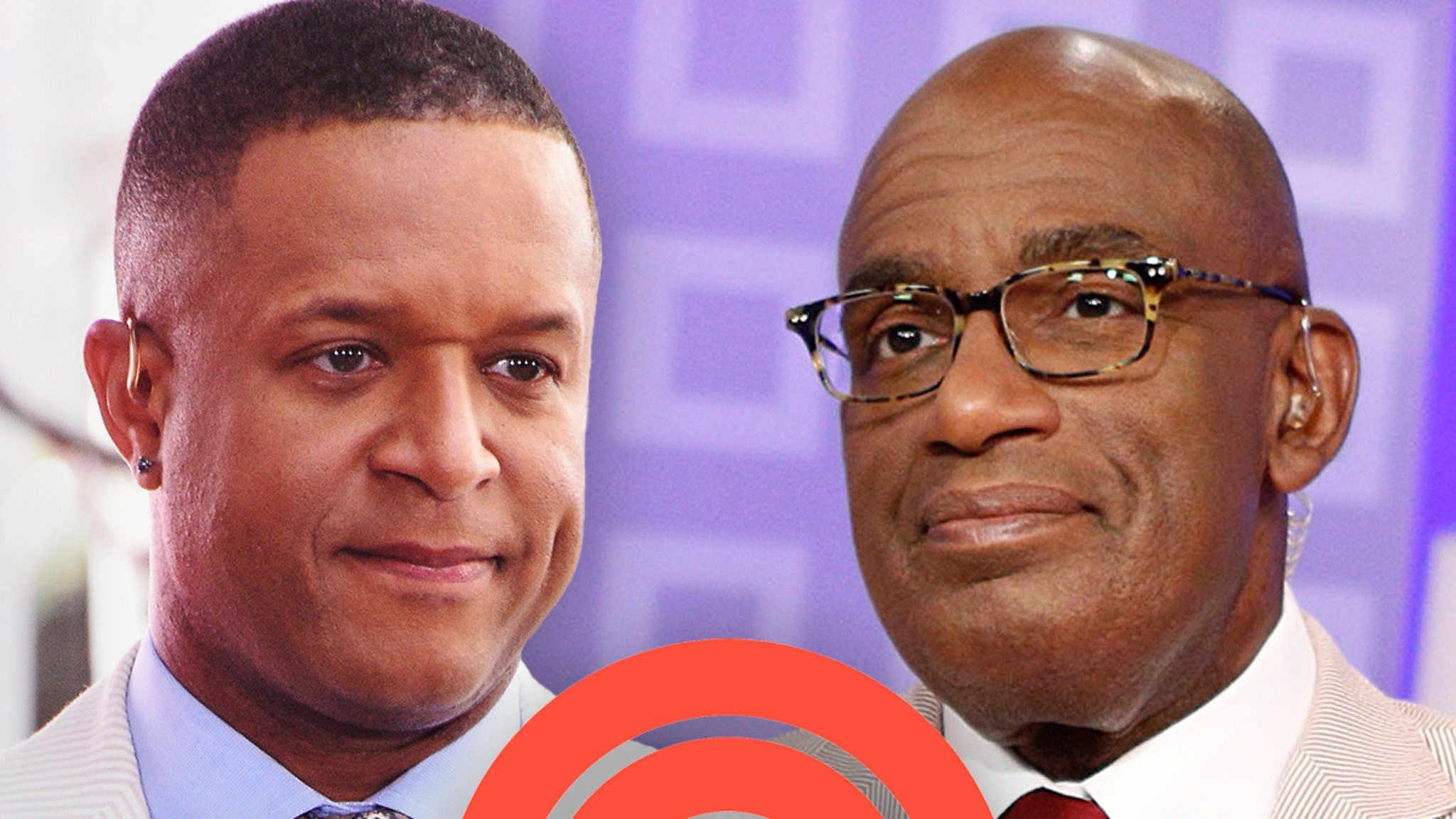
NBC has confirmed the termination of a security guard following a significant security breach at the "TODAY" show, which culminated in an intruder confronting anchor Craig Melvin. The incident, which sent shockwaves through the broadcasting industry, saw a male suspect gain unauthorized access to Studio 1A, the iconic home of the long-running morning program. The termination, effective Thursday, July 16, 2026, comes as an immediate consequence of the alleged lapse in security protocols that permitted the alarming intrusion. Sources with direct knowledge of the internal investigation revealed that the guard was dismissed for reportedly allowing the individual to bypass established security checkpoints and enter a restricted area of 30 Rockefeller Plaza.
The incident has ignited a comprehensive review of security measures at NBC’s global headquarters, a bustling hub in the heart of Midtown Manhattan. For decades, 30 Rockefeller Plaza has stood as a symbol of media power and public access, with its street-level studios and public plaza often drawing crowds hoping to catch a glimpse of their favorite on-air personalities. This accessibility, however, inherently presents unique security challenges, balancing public engagement with the imperative to protect staff and talent. The recent breach underscores the delicate equilibrium required to maintain a welcoming public face while simultaneously ensuring a robust protective perimeter.
The Breach Unfolds: A Chronology of Events
The unsettling sequence of events began when Andrew Truelove, the alleged intruder, entered 30 Rockefeller Plaza. According to law enforcement sources and initial reports, Truelove first approached staffers in the "TODAY" plaza, an outdoor public area adjacent to the studio, inquiring about the whereabouts of beloved meteorologist Al Roker. It remains unclear what Truelove’s intentions were with Roker, but his subsequent actions escalated the situation dramatically.
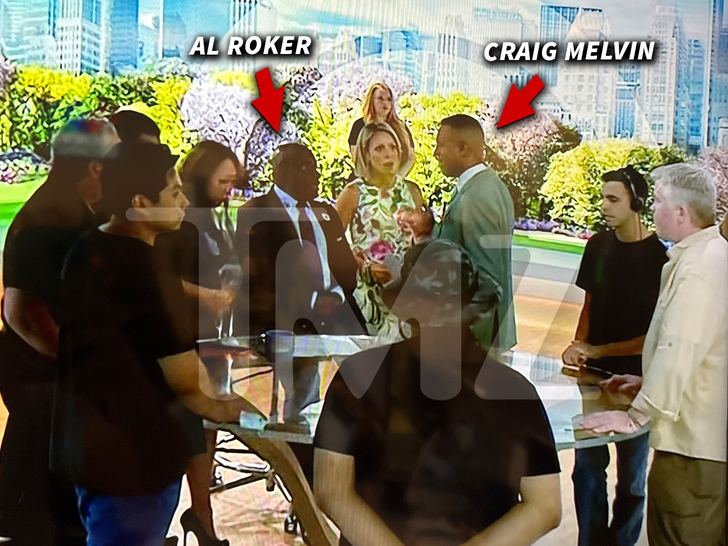
Despite his initial queries, Truelove reportedly never encountered Roker. Instead, he managed to bypass security and enter Studio 1A, a restricted zone where live broadcasts are conducted. It was within this highly controlled environment that he allegedly lunged at Craig Melvin, one of the show’s prominent anchors, while simultaneously shouting a racial slur. The shocking nature of the attack, particularly the use of hate speech, elevated the incident beyond a mere trespass to a potentially criminal hate crime.
Security footage, as reported by Page Six, painted a clearer picture of the immediate security lapse. The footage reportedly showed two security guards stationed at the entrance where Truelove gained access. Crucially, one of the guards is alleged to have briefly stepped away from their post, creating a critical window of vulnerability. During this brief absence, the other remaining guard reportedly failed to observe Truelove entering the restricted area, leading directly to the breach. This alleged failure to maintain constant vigilance and adhere to established protocols appears to be the primary reason for the subsequent termination.
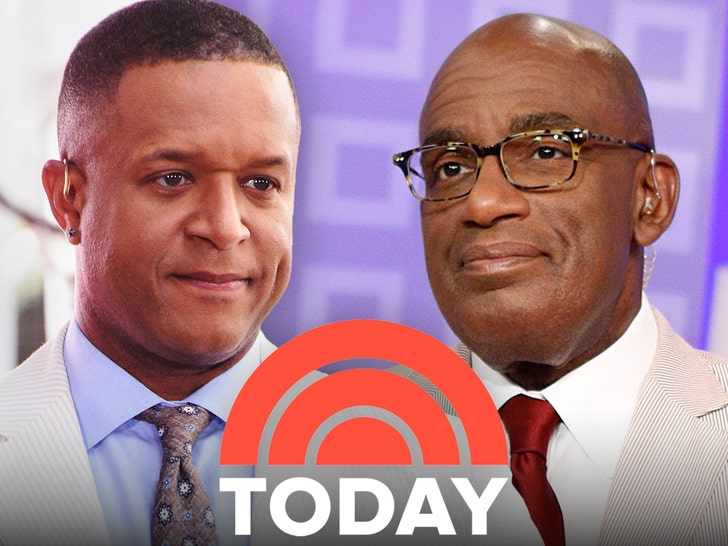
Upon entering Studio 1A and confronting Melvin, Truelove was quickly apprehended by other security personnel present within the studio. The speed of his detention, despite the initial breach, prevented further harm or disruption. The New York Police Department (NYPD) was promptly notified and arrived on the scene to take Truelove into custody. Remarkably, and a testament to the professionalism of the "TODAY" show crew and anchors, Craig Melvin and Al Roker were back on the air approximately 15 minutes after the alarming encounter, demonstrating a swift return to normalcy amidst heightened tensions.
Security Lapses Under Scrutiny
The firing of the security guard signals NBC’s immediate and unequivocal response to the security failure. While a representative for the "TODAY" show declined to comment specifically on the termination, the action itself speaks volumes about the network’s commitment to accountability and the severity with which such breaches are viewed. Major media organizations, especially those operating live broadcasts from public-facing locations, invest heavily in multi-layered security systems designed to prevent unauthorized access and protect their personnel. These systems typically include:
- Physical Barriers: Controlled access points, turnstiles, and reinforced doors.
- Personnel: Uniformed guards, plainclothes security, and executive protection details.
- Technological Measures: Surveillance cameras (CCTV), access card systems, metal detectors, and alarm systems.
- Protocols and Training: Regular drills, clear escalation procedures, and continuous training for security staff on threat assessment and response.
The alleged failure of two guards at a critical entry point suggests a breakdown in both personnel vigilance and potentially, the operational execution of these protocols. Whether this was an isolated incident of negligence or indicative of broader systemic vulnerabilities will undoubtedly be a key focus of NBC’s ongoing internal review. The implication is that even with sophisticated technology and multiple personnel, human error can create critical gaps.
The Intruder and His Motives: A Hate Crime Investigation
Andrew Truelove has been formally charged with multiple offenses, including hate crime burglary, hate crime menacing, hate crime criminal trespass, and harassment. The inclusion of "hate crime" in these charges is particularly significant. Under New York law, a hate crime is committed when a defendant commits an offense and intentionally selects the victim or victims, in whole or in substantial part, because of a belief or perception regarding the race, color, national origin, ancestry, gender, gender identity or expression, religion, religious practice, age, disability, or sexual orientation of a person, regardless of whether the belief or perception is correct. The alleged use of a racial slur during the confrontation with Craig Melvin directly supports the hate crime designation.
The motivation behind Truelove’s actions remains a central point of the ongoing investigation. His initial inquiry about Al Roker could suggest a targeted approach, though the subsequent attack on Craig Melvin with a racial slur indicates a broader, and deeply disturbing, racist intent. Public figures, especially those in media, often face increased scrutiny and, at times, become targets of individuals with extremist views or mental health challenges. This incident serves as a stark reminder of the unique vulnerabilities faced by those in the public eye. The psychological impact of such a direct and hateful confrontation on an individual like Craig Melvin, while he is simply doing his job, cannot be overstated.
Broader Implications for Media Security
The "TODAY" show security breach is not an isolated incident in the landscape of threats faced by media organizations. Newsrooms and studios, particularly those with a public presence, have long been targets for various forms of disruption, from peaceful protests to violent attacks. The increasing polarization of public discourse, coupled with the ease of disseminating information and organizing online, has arguably amplified these risks in recent years.
This incident will likely prompt a reevaluation of security practices across the entire broadcast industry, especially for programs that operate in highly visible, public spaces. Questions will arise regarding:
- Public Access vs. Security: How to maintain a degree of public accessibility, which is vital for the image and appeal of shows like "TODAY," while simultaneously hardening security perimeters.
- Personnel Training: Whether current training adequately prepares security staff for sophisticated bypass attempts or the rapid escalation of threats.
- Technological Integration: How effectively security technologies are integrated with human oversight to create a truly resilient system.
- Threat Assessment: The ability to identify and mitigate potential threats from individuals who may initially appear benign, such as those simply asking for a celebrity.
- Response Protocols: The efficiency and coordination of emergency response teams, including internal security, building management, and local law enforcement.
The event also highlights the particular vulnerability of on-air talent. Unlike behind-the-scenes staff, anchors and reporters are highly recognizable and often directly exposed to the public. This demands specialized security considerations, including personal protection details, secure travel arrangements, and stringent studio security. The fact that an intruder could reach a prominent anchor during a live broadcast underscores the need for continuous adaptation and improvement in these areas.
The Road Ahead for NBC News
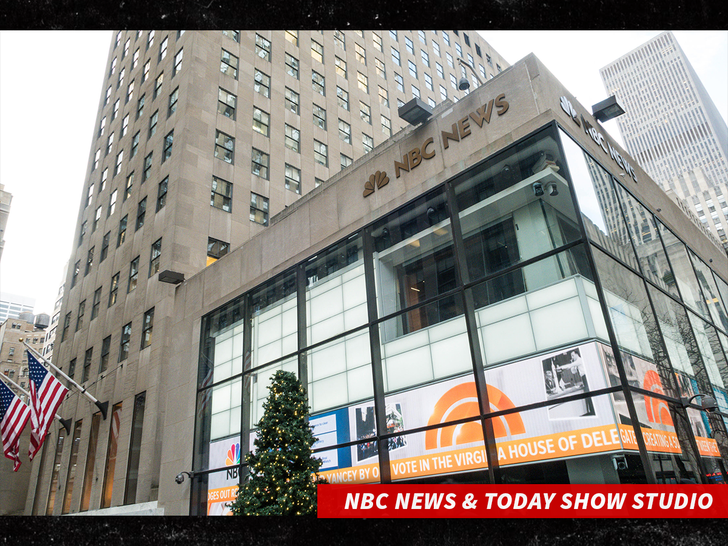
In the immediate aftermath, a heavy police presence was observed outside 30 Rockefeller Plaza as investigators meticulously worked to understand every detail of how Truelove managed to penetrate the building’s defenses. This visible police activity served as both a practical measure for the ongoing investigation and a reassurance to staff and the public that the situation was being taken seriously.
For NBC News, the firing of the security guard is likely just the first step in a broader process of reviewing and reinforcing its security infrastructure. This may involve:
- Independent Security Audits: Engaging external security experts to assess current vulnerabilities and recommend improvements.
- Enhanced Training: Implementing new or revised training programs for all security personnel, focusing on threat recognition, de-escalation, and rapid response.
- Technology Upgrades: Investing in advanced surveillance, access control, and threat detection technologies.
- Policy Revisions: Updating internal security policies and procedures to address any gaps identified during the investigation.
- Staff Communication: Ensuring transparent communication with employees about security measures and protocols to foster a culture of vigilance.
The incident serves as a stark reminder that even in seemingly secure environments, vigilance is paramount. The confluence of public access, high-profile personalities, and the unfortunate reality of individuals with harmful intentions necessitates a constant evolution of security strategies. While Craig Melvin and Al Roker quickly returned to air, the lingering questions about security effectiveness and the psychological toll of such an encounter will undoubtedly resonate within NBC and the wider media industry for some time to come. The goal will be to ensure that such a breach, particularly one involving hate-motivated aggression, is never repeated.

 Jia Lissa
 Yuyun Lusiyani
 Joko Widodo
 Eva Lovia

 Pevita Pearce