
 admin
admin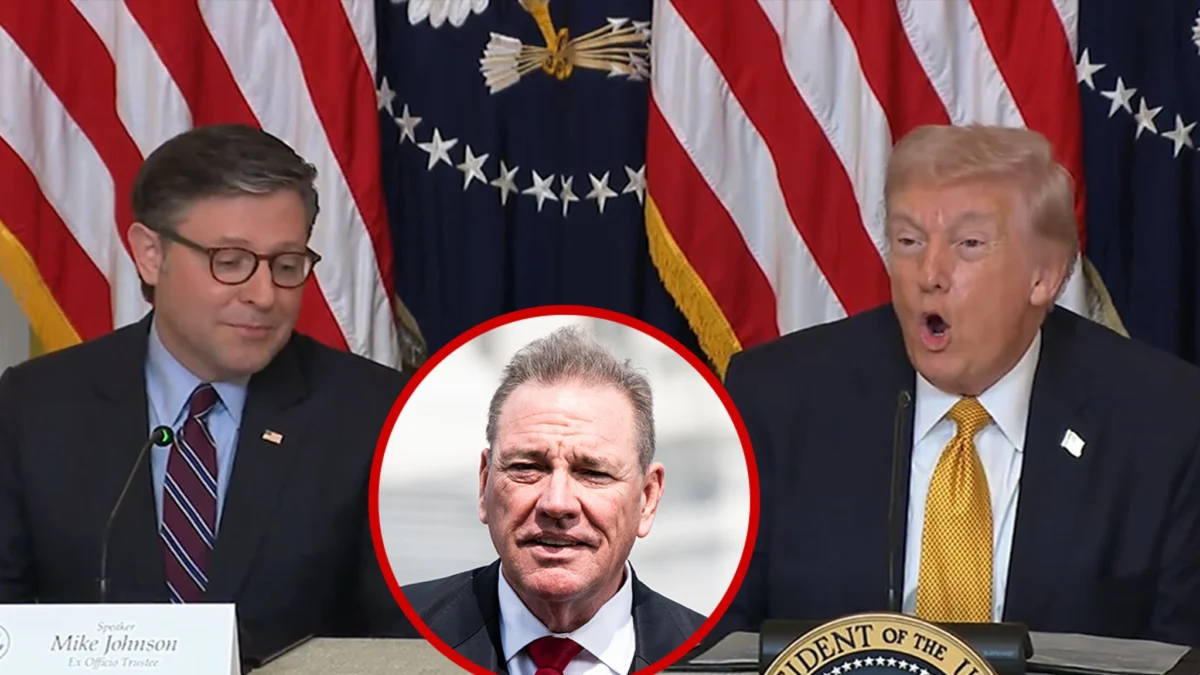
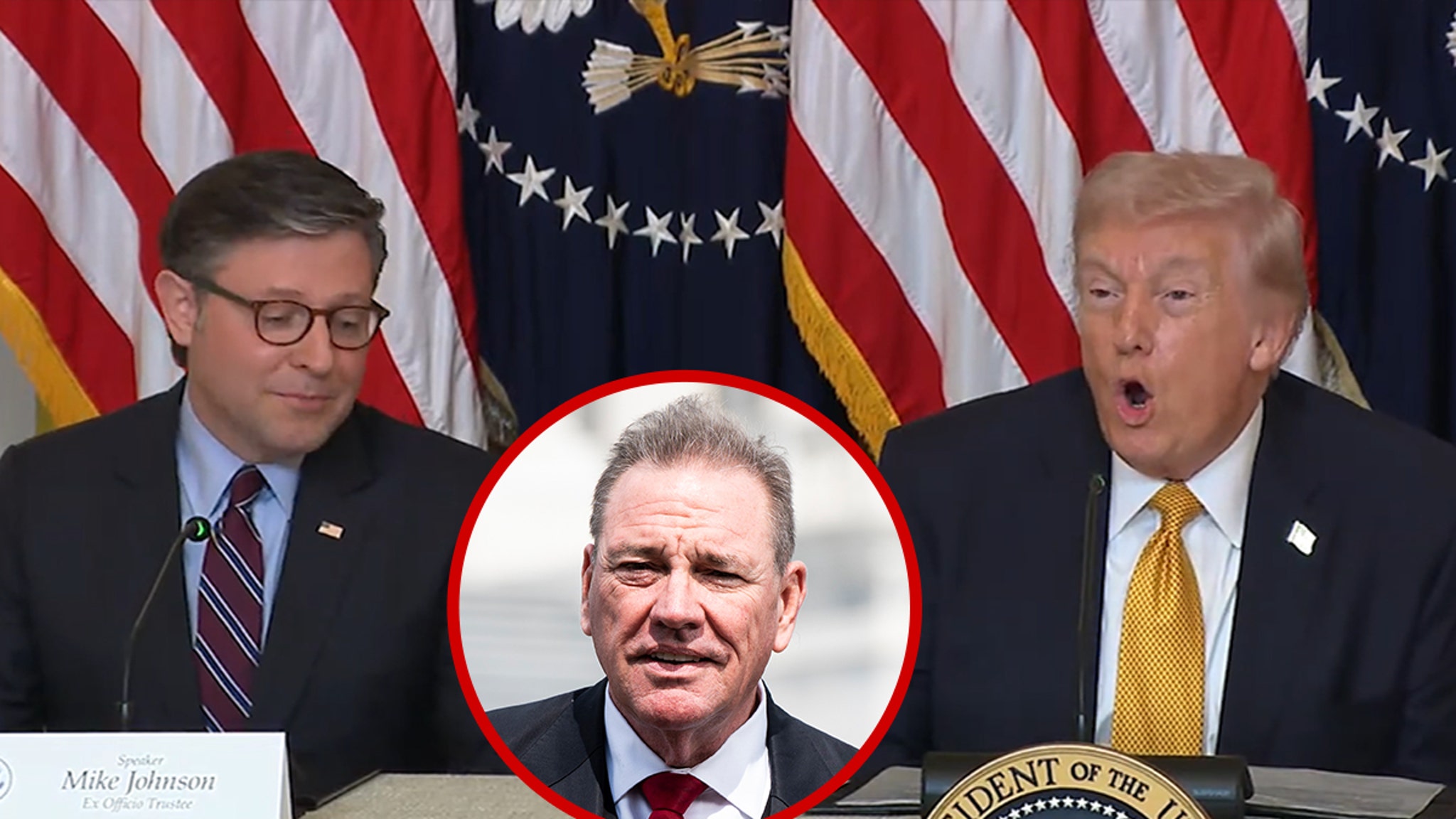
Former President Donald Trump publicly disclosed on Monday that Representative Neal Dunn (R-FL) had received a terminal diagnosis predicting his death by June, a dire prognosis that Trump claims he personally intervened to reverse. The revelation, made during a press conference on Capitol Hill, brought to light a significant health crisis faced by a sitting member of Congress and underscored the intricate dynamics of power, personal health, and political strategy within Washington D.C.
The Capitol Hill Unveiling
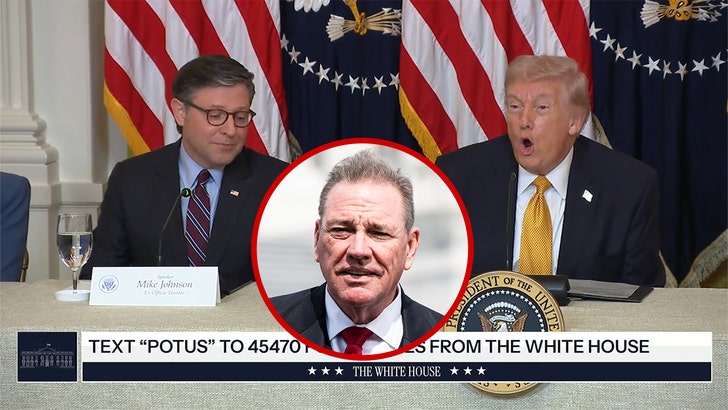
The unexpected disclosure unfolded during a press conference primarily focused on the Republican Party’s narrow majority in the House of Representatives. As Speaker Mike Johnson (R-LA) addressed reporters, discussing the critical importance of every Republican vote for advancing the party’s legislative agenda, Trump interjected to highlight the precarious health situation of one of their colleagues. While Speaker Johnson reportedly attempted to keep the details private, Trump, known for his unreserved communication style, proceeded to elaborate on Dunn’s grave medical condition.
According to Trump, Rep. Dunn had been diagnosed with a severe heart issue, with medical professionals reportedly giving him a stark timeline: he would not survive beyond June of the current year. This prognosis, if accurate and unaddressed, would have had immediate and profound implications for the Republican caucus, further eroding their already razor-thin legislative advantage. The revelation immediately shifted the focus of the press conference from legislative strategy to a deeply personal and medically sensitive matter, characteristic of Trump’s often unconventional approach to public discourse.
A Dire Prognosis and the Political Landscape
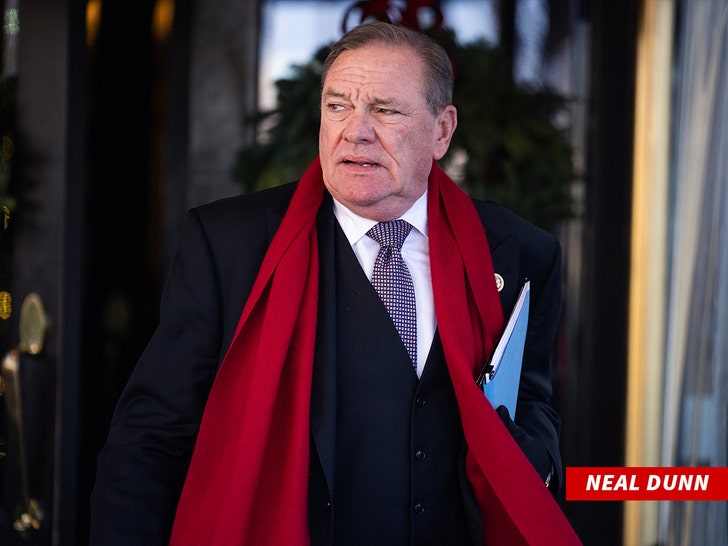
Representative Neal Dunn, a respected figure within the Republican Party and a former surgeon himself, represents Florida’s 2nd congressional district. His medical background lends a unique layer of credibility and perhaps irony to the severity of the health challenge he faced. A terminal diagnosis, particularly concerning a vital organ like the heart, would typically involve advanced stages of conditions such as congestive heart failure, severe coronary artery disease, or complex valvular issues, demanding immediate and specialized intervention.
The political backdrop against which this health crisis unfolded is crucial. The Republican Party currently holds a slim majority in the House of Representatives, often necessitating near-unanimous party-line votes to pass legislation. The absence of even a single member due to illness or any other reason can jeopardize critical votes, making every lawmaker’s presence invaluable. In such a finely balanced political environment, the potential loss of a member, especially one with Rep. Dunn’s seniority and medical expertise, would represent a significant blow, impacting everything from committee assignments to the passage of key bills on issues ranging from appropriations to national security. Trump’s emphasis on saving Dunn was thus framed not just as a humanitarian act, but also as a strategic move to preserve the party’s legislative capabilities.
The Presidential Intervention and Walter Reed’s Expertise
According to Trump, upon learning of Dunn’s critical condition and bleak prognosis, he personally intervened to facilitate access to advanced medical care. He reportedly connected Rep. Dunn with "top doctors" at the Walter Reed National Military Medical Center, a facility renowned globally for its cutting-edge medical research, comprehensive patient care, and specialized treatment for military personnel, veterans, and high-ranking government officials.
Walter Reed’s reputation as a premier medical institution makes it a logical choice for complex, life-threatening conditions. Its cardiac department, for instance, is equipped with state-of-the-art diagnostic tools and surgical capabilities, including advanced interventional cardiology procedures, complex cardiac surgery, and innovative rehabilitation programs. While specific details of Dunn’s treatment were not disclosed, the implication is that he underwent a critical medical intervention, potentially a highly complex surgical procedure or a series of intensive treatments that significantly altered the course of his illness. The speed and efficacy of such an intervention, moving from a terminal prognosis to a "new lease on life" within months, would speak volumes about the medical expertise involved.
A Remarkable Recovery and Public Statements
Following his treatment at Walter Reed, Rep. Dunn has reportedly experienced a remarkable recovery. Speaker Johnson, while seemingly hesitant to delve into the specifics of Dunn’s health, corroborated the positive outcome, stating that the lawmaker now "has a new lease on life and feels 30 years younger." This statement, coupled with Trump’s earlier pronouncements, painted a picture of a successful medical turnaround, allowing Rep. Dunn to return to his duties with renewed vigor.
The narrative crafted by Trump and supported by Johnson suggests that the intervention was not merely palliative but curative, or at least significantly life-extending. For a public figure, particularly a politician whose demanding schedule can exacerbate health issues, such a recovery is not only a personal triumph but also a testament to advanced medical science and, in this specific instance, the influence capable of securing rapid access to top-tier care.
Ethical and Political Implications of Public Disclosure
Trump’s decision to publicly reveal such intimate details about a congressman’s health, especially against Speaker Johnson’s apparent wishes for discretion, raises several ethical and political questions. While public figures often face scrutiny regarding their health, particularly when it impacts their ability to perform their duties, the direct disclosure by a former President of a current lawmaker’s private medical prognosis is unusual.
On one hand, supporters might view Trump’s actions as a transparent display of concern for a colleague and a demonstration of his perceived ability to solve critical problems, even personal health crises. It reinforces a narrative of a proactive leader who leverages his network and influence for the benefit of others, potentially earning political capital for his perceived benevolence.
On the other hand, critics and medical ethics experts might question the appropriateness of revealing such sensitive personal information without the explicit consent of the individual involved. While Rep. Dunn is a public figure, his medical history is inherently private. The Health Insurance Portability and Accountability Act (HIPAA) in the United States generally protects patient health information, though it primarily applies to healthcare providers and related entities. A President or former President is not bound by HIPAA in public statements, but the ethical considerations of privacy and respect for personal autonomy remain pertinent. The incident highlights the delicate balance between a public figure’s right to privacy and the public’s interest in the well-being of their elected representatives. It also underscores Trump’s distinct communication style, often prioritizing impact and narrative control over conventional decorum.
Rep. Dunn’s Background and Future
Representative Neal Dunn’s career prior to politics provides additional context to this event. A highly respected surgeon for over 30 years, Dunn founded a major surgical practice in Panama City, Florida, and served as Chief of Surgery at a regional medical center. His deep understanding of medicine would have made him acutely aware of the gravity of his initial diagnosis and the significance of the specialized care he received. First elected to Congress in 2016, he has served on various influential committees, including the House Energy and Commerce Committee, where health policy is a major focus. His return to full health ensures the continued presence of a seasoned and medically informed voice in Congress.
His recovery and subsequent return to active duty represent not only a personal victory but also a sustained asset for the Republican caucus. For his constituents in Florida’s 2nd district, the news brings reassurance that their representative is healthy and capable of fulfilling his respons responsibilities. The incident could also strengthen his political standing, as the narrative of overcoming a life-threatening illness, with presidential intervention, can resonate positively with voters.
Broader Implications and Precedent
The episode surrounding Rep. Neal Dunn’s health and its public disclosure by former President Trump sets a unique precedent. It illustrates the powerful informal networks that can operate at the highest levels of government, capable of mobilizing resources for personal and political ends. It also offers a stark example of how deeply personal matters can become intertwined with high-stakes political narratives, especially when a figure like Trump is involved.
Furthermore, the incident might prompt broader discussions within political circles about the protocols for disclosing the health status of elected officials, particularly when their conditions could impact governance. While transparency is often lauded, the protection of individual privacy remains a cornerstone of medical ethics. The dynamic between Speaker Johnson’s apparent desire for privacy and Trump’s public revelation underscores the varying approaches to managing such sensitive information within the political arena.
Ultimately, Rep. Dunn’s journey from a grim prognosis to a remarkable recovery, facilitated by presidential intervention and top-tier medical care, serves as a compelling narrative within the ongoing drama of American politics. It highlights the human element behind the headlines, the profound impact of health crises on individuals and institutions, and the enduring influence of powerful figures like Donald Trump, even in matters as personal as life and death.



 Jia Lissa
 Yuyun Lusiyani
 Joko Widodo
 Eva Lovia

 Pevita Pearce