
 Pevita Pearce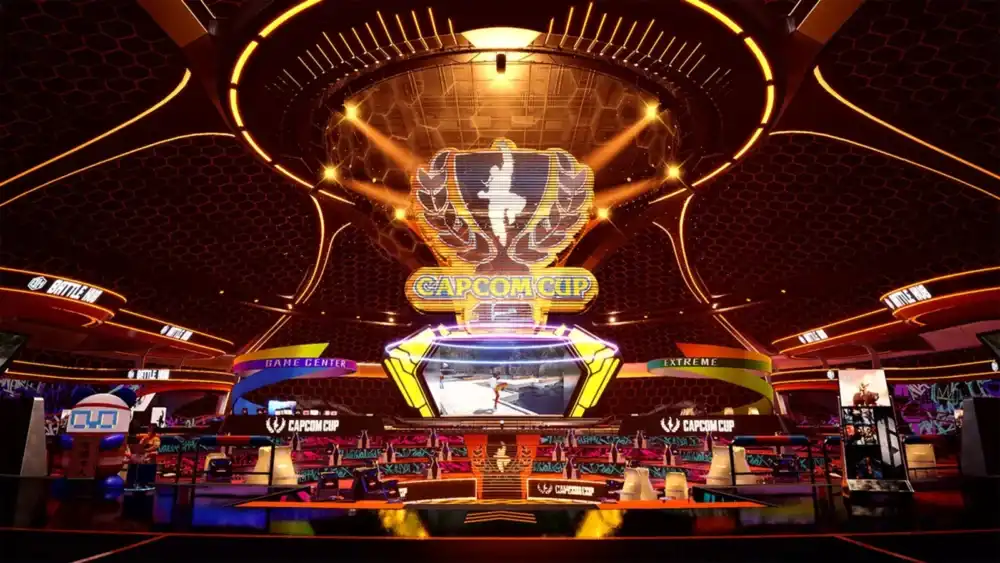
The landscape of esports broadcasting and digital rights management faced a unique challenge this week as Twitch streamer sonic_sol was issued a 48-hour suspension from the platform. The enforcement action followed a controversial broadcast in which the creator attempted to circumvent the pay-per-view (PPV) requirements of the Capcom Cup 12 finals. In a move that quickly gained traction across social media, the streamer broadcasted the high-stakes Street Fighter 6 matches not through a direct feed, but by positioning his camera to capture the reflection of the tournament stream in his glasses. This incident highlights the growing tension between game publishers seeking to monetize premier competitive content and a community accustomed to free, accessible live-streaming.
The Genesis of the Capcom Cup 12 PPV Controversy
To understand the context of the suspension, one must look at the strategic shift implemented by Capcom for its 2025 flagship event. For over a decade, the Capcom Cup has served as the pinnacle of the fighting game community (FGC), traditionally offering free access to its highest-level matches to ensure maximum reach and community engagement. However, for the 12th iteration of the tournament, Capcom announced a significant departure from this model. While the early stages of the competition remained free to view on platforms like YouTube and Twitch, the "Top 16" finals were placed behind a digital paywall.
Capcom’s pricing structure for the virtual tickets ranged from $27 for early bird access to approximately $40 for standard admission. This move was met with immediate and vocal backlash from the FGC, a community that has historically prided itself on grassroots accessibility. Critics argued that the paywall could stifle the growth of Street Fighter 6 as a spectator sport, while proponents—and likely Capcom’s financial strategists—viewed it as a necessary step toward making top-tier esports events sustainable in an era where venture capital funding for gaming organizations has significantly cooled.
Technical Circumvention and the Twitch Enforcement Action
During the Top 16 broadcast, sonic_sol, a known figure within the fighting game streaming circle, opted not to purchase a rebroadcast license or adhere to the viewing restrictions. Instead, he engaged in a method of "indirect streaming." By wearing highly reflective eyewear and facing his monitor, he allowed his viewers to see a miniature, distorted version of the Capcom Cup matches reflected on the surface of his lenses.
The stream was intended as a satirical or defiant response to the PPV model, but it quickly caught the attention of both the community and Twitch’s moderation team. Shortly after the broadcast concluded, the automated tracking service StreamerBans confirmed that sonic_sol’s channel had been taken offline. The streamer later confirmed the duration of the penalty on X (formerly Twitter), stating, “2-day vacation, I’ll be alright.”
While Twitch maintains a policy of not commenting on individual bans to protect user privacy, the suspension aligns with the platform’s stringent Digital Millennium Copyright Act (DMCA) guidelines and its Terms of Service regarding the unauthorized rebroadcasting of copyrighted material. Even though the footage was captured via reflection, the intent to distribute protected content without authorization generally falls under prohibited conduct.
Timeline of the Incident and Subsequent Reactions
The chronology of the event suggests a swift response from either the rights holder or Twitch’s internal monitoring systems:
- January 2025: Capcom officially announces the PPV format for Capcom Cup 12, citing the need for "premium production value" and "sustainability."
- Tournament Weekend: The Capcom Cup 12 begins, with record-breaking viewership for the open-bracket portions of the event.
- The Incident: During the Top 16 finals, sonic_sol begins his "reflection stream," drawing thousands of concurrent viewers who were either unwilling to pay the PPV fee or were curious about the novelty of the bypass attempt.
- The Suspension: Within hours of the stream ending, the channel is flagged and suspended.
- The Aftermath: Social media discussions erupt, with the hashtag #CapcomCup12 trending alongside debates regarding the ethics of pay-walled esports.
Capcom’s original announcement had been explicit regarding these types of activities. The company stated: “For the enjoyment of our paying subscribers, we ask that you refrain from publicly sharing footage of the CC12 and SFLWC2025 Finals on video streaming services, social media, or any other online or offline platforms without permission of Capcom.” The use of a reflection, while creative, was interpreted by the broader community as a clear violation of the spirit, if not the technical letter, of this mandate.
Economic and Strategic Data: The Shift in Esports Monetization
The decision to put Capcom Cup 12 behind a paywall is not an isolated incident but part of a broader trend in the digital entertainment industry. Data from esports market analysts suggests that the "free-to-watch" model, which relied heavily on sponsorships and publisher marketing budgets, is being re-evaluated.
- Revenue Streams: Traditional sports leagues (NFL, NBA, Premier League) generate the vast majority of their revenue through broadcasting rights. Esports has struggled to replicate this, with most platforms like Twitch and YouTube favoring open access to drive user engagement.
- Prize Pool Sustainability: With Capcom Cup previously offering a $1 million grand prize for Street Fighter 6, the overhead costs for such tournaments are astronomical. A $40 ticket for tens of thousands of viewers represents a direct revenue stream that can offset these costs.
- The "React" Meta: Twitch has seen a rise in "react" content, where streamers watch and comment on other creators’ or companies’ videos. Publishers are increasingly protective of their "Big Stage" moments, viewing unauthorized restreaming—even with commentary—as a loss of potential revenue.
For sonic_sol, the two-day suspension serves as a relatively mild "warning shot." However, for the platform, it reinforces the precedent that "transformative" use has its limits when it involves live, pay-walled sporting events.
Broad Implications for the Fighting Game Community
The suspension of sonic_sol has ignited a deeper conversation within the FGC regarding the future of tournament viewership. For decades, the FGC has operated on a "community-first" basis. The transition to a corporate-heavy, pay-per-view model feels, to some, like a betrayal of those grassroots origins.
However, industry experts point out that as prize pools grow and production values rival those of network television, the cost of entry must be shared by the consumer. The "glasses reflection" incident is being viewed by some as a modern-day "Robin Hood" act, while others see it as a copyright infringement that jeopardizes the professionalization of the sport.
There is also the question of "Fair Use." In US copyright law, transformative use can sometimes protect a creator. However, in the context of live sports and gaming tournaments, courts have historically sided with the rights holders, especially when the "transformative" element (the reflection in the glasses) does not sufficiently alter the primary value of the content—which, in this case, was the high-level gameplay.
Official Responses and Platform Accountability
Capcom has not issued a specific statement regarding sonic_sol, choosing instead to let the platform’s enforcement mechanisms handle the violation. This is a standard corporate strategy to avoid giving additional publicity to "restreamers."
Twitch’s role in this ecosystem remains complex. As a service provider, they are protected by "Safe Harbor" provisions under the DMCA, provided they act quickly to remove infringing content once notified. The speed of sonic_sol’s ban suggests that Capcom likely had a dedicated team monitoring for unauthorized streams throughout the Top 16 broadcast.
Conclusion: A New Era of Digital Rights Enforcement
The two-day suspension of sonic_sol marks a pivotal moment in the relationship between streamers and major game publishers. As Capcom and other industry leaders like Nintendo and Bandai Namco continue to experiment with monetization, the boundaries of "content creation" will be tested.
The incident proves that "creative" attempts to bypass digital rights management—whether through reflections, filters, or audio-only broadcasts—are increasingly easy for rights holders to identify and penalize. For the FGC, the debate over the $40 paywall remains unresolved, but the message from the platforms and publishers is clear: the era of unrestricted, free access to the industry’s most prestigious finals may be coming to an end. As sonic_sol prepares to return from his "vacation," the streaming community at large has been given a clear indication of the risks associated with challenging the new economic reality of professional gaming.




 Yuyun Lusiyani
 Joko Widodo
 Eva Lovia
 admin
admin
 Lina Irawan