
 Yuyun Lusiyani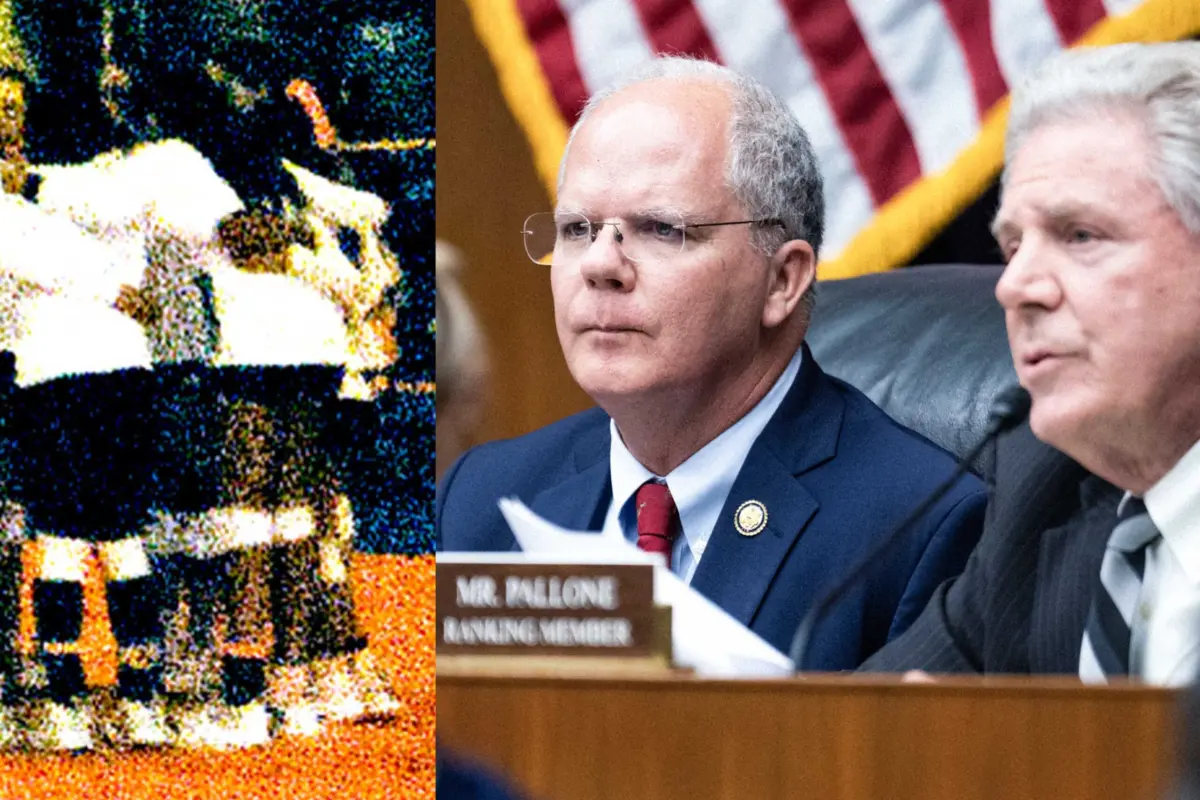
Bipartisan leaders from the influential House Energy and Commerce Committee initiated a formal inquiry on Wednesday into the Amateur Athletic Union (AAU), a colossal youth sports organization, leveling severe criticism against its alleged failures in handling child sexual abuse allegations. The committee’s action, which demands immediate answers and a comprehensive briefing, comes in the wake of explosive investigative reporting by ProPublica and The Washington Post that meticulously detailed widespread systemic issues within the AAU. This congressional intervention signals a renewed federal focus on athlete safety, particularly for organizations operating outside the direct purview of the U.S. Center for SafeSport.
The Congressional Inquiry Unfolds
The committee’s probe began with a sharply worded letter addressed to Jo Mirza, the president of the AAU. The correspondence unequivocally states, "It is unacceptable that AAU is failing to implement standard reforms to protect child athletes, and is misleading the public, parents, and athletes about preventative measures in place within AAU sports." This strong condemnation underscores the committee’s immediate concern regarding the organization’s transparency and protective measures.
Representative Brett Guthrie (R-KY), the committee chair, further articulated the gravity of the situation in a subsequent statement on Thursday, describing the ProPublica and The Post’s reporting as "deeply disturbing" and raising "serious questions about the organization’s actions over the past decade." Guthrie emphasized the committee’s objective, stating, "Our Committee is seeking information on how the AAU’s policies have potentially fallen short, and what needs to be done in order to protect young athletes." The committee has set a stringent deadline, demanding a personal briefing from Mirza by October 21, in addition to detailed written responses to a series of probing questions.
The letter, co-signed by Ranking Democrat Frank Pallone Jr. (D-NJ) and other key representatives overseeing investigations, demands specific data long shrouded in secrecy by the AAU. This includes the annual number of sexual abuse allegations received by the nonprofit, the corresponding number of coaches disciplined, and a thorough outline of its safety policies and coach training protocols. The committee’s insistence on this data directly addresses the AAU’s prior refusal to provide such information to the investigative journalists, highlighting a perceived lack of transparency.
Echoes of Past Scandals: The Nassar Precedent
Crucially, the House Energy and Commerce Committee is no stranger to such investigations. In 2018, the same committee played a pivotal role in scrutinizing the systemic failures surrounding the widespread sexual abuse perpetrated by former USA Gymnastics doctor Larry Nassar and others. The committee members explicitly noted "seeing parallels" between their past investigation into USA Gymnastics and "what is being uncovered within the AAU today." This comparison is highly significant, suggesting that the committee perceives the AAU’s alleged failings as potentially mirroring the institutional complicity and negligence that allowed Nassar’s abuses to continue for years.
The Nassar scandal and the subsequent congressional scrutiny ultimately led to the passage of the Safe Sport Act in 2018. This landmark legislation established the U.S. Center for SafeSport, an independent oversight body empowered to investigate allegations of sexual misconduct in Olympic and Paralympic sports and to suspend or ban coaches for life. The committee’s current inquiry into the AAU therefore carries the weight of this legislative precedent, signaling a potential willingness to push for further reforms or expand existing laws if the AAU’s practices are found to be severely lacking.
AAU’s Troubling History and Investigative Findings
The ProPublica and The Washington Post investigation, which spurred this congressional action, painted a damning picture of the AAU. With approximately 760,000 athletes and coaches nationwide, the AAU is one of the largest and oldest youth sports organizations in the United States. The investigation meticulously documented how the AAU has allegedly failed on nearly every level to adequately protect young athletes from sexual abuse, critically breaking pledges it made in the wake of a significant sexual abuse scandal involving its then-CEO and young basketball players in 2011.
According to the report, the AAU has, disturbingly, become a "haven for coaches suspected of abuse." This finding was based on a comprehensive review of public disciplinary lists from other sports organizations and extensive interviews with current and former executives from six national sports governing bodies and other key stakeholders. The investigation revealed that, contrary to its public claims, the AAU does not offer consistent child abuse prevention training. Furthermore, it alleged that the organization has actively suppressed allegations of sexual misconduct, including a notable instance against another top executive in 2018. The practice of using confidential arbitration clauses to prevent lawsuits from child sexual abuse victims from being heard in open court was also highlighted, effectively shielding the organization from public accountability and hindering justice for survivors. Unlike many other youth sports groups that maintain public lists of banned coaches, the AAU does not, further obscuring its disciplinary actions.
A National Reach, A Critical Gap in Oversight
The core issue that makes the House Energy and Commerce Committee’s involvement particularly vital is the jurisdictional limitation of the Safe Sport Act. While the Act created the U.S. Center for SafeSport, its authority primarily extends to national sports governing bodies, such as USA Gymnastics and USA Volleyball, which are overseen by the U.S. Olympic and Paralympic Committee. This means that a significant portion of the law, including SafeSport’s direct investigatory powers, does not apply to independent organizations like the AAU.
However, the Safe Sport Act does contain a crucial provision that mandates "all amateur sports organizations" – not solely those under the Olympic umbrella – to "offer and provide consistent training to all adult members … regarding prevention and reporting of child abuse." The Energy and Commerce Committee’s letter specifically cites this provision, demanding that the AAU provide a detailed explanation of how it complies with this legal requirement. This legislative leverage allows Congress to hold the AAU accountable even without direct SafeSport jurisdiction, emphasizing that basic child protection standards are expected across the entire amateur sports landscape.
The Call for Transparency and Accountability
The committee’s demands extend beyond mere policy statements, seeking tangible evidence of the AAU’s commitment to safety. The request for specific numbers on abuse allegations and disciplinary actions is designed to pierce through the veil of secrecy that has long surrounded the organization’s internal processes. The lack of a public banned coaches list, as noted by the ProPublica and The Post investigation, stands in stark contrast to best practices adopted by many other youth sports bodies, which prioritize transparency to prevent abusers from simply moving between organizations. The alleged use of confidential arbitration clauses further underscores concerns that the AAU has prioritized its institutional reputation and financial interests over the welfare and justice of child victims.
The congressional inquiry underscores a broader societal demand for greater transparency and accountability from all organizations entrusted with the care and development of children. Parents, athletes, and the public expect robust protective measures, clear reporting mechanisms, and decisive action against individuals who exploit their positions of trust. The committee’s work could set a precedent for how Congress addresses child safety within the vast, fragmented world of amateur youth sports that often operates outside direct federal oversight.
AAU’s Official Response and Future Prospects
In response to the congressional inquiry, the AAU issued a concise statement: "As always, we will cooperate fully and respond appropriately to any questions or requests from congressional committees or U.S. government agencies." This statement mirrors previous assurances made to ProPublica and The Post, where the AAU asserted its commitment to "protecting its athletes through comprehensive protection policies overseen by our Compliance Department" and emphasized an "ongoing commitment to providing a safe, secure, supportive, and trusted environment where athletes can thrive."
However, these generalized statements now face intense scrutiny from Capitol Hill. The committee’s demand for a personal briefing from President Jo Mirza and specific, data-driven answers indicates that generic pledges of cooperation will likely be insufficient. The October 21 deadline looms large, potentially serving as a critical juncture for the AAU to either demonstrate a genuine commitment to reform and transparency or face further congressional pressure and public backlash. The committee’s power to compel testimony, subpoena documents, and even recommend legislative changes means the AAU is at a pivotal moment.
Broader Implications for Youth Sports Safety
This congressional investigation carries significant implications for the landscape of youth sports safety across the United States. The House Energy and Commerce Committee, as a key congressional group overseeing the federal youth sports safety system, possesses the authority not only to push for changes in child safety law but also to force transparency from organizations like the AAU that have historically failed to deliver on past promises of reform.
Should the inquiry uncover further systemic failures, it could lead to several outcomes:
- Expanded Legislation: Congress might consider amendments to the Safe Sport Act, potentially extending the U.S. Center for SafeSport’s jurisdiction or creating new oversight mechanisms for large, independent youth sports organizations.
- Increased Scrutiny: The investigation could prompt other federal agencies or state legislatures to initiate their own inquiries into youth sports organizations, fostering a broader culture of accountability.
- Enhanced Best Practices: The public pressure and potential for new regulations could compel all youth sports groups to re-evaluate and strengthen their child protection policies, training programs, and reporting protocols, including implementing public banned lists and avoiding confidential arbitration clauses.
- Restoration of Trust: Ultimately, successful congressional intervention could help restore public trust in youth sports, ensuring that millions of young athletes can participate in a safe and supportive environment free from the threat of abuse.
The unfolding inquiry into the AAU represents a critical moment in the ongoing national effort to safeguard children in sports, reaffirming that no organization, regardless of its size or legacy, is above accountability when it comes to protecting its most vulnerable participants.

 Ana Megawati
 Joko Widodo
 Eva Lovia
 Jia Lissa
 Pevita Pearce