
 Yuyun Lusiyani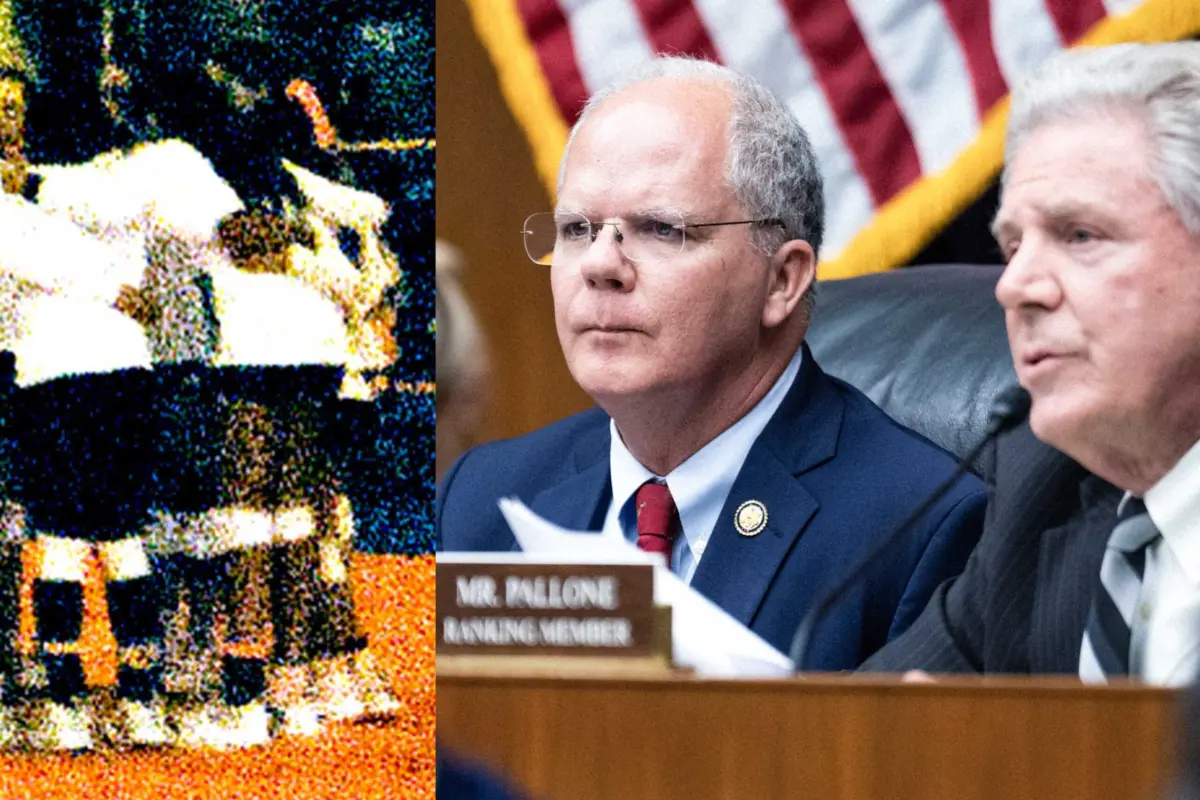
Washington D.C. — In a significant move signaling heightened congressional scrutiny over youth sports safety, bipartisan leaders of the powerful House Energy and Commerce Committee have launched a formal inquiry into the Amateur Athletic Union (AAU), one of the nation’s largest and oldest youth sports organizations. The committee’s action, initiated on Wednesday, stems from deeply troubling investigative reports by ProPublica and The Washington Post, which uncovered widespread failures by the AAU in protecting young athletes from sexual abuse. Lawmakers are demanding immediate answers and a comprehensive briefing, explicitly criticizing the organization for its alleged inability to implement standard reforms and its purported misleading of the public, parents, and athletes regarding preventative measures.
Congressional Scrutiny Intensifies: The House Inquiry
The formal inquiry was initiated through a strongly worded letter addressed to Jo Mirza, the President of the AAU. Signed by Committee Chair Brett Guthrie (R-KY), Ranking Member Frank Pallone Jr. (D-NJ), and representatives overseeing oversight and investigations, the letter underscores the gravity of the allegations. It asserts, “It is unacceptable that AAU is failing to implement standard reforms to protect child athletes, and is misleading the public, parents, and athletes about preventative measures in place within AAU sports.”
Representative Guthrie further elaborated on the committee’s concerns in a statement released on Thursday, describing the investigative reporting as "deeply disturbing." He emphasized that the findings “raise serious questions about the organization’s actions over the past decade.” The committee, which previously spearheaded a critical investigation into systemic failures surrounding sexual abuse by former USA Gymnastics doctor Larry Nassar in 2018, explicitly stated in its letter that it is “seeing parallels” between that harrowing past investigation and “what is being uncovered within the AAU today.” This comparison alone elevates the current inquiry to a level of profound national importance, suggesting a potential repeat of systemic institutional failures to protect vulnerable children.
The committee’s demands are detailed and direct, seeking to pierce through what has long been described as a veil of secrecy surrounding the AAU’s operations. Among the critical information requested are specific data points that the AAU has historically refused to disclose, even to investigative journalists. These include the precise number of sexual abuse allegations the nonprofit receives annually and the number of coaches disciplined as a result. The letter also probes the AAU’s safety policies, coach training protocols, and its overall compliance mechanisms. Crucially, the committee has taken the extraordinary step of demanding a direct briefing from President Mirza to the committee by October 21, indicating a serious intent to hold the organization accountable and understand the full scope of its alleged shortcomings.
Investigative Foundations: ProPublica and The Washington Post’s Findings
The congressional inquiry is a direct response to a meticulous and damning joint investigation published by ProPublica and The Washington Post. Their reporting painted a grim picture of the AAU, an organization that supervises approximately 760,000 athletes and coaches across the United States. The investigation concluded that the AAU is failing on virtually every front to adequately shield young athletes from sexual abuse, falling short of its fundamental duty of care.
A central finding of the journalistic probe was that the AAU has, in practice, become a “haven for coaches suspected of abuse.” This alarming conclusion was drawn from an extensive review of public disciplinary lists from other sports organizations, coupled with interviews with current and former executives from six national sports governing bodies and other key stakeholders within the youth sports ecosystem. Unlike many other reputable youth sports groups, the AAU does not maintain or publish a public list of banned coaches, making it challenging for parents and other organizations to identify and avoid individuals with histories of misconduct.
Furthermore, the investigation revealed significant discrepancies between the AAU’s public claims and its actual practices regarding child abuse prevention. Despite publicly asserting that it provides such training, ProPublica and The Post found that the AAU does not, in fact, offer child abuse prevention training to its adult members. This alleged failure represents a critical breach of trust and a significant gap in athlete protection. The reporting also highlighted instances where the AAU allegedly suppressed allegations of sexual misconduct, including a notable case involving another top executive within the organization in 2018, further illustrating a pattern of institutional cover-up rather than transparency and accountability. Another concerning practice identified was the AAU’s use of confidential arbitration clauses to settle lawsuits brought by child sexual abuse victims, effectively preventing these cases from being heard in open court and shielding the organization from public scrutiny and accountability.
The Amateur Athletic Union: A Giant in Youth Sports
Founded in 1888, the Amateur Athletic Union stands as one of the oldest and largest multi-sport, grassroots amateur sports organizations in the world. Its mission, as stated, is to promote and develop amateur sports and physical fitness programs. The AAU sanctions tens of thousands of events annually across numerous sports, including basketball, volleyball, track and field, gymnastics, and wrestling, reaching millions of participants. Its vast network, encompassing hundreds of thousands of athletes and coaches nationwide, makes its role in the youth sports landscape indispensable and its potential impact on athlete safety profound. The organization operates largely through a decentralized structure, with numerous local and regional clubs operating under the AAU umbrella, which complicates oversight and enforcement of uniform safety standards. This expansive reach, while enabling broad participation in sports, also creates unique challenges for ensuring consistent implementation of robust child protection policies across all its affiliated programs.
A History of Unfulfilled Promises: Previous Scandals and Pledges
The current inquiry is not the first time the AAU has faced serious allegations regarding its handling of sexual abuse. The ProPublica and The Washington Post investigation explicitly noted that the organization is breaking pledges it made in the wake of a 2011 sexual abuse scandal. That scandal involved the AAU’s then-CEO and young basketball players, prompting a wave of criticism and a public commitment from the organization to implement stringent reforms to better protect its athletes. The current findings suggest that these past promises were either inadequately fulfilled or completely abandoned, indicating a concerning pattern of systemic failure and a lack of sustained commitment to child safety. This historical context provides crucial background for the committee’s present concerns, underscoring a perceived institutional resistance to fundamental change.
The Legislative Landscape: The Safe Sport Act and its Limitations
The House Energy and Commerce Committee is one of the pivotal congressional groups tasked with overseeing the federal youth sports safety system. Its authority extends to pushing for changes in child safety law and compelling transparency from organizations, especially those that have a history of failing to deliver on reform promises, like the AAU.
A significant piece of legislation in this domain is the Safe Sport Act, passed in 2018 in the wake of the devastating allegations against former USA Gymnastics doctor Larry Nassar. This landmark law led to the creation of the U.S. Center for SafeSport, an independent oversight body specifically designed to investigate allegations of sexual misconduct in sports and empowered to impose severe penalties, including lifetime bans for coaches and other personnel. The Safe Sport Act was a direct response to the glaring failures of national governing bodies to protect athletes and aimed to centralize and standardize the handling of abuse allegations.
However, a critical limitation of the Safe Sport Act, which is central to the current AAU inquiry, is its jurisdiction. The U.S. Center for SafeSport primarily has authority over national sports governing bodies (NGBs) like USA Gymnastics and USA Volleyball that are overseen by the U.S. Olympic and Paralympic Committee (USOPC). Because the AAU is not directly affiliated with the USOPC or designated as an NGB under its purview, much of the Safe Sport Act’s robust investigatory and enforcement powers do not directly apply to the organization. This regulatory gap means that while Olympic-affiliated sports have a centralized, independent body for handling abuse cases, non-Olympic affiliated behemoths like the AAU operate in a different, less comprehensively regulated space, making direct congressional intervention even more vital.
Despite this jurisdictional nuance, the Safe Sport Act does contain a broader provision that applies to “all amateur sports organizations,” not just NGBs. This provision mandates that these organizations “offer and provide consistent training to all adult members … regarding prevention and reporting of child abuse.” The Energy and Commerce Committee’s letter specifically cites this provision, demanding that the AAU provide a detailed explanation of how it complies with this legal requirement. This particular line of questioning highlights a direct legal obligation that the AAU is accused of failing to meet, irrespective of its Olympic affiliation status.
AAU’s Official Response
In response to the congressional inquiry, the AAU released a statement affirming its commitment to cooperation. The organization stated, “As always, we will cooperate fully and respond appropriately to any questions or requests from congressional committees or U.S. government agencies.” This statement echoes previous assurances made to ProPublica and The Washington Post, where the AAU asserted its commitment to athlete protection. In those instances, the AAU maintained that it is “committed to protecting its athletes through comprehensive protection policies overseen by our Compliance Department,” and emphasized its “ongoing commitment to providing a safe, secure, supportive, and trusted environment where athletes can thrive.” While these statements convey an intent to comply and a dedication to athlete welfare, the committee’s explicit criticisms suggest that, in practice, the organization’s actions have not aligned with its stated policies or promises. The upcoming briefing and the specific data demands will test the sincerity and efficacy of these stated commitments.
Broader Implications: The Future of Youth Sports Safety
The House Energy and Commerce Committee’s inquiry into the AAU carries significant implications for the landscape of youth sports safety across the United States. Should the investigation confirm the systemic failures alleged by ProPublica and The Washington Post, it could serve as a powerful catalyst for legislative reform, potentially leading to amendments to the Safe Sport Act or the creation of new laws designed to close regulatory gaps. One key implication is the potential expansion of the U.S. Center for SafeSport’s jurisdiction or the establishment of a similar independent oversight body for non-Olympic affiliated youth sports organizations. This would ensure that all children participating in organized sports, regardless of their affiliation with the Olympic movement, benefit from the same high standards of protection and independent adjudication of abuse allegations.
Beyond legislative action, this inquiry places immense pressure on the AAU to fundamentally reform its child protection policies, training protocols, and transparency practices. It could force the organization to publish lists of banned coaches, implement mandatory and verified child abuse prevention training, and cease the use of confidential arbitration clauses in abuse cases. Such changes would not only benefit AAU athletes but could also set a new precedent for other large, decentralized youth sports organizations that currently operate with less federal oversight.
Moreover, the inquiry serves as a critical reminder to parents, coaches, and administrators about the ongoing vigilance required to safeguard young athletes. It highlights the importance of independent journalism in uncovering institutional failures and the vital role of congressional oversight in holding powerful organizations accountable. The parallels drawn to the Nassar scandal underscore the committee’s determination to prevent future widespread abuse and to ensure that the lessons learned from past tragedies translate into concrete, enforceable protections for every child in sports. This investigation is not merely about one organization; it is about reinforcing the integrity and safety of the entire youth sports ecosystem, ensuring that sports remain a positive and nurturing environment for development, free from the shadow of abuse.
Looking Ahead: Key Questions and Next Steps
The next critical juncture in this unfolding inquiry will be the AAU President Jo Mirza’s briefing to the House Energy and Commerce Committee by October 21. This briefing, along with the detailed answers to the committee’s specific questions, will provide lawmakers with a clearer understanding of the AAU’s internal operations, its historical handling of abuse allegations, and its current plans for reform.
Key questions that will likely drive the committee’s follow-up actions include:
- What specific steps has the AAU taken since the 2011 scandal to enhance child protection, and why have these allegedly failed?
- How does the AAU reconcile its public statements about offering child abuse prevention training with findings that such training is not provided?
- What data can the AAU provide on the number of sexual abuse allegations, investigations, and disciplinary actions taken against coaches and other personnel?
- Will the AAU commit to publishing a public list of banned individuals and ceasing the use of confidential arbitration clauses for abuse cases?
Depending on the information provided and the committee’s assessment of the AAU’s responses, further actions could include public hearings, subpoenas for additional documents or testimony, and the drafting of new legislative proposals aimed at strengthening child protection laws for all amateur sports organizations. This inquiry marks a crucial moment for youth sports safety, with the potential to reshape how large, independent sports organizations are held accountable for the well-being of the hundreds of thousands of children under their care.

 Ana Megawati
 Joko Widodo
 Eva Lovia
 Jia Lissa
 Pevita Pearce