
 Yuyun Lusiyani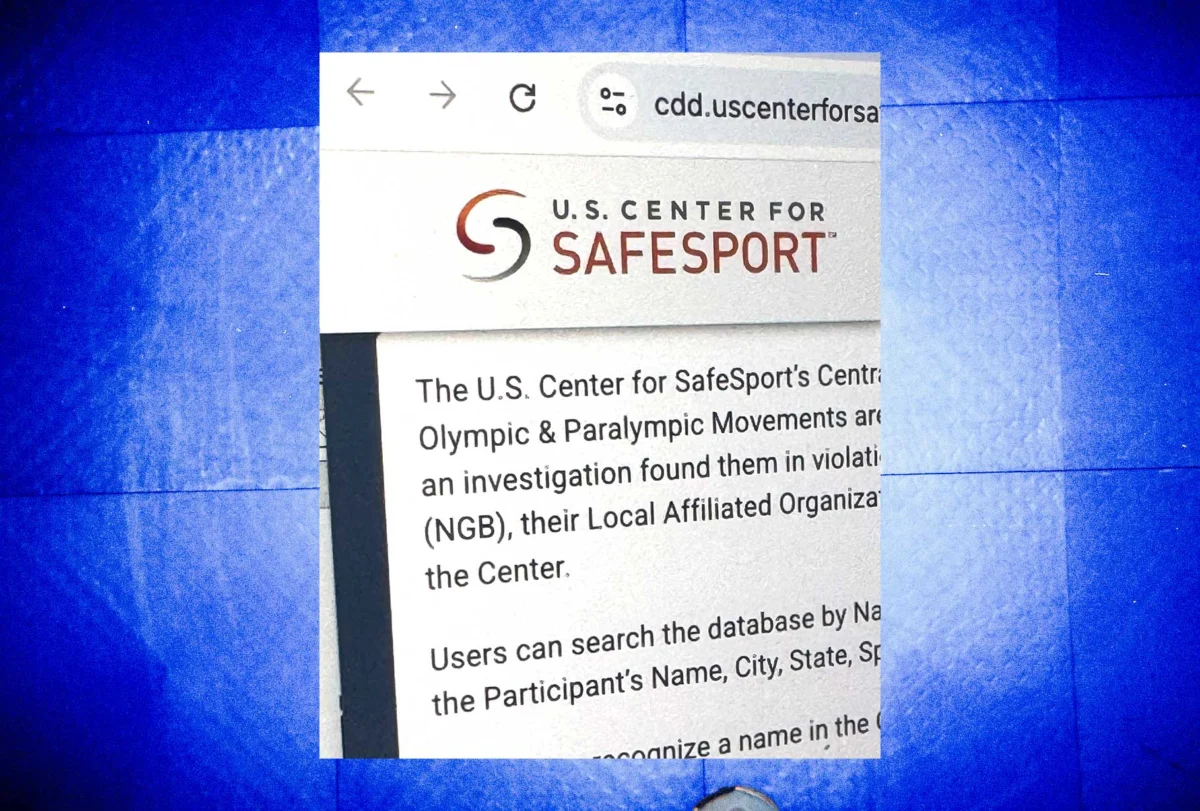
As a reporter who has dedicated years to investigating the systemic failures within youth sports organizations, first for The Washington Post and now with ProPublica, I have delved deep into the alarming reality of how these institutions often fall short in safeguarding children from sexual predators. My work has involved countless conversations with parents – some grappling with the devastating aftermath of their children being victimized by coaches, others desperately seeking knowledge on how to proactively protect their kids. A recurring theme emerged from these interactions: an overwhelming sense among parents that they lacked the essential information needed to navigate the convoluted system ostensibly designed to ensure their children’s safety. This guide aims to demystify that system, offering critical insights into its operations, its limitations, and the proactive steps parents can take.
The Genesis of SafeSport: A Response to National Crisis
The establishment of the U.S. Center for SafeSport in 2018 was not a proactive measure but a direct legislative response to one of the most egregious scandals in American sports history: the widespread sexual abuse perpetrated by former USA Gymnastics team doctor Larry Nassar, alongside revelations of misconduct by other prominent sports figures. The Nassar scandal, which brought to light the horrific abuse of hundreds of young athletes over decades and the institutional failures that allowed it to persist, ignited a national outcry. Congress responded by passing the Protecting Young Victims from Sexual Abuse and Safe Sport Authorization Act of 2017, widely known as the Safe Sport Act. This landmark legislation mandated the creation of an independent entity, the U.S. Center for SafeSport, tasked with overseeing and enforcing a consistent set of safety standards across Olympic and Paralympic sports. Its primary objective was to ensure that such systemic failures never again jeopardize the well-being of young athletes, providing a centralized authority for reporting, investigating, and adjudicating allegations of abuse.
Understanding SafeSport’s Mandate and Operational Framework
At its core, SafeSport serves as the central authority for addressing allegations of abuse within the Olympic and Paralympic movements in the United States. Its jurisdiction extends to all 50 national sports governing bodies (NGBs), which include major organizations like USA Swimming, USA Volleyball, U.S. Soccer, and USA Basketball. These NGBs, in turn, are overseen by the U.S. Olympic and Paralympic Committee (USOPC). This framework means SafeSport is responsible for investigating allegations of sexual abuse, and in some cases, emotional and physical abuse, from the grassroots recreational level up to elite Olympic athletes.
The process typically begins with a report. While coaches and club administrators are legally mandated to report any suspected misconduct to SafeSport, any individual – a parent, an athlete, a concerned bystander – can submit a report online or via phone. Upon receiving a report, SafeSport evaluates the allegations to determine if they fall within its jurisdiction and warrant a formal investigation. It’s important to note that SafeSport does not investigate every single complaint; cases must meet specific criteria related to the nature of the alleged abuse and the individuals involved.
If an investigation is initiated, SafeSport has the authority to implement temporary measures, including interim measures or temporary suspensions, especially if the allegations are recent or particularly serious. This means a coach could be temporarily placed on the "SafeSport list," a publicly accessible database, while the investigation proceeds. The center’s investigative process is designed to gather evidence, interview witnesses, and ensure due process for all parties. Should the allegations be substantiated, SafeSport can issue a range of sanctions. These can vary from mandatory training and specific restrictions on interactions with athletes to temporary suspensions or, in the most severe cases, permanent bans, rendering individuals "permanently ineligible" from participating in any capacity within the U.S. Olympic and Paralympic movements. SafeSport can also issue bans based on certain types of criminal convictions, particularly those involving the abuse of minors, even without a direct report to the center. If a coach is ultimately found not to have engaged in misconduct, their name is removed from any temporary listing.
The Public SafeSport List: A Critical Resource with Caveats
The SafeSport list is intended to be a vital public resource, allowing parents, athletes, and sports organizations to check the eligibility status of coaches, staff, and volunteers. An individual listed as "permanently ineligible" or "suspended" is prohibited from association with any team or organization under the jurisdiction of the 50 NGBs. This means they cannot coach, volunteer, or interact with athletes in any official capacity within those sports. Any adult within an NGB-affiliated organization who knowingly allows a banned individual to participate is also in violation of the SafeSport Code.
However, a critical loophole exists within this system, posing a significant challenge to comprehensive athlete protection. A coach who has been permanently banned by SafeSport can, in many instances, continue working with children by joining clubs or organizations that are not affiliated with an NGB or do not voluntarily adhere to SafeSport’s standards. This jurisdictional gap means that while millions of young athletes are covered by SafeSport’s protections, millions more participate in local, independent leagues or non-Olympic sports that fall outside its direct purview. This creates a dangerous pathway for predators to simply move to an unregulated environment, highlighting a persistent systemic vulnerability.
Beyond Investigations: Training and Prevention Policies
SafeSport’s role extends beyond investigations and sanctions. The center is also instrumental in developing and mandating comprehensive training programs for coaches, administrators, and other adults involved in NGB-affiliated sports. These training modules are crucial for educating adults on recognizing, preventing, and reporting sexual abuse. They cover topics such as understanding grooming behaviors, identifying red flags, and adhering to ethical boundaries.
Furthermore, SafeSport enforces strict policies designed to govern adult-minor interactions, most notably the Minor Athlete Abuse Prevention Policy (MAAPP). MAAPP sets clear rules regarding one-on-one interactions, social media communication, and travel arrangements, all aimed at minimizing opportunities for abuse. For instance, MAAPP typically prohibits one-on-one unsupervised contact between an adult and a minor athlete unless specific exceptions apply and are properly documented.
While training is mandatory for adults, it is only required for athletes aged 18 and older. Optional courses are provided for younger athletes and, crucially, for parents. My reporting has consistently shown that parental awareness of these training resources is woefully low, yet it is arguably one of the most potent tools for prevention. I spoke to a mother and daughter whose experience with a volleyball coach, accused of sexual misconduct, starkly illustrated this point. The mother recounted how her daughter was groomed by the coach from a young age. It wasn’t until the daughter turned 18 and they watched a SafeSport training video together that the mother realized the critical information they had missed. She lamented, "Had we watched this earlier, my kid might have been more open to be like, ‘Mom, my coach made a comment about my butt.’ ‘Mom, he sent me a message to my phone.’" This anecdote underscores how understanding the patterns of abuse and grooming can empower both parents and children to identify and report concerning behaviors much earlier, potentially preventing long-term harm.
Challenges and Criticisms: A System Under Scrutiny
Despite its vital mandate, SafeSport has faced significant criticism since its inception, struggling with the immense scope of its mission and the inherent complexities of investigating sensitive abuse allegations. Early reports from outlets like ESPN and The Washington Post highlighted that the center was often underfunded and understaffed, leading to a substantial backlog of unresolved complaints. This backlog, at times numbering in the thousands, meant that cases languished for extended periods, leaving victims and alleged perpetrators in limbo. Critics also raised concerns about the thoroughness of investigations, with some cases reportedly closed without what many considered proper due diligence. For example, analyses of closed cases have sometimes pointed to insufficient interviewing of key witnesses or a failure to connect patterns of behavior across multiple complaints.
SafeSport, acknowledging these challenges, has undergone efforts to improve its operations. Benita Fitzgerald Mosley, an Olympic gold medalist and the center’s new CEO, has publicly addressed these issues, stating, "We acknowledge the challenges we have met as the first national sport safeguarding organization in the world. We are on surer footing today." The center claims to have streamlined its processes to resolve cases more quickly and reduce its backlog. However, my ongoing investigations have continued to uncover persistent gaps in the system and instances where both SafeSport and national governing bodies have failed to adequately protect young athletes, sometimes due to enforcement inconsistencies or a lack of proactive oversight. The sheer volume of youth sports participation—tens of millions of children across hundreds of thousands of teams and clubs—presents an ongoing logistical and investigative challenge that requires constant vigilance and adaptation.
Empowering Parents: Proactive Steps for Child Safety
Given the complexities and imperfections of the current system, parents play an indispensable role in safeguarding their children. The first and most critical step is to ask direct questions about your child’s club or team: Is it competing under a national governing body? Is it legally bound by SafeSport’s jurisdiction? Or does it voluntarily follow the SafeSport list? It is crucial to remember that even if an organization states it adheres to SafeSport standards, my reporting has documented instances where organizations do not regularly check the SafeSport list or rigorously enforce bans, requiring parents to verify independently.
Parents should take the initiative to:
- Verify Affiliation: Understand whether the team or club falls under one of the 50 NGBs. If not, inquire about their own safety policies, background check procedures, and how they handle allegations of misconduct.
- Check the SafeSport List: Regularly consult the public SafeSport list (safesport.org) to check the eligibility status of coaches, assistant coaches, and other staff members. This is a simple yet powerful tool.
- Participate in Training: Even though parental training is optional, enroll in the free SafeSport Parent Toolkit or similar educational resources. Understanding grooming tactics and abuse patterns is vital for early detection.
- Maintain Open Communication: Foster an environment where your child feels comfortable discussing any uncomfortable interactions or feelings about a coach or adult. Teach them about appropriate boundaries and "safe adults" they can confide in.
- Observe and Inquire: Pay attention to interactions between coaches and athletes. Ask your child about their experiences and feelings about their coaches and the team environment.
- Know Reporting Mechanisms: Understand how and where to report concerns, both to the club/NGB and directly to SafeSport, if necessary.
The Path Forward: Continued Vigilance and Accountability
Protecting young athletes requires a multi-faceted approach involving robust governmental oversight, diligent NGB enforcement, proactive parental engagement, and ongoing scrutiny from investigative journalism. While SafeSport represents a significant step forward from the pre-Nassar era, its effectiveness hinges on adequate funding, continuous operational improvement, and unwavering commitment from all stakeholders. The millions of children participating in youth sports deserve a system that is not only responsive but truly preventative, ensuring that their athletic journeys are safe, enriching, and free from the specter of abuse.
The fight for comprehensive athlete protection is ongoing. These are sensitive topics, often difficult to discuss, but their importance cannot be overstated. If you possess information related to the SafeSport database, or have direct experiences concerning how youth sports organizations have handled allegations of abuse, your insights are invaluable. ProPublica is particularly interested in understanding how clubs and teams interpret and enforce SafeSport’s rules, and how they manage coaches or volunteers placed on the SafeSport list. We take privacy seriously and will contact individuals directly if we wish to publish any part of their story, ensuring their experiences contribute to a safer environment for all young athletes.



 Joko Widodo
 Eva Lovia
 Pevita Pearce
 admin
admin
 Lina Irawan