
 Eva Lovia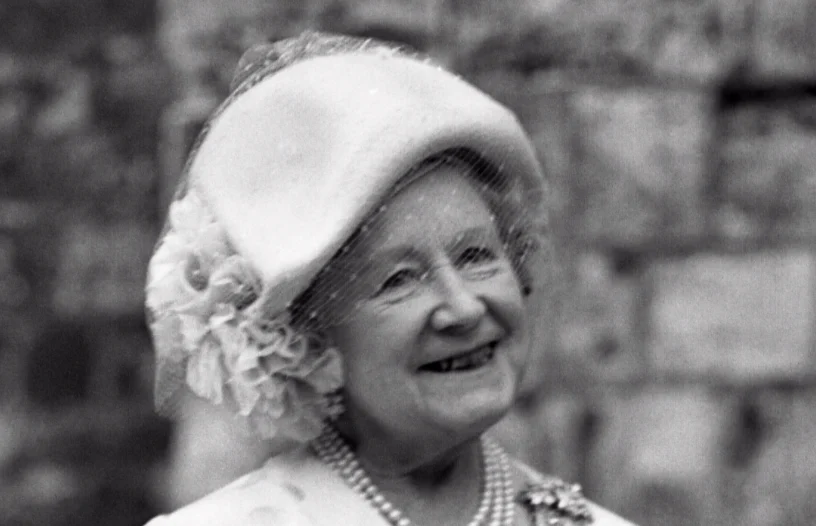
As King Charles III embraces the cherished tradition of spending a portion of his August holidays at the historic Castle of Mey, a lesser-known yet revealing episode from the estate’s royal past sheds light on the lengths to which the monarchy has gone to ensure the comfort of its senior members. This particular anecdote centres on Queen Elizabeth II’s direct intervention to safeguard her mother’s treasured afternoon siestas from the disruptive hum of low-flying Royal Air Force (RAF) aircraft.
The Castle of Mey, a picturesque fortress situated in the remote Caithness region of Scotland, became a beloved summer retreat for Queen Elizabeth, the Queen Mother, following the tragic death of her husband, King George VI, in 1952. She acquired the property that same year, and it rapidly transformed into one of her most cherished homes, a sanctuary she returned to almost annually for decades, until her final years before her passing in 2002. It was within the serene embrace of this northern estate that the Queen Mother found solace and a respite from the demands of royal life.
A Royal Request for Quietude
During her extended summer sojourns at the Castle of Mey, the Queen Mother maintained a cherished routine of enjoying a midday nap. This period of rest was not merely a personal indulgence but a vital component of her well-being and her ability to fulfil her public duties. However, on occasion, the tranquility of her afternoons was shattered by the intrusive sound of RAF aircraft navigating the skies above the remote Highland landscape. The proximity of military flight paths to the castle, though perhaps a necessary inconvenience for national defence, posed a recurring disturbance to the Queen Mother’s much-needed repose.
The impact of these disturbances, while seemingly minor to an outsider, was significant enough to warrant royal attention. It was not until 2022, with the declassification of Ministry of Defence (MoD) records, that the full extent of Queen Elizabeth II’s proactive measures to address this issue became public knowledge. The released documents detailed a formal request made by the reigning monarch, Queen Elizabeth II, to senior military officials. Her directive was clear: to establish a temporary no-fly zone over the immediate vicinity of the Castle of Mey during the periods her mother was in residence.
The Ministry of Defence’s Response
The MoD’s internal correspondence, now brought to light, offers a fascinating glimpse into the operational mechanics of accommodating such a unique royal request. A letter from the Ministry of Defence, dated and addressed to relevant parties, outlined the proposed arrangements. It stated, "While we can give no guarantee that aircraft are not seen in the vicinity, this should ensure that Her Majesty is not disturbed." This phrasing, characteristic of official bureaucratic language, acknowledged the inherent limitations of guaranteeing absolute silence but conveyed a strong commitment to minimizing any potential disruption.
The letter further elaborated on the feasibility and commitment to this arrangement, adding, "Similar arrangements can be made for future periods when the Queen Mother is in residence. I understand that this is usually during the month of August." This indicated that the measure was not a one-off occurrence but a pre-planned, recurring protocol designed to align with the Queen Mother’s annual summer schedule at the Castle of Mey. The implication was that military air traffic control would be briefed and instructed to reroute or adjust flight paths accordingly, ensuring a peaceful airspace around the castle during the Queen Mother’s stays.
This extraordinary measure underscores the profound respect and consideration that Queen Elizabeth II held for her mother’s comfort and privacy. It also highlights the intricate interplay between royal protocol, national security, and the personal well-being of the British Royal Family. The Queen Mother, who had served as Queen Consort during the arduous years of World War II and the subsequent post-war reconstruction, and who had endured personal tragedy with the loss of her husband, was undoubtedly deserving of such dedicated peace and quiet.
The Castle of Mey: A Royal Haven
The Castle of Mey’s significance in the royal narrative extends beyond this particular incident. Purchased by the Queen Mother in 1952, the castle, then known as Barrogill Castle, was in a state of disrepair. It was a project close to her heart, and she undertook its restoration with considerable passion. She famously declared it the "happiest place in the world" and spent her summers there, transforming it into a vibrant and welcoming home. The castle, with its commanding views of the Pentland Firth and Orkney Islands, offered a sense of remoteness and natural beauty that resonated deeply with the Queen Mother.
Her association with the Castle of Mey solidified its place in the public imagination as a symbol of her enduring spirit and her love for Scotland. The estate, comprising the castle, its gardens, and surrounding farmland, became a testament to her dedication to preserving historical properties and fostering local communities. The Queen Mother’s personal touch was evident in every aspect of the estate, from the carefully curated gardens to the welcoming interiors of the castle itself.
A Tradition Carried Forward
The legacy of the Queen Mother’s connection to the Castle of Mey continues to thrive. Today, it is King Charles III who upholds the tradition of spending the early part of August at the estate. This continuity signifies not only a personal fondness for the location but also a deep respect for his grandmother’s memory and her enduring influence. The King, who shares his grandmother’s appreciation for the Scottish Highlands, has ensured that the Castle of Mey remains a vital part of the royal summer itinerary.
The estate is now managed by The King’s Foundation, an organisation dedicated to the preservation of historic buildings and the promotion of traditional skills and crafts. Under the Foundation’s stewardship, the Castle of Mey and its beautiful gardens are meticulously cared for. Following King Charles’s annual summer visit, the estate is typically reopened to the public, allowing visitors to experience the charm and history of this remarkable royal residence. This approach ensures that the castle remains a living monument, accessible to those who wish to connect with its rich past and the royal figures who have graced its halls.
Broader Implications of Royal Privacy
The story of the Queen Mother’s naptime and Queen Elizabeth II’s decisive action serves as a compelling, albeit unusual, illustration of the practical measures undertaken to safeguard the privacy and comfort of senior members of the Royal Family. In a world where public scrutiny is constant, maintaining moments of genuine respite and personal space becomes paramount. This incident highlights the unique challenges faced by individuals in the public eye, particularly those holding positions of immense responsibility and historical significance.
The directive to establish a temporary no-fly zone, while seemingly a minor logistical adjustment, represents a significant allocation of resources and a clear prioritization of individual well-being within the broader context of national operations. It demonstrates a commitment from the highest levels of government and military to accommodate the personal needs of the Royal Family, a practice that, while not always overt, is an intrinsic part of the machinery that supports the monarchy.
This anecdote also offers a humanizing perspective on the Royal Family, revealing a daughter’s thoughtful consideration for her mother’s comfort. It moves beyond the formal protocols and public appearances to showcase a more personal, caring dimension of their relationships. The story, unearthed decades later, adds another layer of depth to the public’s understanding of royal life and the delicate balance between duty and personal peace. It underscores that even for those in the most prominent positions, the simple desire for an uninterrupted nap can necessitate extraordinary measures, revealing the often-unseen complexities of royal existence. The enduring appeal of the Castle of Mey, and the traditions associated with it, continues to captivate, reminding us of the personal moments that shape history and the quiet acts of consideration that define familial bonds, even among royalty.



 Yuyun Lusiyani
 Joko Widodo
 Pevita Pearce
 admin
admin
 Lina Irawan