
 Eva Lovia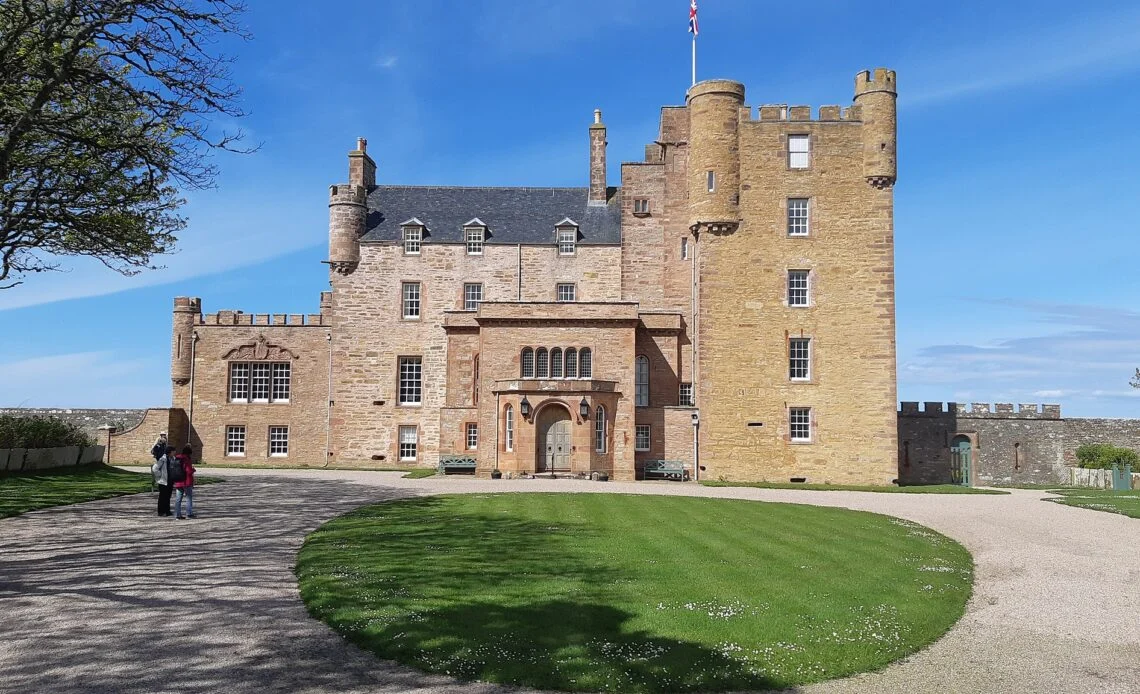
Nestled on the rugged, windswept northernmost coastline of mainland Scotland, the Castle of Mey stands as a testament to enduring royal affection and remarkable preservation. This historic stronghold, overlooking the dramatic Pentland Firth with views stretching to the distant Orkney Islands, has transitioned from a semi-derelict structure to a beloved private royal residence, deeply intertwined with the legacies of Queen Elizabeth The Queen Mother and His Majesty King Charles III. Its journey from near-oblivion to a cherished heritage site offers a compelling narrative of restoration, personal connection, and the continued stewardship of a significant piece of Scottish and royal history.
A Strategic Location with a Rich Past
The Castle of Mey is situated in the historic county of Caithness, a region known for its stark beauty and dramatic coastal landscapes. Its commanding position was historically strategic, guarding against potential incursions from the north. The site itself is believed to have hosted earlier structures, with the current castle dating back to the mid-16th century. Construction began in 1566 and concluded in 1572, commissioned on land that belonged to the Bishops of Caithness. Initially known by its present name, the castle later underwent significant alterations and was renamed Barrogill Castle by subsequent proprietors over the centuries, reflecting the changing tides of ownership and architectural fashions. These modifications, while an attempt to modernize or adapt the fortress, ultimately obscured its original character.
The Queen Mother’s Highland Refuge: A Rescue Mission
The pivotal moment in the Castle of Mey’s modern history arrived in the wake of profound personal loss for Queen Elizabeth The Queen Mother. Following the untimely death of her husband, King George VI, in February 1952, the Queen Mother found herself seeking solace and a peaceful sanctuary. The far north of Scotland, with its remote beauty and relative isolation, offered the ideal environment for her to retreat and regroup.
Later that same year, her quest for a suitable refuge led her to the semi-derelict Barrogill Castle. The property, then in a state of considerable disrepair, presented a daunting challenge. However, the Queen Mother’s vision and determination were undeterred. She purchased the castle and immediately embarked on an ambitious and extensive restoration program. This was not merely a cosmetic refurbishment; it was a deep commitment to reviving the castle’s historical integrity and making it a functional and comfortable home.
The restoration efforts were meticulous and far-reaching. Many of the Victorian-era additions, which had detracted from the castle’s original architectural spirit, were carefully removed. The aim was to reinstate the building’s historic character, returning it to its former glory. Crucially, the project addressed fundamental structural issues, ensuring the castle was weatherproof and sound. Modern amenities, essential for contemporary living, were also integrated. This included the installation of electricity and running water, services that were likely non-existent or rudimentary in such a remote location prior to the restoration.
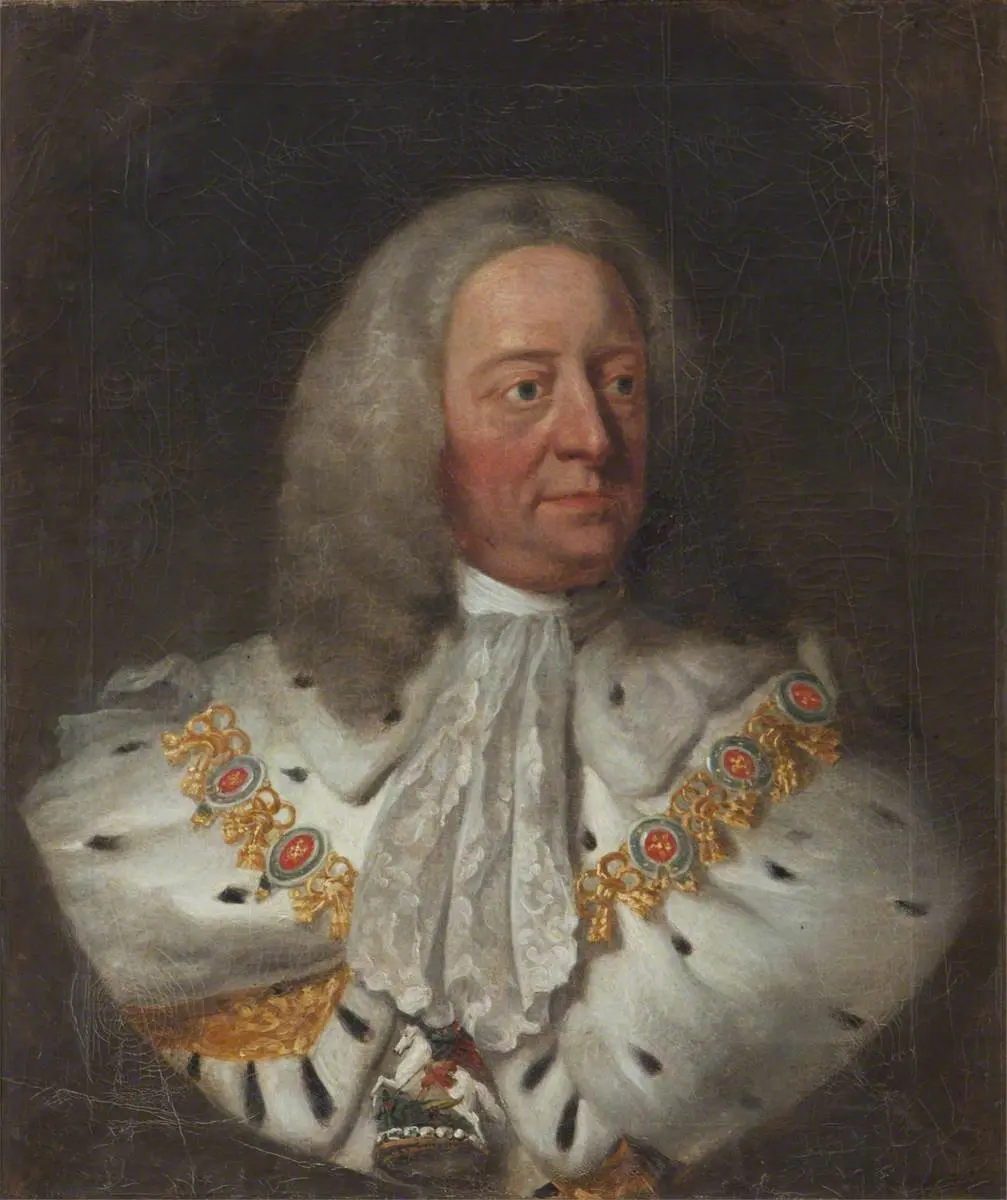
The interiors underwent a complete redecoration, guided by an appreciation for the castle’s heritage. The Queen Mother also took great care to preserve the castle’s lineage by displaying portraits of many of its previous owners. This act not only adorned the walls but also served as a visual narrative, connecting the present occupants to the long and often dramatic history of the Castle of Mey. The comprehensive restoration work culminated in 1960 with the final refurbishment of the west wing, marking the completion of a decade-long endeavor to transform a forgotten ruin into a cherished royal residence.
A Beloved Retreat and a Legacy Endures
From 1955 onwards, the Castle of Mey became an integral part of Queen Elizabeth The Queen Mother’s annual calendar. She established a tradition of spending several weeks at the castle each August, later extending her visits to include October. This northern retreat quickly blossomed into one of her most cherished homes, prized for its unparalleled privacy and the breathtaking spectacle of its coastal surroundings. The dramatic cliffs, the ever-changing sea, and the vast, open skies provided a constant source of inspiration and tranquility.
She continued this beloved tradition, visiting the castle almost every year for nearly half a century. Her final visit was in October 2001, just a few months before her passing in March 2002, at the remarkable age of 101. Her enduring connection to the Castle of Mey left an indelible mark, solidifying its status as a place of profound personal significance within the Royal Family.
The Castle of Mey Today: A Foundation for the Future
Upon the Queen Mother’s death, the ownership of the Castle of Mey transitioned to the Queen Elizabeth Castle of Mey Trust. This charitable trust was established to ensure the long-term preservation of the castle and its estate, safeguarding its heritage for future generations. Since 2019, a new chapter in its management has begun, with the estate now overseen by The King’s Foundation. This prominent organization, which champions heritage, education, and environmental conservation, is responsible for the castle’s ongoing conservation efforts and for facilitating public access, allowing a wider audience to experience its unique charm.
His Majesty King Charles III has embraced and continued his grandmother’s deep affection for the Castle of Mey. He upholds the tradition of spending the first week of August at the castle each year, a period during which the castle temporarily closes its doors to the public to allow for these private family stays. This annual pilgrimage underscores the continued personal connection the monarch feels to this special place.
King Charles III has also contributed to the estate’s evolving story, leaving his own distinctive mark. In 2005, accompanied by Queen Camilla, then the Duke and Duchess of Rothesay, he planted two sycamore trees at the front of the castle. More recently, his commitment to horticultural heritage was evident when he planted the specially cultivated King’s Rose in the Diamond Jubilee Rose Garden. This initiative mirrors the introduction of the same rose at other significant royal properties, such as Dumfries House and Highgrove, highlighting a consistent theme of royal patronage and the celebration of unique flora.
Welcoming the Public: An Enduring Invitation
Today, the Castle of Mey opens its doors to visitors during the spring and summer months. This seasonal accessibility allows the public to step back in time and explore the meticulously restored interiors, wander through the vibrant and colorful gardens, and soak in the spectacular coastal landscape that so captivated the Queen Mother for nearly fifty years. Guided tours offer insights into the castle’s history, its royal connections, and the life of Queen Elizabeth The Queen Mother. The estate also features a charming cafe and shop, providing amenities for visitors.
The Castle of Mey is more than just a historic building; it is a living monument to resilience, a testament to the power of preservation, and a symbol of the enduring bonds of family and heritage. Its story, from a forgotten fortress to a cherished royal haven, continues to resonate, inviting all who visit to share in its unique atmosphere and rich tapestry of history. The ongoing stewardship by The King’s Foundation ensures that this northern gem will continue to inspire and captivate for generations to come, a beacon on Scotland’s dramatic northern shore.


 Yuyun Lusiyani
 Joko Widodo
 Pevita Pearce
 admin
admin
 Lina Irawan