
 Eva Lovia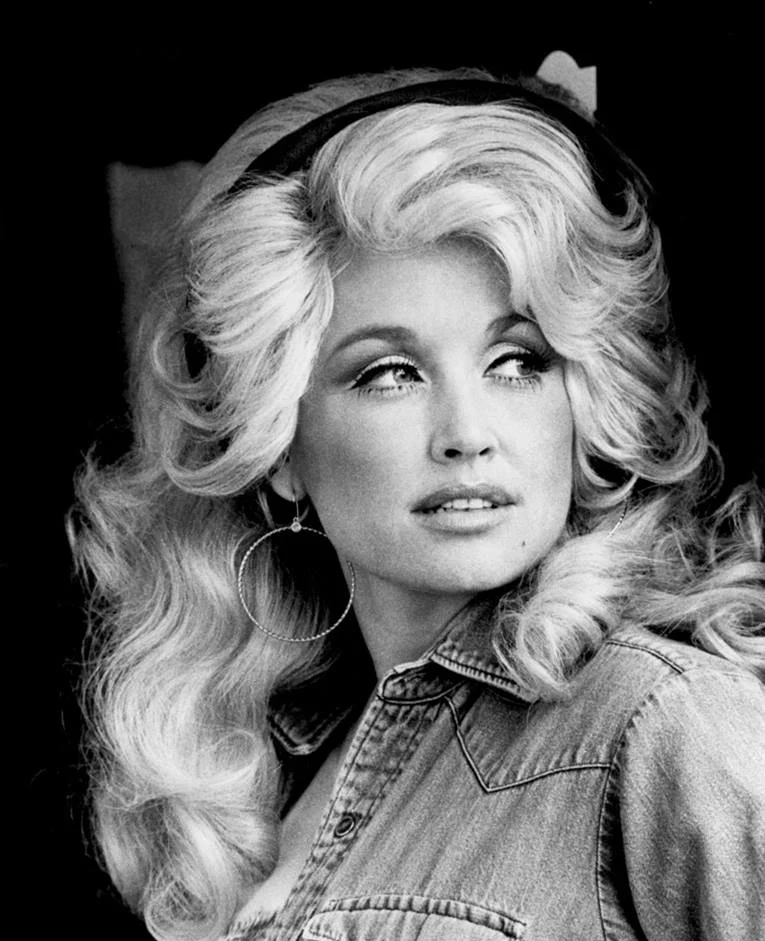
On the morning of August 26, a poignant and exceptionally rare moment unfolded at Buckingham Palace, as King Charles and Queen Camilla orchestrated a public tribute to the recently departed musical icon, Dolly Parton. Just hours after the world learned of her passing, the King’s Troop Royal Horse Artillery, performing at the Changing of the Guard ceremony, played one of Parton’s most enduring anthems, "9 to 5." This musical selection, a profound honor typically reserved for significant national occasions, served as a solemn yet celebratory acknowledgment of a life that touched millions across the globe. The decision to feature Parton’s music underscored the profound impact she had, transcending borders and generations, and resonated deeply with the assembled crowds and the wider public.
Dolly Parton, a legendary figure in music, songwriting, and philanthropy, died on August 25 at the age of 80, following a brief illness. Her passing sent ripples of grief through the entertainment industry and beyond, prompting an outpouring of tributes that highlighted not only her unparalleled artistic achievements but also her extensive charitable work and unwavering dedication to humanitarian causes. The Royal Family’s official social media channels amplified these sentiments, sharing a message that encapsulated the respect and admiration felt by the King and Queen.
A Legacy of Joy, Comfort, and Inspiration
The Royal Family’s message, posted shortly after the musical tribute, emphasized Parton’s ability to "bring joy, comfort and inspiration to so many." This sentiment was directly linked to her most impactful philanthropic endeavor: the Dolly Parton Imagination Library. This initiative, which provides free books to children from birth until they reach school age, has distributed millions of books across five countries, fostering a love of reading and a foundation for lifelong learning. The Royals specifically acknowledged this work, recognizing its profound and lasting effect on countless young lives.
Their statement referred to Parton as the "late, great, Dolly," a designation that speaks to her monumental status in popular culture. The message concluded with a touching and direct quote, "We will always love you," a phrase that echoes one of Parton’s most iconic and universally recognized songs, further cementing the deep personal connection the Royal Family, and indeed many others, felt towards her.
Chart-Topping Success and Enduring Songwriting Prowess
Dolly Parton’s career was nothing short of extraordinary. As a singer and actress, she achieved global recognition, selling over 100 million records worldwide. Her prolific songwriting talent is legendary, with a catalog boasting over 3,000 tunes. Among these are some of the most indelible melodies of the 20th century. Her original composition, "I Will Always Love You," became a global phenomenon when Whitney Houston recorded it for the soundtrack of the 1992 film "The Bodyguard." The song, a number-one hit in numerous countries, showcased Parton’s ability to craft deeply emotional and universally relatable lyrics. Prior to its massive success with Houston, the song had also achieved success when Parton herself recorded it for the 1982 film "The Best Little Whorehouse in Texas."
Her songwriting prowess extended to numerous other hits that defined genres and captured the zeitgeist, solidifying her reputation as one of music’s most influential storytellers. Parton’s ability to weave tales of everyday life, love, loss, and resilience resonated with audiences from all walks of life, contributing to her enduring appeal.
Philanthropy: A Pillar of Parton’s Legacy
While her musical achievements were vast, Dolly Parton’s philanthropic work often garnered equal, if not greater, admiration. The Imagination Library, launched in 1995 in her native Sevier County, Tennessee, has become a cornerstone of early childhood literacy programs globally. The program’s success is measured not just in the sheer volume of books distributed but in the tangible impact it has had on literacy rates and educational outcomes for children in underserved communities. The program’s expansion into countries like Canada, the United Kingdom, Australia, and Ireland speaks to its universal appeal and effectiveness.
Beyond literacy, Parton’s commitment to healthcare initiatives and cross-community work further illustrated her dedication to improving the lives of others. Her Dollywood Foundation, established to support various charitable causes, has been instrumental in funding a wide array of projects aimed at community development and social welfare. This unwavering commitment to giving back was deeply rooted in her own upbringing.
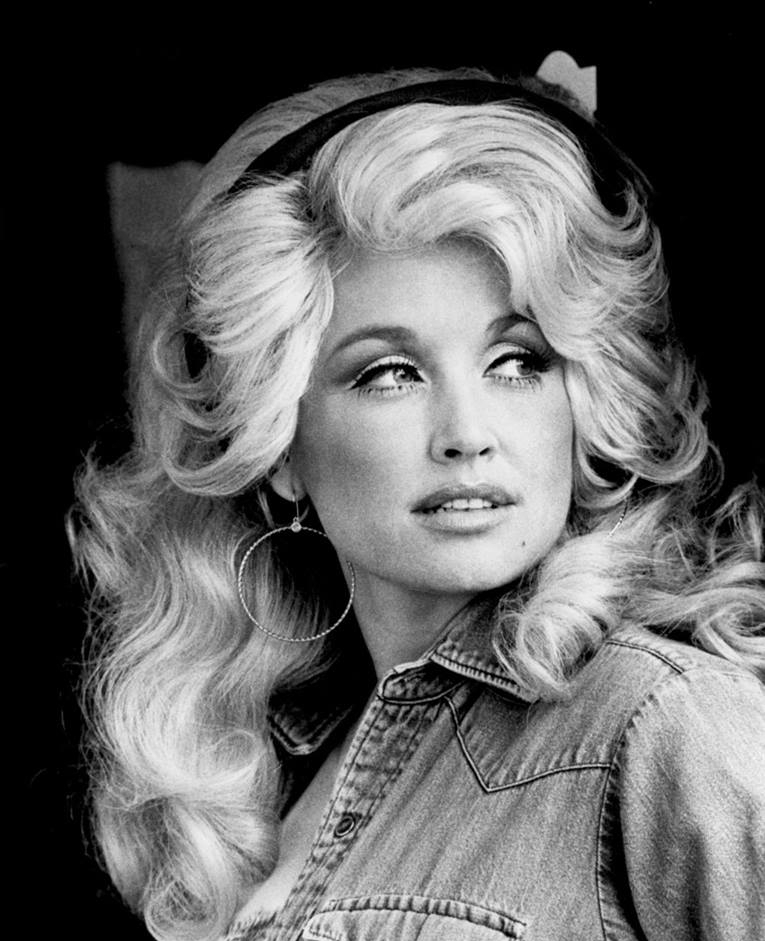
Born into poverty in a one-room cabin in Locust Ridge, Tennessee, Dolly Rebecca Parton was the fourth of twelve children. Her parents, Lee and Avie Parton, instilled in her a strong work ethic and a sense of compassion, lessons that clearly shaped her lifelong dedication to helping those in need. Her humble beginnings often served as a source of inspiration for her music and her philanthropic endeavors, grounding her success in a deep understanding of hardship and resilience.
A Career of Unprecedented Accolades
Dolly Parton’s stellar career was marked by an astonishing array of accolades. She amassed eleven Grammy Awards, three Emmy Awards, and received nominations for two Academy Awards, six Golden Globe Awards, and a Tony Award. These nominations and wins across various prestigious award ceremonies underscore the breadth of her talent, spanning music, television, and film. Her ability to consistently produce high-quality work across different artistic mediums solidified her status as a multifaceted entertainer.
Personal Life and Enduring Partnership
Dolly Parton married Carl Dean in 1966, when she was just 20 years old. Their enduring marriage, which lasted for nearly six decades until Dean’s passing in 2025, was often cited as a testament to their deep bond and mutual respect. Despite her public life, Parton maintained a strong sense of privacy regarding her personal relationships, with Dean famously preferring to remain out of the spotlight. Their relationship, though largely private, was a significant and constant presence in her life.
A Life of Resilience and Impact
The announcement of Dolly Parton’s death confirmed that she succumbed to cancer after a short illness. While she lived a life in the public eye, meeting royalty and heads of state throughout her illustrious career, the tribute from King Charles and Queen Camilla held a special significance. For the girl who began life in a modest cabin in Tennessee, to be honored in such a public and profound way by the reigning monarchs of the United Kingdom would undoubtedly have been a moment of profound surprise and deep honor.
Broader Implications of the Royal Tribute
The King and Queen’s decision to have the band play "9 to 5" at the Changing of the Guard ceremony is more than just a musical selection; it is a statement of cultural significance. In a world where royal engagements are meticulously planned and often steeped in tradition, this act signifies a deliberate choice to acknowledge and celebrate an artist whose influence has permeated global culture. It suggests a recognition by the highest levels of the British monarchy that Parton’s legacy extends beyond mere entertainment, encompassing humanitarianism, inspiration, and a powerful voice for the common person.
This public homage can be analyzed in several ways. Firstly, it highlights the evolving role of royalty in contemporary society, where acknowledging cultural icons and their impact can serve to connect the monarchy with the broader public. Secondly, it underscores the universal appeal of Dolly Parton’s music and her philanthropic work. The choice of "9 to 5," a song that speaks to the struggles and aspirations of working people, resonates with a wide audience and likely struck a chord with the King and Queen.
Furthermore, the tribute serves as a powerful reminder of the enduring power of art and culture to bridge divides and foster connection. In a time often marked by division, the shared experience of appreciating an artist like Dolly Parton, celebrated by both the public and the Royal Family, offers a moment of unity. The inclusion of her charitable work in the Royal Family’s message also signals a growing emphasis on the importance of philanthropy and social impact from prominent figures.
The fact that this tribute occurred so swiftly after the announcement of her death indicates the immediacy with which her passing was felt and the desire to offer a public expression of grief and respect. It also speaks to the well-established protocols for such ceremonial events, suggesting that the decision was made and executed with remarkable speed, emphasizing the priority placed on honoring Parton.
In conclusion, the musical tribute at Buckingham Palace and the heartfelt message from King Charles and Queen Camilla represent a significant moment in the recognition of Dolly Parton’s extraordinary life and career. It is a testament to her enduring legacy as a global icon whose impact continues to be felt across music, culture, and philanthropy, solidifying her place in the annals of history alongside other revered figures.


 Yuyun Lusiyani
 Joko Widodo
 Pevita Pearce
 admin
admin
 Lina Irawan